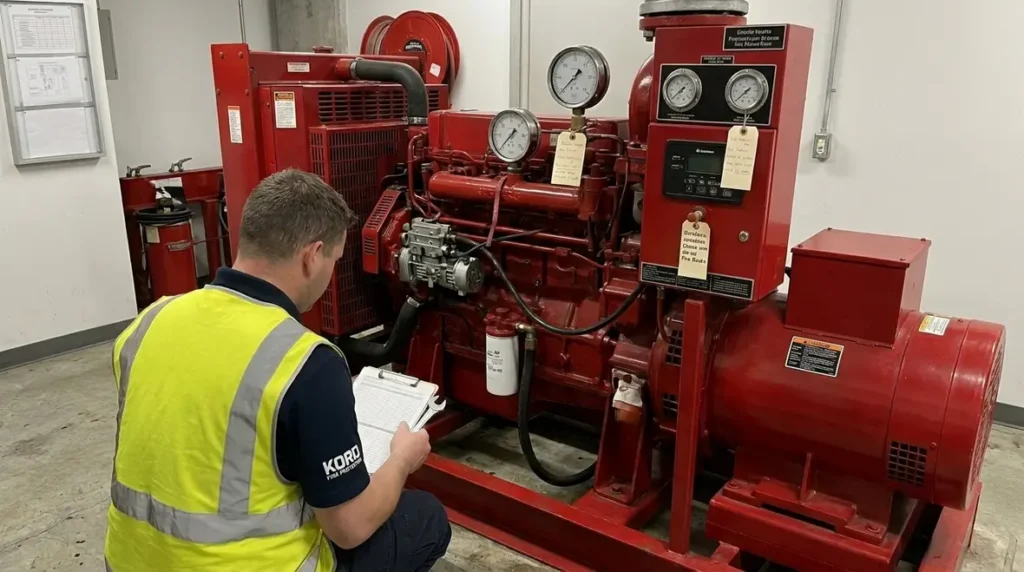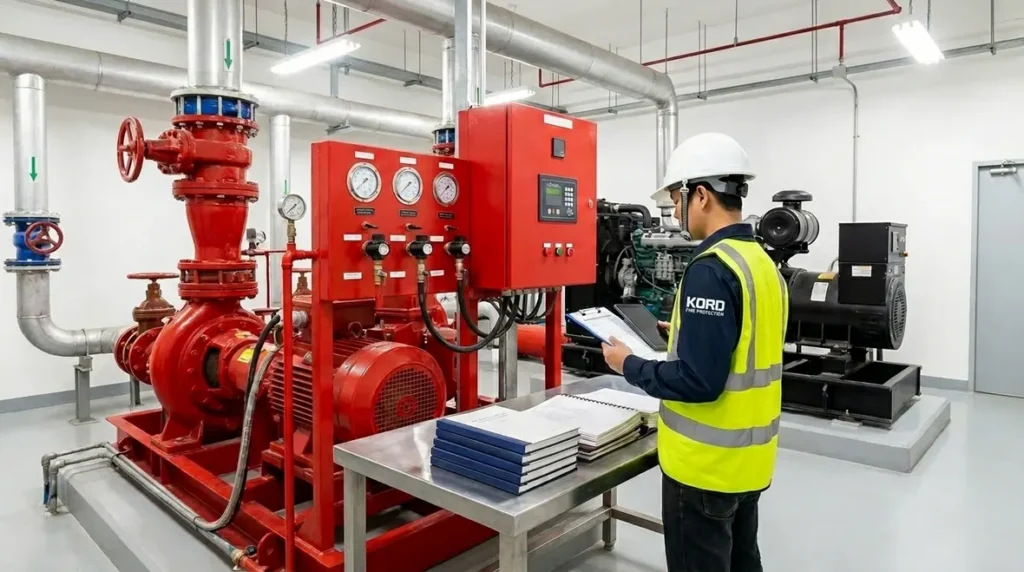
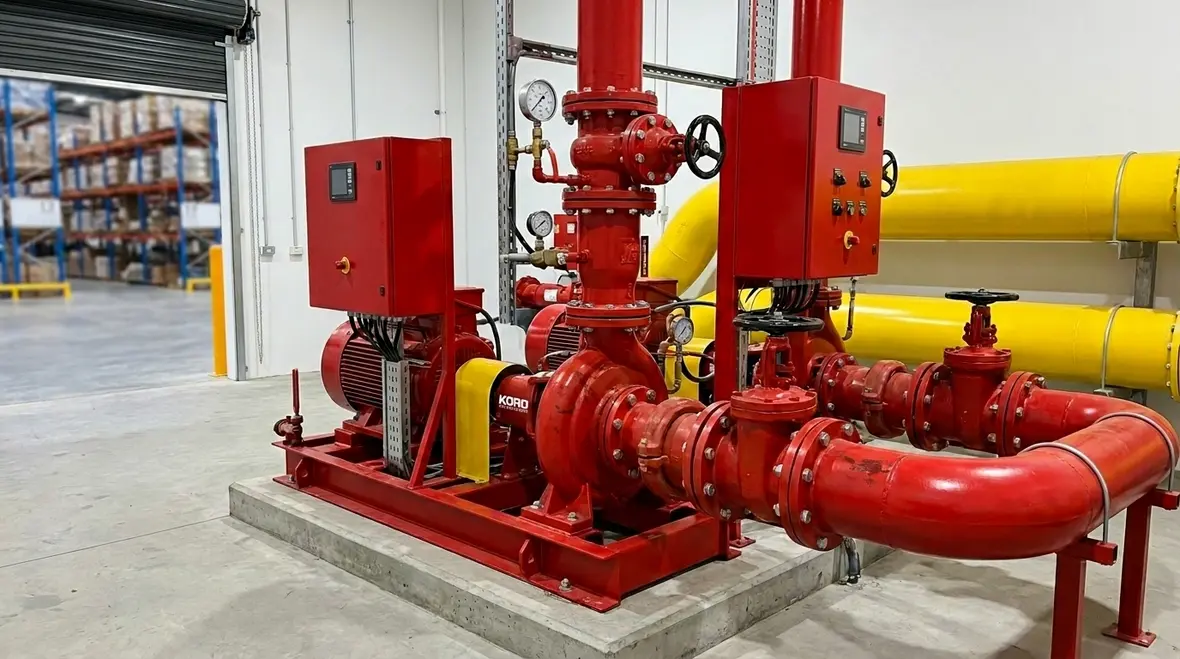
AS 2419 Fire Pump Design for Hydrant Installations
Quick Answer: AS 2419 sets the design expectations for fire pumps used with hydrant systems. It covers performance, controls, power, and commissioning so pumps deliver the right pressure and flow when it matters most. Kord Fire Protection supports these projects by aligning design checks, installation, testing, and ongoing service with site needs across Australia.
For projects that need broader support beyond pump design alone, Kord Fire Protection also works across fire protection services that help tie design intent, installation quality, testing, and ongoing readiness together without turning the handover into a scavenger hunt for missing details.
Why AS 2419 matters for hydrant installations
Fire pumps do not “hope” their way through an emergency. They must perform, fast and consistently, and that is exactly why AS 2419 plays such a big role in hydrant installations. This standard guides how fire pump systems should be designed so they deliver the required flow rate and pressure under real fire conditions, even when the rest of the building is doing its best impression of chaos.
Because the standard is strict, many projects stall at the same place: assumptions creep in. And yes, humans do that. Like adding “just one more item” to a shopping list and then pretending you still planned it all. In practice, Kord Fire Protection helps clients avoid that by treating the standard as a work plan, not a paperwork hurdle.
The standard gives teams a common target
That matters because hydrant systems involve more than one trade, more than one approval step, and usually more than one person saying, “We thought someone else had that covered.” AS 2419 helps pull those moving parts into a shared design expectation. Instead of guessing what “good enough” looks like, the project can work toward known performance outcomes that shape pump selection, controls, pipework decisions, testing, and final signoff.
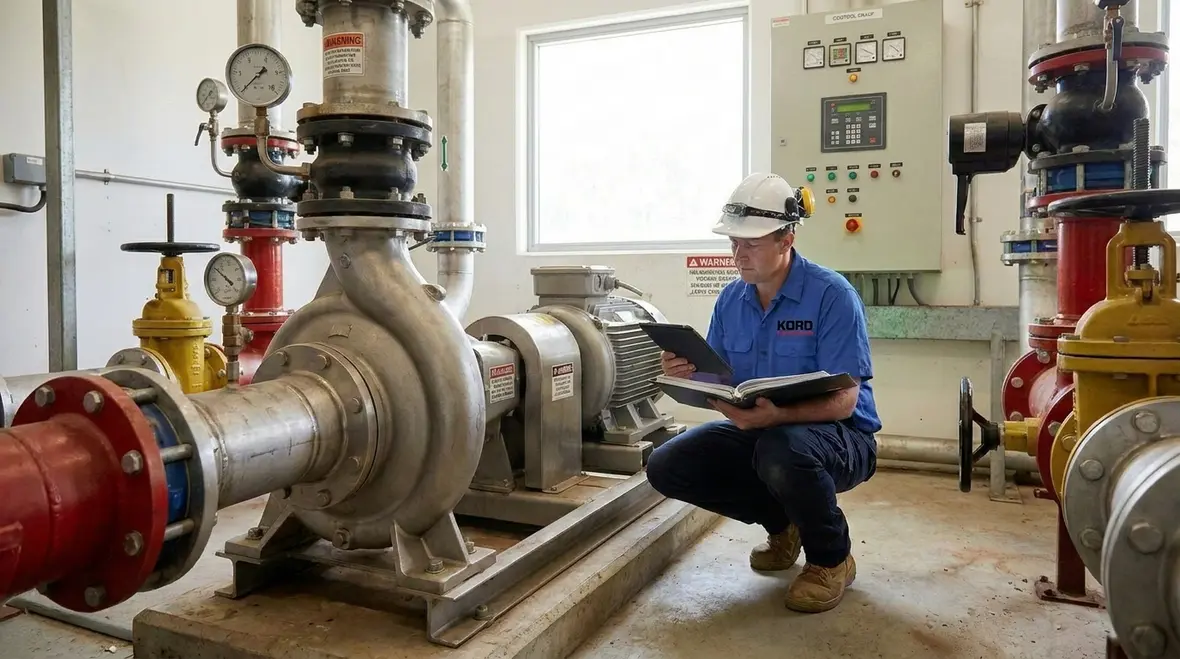
What AS 2419 expects from the fire pump system
For a hydrant installation, AS 2419 pushes the design toward predictable performance. Typically, the design process focuses on meeting required hydraulic performance across the pump curve. That means engineers and installers consider static head, friction losses in pipework, hydrant discharge characteristics, and expected demand scenarios.
Then, the system design must handle start and control sequences reliably. So the solution does not just include a pump and call it a day. It includes how the system senses demand, how it starts the pump, how it controls speed or discharge pressure, and how it prevents nuisance starts. In other words, it turns “push button panic” into controlled action.
Next, the design has to account for power and availability. In commercial and industrial sites, downtime is expensive. Therefore, the pump system often requires an arrangement that supports standby operation and durable components. Kord Fire Protection partners early, so the final design matches the site’s real infrastructure, not only the drawing.
Performance is not just about the pump itself
A fire pump can look excellent on paper and still disappoint if the surrounding system has been treated like background scenery. Suction arrangement, discharge pipe sizing, controller setup, valve selection, and monitoring all affect how the pump behaves when the system actually calls for water. That is why design reviews need to look at the full chain, not only the shiny bit with the motor attached.
How hydrant demand shapes pump sizing and layout
Pump sizing starts with demand. And demand does not look the same from one building to the next. Retail centres, warehouses, manufacturing areas, and large facilities each carry different pipe runs, floor layouts, and hydraulic conditions. As a result, the pump design must reflect actual discharge points and credible flow scenarios.
To get this right, the design process often includes these steps:
- Calculate system pressure losses through pipework, fittings, valves, and reducers so the pump does not run “dry on margin.”
- Confirm hydrant discharge requirements so the design supports the intended firefighting strategy.
- Check tank, suction, and supply conditions so the pump can start under realistic conditions and maintain flow.
- Coordinate pipe layout and valve placement so the system performs as intended, not as the installer guessed during the rush.
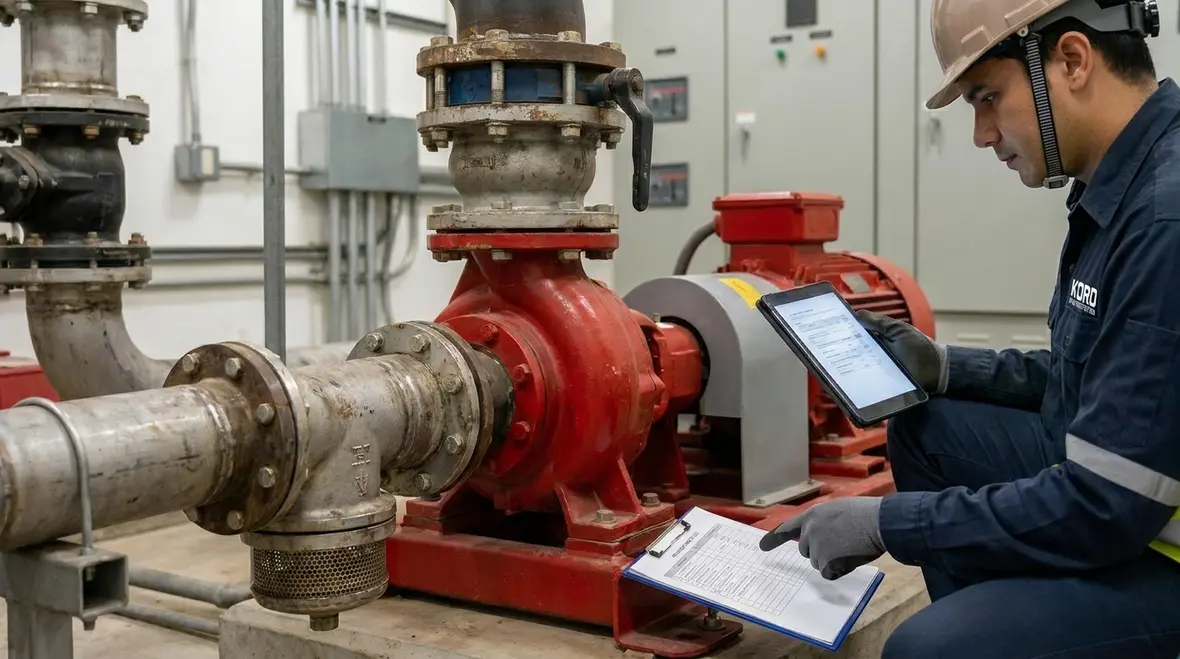
After that, the arrangement matters. Poorly placed suction lines, undersized pipe runs, or awkward valve selections can degrade performance. Consequently, the system can end up under delivering, even though it “looked fine” during a quick review. Kord Fire Protection reduces that risk through practical buildability checks that match the design to the construction reality across Australia.
Layout mistakes tend to hide until late in the project
That is part of what makes them so annoying. A line route that seemed harmless in early drawings can create extra friction loss. A valve that felt convenient to install can become awkward to service. A pump room layout that looked tidy can suddenly feel like a game of human Tetris once maintenance access is considered. Good coordination helps catch those issues before they become expensive lessons.
Controls, power, and reliability details that teams overlook
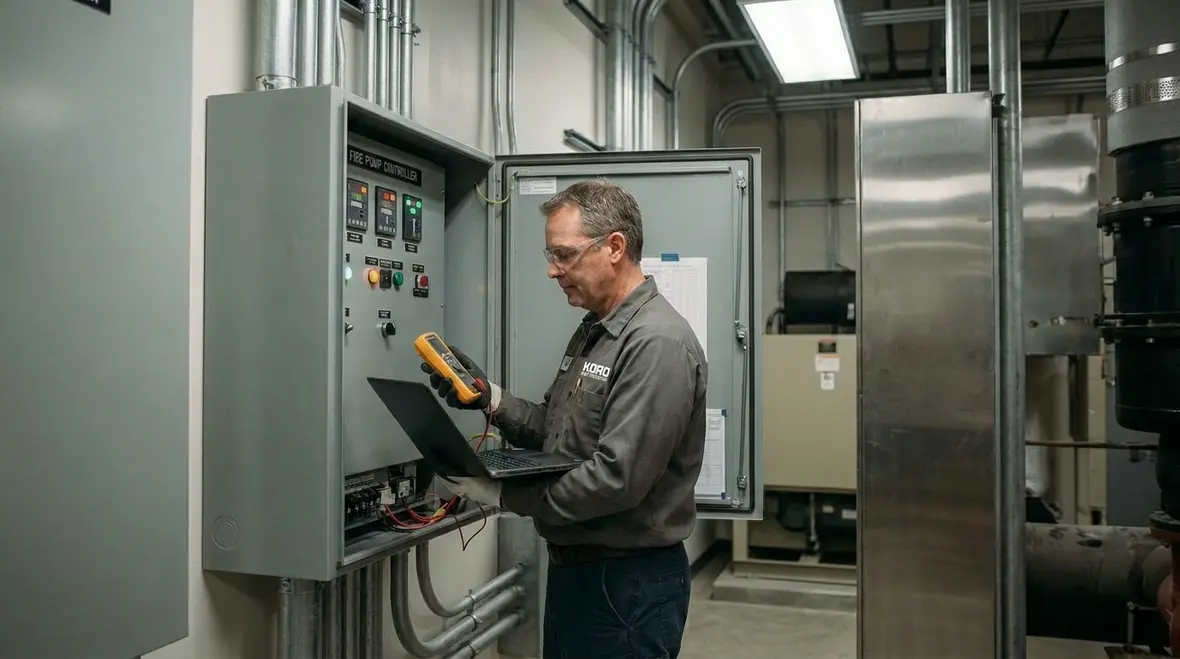
Many projects focus on pump curve math and then treat controls as an afterthought. However, controls often decide whether a system works during the first critical minutes. In hydrant pump sets, the control scheme must support correct initiation, stable pressure during discharge, and safe sequencing. It must also support supervision, alarms, and status reporting suitable for site response teams.
Power reliability also deserves more attention than it usually gets. For example, the design should consider protection devices, cable routing, start current, and coordination with switchboards. When power distribution is mismatched to the pump’s starting and operating requirements, systems can stumble when the emergency arrives. And that is the moment nobody wants a “we’ll fix it later” plan.
Reliability also includes physical installation details: vibration control, alignment, access for maintenance, and protection against environmental impacts. Therefore, Kord Fire Protection acts as a vital partner by connecting the dots between compliance expectations, installation method, and commissioning outcomes. They help clients avoid costly rework and keep the system ready for the real world, not just the test day.
Why these details keep causing trouble
Because they sit in the space between disciplines. Hydraulic design might be sound, but if the electrical side is not coordinated, starts can become unreliable. Installation might be neat, but if access around the set is cramped, maintenance gets harder than it should be. Controls might exist, but if alarm reporting is unclear, operators lose time during the exact period when time is already in short supply.
Commissioning and testing under Australian compliance expectations
Once installed, the pump system must demonstrate that it meets required performance. Commissioning is not a formality. It confirms that controls initiate correctly, pressures and flows match expectations, and the system behaves as designed under test conditions.
Typical outcomes commissioning aims to verify include:
- Start and control operation under simulated demand scenarios
- Discharge pressure performance across the operating range
- Alarm and status signaling to the relevant monitoring points
- Valve operation and flow conditions that match the hydraulic design
- Correct calibration of sensing devices and controllers
Then, documentation matters. Facilities teams need clear evidence of testing results and calibration records. In commercial and industrial environments, this also supports ongoing assurance and service planning. Kord Fire Protection supports these stages with a mindset that values long term reliability. Because when inspections come around, the best outcome is simple: the system performs, the records exist, and everyone keeps their cool.
Good commissioning proves the design survived contact with reality
That is the real test. A system can be beautifully drawn, thoroughly specified, and still run into problems when site conditions, sequencing, calibration, or installation details start having opinions of their own. Commissioning is where those opinions get settled. Done properly, it gives teams confidence that the pump will respond as expected, the records will support compliance, and the handover will not rely on optimism dressed up as documentation.
Dual column view: common project pain points and how Kord Fire Protection helps
| Common pain point | How Kord Fire Protection helps |
Design assumptions do not match the site pipework routes and valve placements. | Kord Fire Protection supports practical review and installation planning so the build reflects the intended hydraulic performance. |
Controls and power coordination lag behind the pump selection. | Kord Fire Protection aligns control logic, commissioning steps, and electrical requirements for dependable start and supervision. |
Commissioning happens quickly, and key performance checks get skipped. | Kord Fire Protection structures commissioning testing around verified performance outcomes, records, and repeatable test procedures. |
After installation, ongoing service schedules do not reflect real risk and maintenance needs. | Kord Fire Protection helps clients set up sensible servicing and readiness planning so the system stays reliable beyond handover. |
FAQ for AS 2419 fire pump design guide
Call Kord Fire Protection before the smoke starts
Fire pump projects move faster when the design, installation, and commissioning decisions work together. Kord Fire Protection supports businesses across Australia by aligning hydrant pump systems with AS 2419 expectations, then validating performance through proper testing and clear documentation. So instead of crossing fingers during inspections, teams get a system that works when it has to. Contact Kord Fire Protection today and lock in a calmer, more compliant path to handover.