AS 2941 Fire Pump Inspection Checklist for Compliance
Quick Answer: The AS 2941 Fire Pump Inspection Checklist helps facilities confirm fire pumps stay reliable when it matters most. It guides checks on drive systems, controls, valves, alarms, and performance indicators. With a structured checklist, sites reduce downtime risk and improve compliance readiness.
When a fire pump fails, there is no “we’ll fix it later.” In Australia, facilities use the AS 2941 Fire Pump Inspection Checklist framework to keep pumps ready, controlled, and dependable. And while the checklist can seem like a stack of paperwork waiting to bite, it actually creates calm and clarity for industrial, retail, and commercial sites. The goal is simple: verify the pump system does what it should, under real conditions.
Now, let’s walk through what a proper inspection should capture, why each step matters, and how Kord Fire Protection can act as a vital partner to deliver consistent outcomes across facilities. For sites that need a practical maintenance partner, Kord Fire Protection supports compliant fire protection outcomes with a service approach built around reliability, documentation, and follow through.
What AS 2941 covers and why it matters to sites
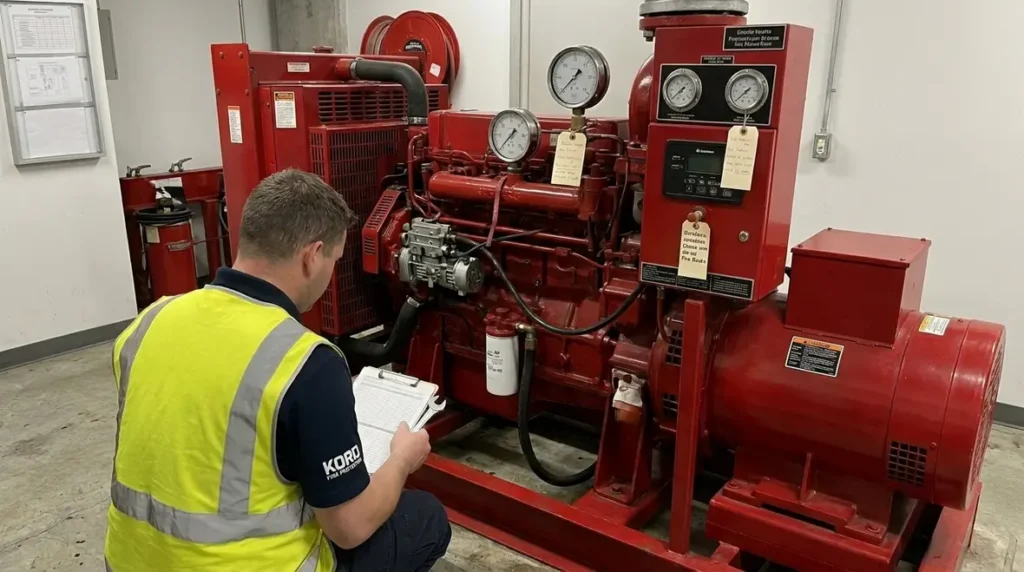
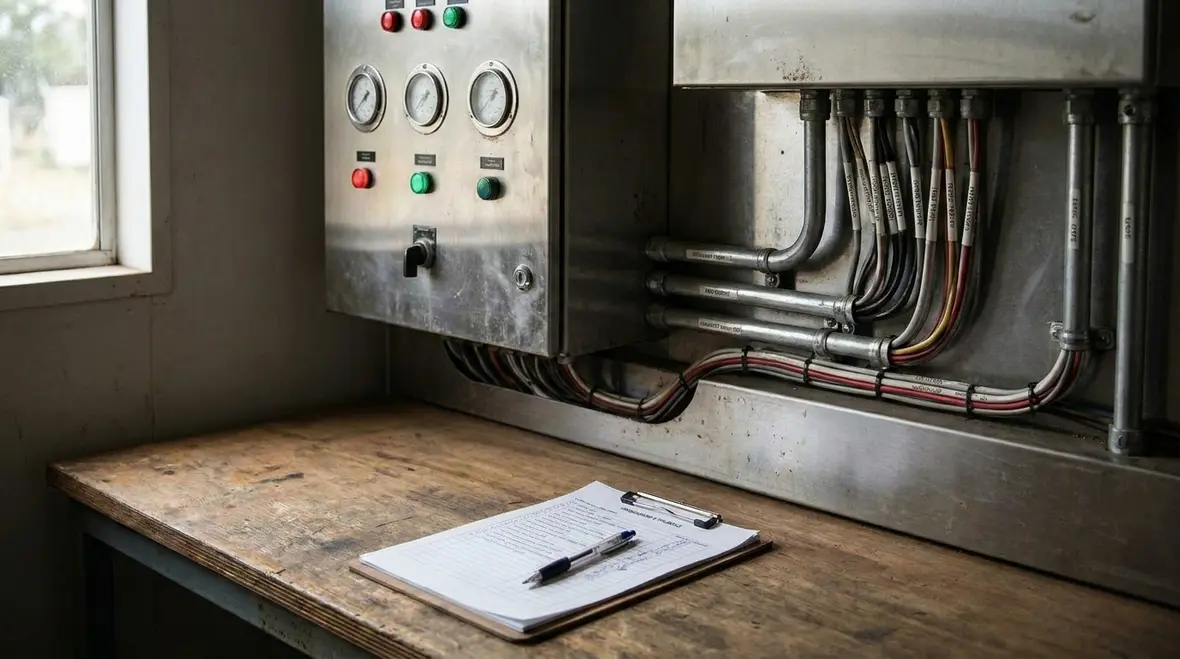
AS 2941 focuses on the full fire pump assembly, not just the pump itself. That means inspectors consider the components that make the pump usable in an emergency, such as the power supply, controls, valves, and related alarms. As a result, the checklist reduces the chances of hidden defects that only show up at the worst time.
Moreover, the standard supports a disciplined approach. Instead of relying on “we think it sounds right,” teams confirm measurable conditions. If the pump controller indicates issues, the inspection catches them early. If a valve is mispositioned, the inspection prevents delays. In other words, it turns guesswork into evidence. And yes, evidence beats vibes every time, even if vibes feel like pop culture’s favourite method.
Why the checklist matters beyond paperwork
A good checklist gives facilities a repeatable method. That matters because consistency is what turns maintenance from a reactive scramble into an orderly program. It also helps different people across operations, maintenance, and management understand the same system status without translating a dozen handwritten notes and one mysterious comment that says “looked a bit weird.”
Key steps in the inspection checklist
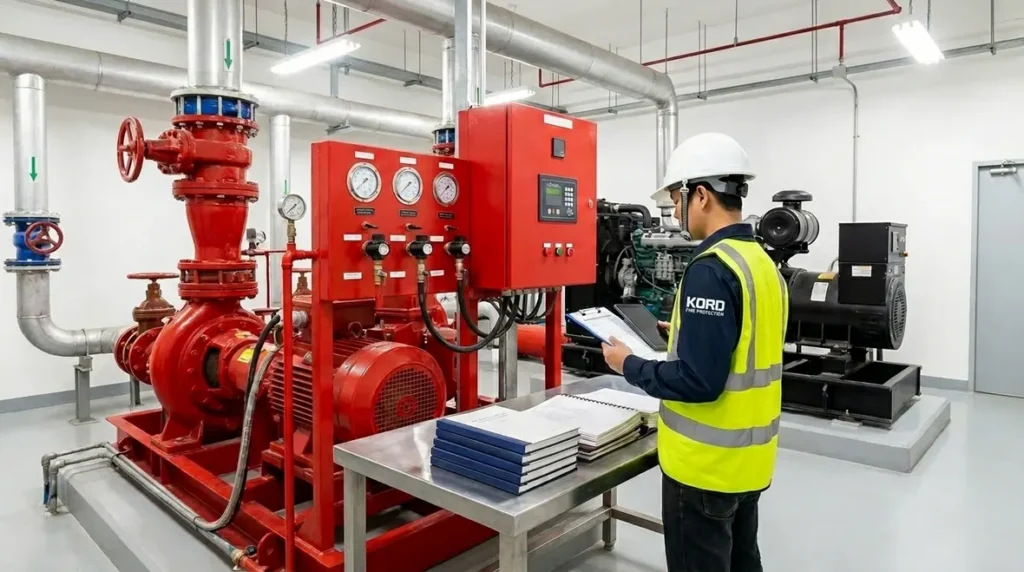
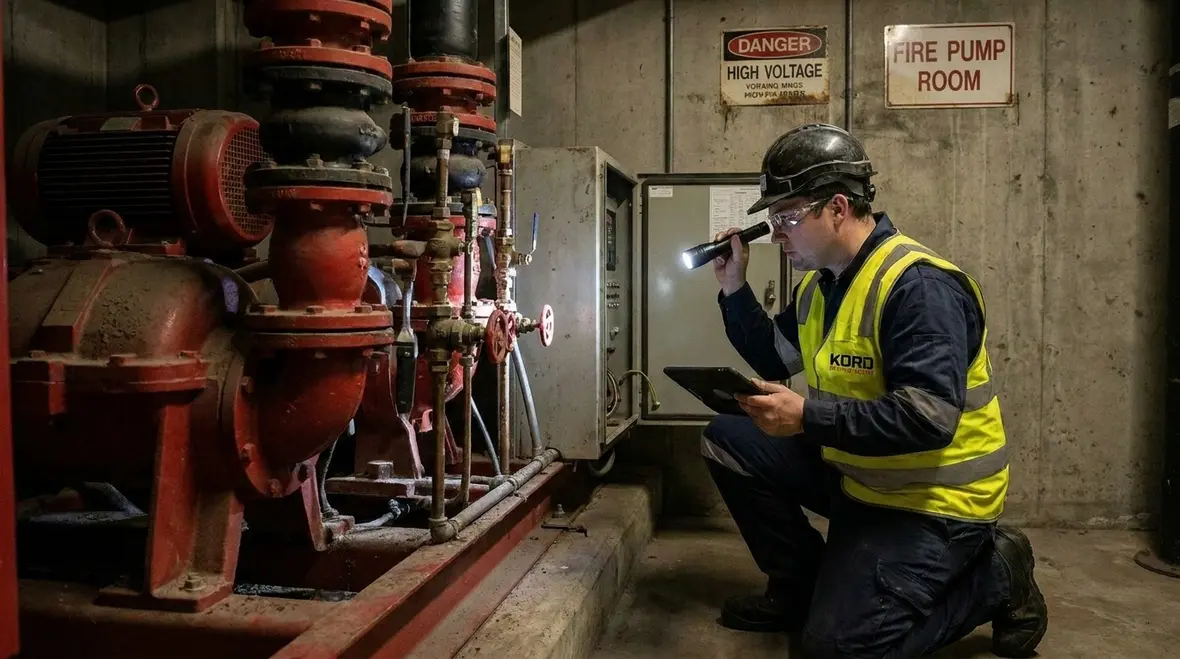
A high quality inspection follows a logical path from documentation to physical checks, then verification of operation. First, the inspector reviews records from prior services. Then they examine the pump set, and they confirm the system is set up to run correctly.
Typical checklist items include:
- System identification such as pump location, type, controller designation, and site integration
- Visual inspection of the pump, controller, isolations, pipework condition, and support stability
- Power and control verification including status indications, alarms, and wiring integrity
- Valve positions to confirm they are in the correct operating state for fire service use
- Test points and sensors checks to ensure readings make sense and faults can be detected
- Drive system condition to confirm it remains ready, clean, and free from obvious issues
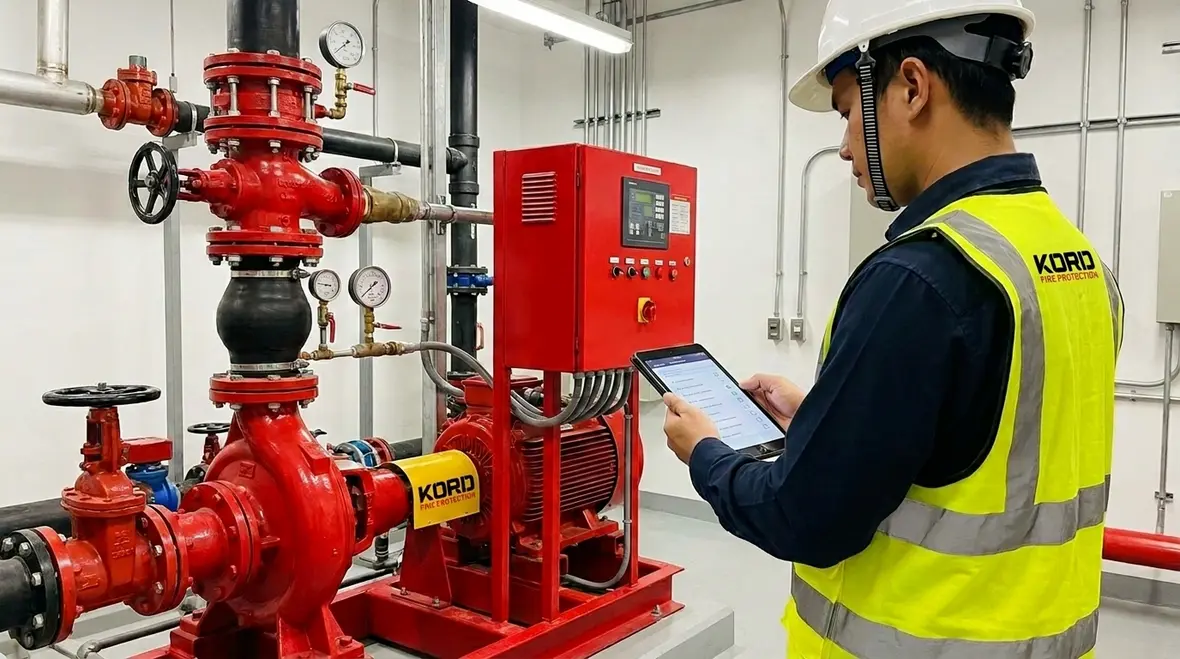
- Functional checks that confirm the controller responds as expected
After these checks, inspectors document findings with clear outcomes. When issues exist, teams should record them precisely, classify their risk, and recommend corrective actions. This keeps the facility from treating each defect like a mystery novel with no ending.
Start with records, then trust what you verify
Reviewing previous reports is not just an admin chore. It shows whether the same issue keeps returning, whether corrective actions were actually completed, and whether the system has developed a pattern of drift. That historical view can be the difference between one isolated defect and a chronic reliability problem wearing a fake moustache.
Operational checks that actually reduce risk
Many sites focus on what they can see, but operational reliability comes from what they verify. Therefore, a strong inspection includes checks that confirm the pump system responds to real control signals and behaves predictably. Even if the facility staff rarely thinks about pump performance, the inspection should still confirm that performance indicators remain trustworthy.
In practical terms, inspectors aim to confirm:
- Controller behavior during simulated start and stop commands, including expected signals and indications
- Alarm status for fault conditions, so the system alerts the right people with the right message
- Correct sequencing between controller actions and valve states, because timing matters during an emergency
- System readiness such as confirming the pump can move from standby to running without confusion
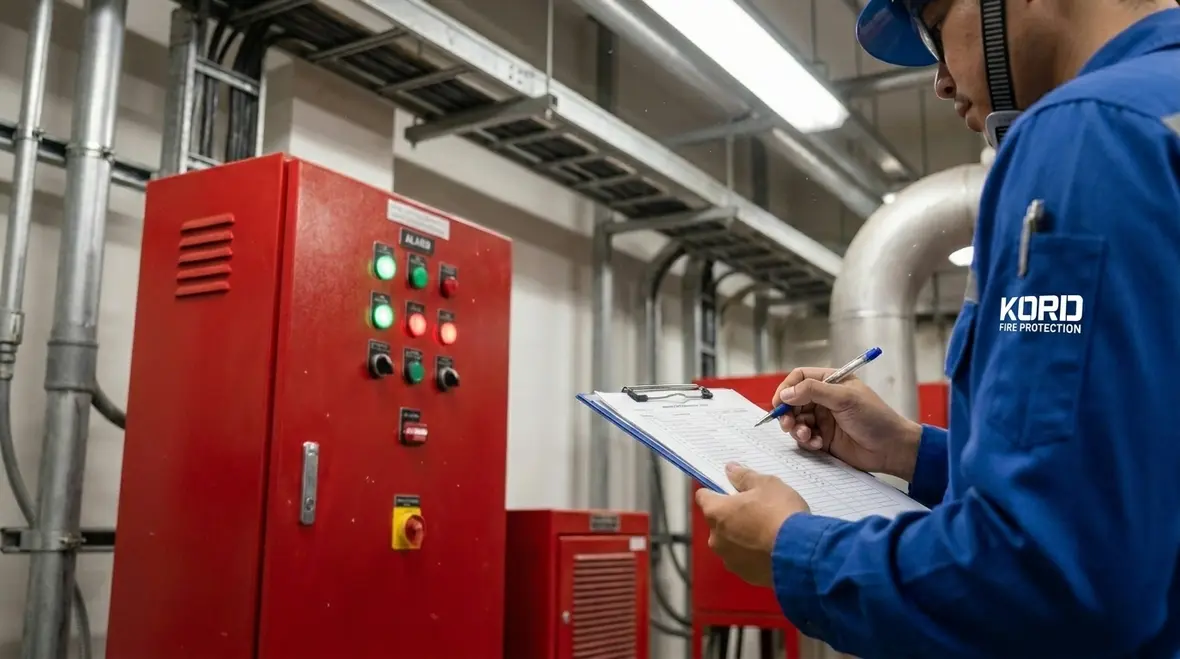
Additionally, facilities should not ignore the “boring” details. A small abnormality in control logic, a loose connection, or a valve that drifts from its correct position can create long delays under pressure. And while delays sound like an annoying inconvenience in everyday life, during fire events they become operational hazards. Nobody wants that subplot.
Small issues become big problems fast
That is why the inspection should not stop at “looks fine.” A compliant program asks whether the controller interprets signals correctly, whether alarms land where they should, and whether the equipment can shift from standby to duty without hesitation. Reliability is not a slogan. It is the result of many tiny correct decisions happening in the right order.
How to interpret findings and plan corrective actions
Once the inspection is complete, the real value appears in the report and the follow up. Inspectors should classify issues in a way the facility can act on quickly. For example, a defect that affects starting reliability deserves immediate attention. Meanwhile, minor maintenance items still require scheduling, but they can follow a planned timeline.
A well structured approach helps facilities:
- Prioritise fixes based on impact to pump operation and emergency performance
- Assign ownership for actions so nothing sits in limbo
- Confirm re inspection timing after repairs
- Keep the facility compliant and ready for audits
Furthermore, a good corrective plan includes the “why,” not just the “what.” If a defect repeats, the team should identify the cause, not merely replace the symptom. That is how facilities avoid repeat downtime and unnecessary repeat visits that nobody budgets for. Yes, even if the invoice looks friendly, repeat problems cost real time.
Reports should drive action, not just filing
The best reports do not bury the important detail in generic notes. They show what was found, why it matters, what should happen next, and how urgently it needs attention. That lets facility teams plan resources properly instead of discovering too late that the “monitor” item was actually a “please fix this before it ruins your week” item.
Building long term compliance with Kord Fire Protection
Inspection alone does not protect a site. Consistency does. That is where Kord Fire Protection becomes a vital partner. Our team supports industrial, retail, and commercial facilities across Australia with practical, compliance driven fire pump inspection service planning.
Instead of treating each inspection as a one off event, Kord Fire Protection helps sites build a repeatable process. We focus on clear reporting, timely actions, and practical recommendations that suit operational realities across multiple facilities.
In collaboration with facility managers, we help ensure:
- Inspection planning aligns with site schedules and access needs
- Findings translate into actions that teams can execute
- Documentation supports audit readiness
- System health stays trackable across service cycles
And if you have ever tried to coordinate trades for multiple assets across a large site, you know how quickly the calendar turns into a sitcom. Kord Fire Protection helps keep the process structured, so the fire pump system stays the dependable character it is meant to be.

Choosing an inspection frequency that fits your facility
Inspection frequency should align with the requirements of AS 2941 and the conditions at each site. Factors like duty cycles, environment, and system usage can influence how often proactive checks should occur. For example, a facility exposed to dust, humidity, or frequent operational changes may need more attention to prevent drift or deterioration.
Additionally, facilities should consider how quickly they can close out corrective actions. If defects persist because follow up is slow, risk increases. Therefore, the best approach pairs proper scheduling with fast response workflows.
When sites treat fire pump inspection as a living program instead of a checkbox, performance stays stable. That stability reduces disruption and helps avoid emergency surprises. And honestly, surprise emergencies are fun in movies. In real life, they are expensive.
FAQ
Call Kord Fire Protection to keep fire pumps dependable
A fire pump system earns trust through repeatable checks, clear reporting, and fast corrective action. Kord Fire Protection partners with industrial, retail, and commercial sites across Australia to support inspection outcomes that align with the intent of AS 2941 and practical compliance. If you want fewer surprises, calmer audit days, and a plan your team can actually follow, contact Kord Fire Protection today for a tailored service approach.