AS 4655 Fire Audits Explained for Safety Compliance
Quick Answer: AS 4655 sets out how fire safety audits should be planned, carried out, and documented. It helps facilities reduce risk, fix hazards, and prove compliance with clarity. Kord Fire Protection can support these AS 4655 fire audits with practical site knowledge, clear reporting, and fast follow up.
Fire safety audits can sound like paperwork dressed up as safety. Yet, when done well, they become a calm, structured way to find real problems before they become expensive headlines. In Australia, AS 4655 Explained is often where organisations begin, because AS 4655 fire audits set expectations for how a site should be assessed, how findings should be recorded, and how actions should be shaped.
To be clear, this is not about ticking boxes like an overcaffeinated robot. It is about protecting people, keeping operations running, and giving decision makers a straight answer. And then, once the audit report lands on the desk, the hard part starts. That is where our company, Kord Fire Protection, can become a vital partner, helping teams move from findings to fixes, with the same steady focus that AS 4655 demands.
Now, let us walk through what AS 4655 fire audits actually require, how facilities typically use them, and where Kord Fire Protection fits in across industrial, retail, and commercial sites around Australia. Facilities that also need support with ongoing fire protection work can explore Kord Fire Protection’s fire protection services as part of a broader compliance plan.
What AS 4655 fire audits aim to achieve on commercial sites
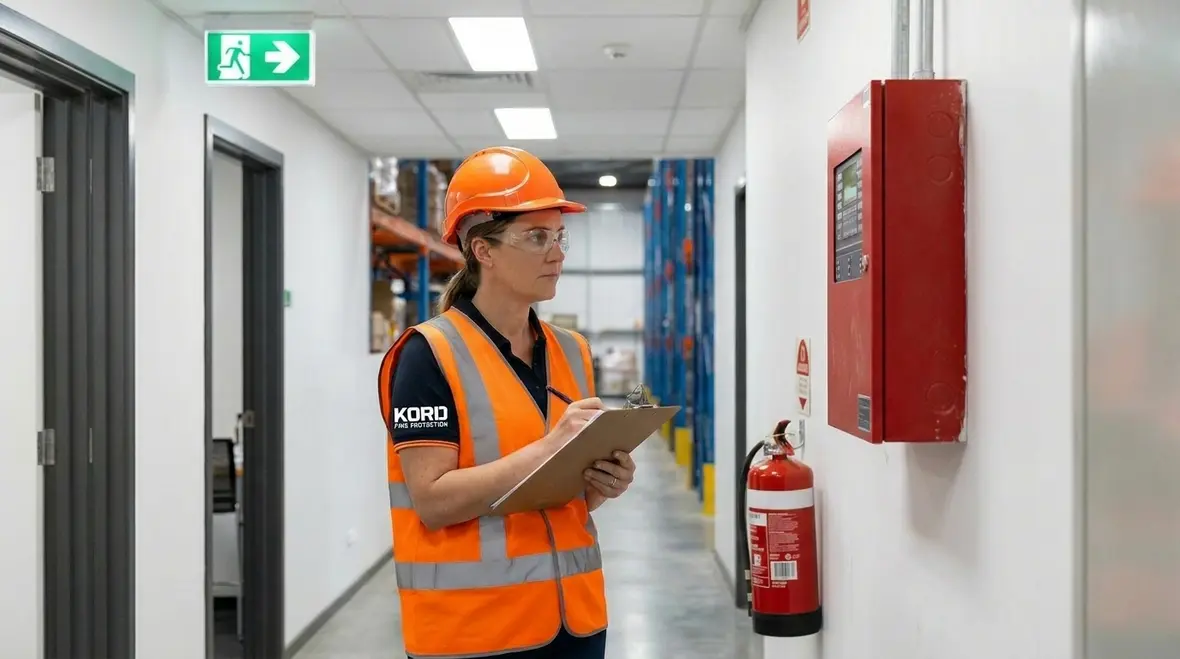
AS 4655 fire audits aim to check the real fire safety picture across a facility, not just the parts that look good on day one. In practice, the audit process helps an organisation confirm that fire risks are understood and controlled through existing systems, procedures, and building features.
As a result, management gains a clearer view of where the site stands today. Then, it becomes easier to plan corrective actions that match the severity of risk. In addition, these AS 4655 fire audits support ongoing improvement, so safety does not slide backward when staffing changes, tenants move, or maintenance schedules slip behind.
Think of it like this. A fire audit is not a weather forecast. It is the inspection that tells the organisation whether the roof will hold up when the storm hits.
Why this matters beyond a compliance file
A proper audit creates a shared understanding between site managers, maintenance teams, contractors, and leadership. That matters because fire risk usually does not announce itself with a drum solo. It creeps in through blocked exits, poor storage habits, incomplete records, ageing equipment, and assumptions that somebody else checked it already. The audit pulls those issues into the light before they become an emergency response story nobody wanted to headline.
How a fire safety audit should be planned and scoped
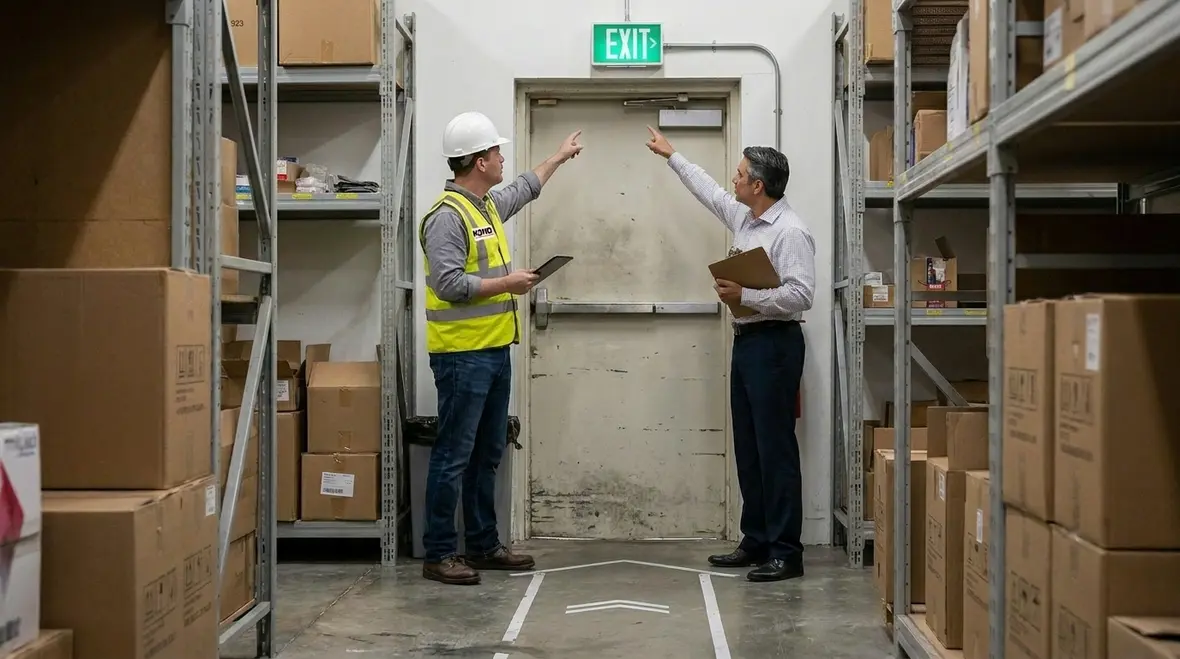
A strong audit starts with a plan. First, the auditor defines the site boundaries and the areas, systems, and activities to review. Then, they confirm the audit goals, such as verifying compliance, checking operational readiness, and identifying gaps in risk control.
Next, the audit team gathers background information. This often includes fire safety documentation, maintenance records, emergency plans, training logs, and any prior audit outcomes. After that, the audit focuses on what matters in the real world: how occupants behave, how controls are used, and how the site responds under pressure.
To keep the scope meaningful, AS 4655 fire audits usually require the process to reflect the facility’s actual layout and fire load conditions. For instance, a warehouse, a workshop, and a retail floor can face very different hazards. Therefore, a one size approach does not work, and the audit should match the site’s operations.
Scoping the audit to the way the site actually runs
This is where many audits either become useful or become wallpaper. A meaningful scope considers peak occupancy, contractor activity, high risk processes, storage changes, access restrictions, and any operational quirks that make the facility unique. A commercial office with a café tenancy has different pressure points from an industrial workshop with hot works and pallet storage. If the scope ignores those realities, the report may look tidy while missing the stuff that actually keeps people awake at 2 am.
What auditors check during on site assessments
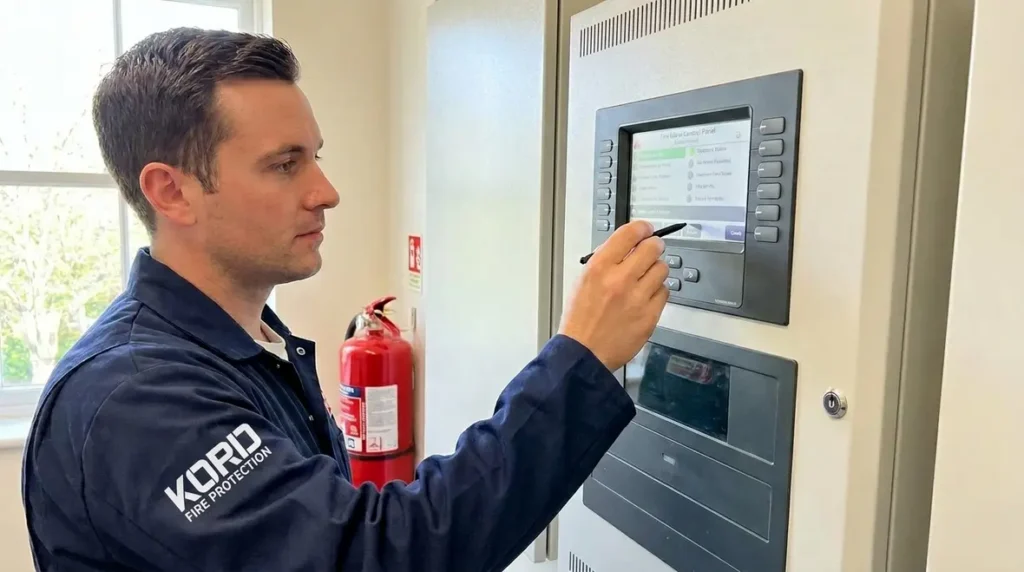
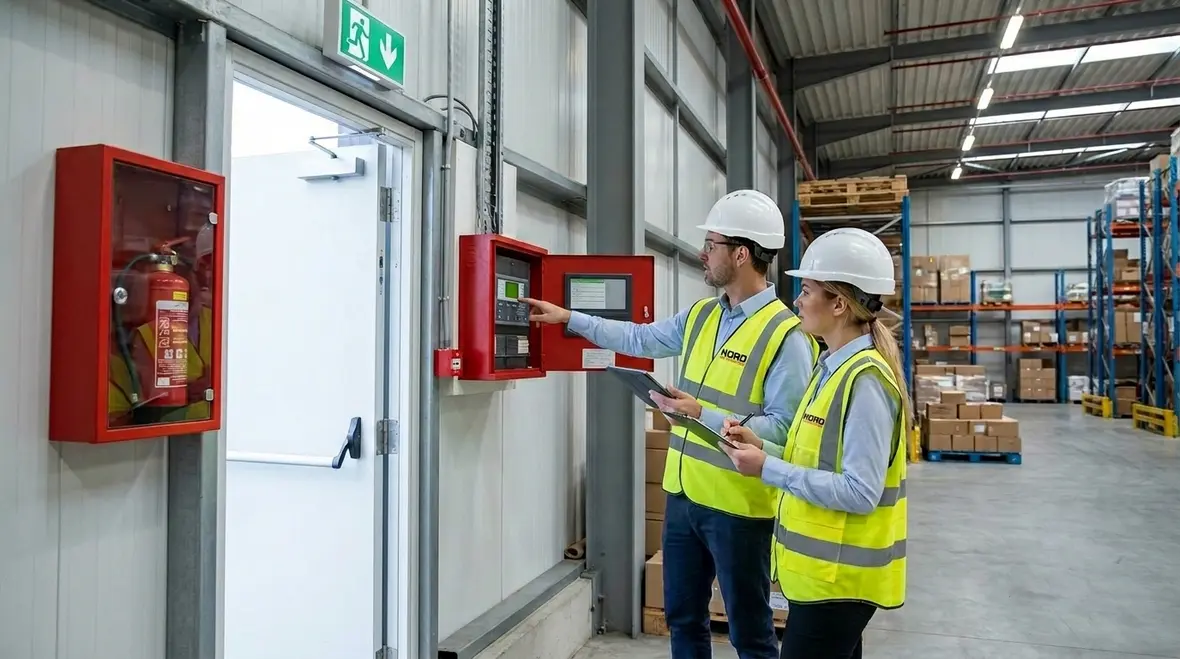
During site assessments, auditors evaluate fire safety measures against practical performance. They typically look at fire detection and alarm arrangements, emergency warning systems, and how occupants receive alerts. Then, they check emergency exits, evacuation routes, and whether wayfinding makes sense when people are stressed.
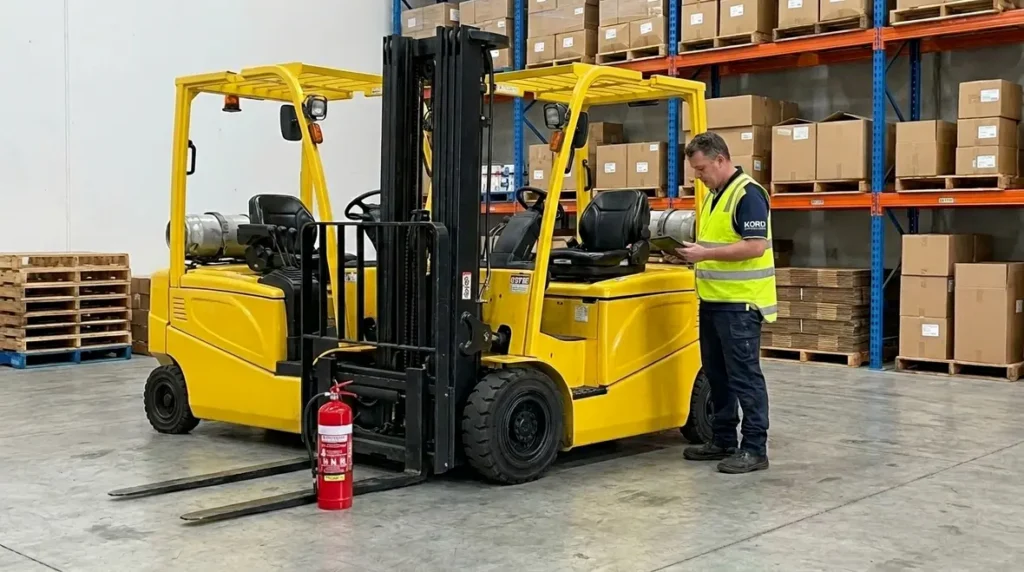
Equally important, auditors often examine fire suppression features, compartmentation, and fire doors. They also consider daily operational factors. For example, storage practices, the way waste is managed, and whether staff understand shutdown or evacuation triggers.
Additionally, the audit checks housekeeping and changes in occupancy. When retail spaces add pop up displays, or industrial areas shift storage heights, risk changes quietly. So, the audit must capture what the site looks like during operation, not just what plans say in a folder.
In a way, it is like pop culture safety training. Nobody wants the lecture, but everyone benefits when the lesson prevents chaos later. And unlike that one sitcom character who ignores every warning sign, fire safety demands action.
Common issues that appear during inspections
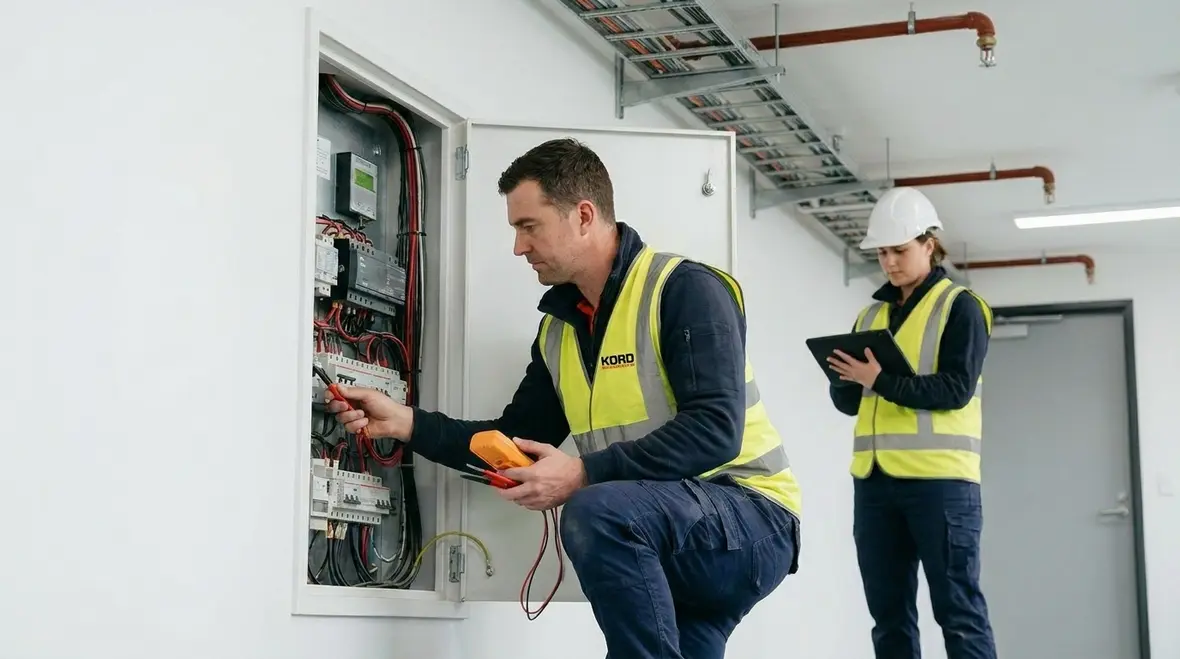
Some findings are dramatic, but most are deceptively ordinary. Exit doors that are hard to open. Fire doors wedged for convenience. Alarm interfaces that staff do not fully understand. Storage creeping too close to critical equipment. Emergency diagrams that belong to a layout from three fitouts ago. These are not glamorous discoveries, but they are exactly the kinds of issues that turn a minor incident into a dangerous one if left alone.
Fire risk controls, evidence, and documentation that stand up
AS 4655 fire audits do not stop at observation. They focus on evidence and how risk controls are supported. Therefore, findings need to be linked to what was seen, what was reviewed, and what it means for safety and compliance.
Good audits also explain priorities. When a control fails, the consequence can vary. For that reason, auditors typically identify issues by risk level and the likely impact on people, property, and continuity of operations. Then, the report should recommend actions that can be implemented, not just criticism that fades into the void.
From a documentation perspective, the report should be clear enough for leadership to make decisions. It should help a facilities manager understand what to fix, who should action it, and what proof they will need later. Moreover, AS 4655 fire audits help create a repeatable improvement cycle, where the next review builds on what was already learned.
This is where Kord Fire Protection becomes a vital partner. After the audit, teams often face a common problem. The report is detailed, but implementation needs speed, coordination, and technical clarity. Kord Fire Protection supports corrective action by aligning practical fire services with the audit outcomes, so the organisation does not stall between paper and people.
What strong evidence looks like after the audit
Useful evidence is specific, organised, and easy to retrieve later. That might include marked up inspection records, photos tied to findings, maintenance reports, contractor service records, training attendance logs, and confirmation that rectification works were completed and checked. In plain terms, if somebody asks, “How do you know this issue was fixed?” the site should be able to answer without launching a treasure hunt through six inboxes and a drawer full of mystery paperwork.
Finding the right actions after audit outcomes are delivered
Once AS 4655 fire audits are complete, the facility must turn findings into action. First, teams should confirm which actions are urgent, which are important, and which can be scheduled. Then, they should assign ownership and set timelines that match risk and operational constraints.
Next, the facility should address root causes, not only symptoms. For instance, if emergency exits are blocked during peak activity, the fix may involve both housekeeping and staff procedures, not just signage. Similarly, if training records show gaps, the solution may include refresher programs and clearer responsibilities.
Also, facilities should plan how they will verify that actions worked. That might include functional testing, inspections after maintenance, or documented evidence that controls have returned to a safe state.
And this is where Kord Fire Protection can help the most. Kord Fire Protection can work alongside facilities teams across industrial, retail, and commercial sites to implement corrective actions with a clear handover of evidence. In other words, the audit does not end when the report is printed. It continues until controls are operating properly, and the organisation can demonstrate that progress.
Turning findings into a workable action plan
A sensible action plan balances urgency with practicality. Not every issue carries the same consequence, and not every fix needs to happen in a panic. What matters is sequencing. High risk items should move first, dependencies should be identified early, and evidence should be captured as work is completed. That approach keeps the site moving forward without the whole process collapsing into a heroic spreadsheet that everybody fears and nobody updates.
Why organisations choose a partner like Kord Fire Protection
Facilities often assume they can run audits and repairs internally. Sometimes that works. Yet in many cases, it becomes a juggling act between production schedules, access limits, and competing priorities. Then, the audit becomes a management project, rather than a safety outcome.
Kord Fire Protection helps reduce that friction. The company brings practical fire protection expertise and a service mindset that suits real sites across Australia. Therefore, when an organisation commissions AS 4655 fire audits, it can also plan for what comes next, such as addressing issues across detection, alarm, emergency systems, and related fire safety controls.
Moreover, Kord Fire Protection supports the idea that safety is not a one time event. Instead, it becomes an ongoing program that supports compliance and reduces risk over time. In short, Kord Fire Protection becomes the bridge between audit findings and dependable fire protection work.
FAQ
Conclusion
AS 4655 fire audits help industrial, retail, and commercial facilities in Australia understand risk, document evidence, and plan actions that actually reduce harm. Yet the value only becomes real when findings turn into verified controls and ongoing improvement. Kord Fire Protection can help your team move from audit report to measurable outcomes, with clear communication and practical fire protection work. Reach out to Kord Fire Protection to align your next audit with the fixes your site needs, on time, and with confidence.