AS 2118.4 Residential Fire Sprinkler Compliance Guide
Quick Answer
AS 2118.4 guides how residential fire sprinkler systems work, from design and installation to ongoing maintenance. In practice, it sets expectations for safety, water supply, and inspection routines. Kord Fire Protection can partner with building owners, contractors, and facilities teams to deliver compliant, reliable sprinkler performance.
Fire safety codes can feel like a boring spreadsheet that learned karate. Yet AS 2118.4 is not meant to intimidate anyone. It provides a clear way to plan, install, and manage residential fire sprinkler systems so they perform when they matter most. In this article, our company, Kord Fire Protection, explains the practical meaning of AS 2118.4, and how our team can become a vital partner across Australia for industrial, retail, commercial, and facilities stakeholders who manage risk every day.
For organisations that also need support beyond residential compliance, Kord Fire Protection provides broader fire protection services that fit naturally into installation planning, testing, and long-term maintenance programs.
What AS 2118.4 actually demands for sprinkler performance
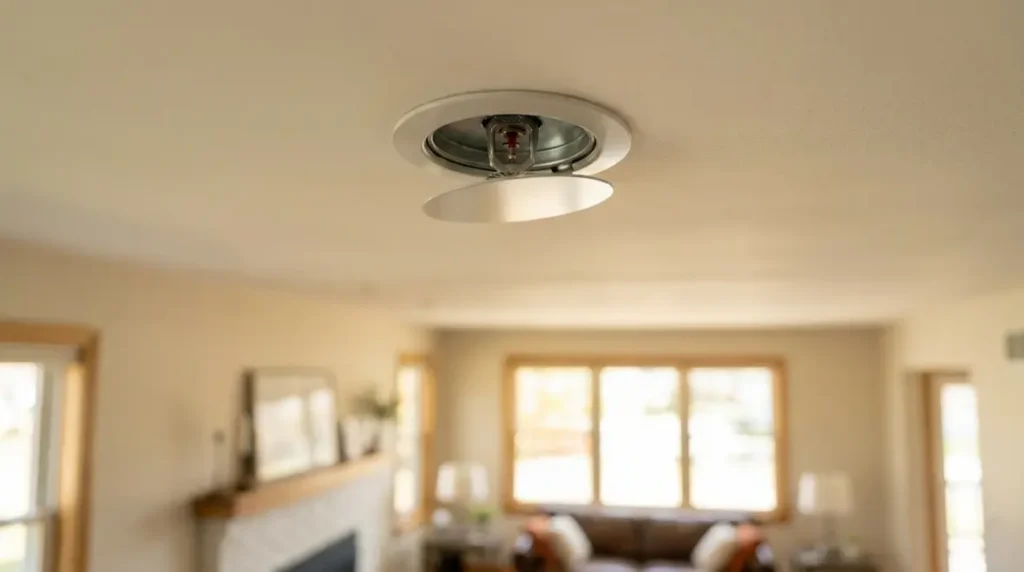
AS 2118.4 residential sprinkler systems focus on ensuring water reaches the right place fast, with the right pressures and reliable components. Therefore, designers and installers do not just fit sprinklers and hope. They verify that the system can operate as intended across real conditions like pipe runs, elevation changes, and water supply limitations. At the same time, the standard expects a consistent approach to workmanship and acceptance testing.
In plain terms, it pushes the industry toward predictable outcomes. And since predictions beat panic, that is a good thing. Moreover, when organisations later face audits, insurer questions, or maintenance reviews, the standard gives a shared reference point for evidence and compliance.
Even for stakeholders who do not own a single home, the logic still matters. Commercial sites often use similar principles, shared components, and inspection workflows. So when teams understand AS 2118.4 residential sprinklers, they bring a more mature safety mindset to every asset class.
Key design and installation factors behind compliant systems
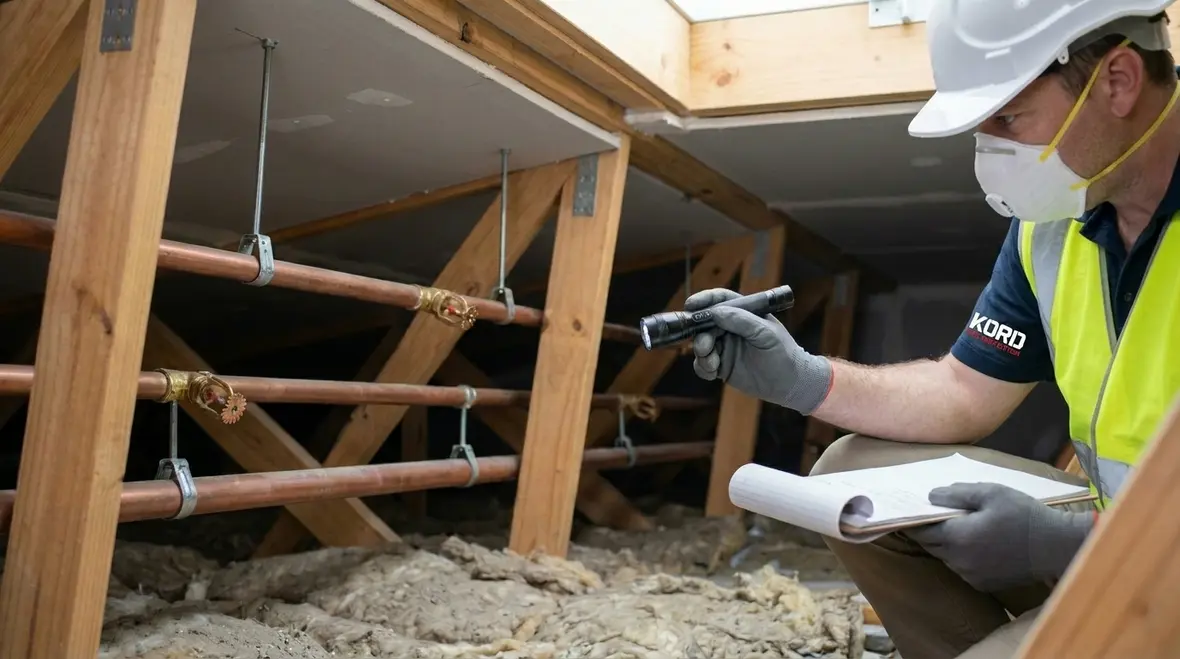
To meet AS 2118.4 requirements, teams must address several linked elements. First, they must confirm the water supply can deliver adequate flow and pressure for the system. Next, they must design pipe sizing and routing so water distribution reaches each protected area without starving distant branches. Then, they must select the correct sprinkler type and spacing for the layout, because coverage is not a best effort sport.
During installation, attention to detail matters. For example, workmanship affects reliability, and reliable systems protect lives. If a valve, fitting, or joint fails, the entire chain suffers. Consequently, installers need to follow the approved plan, maintain correct orientation and clearances, and use proper sealing methods where required.
Also, service accessibility is not a cosmetic feature. It helps technicians test and inspect components without dismantling half the building. Additionally, it supports faster fault finding when a problem appears, which it always does, usually at the least convenient time.
Why design discipline matters before the first pipe is fitted
A compliant sprinkler system starts long before tools come out of the van. Drawings, hydraulic assumptions, equipment selection, and installation sequencing all shape the final result. When teams skip or rush those steps, they usually pay for it later through variations, delays, or awkward rework that nobody enjoys funding. A measured design process makes installation smoother, testing more predictable, and documentation easier to defend.
How water supply, zoning, and acceptance testing fit together
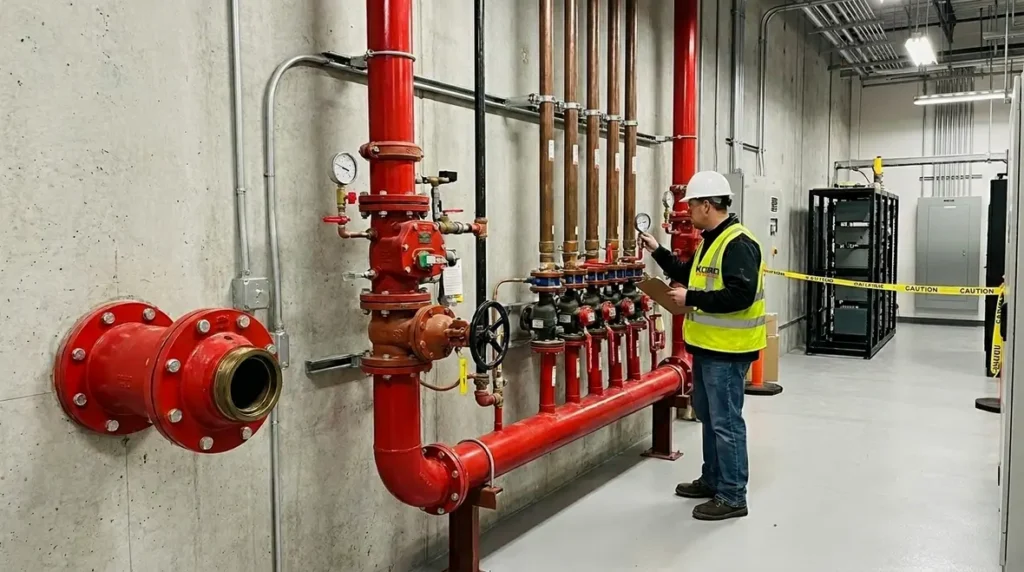
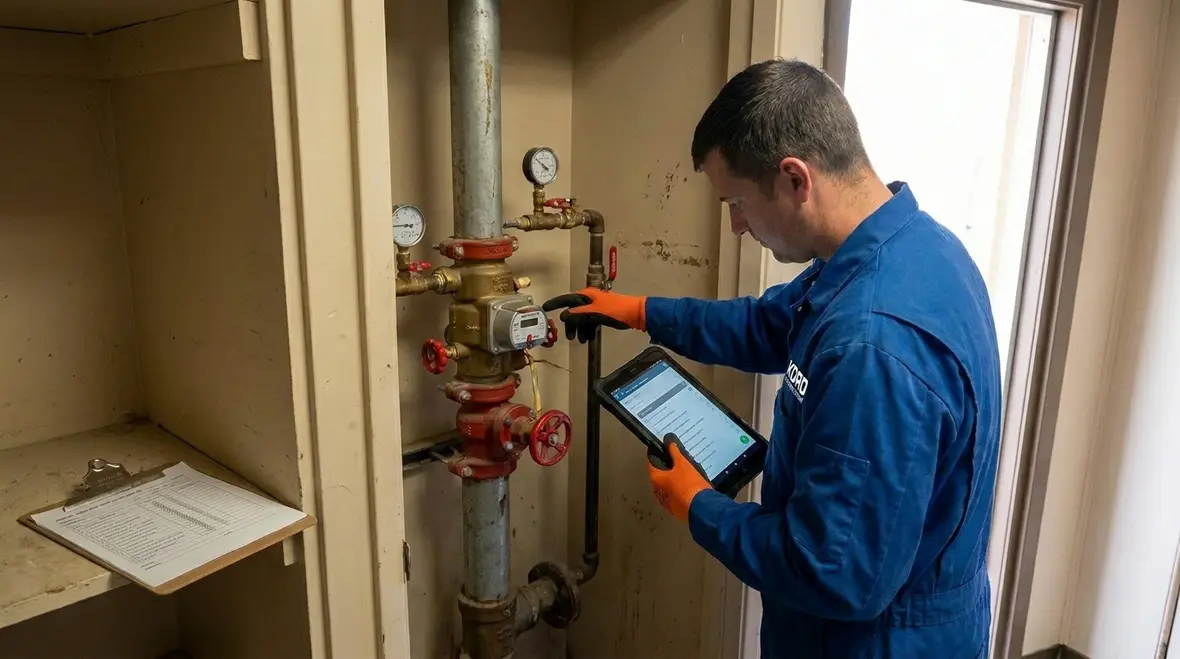
Most failures do not start at the sprinkler head. Instead, they start upstream, in water supply assumptions or commissioning gaps. AS 2118.4 residential sprinkler requirements typically rely on correct system setup, verification, and documentation. Therefore, acceptance testing plays a central role. It confirms that valves operate, water actually flows as expected, and the system characteristics match what the design intended.
Zoning and compartment protection also matter, because sprinkler systems should respond in a controlled way rather than acting like the building’s entire fire alarm system decided to take a nap. Proper zoning supports targeted operation and limits water damage in the real world.
For facilities across Australia, teams often need to coordinate with multiple parties, including service contractors, builders, and maintenance providers. As a result, clear test results and compliant sign off become valuable evidence. They reduce downtime, prevent rework, and help keep operations moving when the site has customers, staff, or ongoing production.
Commissioning is where theory meets the real building
A system can look excellent on paper and still disappoint in practice if commissioning is weak. Acceptance testing is the moment where assumptions get challenged by reality. Water supply, valve response, pressure behaviour, alarms, and overall coordination need to prove themselves under conditions that reflect actual use. If something is wrong, commissioning is the best time to find it, preferably before occupants move in or operations begin and everybody suddenly becomes very interested in whose problem it is.
Ongoing maintenance and inspections that keep systems ready
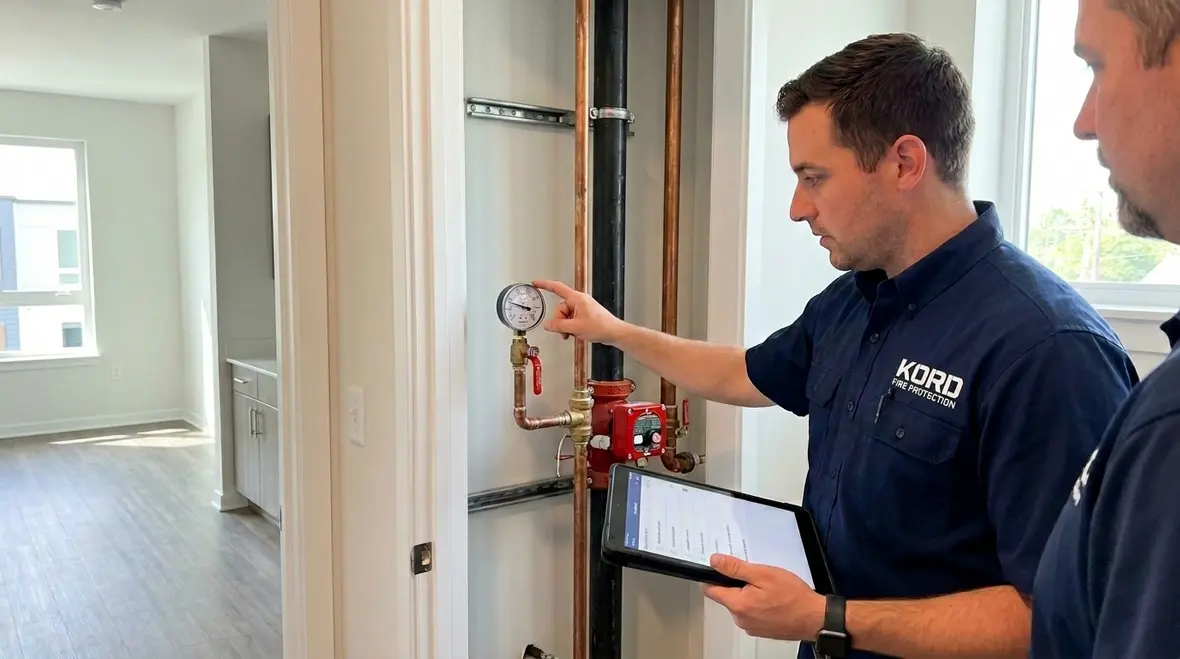
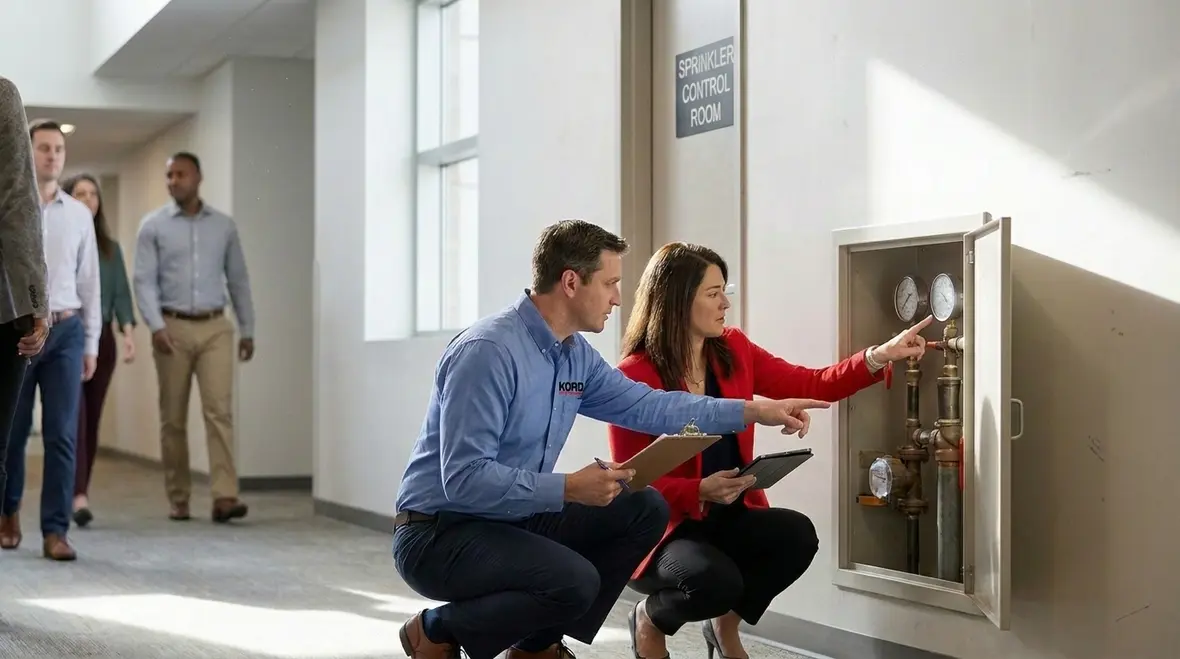
Even a perfect install can drift into failure if nobody checks it. Accordingly, AS 2118.4 residential sprinklers are supported by ongoing inspection and maintenance practices that verify operational readiness over time. That means routine checks of alarms, valves, water supply status, and visible system condition. It also means keeping records so stakeholders can demonstrate compliance across inspections.
Maintenance should not become a tick the box and move on task. Instead, good service identifies issues early, such as corrosion, physical damage, tampering risk, leaks, or component deterioration. When maintenance teams catch defects sooner, the cost and disruption stay lower.
Here is where Kord Fire Protection can step in as a vital partner. Our team supports industrial, retail, commercial, and facilities managers by coordinating maintenance schedules, providing clear reporting, and aligning service work with site operations. Therefore, your teams get fewer surprises and more control over risk. And yes, fewer surprises beats finding out your sprinkler system decided to retire early. Like a superhero, it should show up on time.
Integrating residential sprinkler compliance into multi site operations
Many organisations run portfolios with mixed building types. While AS 2118.4 residential sprinkler systems apply to residential configurations, the skills and compliance discipline transfer to other projects. Specifically, the same mindset supports consistent documentation, verification steps, and inspection planning. As facilities teams handle multiple assets, that consistency reduces confusion and supports better decision making.
Moreover, Kord Fire Protection helps organisations connect the dots across jurisdictions, contractors, and asset owners. When a retail precinct includes upgrades, or an industrial facility expands, the sprinkler approach must remain coherent. That means managing design updates, ensuring inspections align with the approved documentation, and keeping ongoing records in a way that supports audits.
If a facility team wants a clear pathway, we recommend a simple structure: plan the work, confirm the water supply and system layout, commission correctly, and then maintain based on risk and requirements. Then you repeat that cycle with confidence, not chaos.
Consistency matters more when the asset portfolio grows
A single compliant building is useful. A repeatable compliance process across a portfolio is far more powerful. Multi site operators need service histories, testing records, defect reporting, and maintenance scheduling that do not fall apart the moment a contractor changes or a handover gets messy. Standardised routines help management teams compare assets, prioritise upgrades, and answer audit questions without scrambling through twelve versions of the same spreadsheet.
Why Kord Fire Protection helps organisations meet obligations
Compliance is not just a document. It is a service outcome. Kord Fire Protection supports stakeholders who need reliable fire safety systems without the drama. We take a practical approach to AS 2118.4 residential sprinkler concepts, and we help teams coordinate installation verification, commissioning support, and maintenance programs that keep systems ready.
What teams typically need
- Clear compliance evidence for inspections
- Reliable testing and commissioning coordination
- Maintenance planning that fits site operations
- Fast issue identification and reporting
How Kord Fire Protection supports you
- Structured service and inspection routines
- Documentation that supports stakeholders
- On site coordination across trades
- Practical recommendations for risk reduction
So when organisations need a partner who understands both the technical and the operational side, we bring calm, methodical execution. In fire safety, calm wins. The fastest response is the one that was prepared in advance.
FAQ about AS 2118.4 residential sprinkler systems
Call Kord Fire Protection for a compliant, dependable path forward
If your organisation manages industrial, retail, commercial, or facilities assets across Australia, you need fire protection partners who move with clarity and accountability. Kord Fire Protection can help you align sprinkler performance, evidence, and maintenance into one manageable program based on best practice and the principles behind AS 2118.4 residential sprinkler systems. Reach out today so we can review your current setup, reduce uncertainty, and help keep your fire protection ready for the moment it counts.