Fire Sprinkler Inspection Melbourne for Compliance and Safety
Quick Answer: Fire sprinkler inspection in Melbourne checks that sprinklers, valves, gauges, and alarms stay ready when heat rises and stress hits. Common problems include blocked heads, incorrect coverage, leaky test lines, and overdue records. Inspections also reduce compliance risk, protect people, and keep businesses operating.
Facilities that want a broader maintenance view often also benefit from understanding how related systems are serviced through Australian fire sprinkler services, especially when inspection findings need fast follow-up across active commercial sites.
Why Fire Sprinkler Inspection Melbourne matters in day to day operations
For industrial, retail, and commercial facilities across Australia, fire sprinkler inspection Melbourne is not a box to tick. It is the difference between a system that activates as designed and one that hesitates, underperforms, or fails to deliver water where it must. Therefore, facilities teams need inspections that catch issues early, before they turn into costly shutdowns, insurance headaches, or regulator follow ups.
And yes, like a phone that only charges at a weird angle, fire systems do not always fail loudly. Sometimes they fail quietly, through tiny problems that pile up. So the goal is simple: confirm reliability, confirm compliance, and confirm records that stand up to scrutiny.
What inspectors check during a compliance focused visit
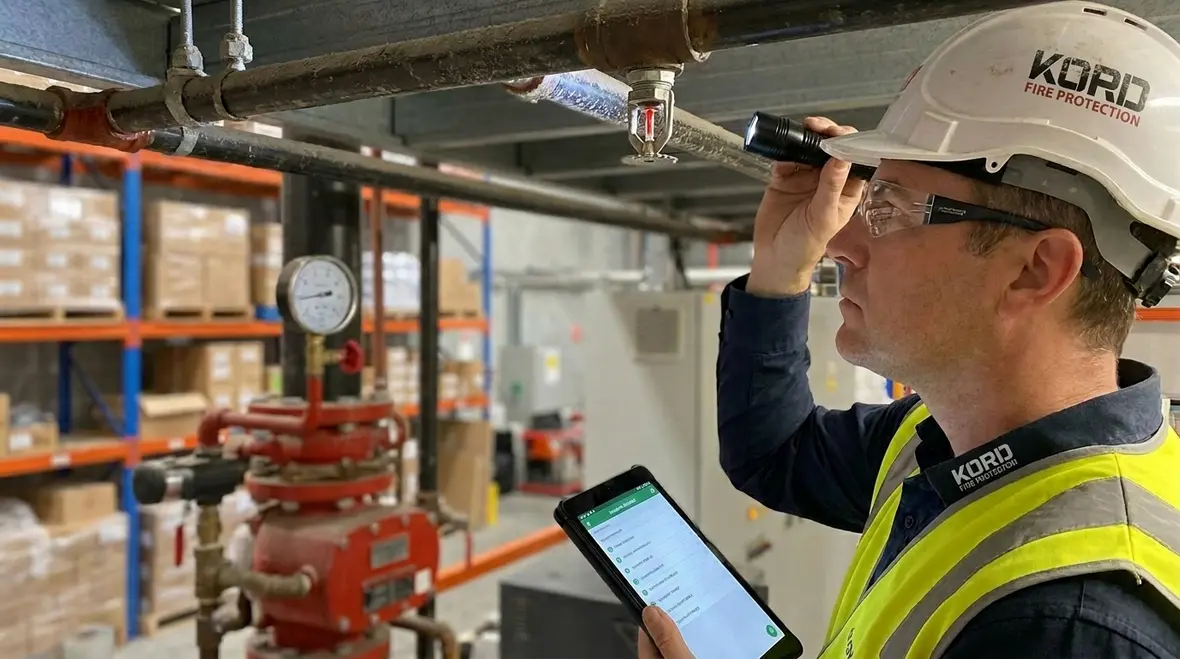
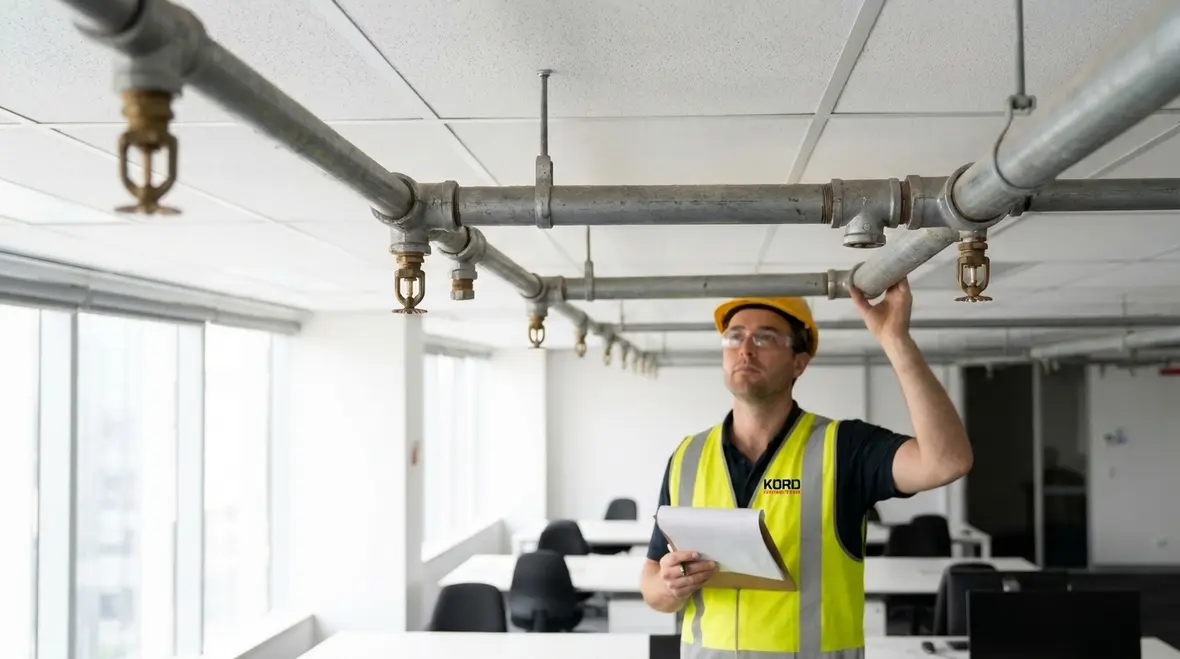
To keep systems dependable, inspectors typically review the full chain of sprinkler performance. First, they check physical condition. Then they test key components that trigger water flow and monitor system status.
Common inspection areas include:
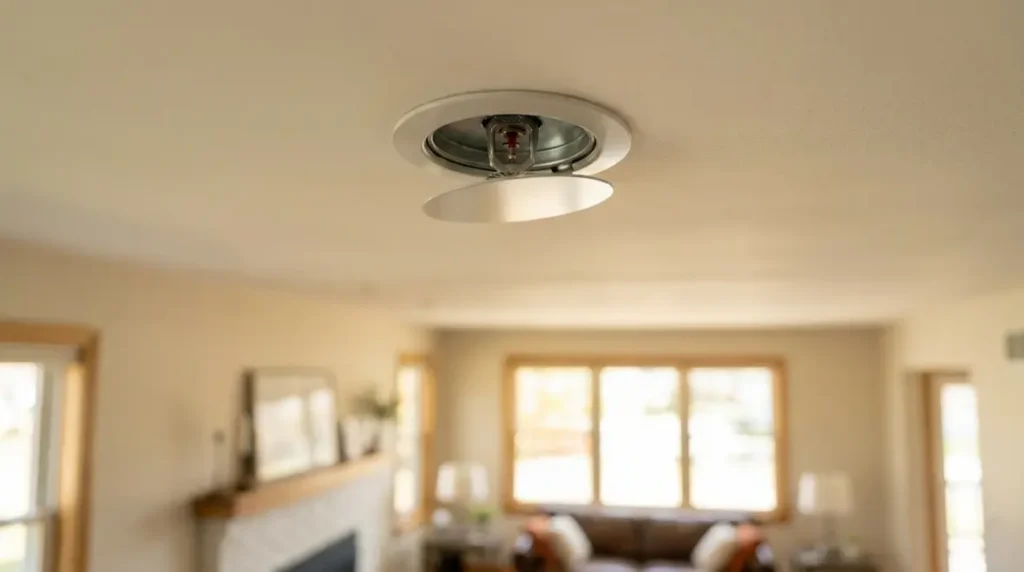
- Sprinkler heads and coverage: they look for paint, dents, corrosion, bends, missing caps, and signs of obstruction
- Pipework and hangers: they confirm correct support, signs of leaks, and movement that can change alignment
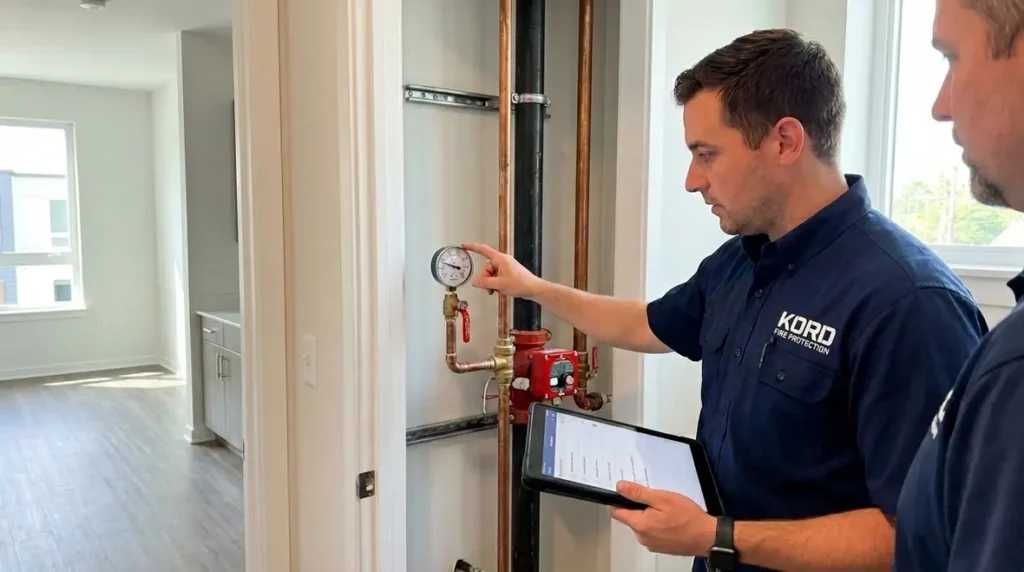
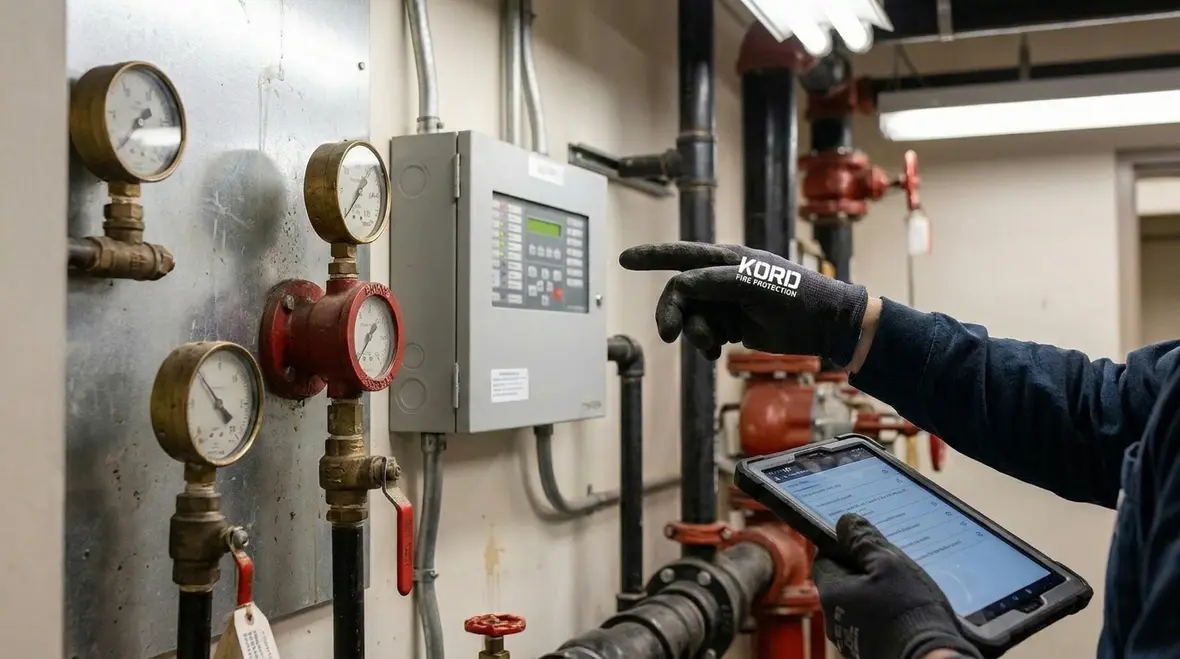
- Valves and gauges: they verify valves move freely, gauges read correctly, and monitoring devices report status
- Alarm and water flow devices: they confirm signals reach the right panel and that activation paths work
- Hydraulic and zoning information: they check that plans match what is built, including relevant changes from fit outs
Next, many facilities rely on documentation audits. Inspectors verify that test history, maintenance logs, and operational records exist, stay current, and remain consistent with the system configuration. In other words, the paperwork needs to behave like the hardware: reliable and traceable.
A good visit also checks whether the site still operates the way the original design expected. Warehouses change racking heights, retailers move displays, and plant rooms gradually collect extra services that no one remembers approving. None of that looks dramatic in the moment, but it can slowly reduce sprinkler performance until the system that seemed fine on paper becomes much less fine in the real world.
This is why structured inspections matter so much. They create a repeatable process for comparing what should be there against what is actually there. That gap is where risk tends to hide, usually in plain sight and usually beside something everyone walked past ten times already.
Common issues found in commercial and retail sprinkler systems
Problems rarely show up as one big disaster. Instead, they appear through day to day wear, renovations, and maintenance shortcuts. Here are the issues that show up most often in commercial and retail settings.
1) Obstructions and wrong clearances
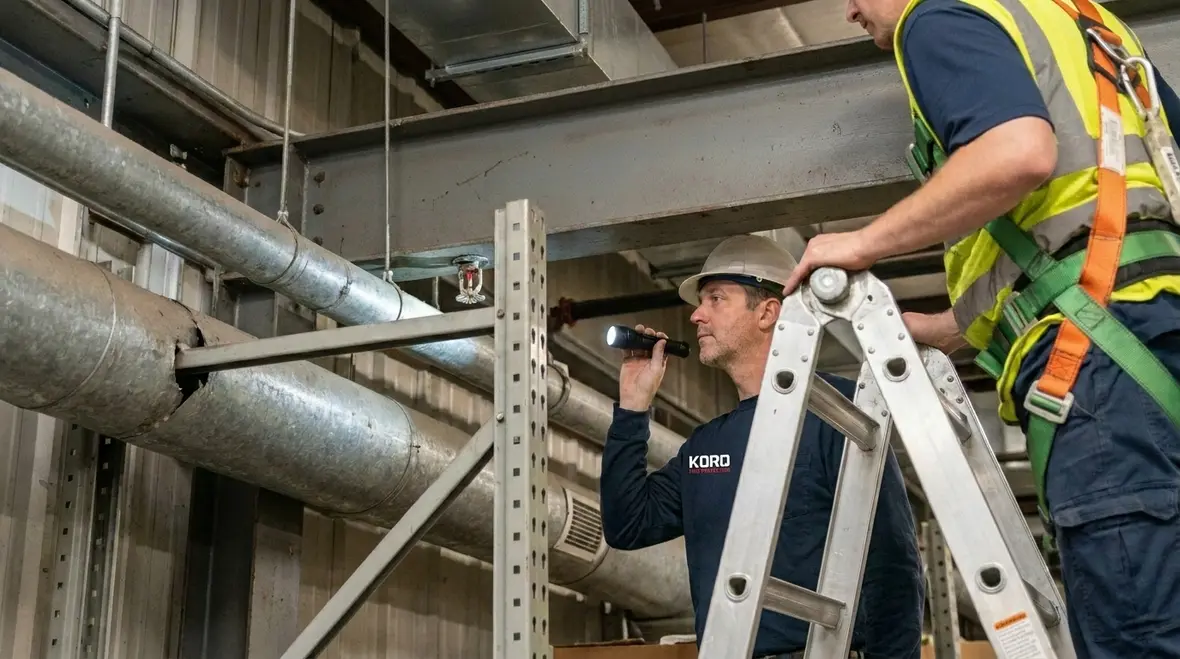
Sprinklers are sensitive to their environment. Racking in warehouses, ducting in fit outs, signage, and even stored stock can interfere with spray patterns. If a sprinkler head sits too close to a beam or gets blocked by a new shelf, the system may not cover the fire the way design intended.
2) Mechanical damage and contamination
Sprinklers can get bumped during maintenance, painting, cleaning, or tenant works. Dust and small debris can also interfere with components that need to move freely. While it sounds minor, even small damage can reduce reliability when heat acts fast.
3) Valve and pressure issues
Valves can be left in the wrong position after trades work. Pressure readings can drift due to system changes or unnoticed leaks. Then, when an emergency arrives, water delivery can fall short of design assumptions.
4) Test routines that do not match the system
Some sites perform partial tests or outdated procedures, especially after staffing changes. As a result, test outcomes can look normal while hidden faults remain undetected, like a good alarm test that never checks real water flow.
Another common issue is simple drift between teams. One contractor updates a layout, another completes maintenance, and someone else files the paperwork in a place that may or may not be discoverable before the next audit. That is how facilities end up with a system that is partly compliant, partly uncertain, and fully annoying.
Compliance risks that cost facilities real money
When a facility falls behind on inspections or misses key defects, the risk is not just technical. It becomes operational and financial. Regulators and insurers expect evidence that a system is maintained and checked at appropriate intervals, and that testing reflects the actual installed arrangement.
Here are compliance risks that often escalate:
- Outdated inspection records: missing certificates or inconsistent log entries
- Unreported deficiencies: issues identified but not resolved, or deferred without a risk plan
- System mismatch after upgrades: fit outs and tenant works change layouts, and plans stop matching reality
- Inadequate testing: partial tests that do not verify alarm and water delivery pathways
Moreover, compliance failures can trigger costly remediation, increased premiums, or forced shutdowns of high risk areas. And nobody enjoys the surprise meeting after-hours, especially when the only thing they should be doing is closing the register, not closing the site.
Strong inspection programs reduce those headaches because they create evidence as well as outcomes. If a site can show what was checked, what was found, what was fixed, and when it was closed out, it is in a far better position than a site relying on memory, scattered emails, and a suspiciously optimistic spreadsheet.
How Kord Fire Protection partners with the inspection job
Our company, Kord Fire Protection, supports facilities that want more than a quick checklist. In practical terms, Kord Fire Protection becomes a vital partner by helping businesses manage the whole lifecycle from inspection readiness to correction and documentation that holds up under scrutiny.
First, Kord Fire Protection coordinates inspections with site realities such as access constraints, ongoing operations, and multi tenancy schedules. Then, it focuses on clarity. Instead of vague findings, it identifies what needs attention, why it matters, and what action reduces risk fastest.
Additionally, Kord Fire Protection strengthens compliance outcomes by keeping records organised and aligned with the installed system. Therefore, when questions arise from audits, insurers, or authorities, the facility can respond with confidence rather than scrambling. The fire system stays reliable, and the business stays focused.
Finally, there is value in being proactive. Kord Fire Protection helps facilities reduce repeat issues by tracking trends, such as recurring obstruction causes or repeat valve problems after maintenance. In short, Kord Fire Protection helps the inspection process deliver real safety and real operational peace.
That partnership approach matters because inspections are rarely isolated events. They connect to maintenance planning, contractor coordination, tenant communication, and budget decisions. When those pieces are handled together, sites spend less time reacting and more time staying ready.
Planning inspections that reduce downtime and surprises
Good inspection outcomes come from planning. Facilities can avoid disruptions by aligning inspection windows, preparing access, and ensuring the right stakeholders join the conversation. When the work is scheduled well, the inspection becomes a controlled process instead of a rushed scramble.
Practical steps include:
- Confirm system details: latest drawings, zoning changes, and recent fit out work
- Prepare access routes: ensure platforms, ladders, and service spaces remain safe and open
- Notify affected teams: housekeeping, maintenance, and tenancy managers need clear instructions
- Review prior findings: check what failed last time and whether the same conditions exist now
- Plan remediation quickly: fix urgent issues first, then schedule non critical items
And if a facility thinks it can just wait until next year, it should remember that next year is exactly when the fire event also might decide to show up. So better to catch issues now, while the system is quiet and the consequences are manageable.
Preparation also makes the inspection itself more useful. When drawings are current, access is arranged, and previous findings are on hand, the team can spend more time solving real problems and less time hunting for keys, chasing approvals, or debating whether that valve was always like that.
FAQ
Call Kord Fire Protection for inspection support in Melbourne
Businesses across Australia need reliable systems, not guesswork. Kord Fire Protection helps facilities complete fire sprinkler inspection Melbourne with clear findings, practical remediation, and documentation that stands up to audits. If the site has recent fit outs, recurring faults, or overdue records, now is the time to act. Contact Kord Fire Protection to schedule an inspection and secure dependable coverage for the next emergency, not the next deadline.