Strata Fire Sprinkler Maintenance Sydney for Compliance
Quick Answer
Strata fire sprinkler maintenance in Sydney keeps shared commercial systems ready when it matters. It covers inspections, testing, cleaning, and compliance checks so sprinklers and alarms work as a coordinated team. For strata and facility managers, the goal is simple: fewer failures, faster repairs, and documented confidence for audits.
Strata fire sprinkler maintenance in Sydney: what it really protects
In Sydney, strata fire sprinkler maintenance is not a “tick the box” task. It is a safety process that protects people, businesses, and property in mixed-use and shared assets. These systems sit in hallways, plant rooms, car parks, and service areas like quiet guards who never clock out. And yet, like any guard, they need oversight.
Sprinklers do not just activate by luck. They rely on correct pipe pressure, unobstructed heads, stable water supply, clean strainers, working valves, and alarms that report status on time. Therefore, our company, Kord Fire Protection, helps strata committees, building owners, and facilities teams keep that protection dependable. In other words, when the system is maintained well, the whole building behaves like it knows what to do.
Yes, water is the star of the show, but people make the show run smoothly. Maintenance planning, records, and coordination matter just as much as the equipment. For broader system support across shared assets, Australian fire sprinkler services can fit naturally into a long-term compliance strategy.
How maintenance works across strata and commercial buildings
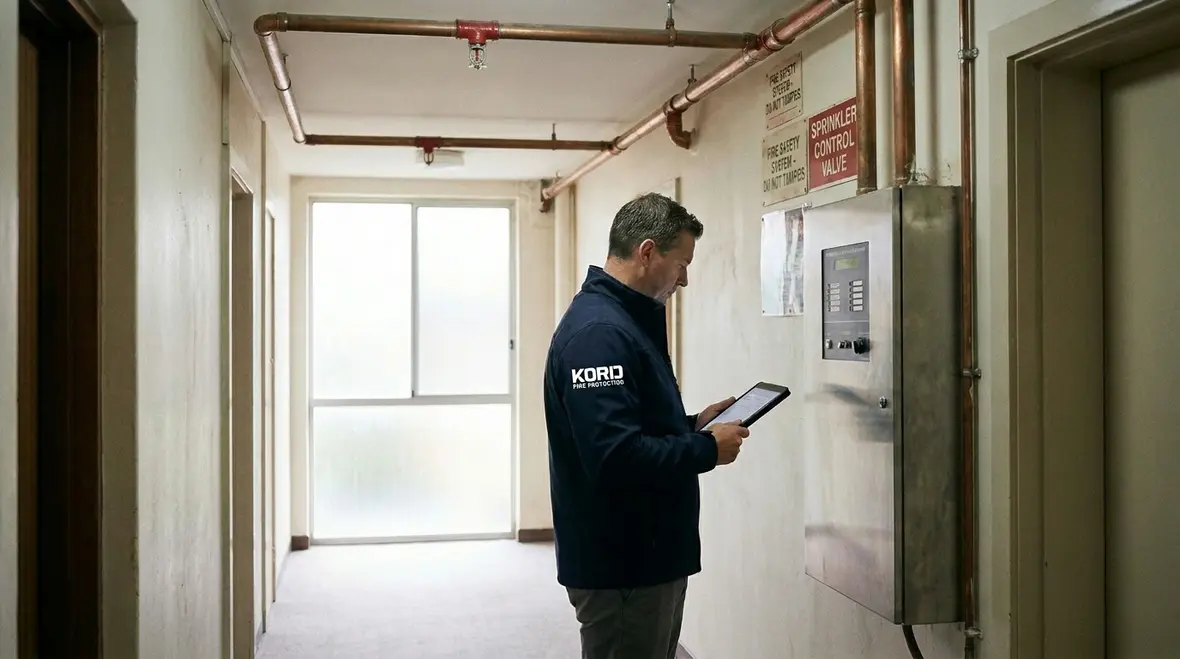
Most strata arrangements in Sydney include multiple tenancies and shared services. Consequently, the sprinkler system may connect to common risers, fire pumps, isolation valves, and zone controls. A proper approach treats the building like one connected network, not a pile of separate parts.
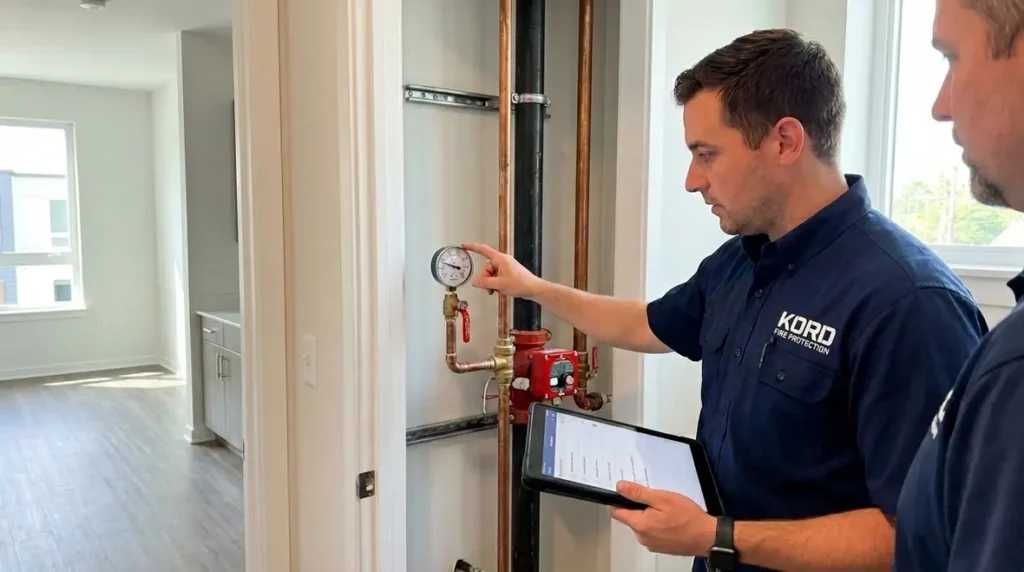
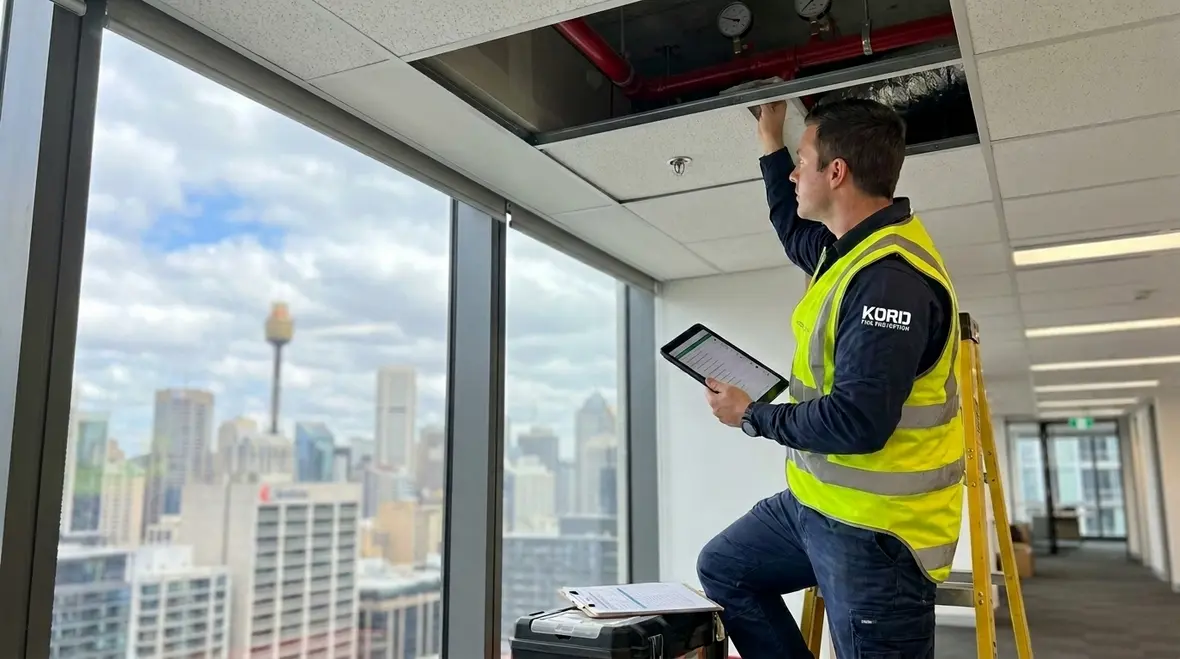
A strong strata fire sprinkler maintenance program typically includes scheduled inspections and targeted checks, such as:
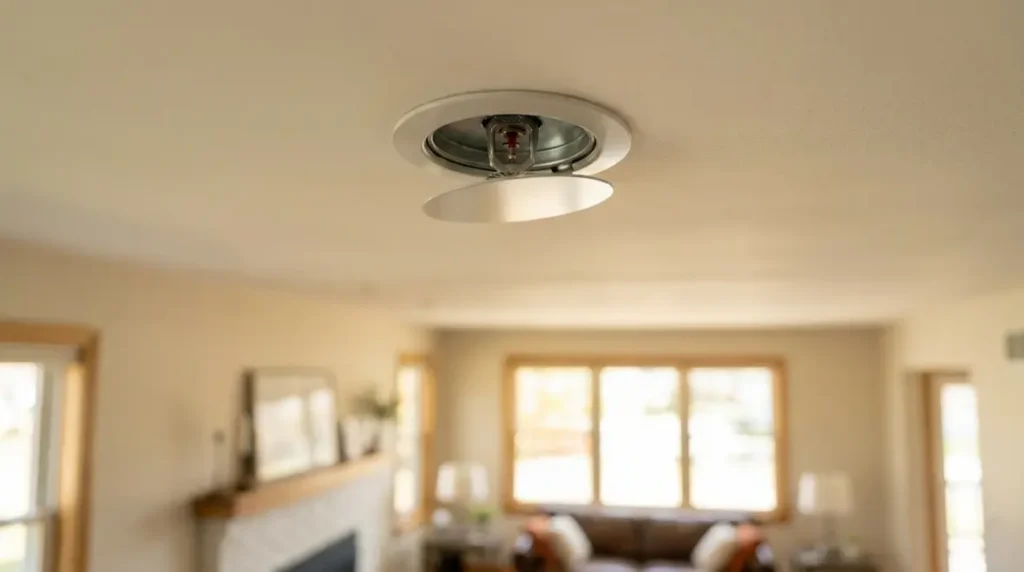
- Visual inspections of sprinkler heads for damage, paint overspray, corrosion, and obstructions
- Operational testing of valves and monitored components to confirm correct status reporting
- Water flow and pressure checks where required, to verify the system can deliver design performance
- Cleaning and strainers where applicable, so debris does not slow the system down
- Record keeping with clear reports for strata committees, asset owners, and auditors
Meanwhile, the real world adds curveballs. Tenancies change, contractors enter service areas, and sometimes “temporary” storage becomes permanent. Then you get a sprinkler head wearing a bucket as a decorative hat. Maintenance helps catch these issues before they become an expensive punchline.
Why shared systems need a coordinated approach
Because strata buildings combine common areas with tenant-controlled spaces, even a small change in one tenancy can affect the bigger picture. A blocked head in a back-of-house corridor, an isolation valve left in the wrong position after service, or signage added too close to discharge areas can create ripple effects no one notices until a check is carried out. That is why coordination matters. The system does not care which tenancy made the change. It only responds to whether every part is ready.
Common faults that slow systems down when they are needed most
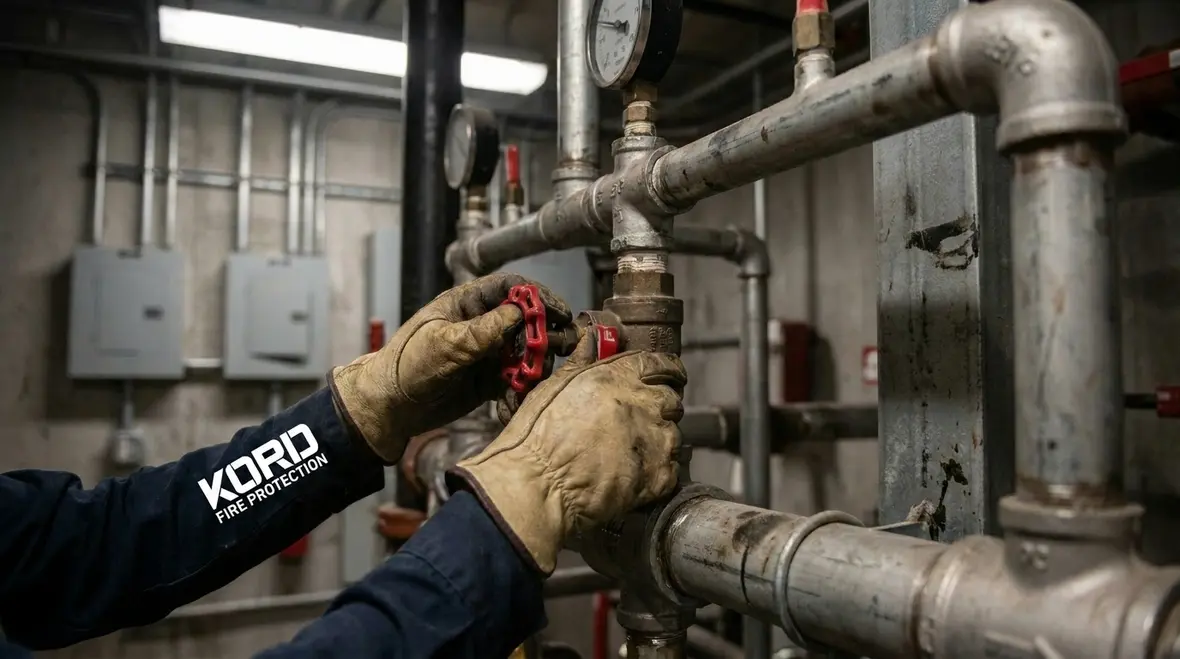
Fire safety teams often hear the same story: “We thought it was fine.” However, many failures start small and grow quietly over time. In strata and commercial facilities, the risk is not always that sprinklers fail outright. Instead, performance can degrade.
Here are faults that maintenance programs are designed to detect early:
- Blocked or altered sprinkler heads from renovations, signage, or ceiling works
- Incorrect valve positions after service activities, leading to reduced flow or isolated zones
- Corroded pipework and reduced hydraulic performance that may not show up in simple visual checks
- Air or water supply issues affecting pressure stability
- Faulty alarm interfaces where signals do not match system status
To make it practical, maintenance teams must review history, look at building changes, and connect the dots between events. For example, a recent fit out might have rerouted services that impact clearances. Therefore, Kord Fire Protection builds a maintenance approach that considers how the building behaves today, not just how it behaved at handover.
And yes, the system can survive a lot, but it should not rely on stamina. Fire safety works best when everything is verified, not guessed.
Small defects have a talent for becoming big problems
This is the part where routine maintenance quietly earns its keep. Tiny issues like grime on a component, minor corrosion, missing signage, or a questionable clearance do not usually announce themselves with dramatic music. They just sit there, getting more expensive. Catching them early means repairs stay manageable, disruption stays lower, and committees are not forced into last-minute decisions that feel like they arrived from nowhere.
Compliance, documentation, and audit-ready reporting for Sydney teams
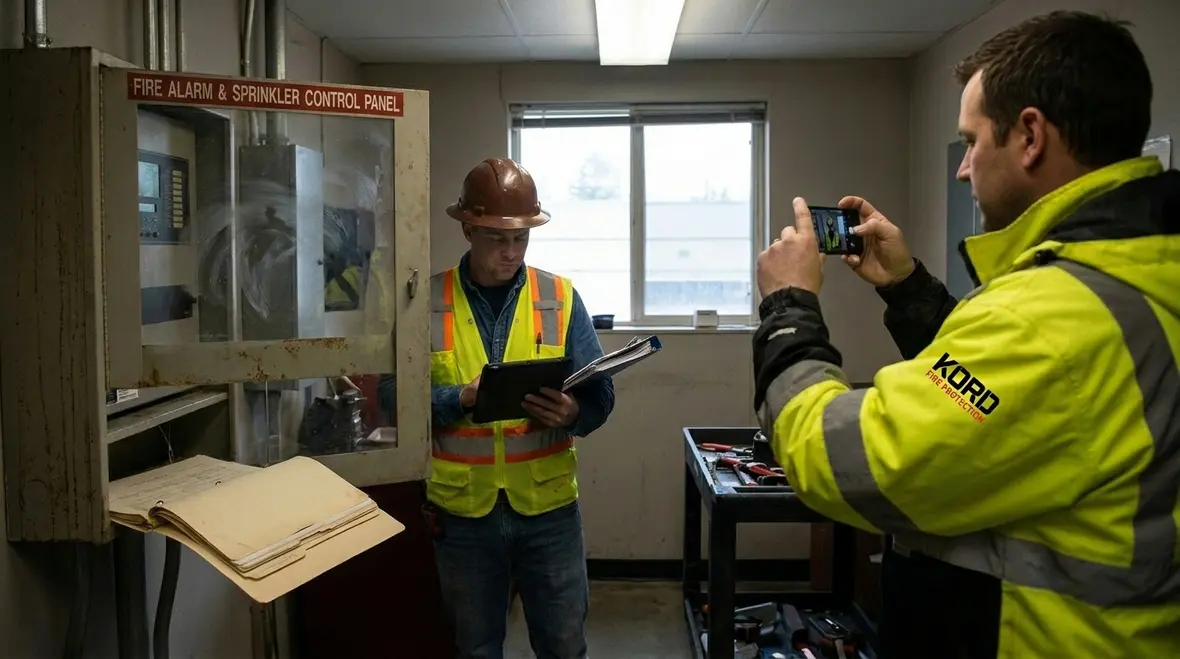
Facilities teams in retail, industrial, and commercial environments often juggle audits, tenant turnover, and asset planning. Consequently, they need documentation that is clear, consistent, and ready to share. Maintenance without records does not help much when someone asks, “Where is the proof?”
For strata environments, the documentation also matters for decision making. Committees want to know what was checked, what was found, what was fixed, and what remains. Therefore, an effective strata fire sprinkler maintenance workflow includes:
- Inspection schedules aligned to service requirements
- Defect identification with priority grading so repairs do not wait in limbo
- Photo evidence where useful, so findings make sense to non-technical stakeholders
- Test results and follow-up actions tracked to completion
- Clear handover packs that building managers can file quickly
At this point, our company, Kord Fire Protection, acts like the calm administrator at the back of the room. The job gets done, the paperwork stays tidy, and the team does not drown in spreadsheets. That is not glamorous, but neither is a system failure. Business casual is great, but disaster casual is not.
Reporting that actually helps people act
Good reporting is not there to look impressive in a folder. It should help building managers, strata committees, and site teams understand what needs attention now, what should be monitored, and what can be planned sensibly. Clear language matters. Priorities matter. Timing matters. When records are easy to follow, decisions get made faster, repairs are less likely to stall, and everyone spends less time translating technical notes into plain English.

Maintenance planning that fits industrial and retail realities
Industrial and retail spaces have a different rhythm than office towers. Deliveries happen early, contractors arrive often, and equipment creates airflow and dust. As a result, maintenance should account for actual site conditions rather than generic assumptions.
For example, in industrial facilities, storage layouts and dust levels can influence the cleanliness and visibility of sprinkler heads. In retail, refurbishments and temporary displays can shift clearances. Therefore, Kord Fire Protection typically recommends maintenance coordination that includes site walkthroughs and change tracking, so the system stays aligned with the current layout.
Good planning also reduces disruption. Instead of random callouts, maintenance teams schedule work windows, coordinate access with tenants, and prepare materials in advance. So the facility keeps moving, and the safety checks still happen properly.
Less disruption, better outcomes
No one wants maintenance to land in the middle of a busy delivery run, a tenant fit out, or a peak retail period if it can be avoided. Smart scheduling does not just make life easier. It gives technicians better access, reduces the chance of missed checks, and helps everyone treat compliance as part of normal operations instead of an annoying interruption that has to be squeezed in sideways.
Why Kord Fire Protection becomes a vital partner
Strata fire sprinkler systems are shared, interconnected, and often spread across multiple stakeholders. That means the service provider must communicate clearly and act reliably. Kord Fire Protection brings that practical reliability for facilities across Australia, with a focus on Sydney strata and commercial sites.
Our team supports partners with structured inspections, targeted maintenance, and audit-ready documentation. Additionally, we help clients understand what the system needs and what can wait, so spending stays sensible and safety stays front of mind.
Think of it like a reliable co-pilot. A building can fly on its own, sure. But when turbulence hits, it helps to have someone who checks the instruments and does not just point at the clouds.
FAQ
Conclusion: keep the system dependable with a partner
Strata fire sprinkler maintenance in Sydney protects shared assets, supports compliance, and reduces the risk of costly surprises. When maintenance is planned properly, sprinkler performance stays stable and records stay audit-ready. Kord Fire Protection helps strata committees and facilities teams across Australia coordinate inspections, identify defects early, and close actions with clarity. If a system deserves real oversight, the next step is simple: contact Kord Fire Protection to book an assessment and maintenance program.