Fire Sprinkler Systems Compliance in Australia by Kord
Quick Answer: In Australia, building owners need compliant fire sprinkler systems to protect people, property, and operations. They must match the site risk, water supply, and ongoing maintenance schedules. Partnering with Kord Fire Protection helps teams plan smarter designs, inspections, and reporting, so compliance does not become a last minute panic.
When a workplace depends on uptime, fire protection has to be more than a box ticked on a checklist. That is where fire sprinkler systems come in. In Australia, they form a trusted line of defence for industrial, retail, and commercial facilities, especially where evacuation time can be tight and assets are valuable. However, a sprinkler system is not set-and-forget. It needs the right design, correct installation, proper approvals, and disciplined maintenance.
And yes, many owners treat compliance like a tax form they will do “tomorrow.” Tomorrow always shows up, usually with smoke, alarms, and an expensive lesson. Let’s prevent that.
For a broader look at planning active protection across a facility, it also helps to review Kord’s Australian fire sprinkler services so compliance decisions line up with design, installation, and long term upkeep from the start.
Why Australian business owners treat sprinkler design as risk management
In most facilities, fires do not start with drama. They start with ignition sources, fuel loads, airflow, and human routines. Therefore, a sprinkler design must reflect the actual hazard on the floor, not a generic template that belongs in someone’s PowerPoint archive.
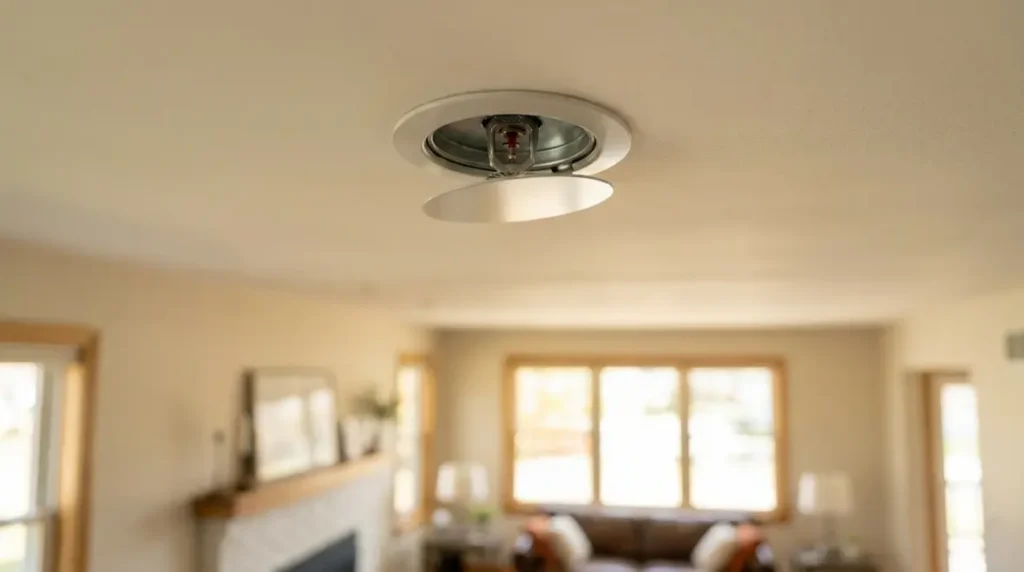
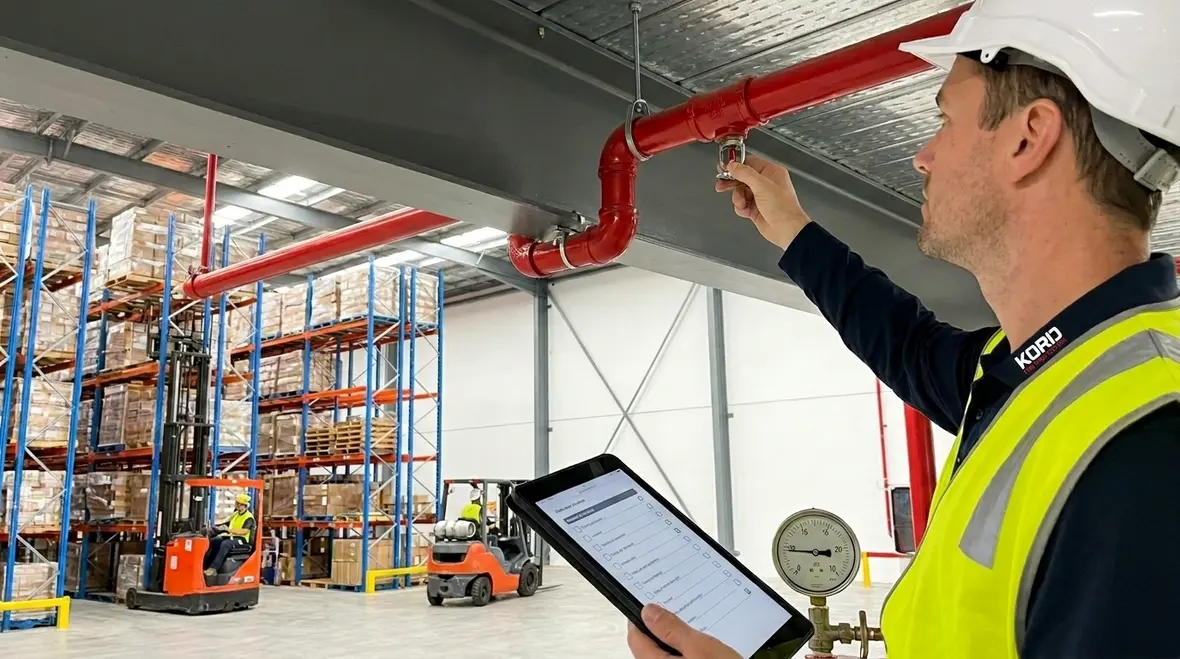
For industrial sites, the system often needs to handle higher fire loads, storage configurations, and equipment layouts. For retail, the focus can shift to compartmentation, ceiling spaces, and quick control of flame spread through merchandising areas. In commercial and multi use facilities, designers consider mixed hazards such as plant rooms, service corridors, and tenancy fit outs.
What owners should expect during design review
As a result, building owners should expect decisions to cover more than the obvious. Good sprinkler planning asks what is stored, how people move, what services obstruct discharge, and whether future site changes are likely. That sounds technical because it is technical, but the business outcome is simple: fewer surprises and stronger protection.
- Occupancy and hazard classification that matches the use of the space
- Sprinkler spacing and coverage based on ceiling height and obstructions
- Pipework routing that fits real building geometry
- Water supply capability including pressure, flow, and available reserves
This is why owners who take design seriously usually treat it as risk management, not just fire protection procurement. They are not only buying heads, valves, and pipe. They are shaping how quickly a fire is controlled, how much stock may be saved, and how long operations might be interrupted after an incident. That is a far more strategic conversation than “Can we get this signed off by Friday?”
What standards and compliance expectations look like in practice
Fire safety in Australia relies on clear rules and evidence. While requirements can vary by state and building type, the expectation stays the same: the system must be installed correctly, tested, and maintained so it performs when needed.
Building owners typically face obligations around:
- Design and installation compliance with relevant Australian requirements
- Commissioning to confirm water flow and correct operation
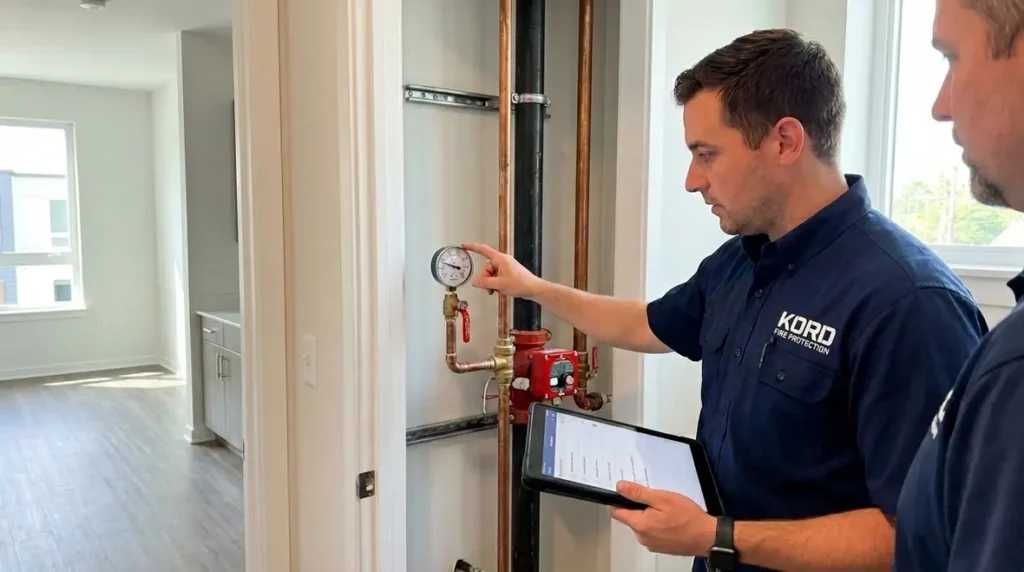
- Routine inspection and testing of key components such as alarm valves and pumps
- Record keeping so audits and insurers see consistent documentation
Compliance is ongoing, not frozen at handover
Additionally, facilities change over time. Tenant fit outs, rack changes, new storage, and ceiling modifications can all affect how fire sprinkler systems perform. Consequently, owners need a process that links maintenance and upgrades to operational reality, not just a yearly service visit.
For many teams, this is where mistakes happen. Installations get signed off, then internal changes happen quietly. Months later, someone asks, “Why did the system report something unusual?” The answer is often in the building modifications that were never communicated to the fire protection team.
That gap between paperwork and site reality is where compliance headaches breed. A set of records may look tidy, but if the space has evolved and the sprinkler layout has not been reviewed, confidence starts to wobble. Owners are better served by a habit of documenting change as it happens, checking its fire impact, and keeping service partners informed before a small change grows teeth.
How water supply, pumps, and valves drive real performance
A sprinkler system’s effectiveness hinges on the water that reaches it. Therefore, the water supply design often matters as much as the sprinkler heads themselves.
In practice, teams evaluate:
- Town water vs onsite storage and whether flows stay steady under demand
- Hydraulic calculations to confirm pressure and discharge meet design intent
- Pumps and pump controls where town supply cannot sustain performance
- Alarm valves that signal water flow to the detection and alarm pathway
Why mechanical reliability matters on busy sites
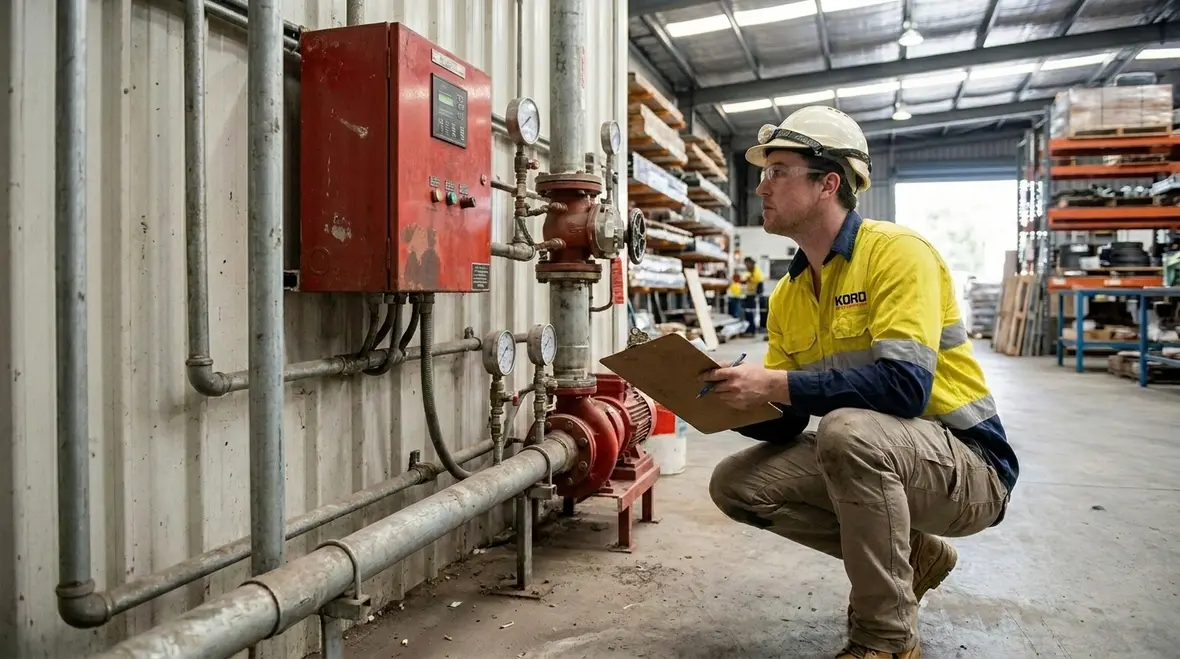
Also, valves and pumps require care. If a pump starts late or a valve sticks, the system does not behave like it did during commissioning. Then, during a real event, the protection timeline gets shorter, not smarter.
So, owners should treat maintenance as performance protection. When the right team tests and logs results, they reduce “mystery faults” and help operations stay calm. Nobody wants firefighters chasing a problem that could have been prevented by a proper functional test schedule.
This is especially important in facilities where uptime is precious. Manufacturing, logistics, retail, and mixed commercial assets all depend on systems that work the first time, not eventually. Reliable pumps, accessible valves, visible labels, and clear reporting make a huge difference when seconds matter and people are trying to make decisions under pressure.

Installation, upgrades, and site changes that owners must plan for
Sprinkler work often happens during construction, but business owners also face the upgrade cycle. That cycle becomes unavoidable when buildings expand, tenancy layouts change, or new equipment raises fire risk.
To keep fire sprinkler systems aligned with the current building, owners should set a clear change management routine. In simple terms, the fire protection team needs to know before the first bolt goes in.
Good planning usually includes:
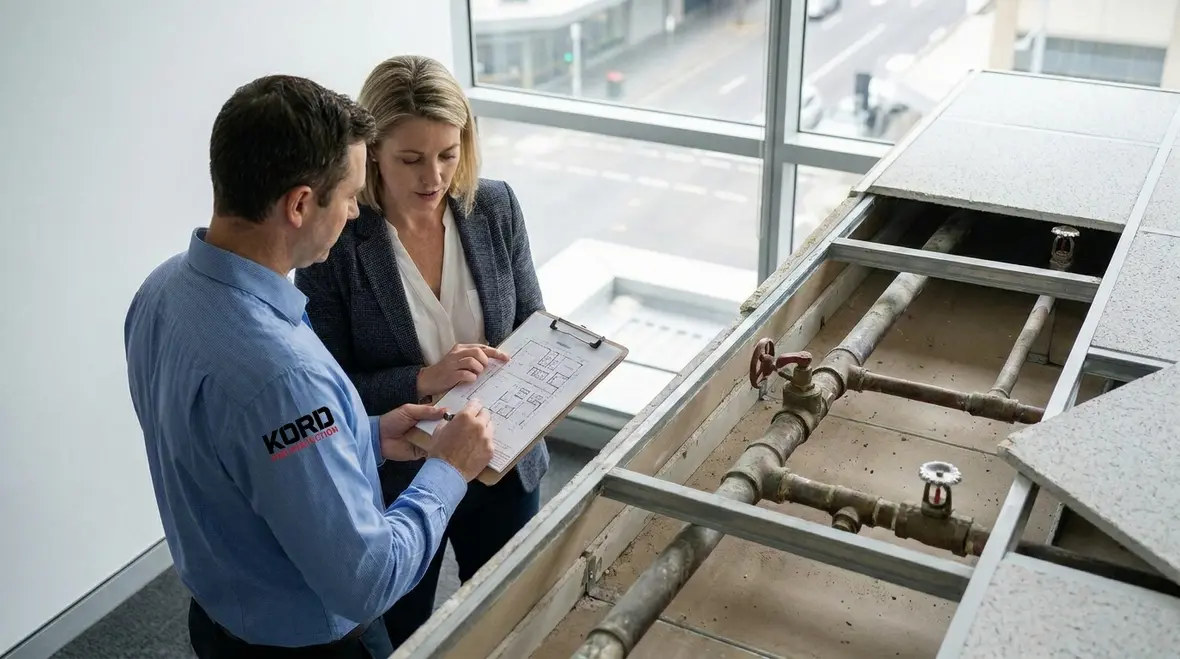
- Sharing drawings and schedules ahead of construction or refit
- Reviewing ceiling and obstruction impacts like ducts, mezzanines, and services
- Confirming hydraulic impacts when pipework or coverage changes
- Managing isolation and commissioning steps so safety stays intact
Small site changes can create big protection gaps
In retail, this might mean new stock racking or an altered layout that changes how heat and smoke move. In industrial settings, it might mean a new process line, different storage heights, or a warehouse expansion. In both cases, the goal stays steady: the system should protect the risks it was built to manage.
Owners who build change management into everyday project planning usually save time and money later. Instead of discovering late stage conflicts, they identify sprinkler impacts early, coordinate shutdowns properly, and make sure commissioning happens with less stress. That is a much better story than explaining after the fact why a refurbishment accidentally outran the fire strategy.
Why Kord Fire Protection becomes a vital partner
Many owners ask for a “supplier,” but what they need is a partner who can handle design intent, compliance expectations, and practical delivery across Australia. That is where Kord Fire Protection steps in. Our team supports building owners and facility managers with a service approach that connects installation quality with ongoing performance.
Because fire protection is not one job, it is a lifecycle, our value shows up in the details. We help coordinate documentation, support inspections and testing, and keep systems aligned as sites evolve. We also understand the operational pressure across industrial, retail, and commercial sites, where downtime costs money and delays create noise.
Confidence is built through consistency
In other words, Kord Fire Protection helps owners avoid the classic problem of “we have paperwork, but we do not have confidence.” And confidence is the currency that matters when alarms start ringing.
That confidence comes from a team that can bridge planning, site reality, and service follow through. It means fewer loose ends, better communication around changes, and clearer records when audits, insurers, or internal stakeholders ask questions. It also means less last minute scrambling, which is everyone’s least favourite workplace hobby.
FAQ: fast answers for featured snippets
Conclusion: plan early, stay compliant, and protect the business
Fire sprinkler systems protect life and keep operations running, but only when they match the site and stay in dependable condition. Building owners should plan design and upgrades around real hazards, manage site change, and keep maintenance records strong. Kord Fire Protection can support your facility with coordinated inspections, testing, and compliance focused delivery across Australia. If this year feels busy, schedule early. In fire safety, “later” usually costs more.