Fire Sprinkler Installation Cost Australia and Process
Quick Answer
Fire sprinkler installation in Australia typically costs between several thousand and tens of thousands of dollars per site, depending on building size, water supply, pipework complexity, and compliance needs. The process moves from design and approvals to hydraulic calculation, rough-in, testing, and ongoing inspections. Kord Fire Protection can manage it end to end with dependable coordination.
Fire safety in commercial spaces rarely feels exciting, but it should never feel accidental either. This is where our fire sprinkler installation support becomes a practical advantage for industrial, retail, and facility managers across Australia. When smoke, heat, and time all move faster than people can react, the system design must stay sharp, the installation must stay correct, and the paperwork must stay current. After all, no one wants their fire protection plan to read like a mystery novel.
In the sections below, Kord Fire Protection explains the real costs, the real process, and the real requirements that keep sprinkler systems compliant and ready to perform. If you are also reviewing ongoing system reliability, it helps to pair installation planning with Australian fire sprinkler services so the system is considered from installation through maintenance, testing, and long-term site readiness.
Cost factors for fire sprinkler installation in Australia
Pricing varies because sprinkler systems do not come from a single shopping list. First, the building type changes the design approach. A high ceiling warehouse behaves differently from a shopfront with complex partitions, and a facility with process equipment needs careful protection planning around hazards.
Next, the water supply often drives the budget. If the site needs a new mains connection, upgraded pumps, or additional storage, costs rise quickly. If the water pressure and flow are already strong and consistent, installation becomes more straightforward.
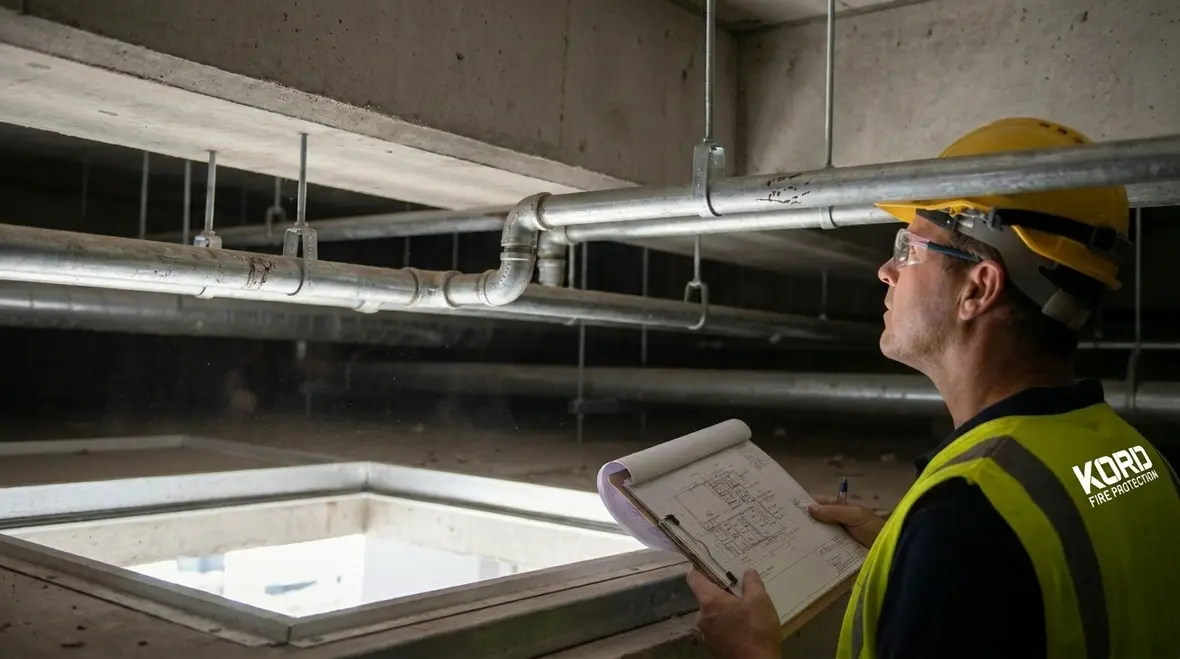
Then come the site conditions. Access, ceiling type, penetrations through slabs, and the presence of existing services can increase labour hours. Also, the pipe route matters. Longer runs, more fittings, and tighter coordination with electrical and HVAC teams increase materials and installation time.
Typical installation cost line items
- Design work and hydraulic calculations
- Components such as sprinklers, pipework, valves, and hangers
- Fire alarm and control interfaces where required
- Testing, commissioning, and documentation
- Work health and safety measures and site access planning
Finally, there is compliance work. Even when installation looks complete, the system must meet Australian Standards, state and territory requirements, and local authority expectations. In other words, “installed” is not the same as “ready for duty.”
Step by step: the installation process
A well-run project follows a clear sequence. First, Kord Fire Protection confirms the scope with the client, including the building classification, occupancy risks, and any existing fire systems. At this stage, the team maps the sprinkler layouts so the system supports both safety and operations.
Then, engineers complete the design and hydraulic calculations. These calculations verify that water reaches every sprinkler head at the required flow and pressure. If they do not, the layout changes before anything becomes expensive to fix.
After design sign off, the project moves into material procurement and pre-start planning. Kord Fire Protection coordinates with builders and tenants so the rough-in stage does not clash with services, structural works, or fit out schedules. If trades overlap badly, delays multiply, and the project budget takes the hit like it owes money.
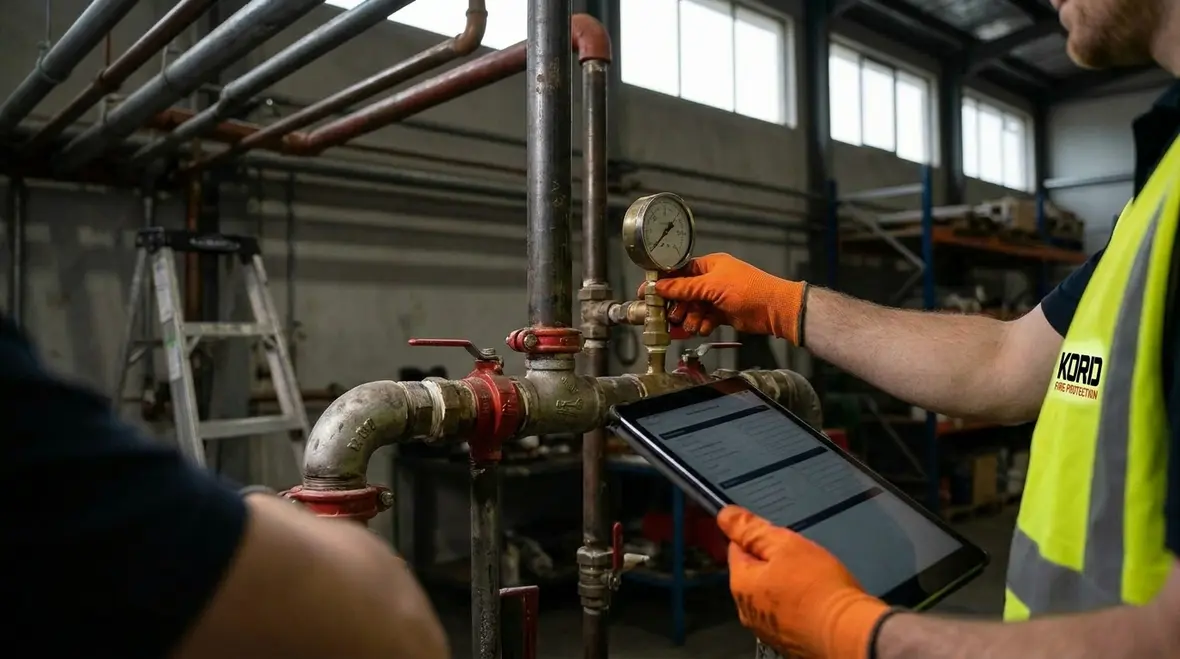
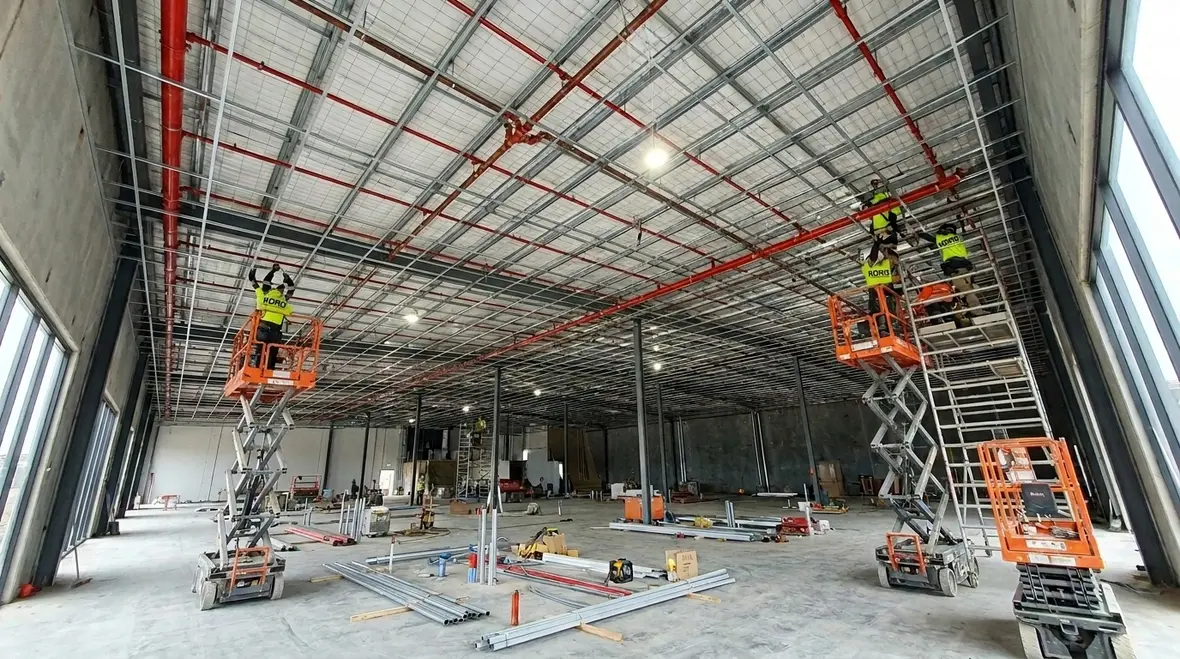
During installation, the system receives the proper pipe supports, sprinkler drops, and routing. Crews also ensure correct spacing, alignment, and workmanship around penetrations. Then the team performs pressure tests and inspections, because a system that leaks is basically an expensive water feature.
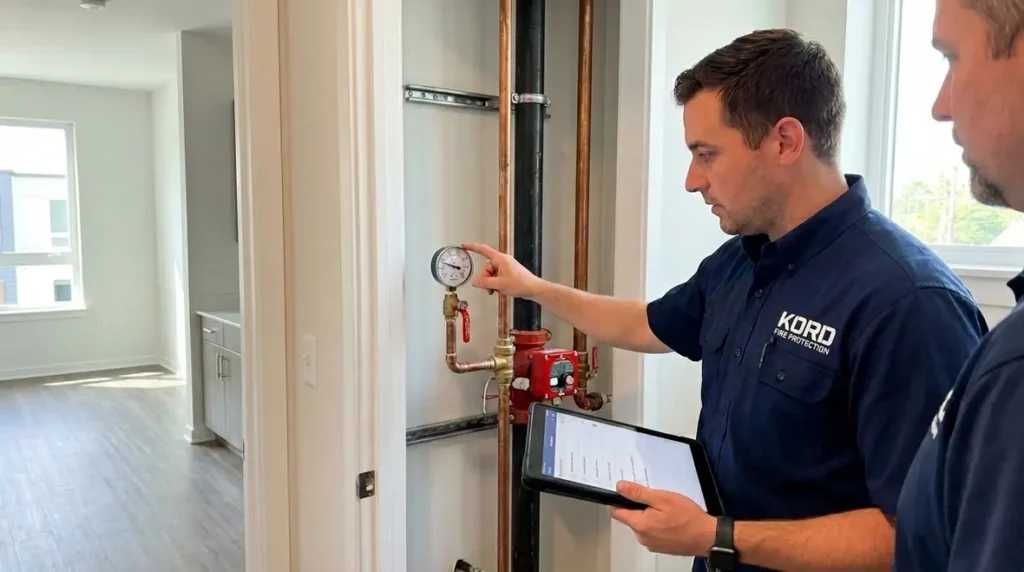
Next comes commissioning. The process includes verifying water supplies, alarms and pump controls where applicable, and confirming that the system performs as designed. Finally, the handover pack includes test results, as-built drawings, and maintenance guidance so the facility stays compliant beyond the installation day.
Why sequencing matters
The reason this sequence matters is simple: each stage reduces risk for the next one. Good design avoids rework, good coordination avoids clashes, and proper testing avoids the unpleasant surprise of discovering issues after handover. That is not drama any facility manager needs in their week.
Australian requirements and standards you must plan for
Sprinkler systems in Australia must follow established rules that vary slightly by jurisdiction but share common core expectations. Design and installation generally align with Australian Standards for fire sprinkler systems, including requirements for hydraulic design, component approvals, and installation methods.
Additionally, the system must integrate correctly with other fire safety measures such as fire alarms, evacuation strategy, and any emergency control systems. For industrial and high-risk sites, hazard assessment often influences sprinkler selection and coverage.
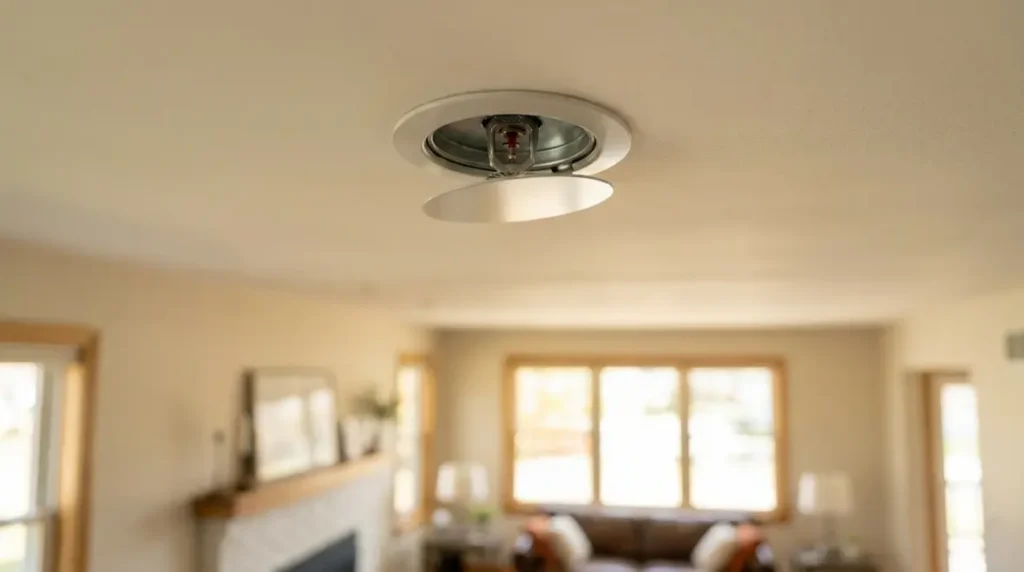
Equipment selection also matters. The use of appropriate sprinkler types and temperatures, the correct valve arrangement, and proper sign off procedures all affect system performance. Kord Fire Protection focuses on getting these details right because authorities look for consistency between the design documentation and what actually sits in the ceiling.
To avoid surprises, facility teams should also consider ongoing requirements. Sprinkler systems need inspection and maintenance schedules. When facilities ignore maintenance, reliability drops, and compliance becomes a recurring headache.
For businesses with multiple sites, the advantage comes from building a repeatable process. Kord Fire Protection helps standardise documentation and commissioning practices so each project launches smoothly and inspections stay manageable.
Design and planning for industrial and retail facilities
Industrial and retail sites rarely look like simple boxes. Product racks, workshops, loading bays, mezzanines, ventilation systems, and retail fit outs all change where sprinklers can sit and how water flows. Therefore, early coordination drives better outcomes.
First, the team reviews hazard categories and storage arrangements. If pallets shift, the protection strategy must account for the real arrangement, not the arrangement from the blueprint era. In many cases, the design assumes certain ceiling heights and obstructions, so the installation plan must match the final layout.
Then, the installer and designers coordinate with HVAC. Ductwork and return air paths can interfere with sprinkler discharge patterns. As a result, thoughtful positioning and correct spacing protect performance.

For retail environments, ceiling types and aesthetics matter. Exposed fixtures, suspended ceilings, and mixed ceiling heights require careful routing so the system remains effective and visually acceptable. Kord Fire Protection treats these as practical design constraints, not afterthoughts.
Also, the project schedule matters. A facility can run while works happen only if the plan accounts for shutdowns, penetrations, and safe isolation of services. In short, good planning reduces downtime and keeps the business moving.
Choosing Kord Fire Protection as a partner
Many clients treat fire sprinkler installation as a line item. That approach saves time at the start and costs it later. Kord Fire Protection acts as a vital partner by connecting design intent, installation quality, and commissioning documentation in a way that helps facilities pass inspections with fewer firefights.
What that partnership looks like in practice
- Clear scope and site review so the design fits the real building
- Coordination with builders and facility teams to reduce delays
- Quality-focused installation and verified testing on completion
- Handover packs that make maintenance and audits easier
- Practical guidance for ongoing inspections and service planning
And yes, we know your project manager has a dozen calls a day. Therefore, we work to reduce back-and-forth, confirm decisions early, and keep timelines realistic. Think of Kord Fire Protection as the calm voice on the other end of the line, especially when the ceiling tiles are not cooperating.
FAQ: fire sprinkler installation costs and compliance
Conclusion
Fire sprinkler installation success depends on more than pipes in the ceiling. It needs correct design, verified hydraulics, careful coordination, and commissioning that satisfies the compliance reality in Australia. Kord Fire Protection can guide industrial, retail, and commercial facilities through the process with clear planning and dependable handover documentation. If your site needs a sprinkler system upgrade or new installation, contact Kord Fire Protection today to get a practical plan and reliable execution.