AS 2118.1 Sprinkler Systems Design Requirements Explained
Quick Answer: AS 2118.1 sets the rules for designing fire sprinkler systems, from water supply and pipe sizing to hydraulic calculations and installation intent. When facilities teams follow it, they reduce risk and support inspections. Kord Fire Protection can guide your project from design review to commissioning, keeping compliance practical and dependable.
When industrial sites, retail precincts, and commercial facilities need AS 2118.1 sprinkler systems that perform when it matters, they need more than guesswork. They need a design basis that stands up to scrutiny. AS 2118.1 Standard: Fire Sprinkler System Design Requirements provides that structure, outlining how engineers and contractors should plan the system so it delivers the right water flow to the right locations. And yes, it is detailed, because fire science is not interested in shortcuts.
In this article, third person expertise explains what the standard expects, how design decisions link to real-world outcomes, and why Kord Fire Protection can act as a vital partner to turn compliance into a working system that protects people, assets, and operations across Australia.
For projects that need practical support beyond the drawing set, Kord Fire Protection’s sprinkler system services can help bridge the gap between design intent, site constraints, and commissioning readiness.
What AS 2118.1 requires for sprinkler system design
AS 2118.1 sprinkler systems design requirements focus on making the hydraulic performance predictable. First, the design needs a clear basis for hazards, protection objectives, and system operation. Then it needs the calculations and assumptions that justify the sprinkler layout and the pipework strategy.
In practical terms, the standard pushes designers to do several key things well. They select sprinkler types that suit the environment and risk profile. They size pipework so pressure losses remain within accepted limits. They account for elevation changes, friction factors, and effective water delivery. And they document the rationale so that inspection and maintenance teams can understand what was intended.
As a result, facilities do not just receive drawings. They receive a system that can be tested, maintained, and defended when stakeholders ask hard questions. If those questions were games, fire protection would be the one without an easy mode.
Why the design basis matters early
A sprinkler system is only as dependable as the assumptions that shaped it. If the hazard classification is wrong, if the building use has shifted, or if the occupancy now stores more combustible material than the original concept allowed for, even a tidy set of plans can become misleading. That is why the design basis matters from the beginning. It creates the reference point for water demand, sprinkler selection, spacing logic, and all the hydraulic decisions that follow.
Hydraulic calculations that keep performance predictable
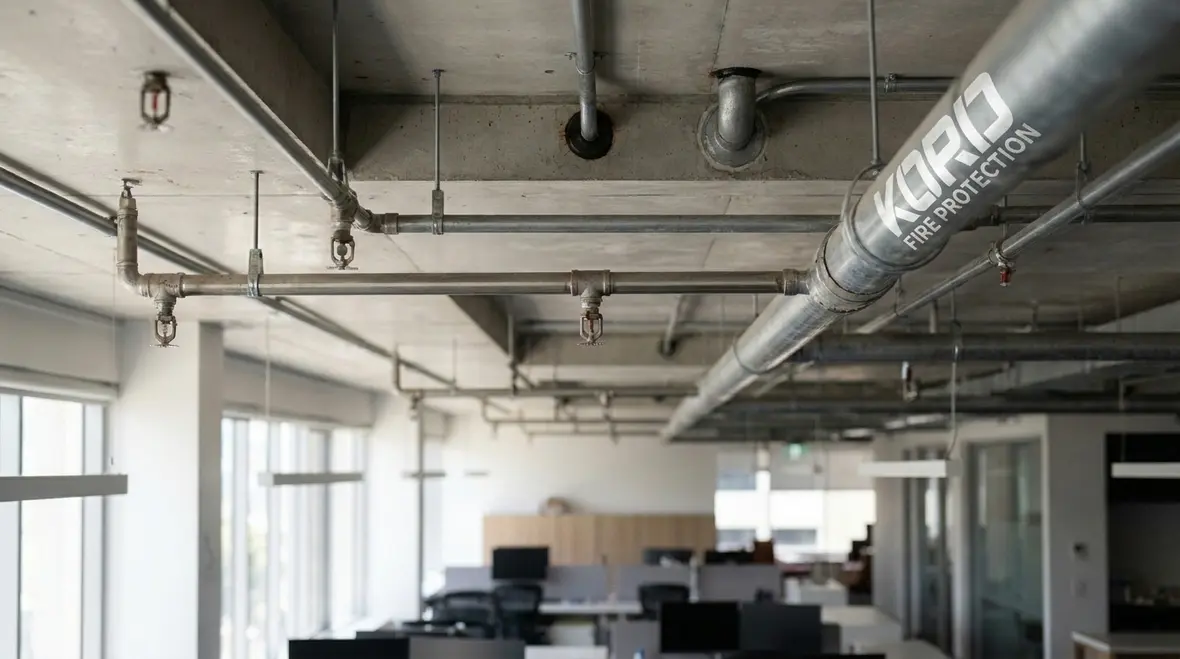
Once a site has its hazard classification and sprinkler arrangement, the design moves into hydraulic calculation territory. This is where many projects either become reliable, or quietly turn into problems in waiting. The standard expects designers to account for the true behavior of water as it flows through pipes, fittings, and outlets.
Typically, the design process uses assumptions about the design area, operating conditions, and target discharge. However, the calculations still must reflect how the system will actually operate under demand. Therefore, designers consider pipe diameters, lengths, and fittings, because friction losses add up faster than most meeting minutes.
For commercial and industrial settings, this matters even more. Longer runs through plant areas, complex ceiling spaces, and penetrations can influence losses and demand. So, designers confirm the system can achieve the required flow and pressure at the most critical points.
Kord Fire Protection supports this phase by reviewing documentation and ensuring the design intent stays aligned with installation reality. In addition, the team helps coordinate with stakeholders so that the final system matches the calculated performance, not just the brochure version of it.
Where projects usually drift off course
Hydraulic intent can unravel in small, very ordinary ways. A few extra fittings here, an adjusted route there, a ceiling service clash that forces a change in pipe path, and suddenly the installed arrangement is not quite the one that was calculated. None of those changes feel dramatic on their own, yet they can affect losses, coverage, testing outcomes, and confidence at handover. That is why disciplined review matters. It catches the little compromises before they team up and become a large expensive surprise.

Choosing sprinklers, layout, and hazard relevance
AS 2118.1 sprinkler systems rely on correct decisions about what to protect and how. That starts with hazard relevance. Different spaces require different protection strategies based on combustible load, likelihood of ignition, and fire growth potential.
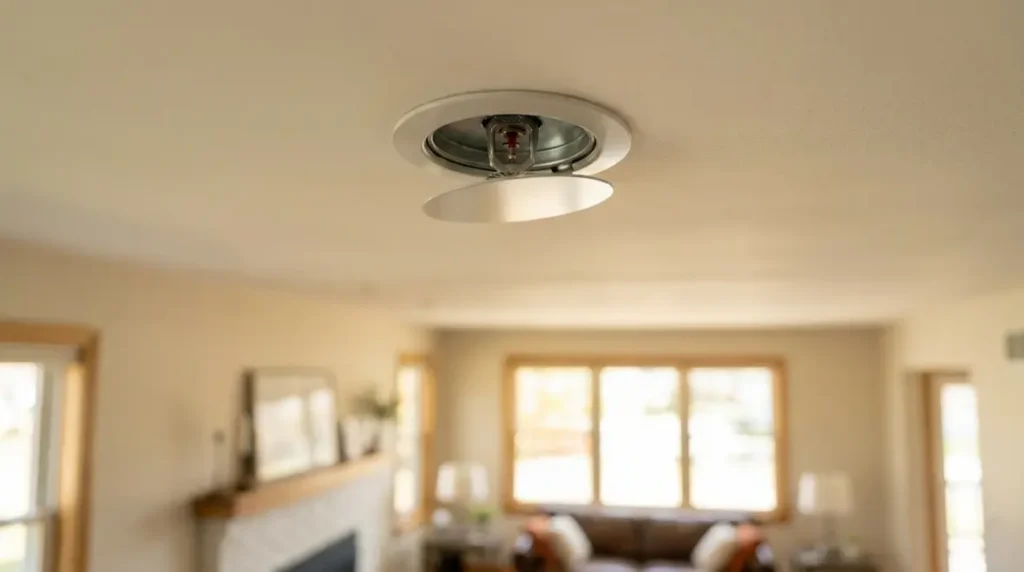
From there, layout choices must stay consistent with the ceiling type, obstruction impacts, and sprinkler discharge pattern. Designers must consider clearance distances, spacing principles, and how spray patterns interact with the protected area. If ceilings are complex, racks are dense, or ducts and beams create obstructions, the design still needs to ensure coverage remains effective.
Also, the standard expects clarity around the type of sprinkler and its suitability for the environment. Some areas demand corrosion resistance, others need specific temperature ratings, and certain spaces require sprinkler selection that matches the installation conditions.
Because retail and commercial sites often change, Kord Fire Protection also supports practical design alignment for tenant fit outs and refurbishments. This helps teams avoid the classic scenario where the system was designed for a layout that no longer exists. Businesses evolve. Sprinkler performance must evolve with them, or at least the documentation should.
Obstructions, ceiling features, and real-world headaches
This is the part where building geometry likes to test everyone’s patience. Decorative ceilings, beams, bulkheads, ducts, cable trays, signage, and storage arrangements all have opinions about sprinkler coverage. Unfortunately, they do not always share those opinions during the first coordination meeting. Good design review keeps these features from quietly undermining the intended discharge pattern. It is less glamorous than ribbon cutting photos, but far more useful when a system actually needs to perform.

Water supply, pumps, tanks, and system reliability
Hydraulics only work if the water supply can deliver. Therefore, AS 2118.1 sprinkler systems design requirements include the need to consider water supply capacity, availability, and any system components that maintain performance. This can include mains pressure, dedicated supplies, pump performance, and storage where required.
Design teams often must evaluate the expected pressure and flow at the system demand point. If the water supply is variable, the design must still satisfy the required discharge criteria. Pumps and tanks do not “hope” their way to compliance. They must perform as designed, including any controls, interfaces, and relevant safety features.
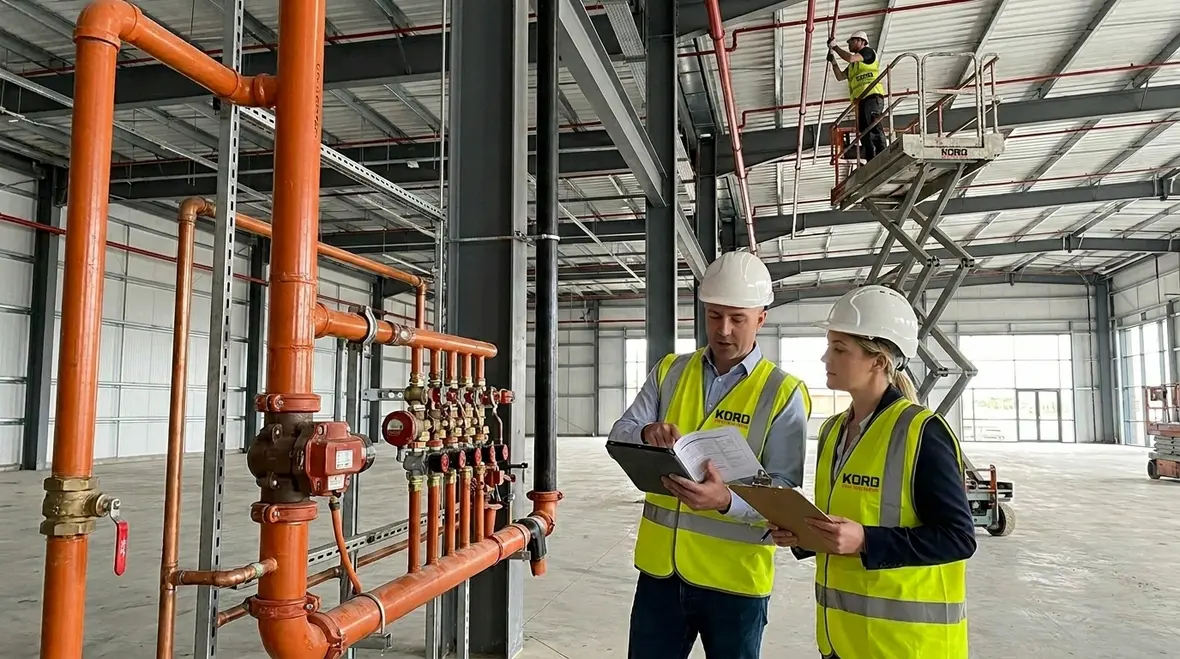
For industrial facilities, water sources may be influenced by other operations, seasonal changes, or network design. For retail centres, variability can come from shared services and staged commissioning. In both cases, Kord Fire Protection helps ensure that assumptions used in calculations can be achieved by the installed system.
Moreover, when the team reviews the full system basis, it reduces gaps between what engineers specify and what installers deliver. That is how projects stay smoother at handover, and how compliance becomes less of a surprise party.
Reliability is not just a pump on a drawing
A system can look perfectly convincing on paper and still struggle if the water supply assumptions are optimistic, incomplete, or poorly coordinated. Reliability depends on the whole chain holding together, from the incoming supply characteristics to the pump arrangement, controls, storage, and practical testability. When any link is vague, handover becomes harder, investigations take longer, and the project team suddenly rediscovers how stressful “we assumed that” can be.

Installation intent, commissioning, and evidence for compliance
Design requirements do not end on paper. They continue through installation quality and commissioning outcomes. The standard’s philosophy supports traceability, so stakeholders can show that the system installed matches the design intent and the performance basis.
During installation, a system can drift from design through workmanship issues, incorrect pipe routing, missed offsets, or changes to ceiling or obstructions. Therefore, the project needs verification steps that confirm key parameters remain correct. Then commissioning tests validate the system’s behavior under controlled conditions.
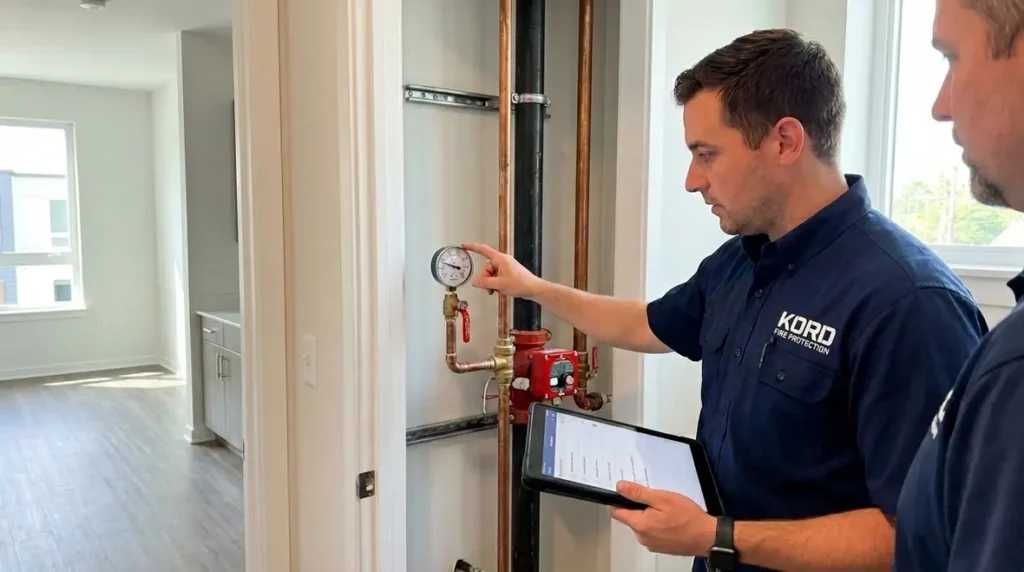
Kord Fire Protection acts as a vital partner during this phase by supporting coordinated inspections, document readiness, and practical checks that help the system meet the planned hydraulic and operational intent. As a result, facilities teams spend less time chasing explanations and more time focusing on operations.
And when auditors or insurers ask for evidence, having it organised matters. Fire protection is not the place to keep information scattered like office pens in a drawer nobody opens.
How Kord Fire Protection helps industrial, retail, and commercial sites across Australia
Kord Fire Protection partners with owners, engineers, and contractors to make AS 2118.1 sprinkler systems practical on real sites. The company understands that different sectors have different pressures. Industrial teams may face shutdown windows. Retail teams may require phased work to keep trading safe. Commercial facilities may deal with ongoing refurbishments and complex services.
Therefore, Kord Fire Protection supports the job across the lifecycle. It helps align design intent with installation constraints. It reviews documentation and coordinates expectations so that the hydraulic basis is not undermined by site reality. It also supports commissioning and handover so the system is ready for ongoing compliance management.
In short, when Kord Fire Protection becomes a vital partner, it reduces rework, supports consistent quality, and improves confidence that the final installed system matches the required performance.
Frequently Asked Questions
Conclusion
Fire sprinkler design should not feel like a gamble wrapped in paperwork. AS 2118.1 sprinkler systems design requirements exist to make performance predictable, and your project benefits when design intent carries through to installation and evidence. Kord Fire Protection can become a vital partner with your next service or job by supporting alignment, review, commissioning, and handover confidence. If the goal is compliance that holds up on site, contact Kord Fire Protection to discuss the project scope and next steps.