AS 2118 Fire Pump Requirements for Commercial Sites
Quick Answer: AS 2118 sets out the essential requirements for fire pump systems in commercial buildings across Australia. It guides how pumps must be designed, tested, maintained, and documented. For industrial sites, retail centres, and facilities, a compliant fire pump system protects life, limits damage, and keeps insurers and authorities satisfied.
AS 2118 Fire Pump Requirements: what it means for commercial sites
In the real world, fire pumps do not run on vibes. They run on standards. That is why AS 2118 matters early, especially for commercial buildings where risk, occupancy, and infrastructure all collide. Within the first layers of planning, AS 2118 outlines how fire pump sets should be engineered and controlled so that water delivery stays reliable when it counts. And yes, that “when it counts” moment tends to show up without warning, like a pop quiz you did not study for.
In this article, a third party perspective explains what these requirements generally cover and how a well run partner helps facilities avoid costly rework. Kord Fire Protection can serve as that partner, coordinating design input, installation oversight, commissioning, and ongoing service so the system performs as intended instead of just looking good on paper.
If your site is already planning upgrades or reviewing reliability, it also helps to look at broader fire protection services for commercial facilities near the start of the process so pump decisions are not made in isolation.
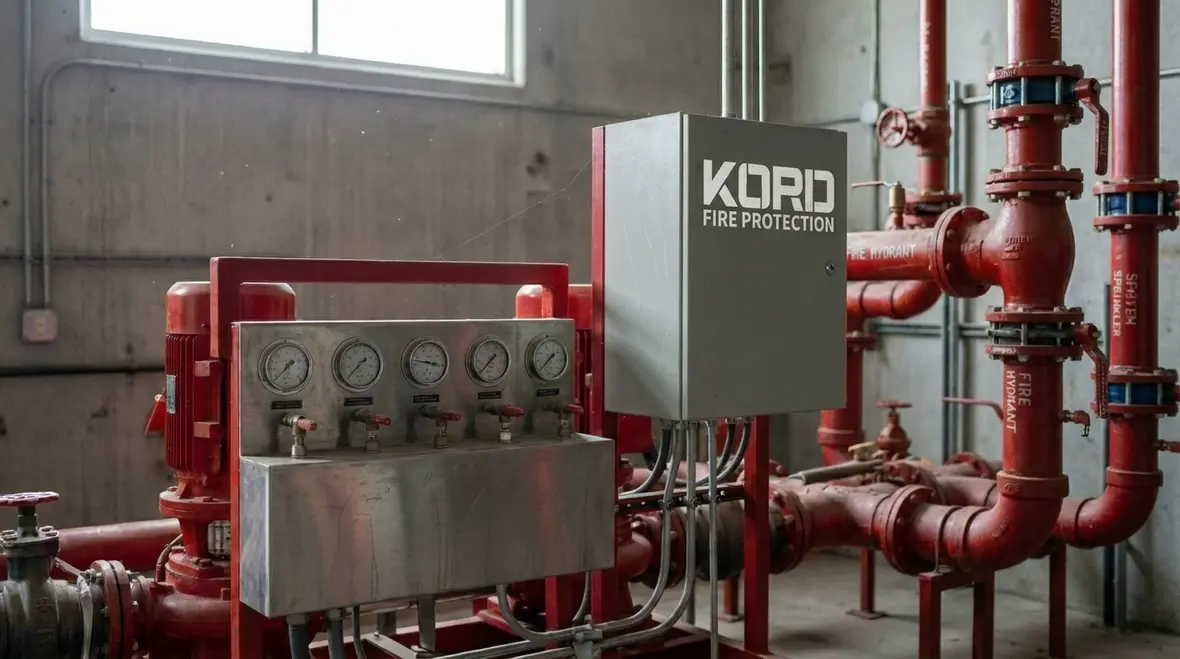
What AS 2118 covers in practical terms for fire pumps
Facilities teams often ask what they must actually do to comply. Therefore, it helps to view AS 2118 through the lens of outcomes: dependable start, stable pressure, correct controls, and evidence that the system works under conditions it will face. In other words, compliance is not a single checklist item. It is a chain of responsibilities that starts with design and continues through commissioning and maintenance.
Typically, AS 2118 expectations align around several practical areas. First, the pump set must be suitable for the system it serves, including hydraulic demand. Next, controls and power supplies must support automatic operation. Then, monitoring and alarms must help staff respond fast. Finally, the system must be testable and maintainable so performance does not drift over time.
For industrial, retail, and multi site facilities across Australia, this matters even more because conditions vary. One site may have high flow needs from sprinklers, hydrants, or both. Another site may have different water supply behaviour. Consequently, a one size approach fails. A well planned approach succeeds.
Why outcome based compliance matters
That outcome based view is useful because commercial sites rarely stay frozen in time. Tenancies change, stock profiles shift, layouts get reworked, and new risks wander in quietly. A pump arrangement that looked tidy during design review still has to serve the real building after those changes land. That is why the practical reading of AS 2118 is not just “install pump, walk away.” It is “make sure the whole arrangement still behaves like a protection system when the building behaves like a building.”
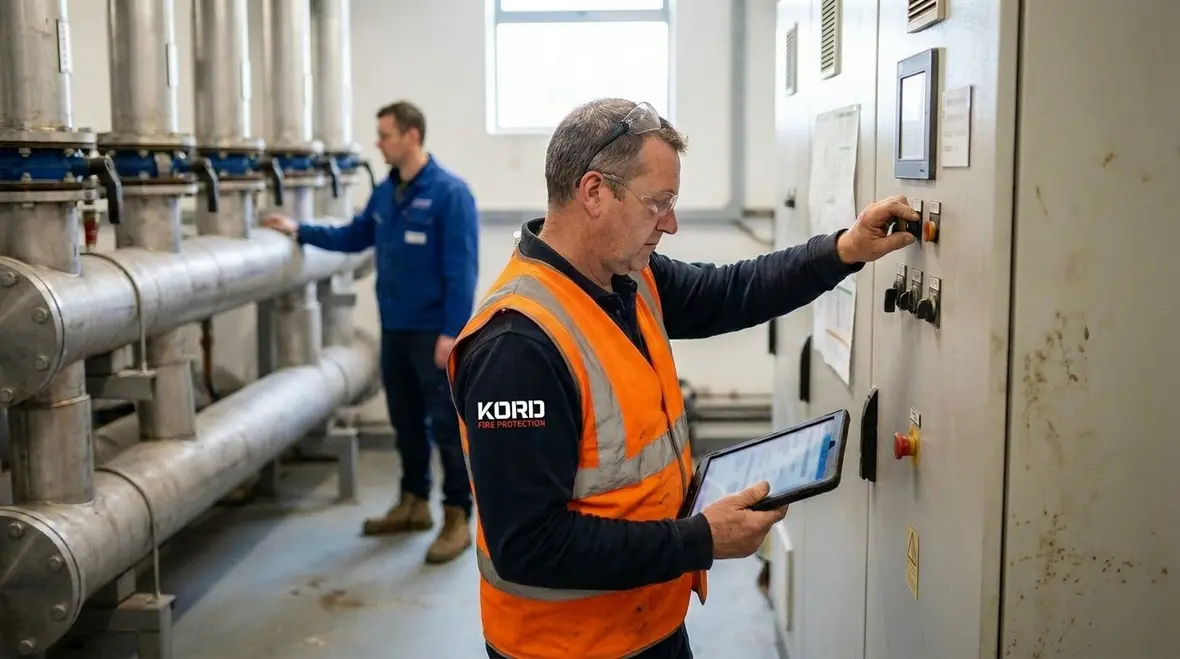
How designers choose pump duty and ensure water delivery stability
When a facility selects a fire pump, it must match the hydraulics of the installed protection system. AS 2118 expectations push designers to think beyond the pump nameplate and focus on delivery under real demand. That means engineers evaluate likely flow rates, pressure requirements, pipe losses, and the relationship between pump curves and system curves. If those do not line up, the system can struggle at the exact moment it should perform smoothly.
Additionally, designers account for starting methods and control logic. For example, if the system requires automatic start on pressure drop or other actuation signals, the control arrangement must trigger correctly. Then, it must hold pressure within an acceptable range while pumps operate safely. In short, the system should not “sort of work.” It should work.
Here is where Kord Fire Protection brings value. They can help teams align the pump selection with the protection layout and site constraints. Moreover, they can translate technical intent into installation and commissioning steps that match the design assumptions. That reduces the chance of last minute surprises, which are fun only in movies and not in client handovers.
Hydraulics, site limits, and the stuff that causes headaches
This is also the stage where awkward site realities start waving their hands. Available water supply may behave differently across seasons. Pipe runs may be longer than anyone hoped. Plant rooms may be tight enough to inspire new respect for tape measures. Good design work absorbs those constraints early, because retrofitting confidence after installation is much harder than building it into the duty point from the beginning.
Pump control, power supply, and reliability under pressure
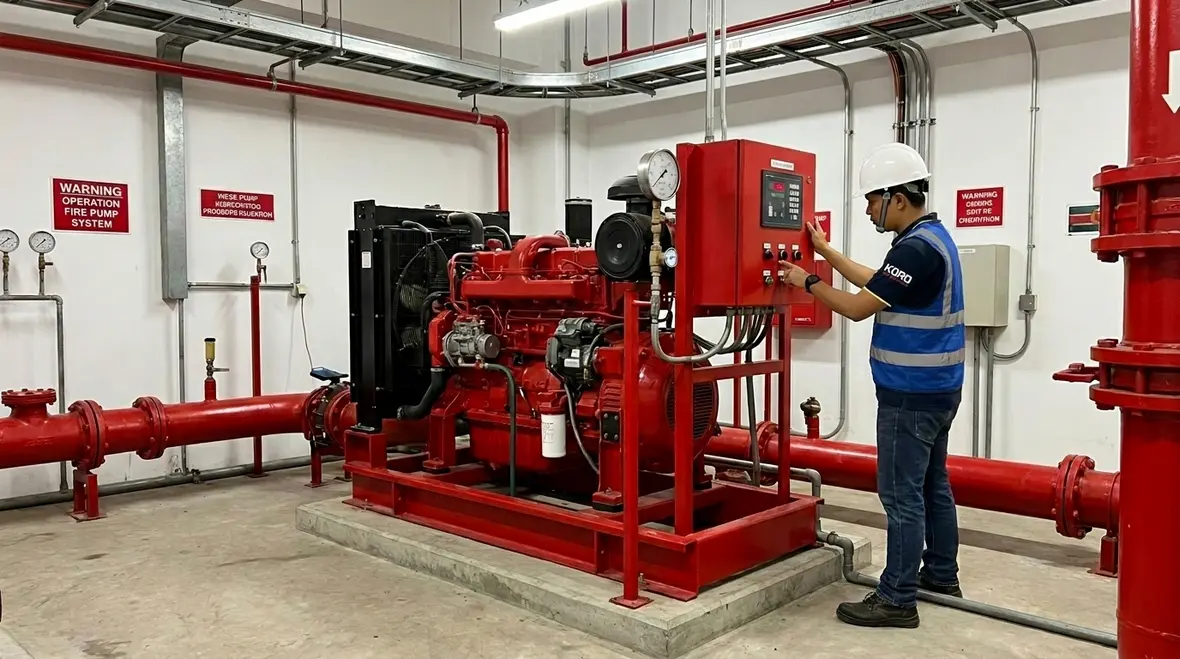
Even a perfectly sized pump can fail if controls or power fail. Therefore, AS 2118 requirements commonly drive attention toward reliable actuation, supervised conditions, and robust wiring and protection. Fire pump operation depends on predictable behaviour, and so the control system must respond immediately to fire detection signals or relevant system changes.
Facilities also need to plan for continuity. Power supply interruptions, undervoltage scenarios, and fault states can change how a system behaves. Consequently, the system should include correct monitoring and alarm interfaces so staff and contractors can identify issues early. If a pump cannot start, or if it starts but does not reach target pressure, the protection system may not deliver effective water.
Kord Fire Protection can work with asset owners and operations managers to define how the pump controller interfaces with the building’s fire indicator systems and how alarms get managed on site. In addition, they can support practical documentation for compliance and maintenance workflows. That means less “mystery meat engineering” and more clarity for who does what, and when.
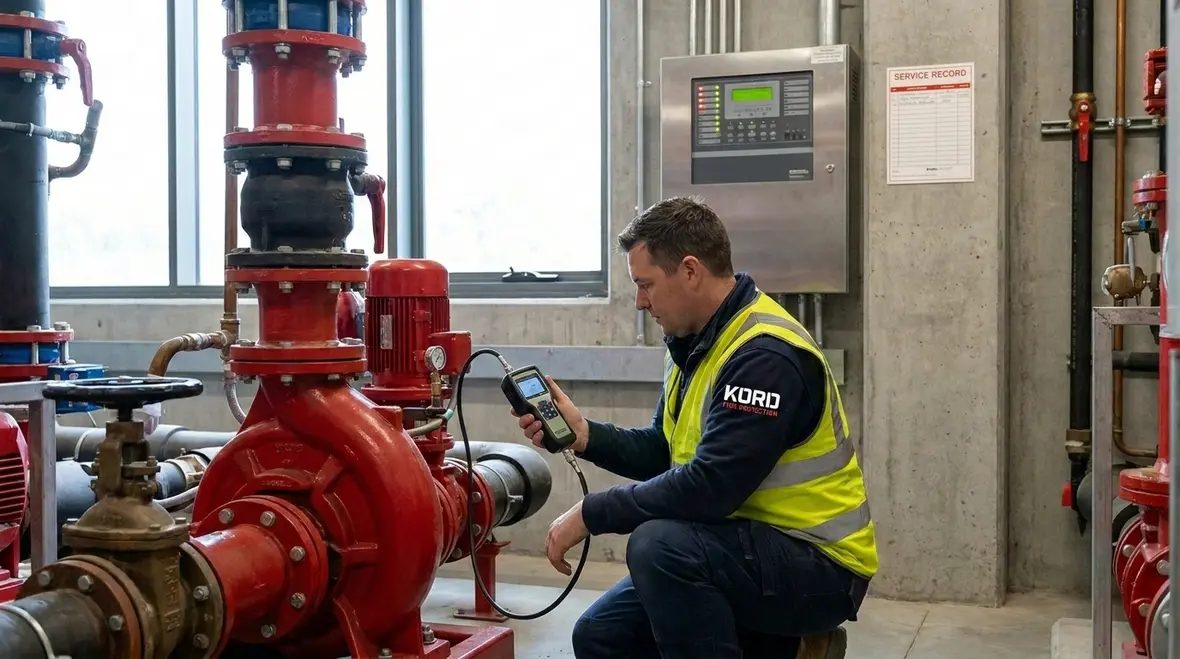
Commissioning tests and evidence that the system works
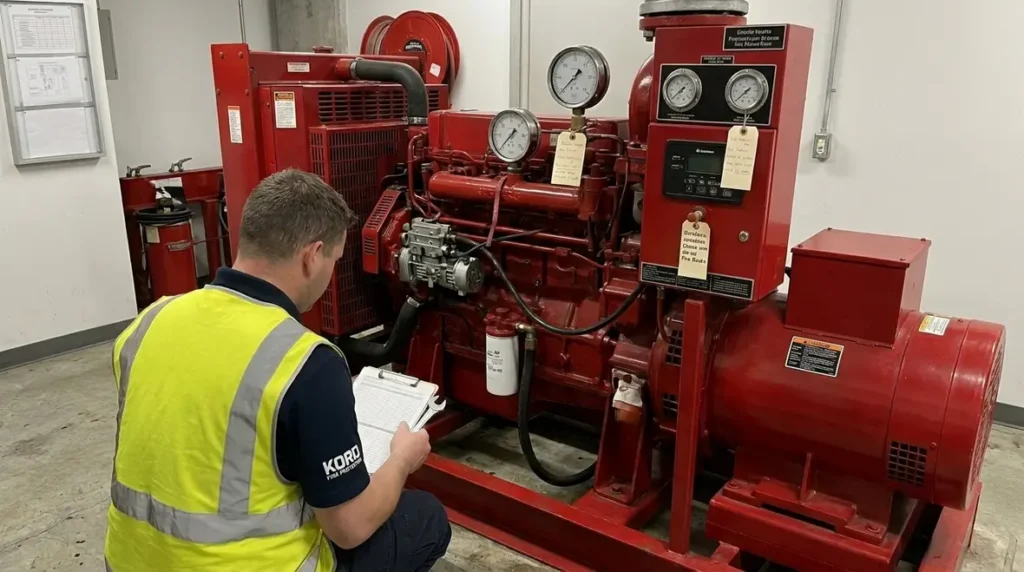
Compliance becomes real only when the system has been commissioned and verified. AS 2118 aligns with this mindset by requiring that fire pump installations demonstrate performance against design intent. Commissioning typically includes checks of pump operation, control sequences, and measured outcomes such as pressure and flow under test conditions. It also includes verifying that alarms and monitoring function as expected.
Furthermore, commissioning supports ongoing assurance. If test results are recorded, trend analysis becomes possible. Then, maintenance teams can adjust or repair before performance slips. Without evidence, facilities may learn about problems only after an incident, and nobody wants that conversation.
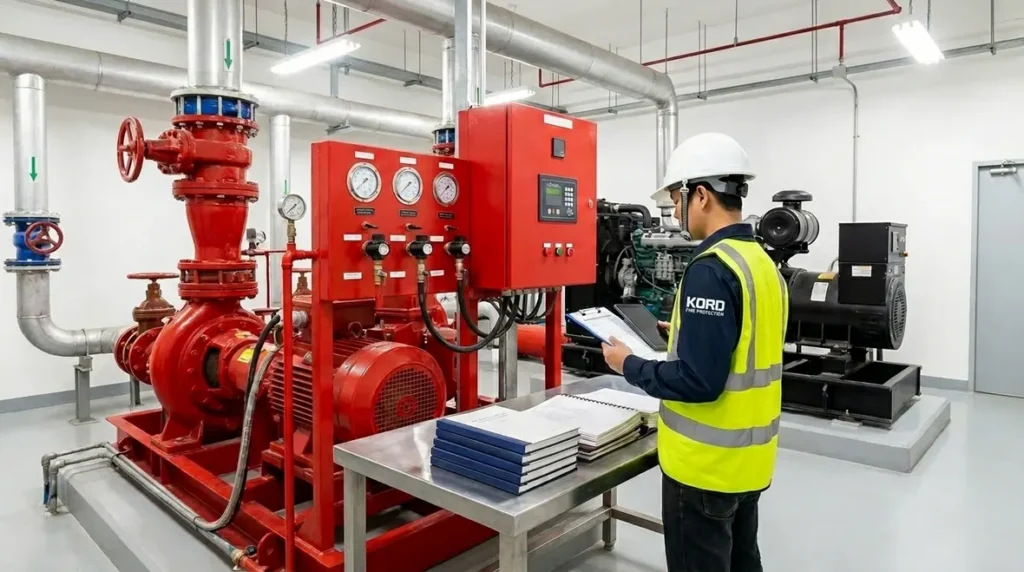
Kord Fire Protection can become a vital partner at this stage. They can coordinate commissioning steps so that all parties understand what will be measured and what passes. They can also help establish a clean handover package that operations teams can use for future service. Essentially, they reduce the gap between “it was installed” and “it will perform.”
Documentation is not glamorous, but it is powerful
Nobody frames a commissioning report and hangs it in reception, but solid documentation saves enormous pain later. It gives maintenance teams a baseline, helps contractors diagnose changes, supports conversations with insurers and authorities, and makes future upgrades less of a guessing game. For commercial sites, that paper trail is not admin fluff. It is operating intelligence.
Maintenance schedules that keep performance steady
A fire pump system does not stay perfect by luck. Over time, pumps can accumulate wear, valves can stick, controls can drift, and batteries or power related components can degrade. Therefore, ongoing maintenance matters just as much as the initial install. AS 2118 expectations typically encourage structured inspection and testing so the system remains ready.
A good maintenance approach focuses on the right checks at the right intervals. It also focuses on what to record and how to respond to trends. For example, if discharge pressure is slightly off during routine checks, the right response can prevent bigger issues later. If alarm points show intermittent faults, the root cause needs attention before it becomes a full failure.
In industrial and retail facilities, where schedules are tight and downtime costs money, a partner like Kord Fire Protection can plan service windows and coordinate access. That way, maintenance supports operations instead of interrupting them like an unexpected forklift jam.
Consistency beats heroics
The best maintenance programs are rarely dramatic. They are consistent. They rely on scheduled checks, clear records, sensible escalation, and technicians who know the difference between a small drift and an early warning. That may not sound thrilling, but in fire protection, boring reliability is exactly the point. The system should be the calmest thing in the room when everything else is having a very bad day.

FAQ: AS 2118 fire pump requirements
Ready to make compliance stick with Kord Fire Protection
Commercial facilities across Australia need fire pump systems that perform, not just systems that pass paperwork. By aligning design, installation, commissioning, and maintenance, Kord Fire Protection helps teams meet AS 2118 expectations with confidence. If your site is industrial, retail, or part of a broader facilities portfolio, Kord Fire Protection can act as a steady partner from first checks to long term service. Call Kord Fire Protection today and get a clear plan for compliance and reliable protection.