Fire Sprinkler Inspection Canberra Checklist and Compliance
Quick Answer
Fire sprinkler systems in Canberra need checks that go beyond “looks fine.” Building managers should confirm water supply readiness, valve supervision, pipe integrity, correct sprinkler types, and recent test results. When evidence is documented and defects get fixed fast, the whole site stays safer and more compliant. Our company, Kord Fire Protection, helps managers prove it.
In a growing number of sites across the ACT, fire sprinkler inspection Canberra is no longer a box to tick, it is a practical safety routine that protects people, assets, and operations. Building managers who run industrial, retail, or commercial facilities know the truth: downtime costs money, but delay during an incident costs lives. So, they inspect early, document everything, and fix what they find before the problem turns into a headline. In this article, the focus stays on what managers should check, what good evidence looks like, and how Kord Fire Protection can become a vital partner for the job.
For teams reviewing broader system support alongside inspections, it also makes sense to understand how ongoing Australian fire sprinkler services fit into long term readiness, upgrades, and defect follow through across commercial properties.
1. Start with the system’s “truth,” not the paperwork
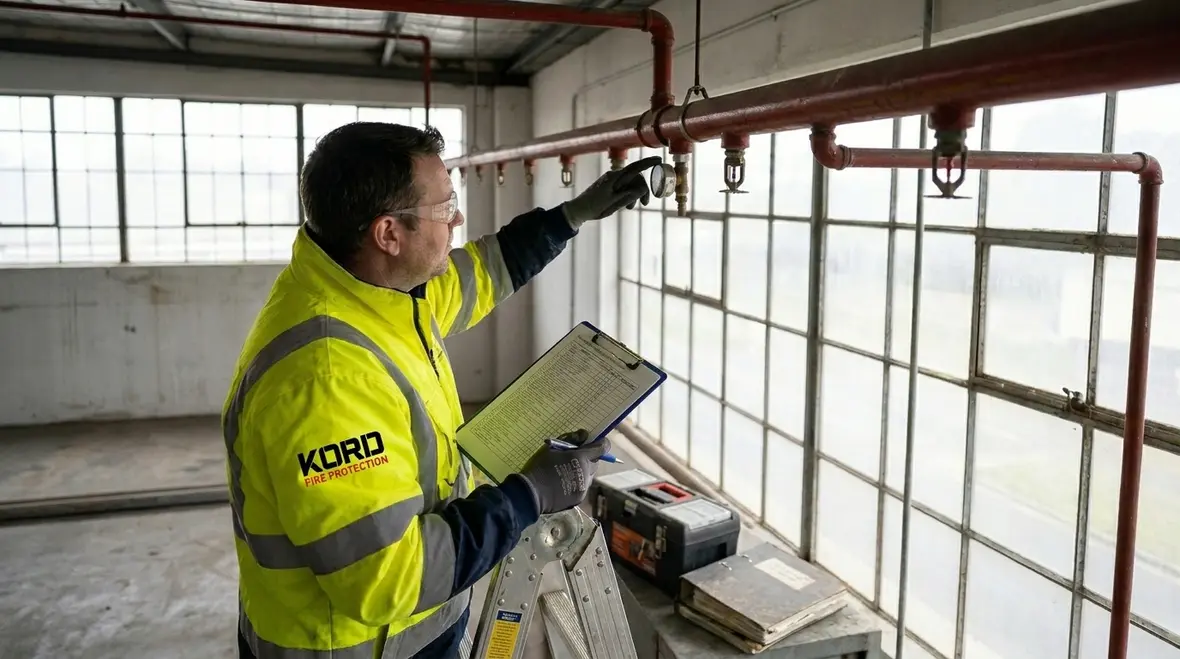
First, a competent inspection begins with verifying what the sprinkler system is actually set up to do. Then the manager compares that reality to the site’s records. If the drawings say one thing and the installed system does another, the facility gets exposed to the worst kind of risk: confusion during an emergency.
To do this, building managers should check the basics before diving into details. They should confirm:
- System type and design intent, including whether it is wet, dry, pre action, or deluge
- Coverage areas and hazard classification changes since the last inspection, such as new storage racks or upgraded fit outs
- Whether the site has current plans that match the existing layout
- Inspection and test history, including dates and outcomes
And yes, even the best sites sometimes “inherit” old paperwork from past contractors. That is common. However, relying on documents without confirming the system’s current condition is like trusting a thermal camera to find a leak while ignoring the damp spot. The damp spot always wins.
What good evidence looks like at this stage
Good evidence is specific, current, and easy to follow. That means marked up plans when layout changes exist, inspection records that show dates and outcomes, and notes that connect the paperwork to what is physically installed. If an operations manager, contractor, and auditor all review the same file, none of them should need to play detective just to figure out what system is protecting which area.
2. Water supply and pressure: the part that must work when it matters
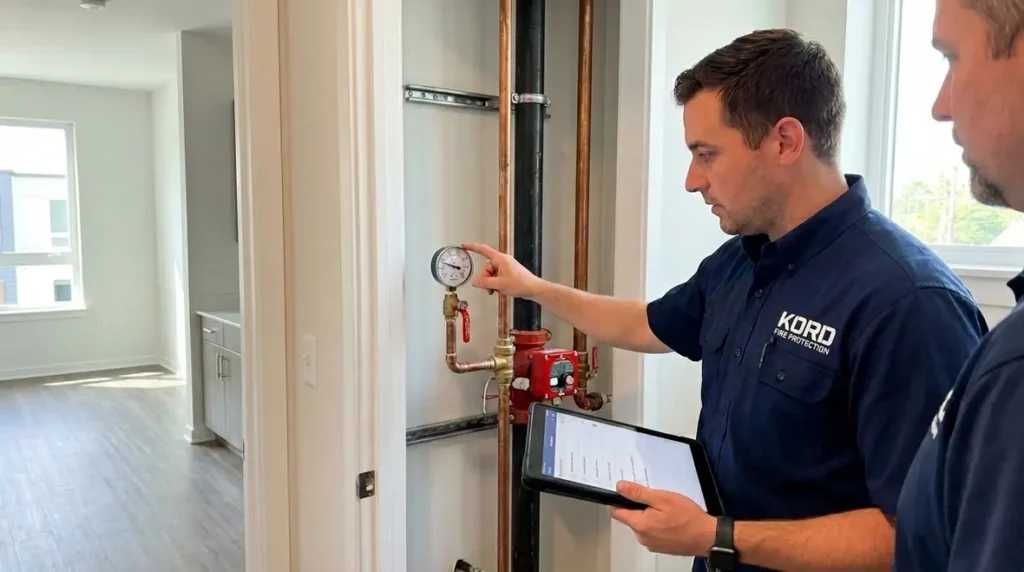
Next, the water supply gets attention. A sprinkler system can look perfect, yet fail if supply and performance do not meet requirements. Therefore, managers should focus on water flow, pressure, and connection readiness.
During inspection activities, they should verify:
- That main isolating valves are in the correct position and secured
- Fire service connections and supply arrangements are accessible and not blocked
- Pressure readings and flow test results align with historical performance
- Any connected tanks, pumps, or dedicated supplies operate as designed
Also, managers should ask a simple question internally: if the system had to run right now, would it actually have the water it needs. If the answer is uncertain, the inspection needs deeper checks. Transitioning from “probably fine” to documented proof is the difference between calm operations and frantic calls.
Why supply issues hide in plain sight
Water supply problems are sneaky because the system can sit quietly for months without looking unusual. A valve can be shut, a pump issue can go unnoticed, or access to a connection point can slowly disappear behind stored materials. Everyone assumes the system is ready because nothing appears wrong from the corridor. Then an actual emergency demands performance, not assumptions. That is why this part of the checklist deserves more than a quick glance and a hopeful nod.
3. Valves, tamper switches, and supervision: where small issues become big ones
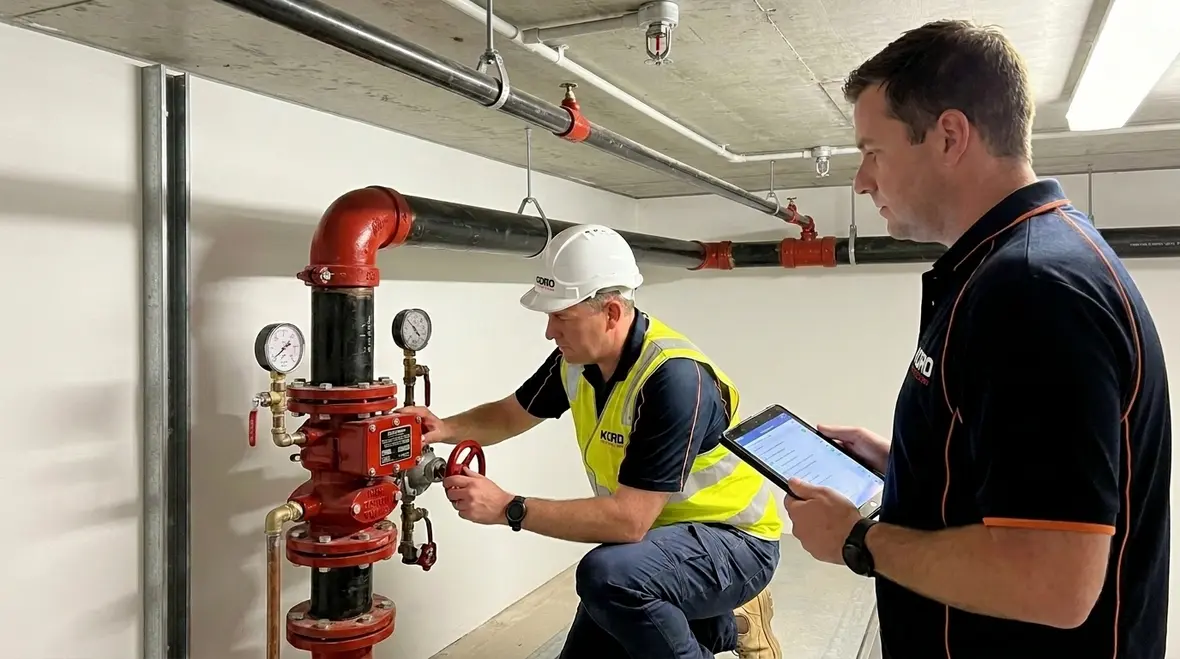
After the water supply, managers should examine valves and supervision devices. Fire sprinklers rely on controlled paths. Consequently, valve position changes, blocked indicators, or failed supervision can delay detection and reduce effectiveness.
Good building manager checks include confirming that:
- Test and drain valves operate and drain safely, without unsafe water discharge
- Waterflow alarm devices and pressure switches report correctly
- Supervisory systems show correct status at the fire panel or monitoring station
- Tamper seals are intact and valves are correctly labelled
Sometimes, a valve is left in the wrong position after maintenance. Sometimes, a technician swaps a component and forgets to restore the supervision status. And sometimes, the monitoring system logs events but nobody reviews them. If it sounds dramatic, that is because it is. In the real world, small “administrative” gaps turn into operational hazards.
The boring details that save the day
This is the part of sprinkler readiness that rarely gets applause. Nobody throws a party because a tamper seal stayed intact or because a supervisory signal matched the panel status. Still, these boring details are often what separate an orderly response from a messy one. They create confidence that the system is not just installed, but actually watched, understood, and kept in a ready state by people who know what they are looking at.
4. Sprinklers and pipework: check for change, damage, and wrong fit
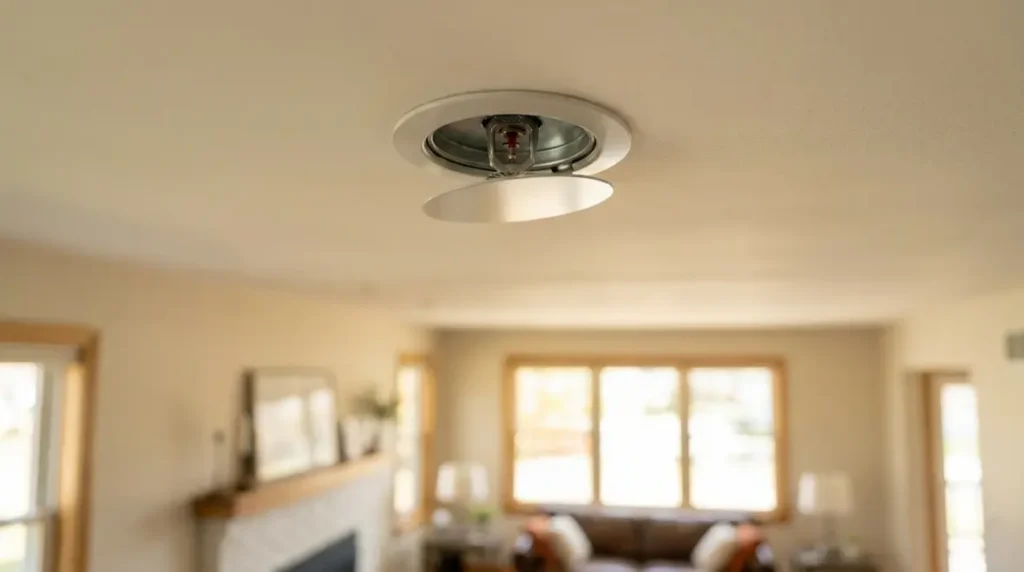
Now the inspection shifts to physical components. Sprinklers and pipework can face impacts from construction works, storage changes, and even minor collisions. Over time, this can create the conditions for partial impairment or incorrect operation.
Building managers should look for:
- Sprinkler damage, corrosion, paint overspray, and signs of obstruction
- Missing caps or non compliant sprinkler substitutions
- Pipe supports integrity and visible signs of leakage
- Areas where storage or plant machinery could block spray patterns
- Evidence of modifications around sprinkler heads
They should also ensure sprinkler types remain correct for the environment. For example, a high corrosion area requires careful attention, and temperature response matters when spaces heat up or stay cold. Additionally, managers should align the inspection with site works. If forklifts moved recently, or ceiling tiles changed, the sprinkler system deserves a closer look. The goal is to catch defects while they still cost minutes, not weeks.
Why “minor changes” are never that minor
A pallet stack that creeps higher, a painted ceiling tile, a shifted machine, a casual duct addition, these things rarely arrive announced as fire safety risks. They show up as practical site changes made for speed, convenience, or space. Unfortunately, sprinkler performance does not care why the change happened. If spray patterns are obstructed or components are damaged, the system can become less effective while still looking normal enough to fool a rushed inspection.
5. Testing, documentation, and compliance evidence that survives scrutiny
Then comes the part many managers dread: proving the work was done properly. However, strong documentation helps reduce risk, speeds approvals, and supports informed decision making for operations teams.
Kord Fire Protection approaches this with a clear focus on verifiable outcomes. During a fire sprinkler inspection Canberra program, managers should expect clear reporting on what was checked, what passed, what did not, and what actions come next.
Managers should request documentation that includes:
- Specific test results and measured performance where applicable
- Locations of any faults or non conformities, with photos when possible
- Recommendations with priority levels and suggested timeframes
- Evidence of valve supervision and alarm device outcomes
- Clear defect lists that maintenance teams can action
In business, documentation often feels like paperwork for paperwork’s sake. Yet, during an incident, it becomes the bridge between uncertainty and confidence. And if an auditor asks questions, a good inspection record answers them without turning the site into a stress test.
6. Why Kord Fire Protection becomes a vital partner for ongoing readiness
Many facilities treat sprinkler checks as a periodic event. Kord Fire Protection helps shift that mindset into ongoing readiness. That means fewer surprises and better coordination between operations, maintenance, and any future upgrades.
Here is how a strong partner supports building managers in industrial, retail, and commercial facilities across Australia:
- They align inspection timing with site schedules to limit downtime
- They help teams understand findings in plain language, not technical fog
- They support defect tracking so fixes get completed and verified
- They coordinate with other life safety tasks to avoid conflicting work
- They provide consistent evidence to support compliance and audits
In other words, Kord Fire Protection does not just inspect. It helps managers stay ahead. So when the next upgrade happens, the sprinkler system does not become the “surprise problem” everyone pretends they did not know about. That is the difference between being reactive and being ready.
FAQ
Conclusion
Fire sprinkler readiness should never be left to chance. When building managers check water supply, supervision, physical integrity, and documentation quality, they protect people and keep operations steady. Kord Fire Protection can support that goal with clear reporting, practical defect actions, and a calm, coordinated approach that fits real industrial and commercial schedules. If a site needs confidence, not guesswork, contact Kord Fire Protection and book a review today.