Fire Sprinkler Inspection Perth Fix Defects Faster
Quick Answer: Fire sprinkler systems quietly do their job, until they do not. In Perth, inspections find issues like blocked heads, leaking valves, wrong water supplies, and corroded pipework. These defects can delay suppression and raise losses. Kord Fire Protection helps building owners fix findings fast, with compliance focused testing and reporting.
Fire safety should never feel like a game of chance. That is exactly why fire sprinkler inspection Perth matters for industrial, retail, and commercial facilities across Australia. When a sprinkler system sits in the background, it can look “fine” while still hiding defects that threaten performance. And yes, the system can fail without making a dramatic noise, unlike a movie villain monologue.
In the sections below, third person guidance will walk through what inspectors look for, the defects that raise risk, and how a reliable partner can reduce downtime while improving compliance. Kord Fire Protection can become that vital partner, turning inspection results into practical actions that protect people, assets, and operations.
For sites that also need broader coverage planning, Australian fire sprinkler services can sit alongside inspections to support a more complete protection strategy across changing commercial environments.
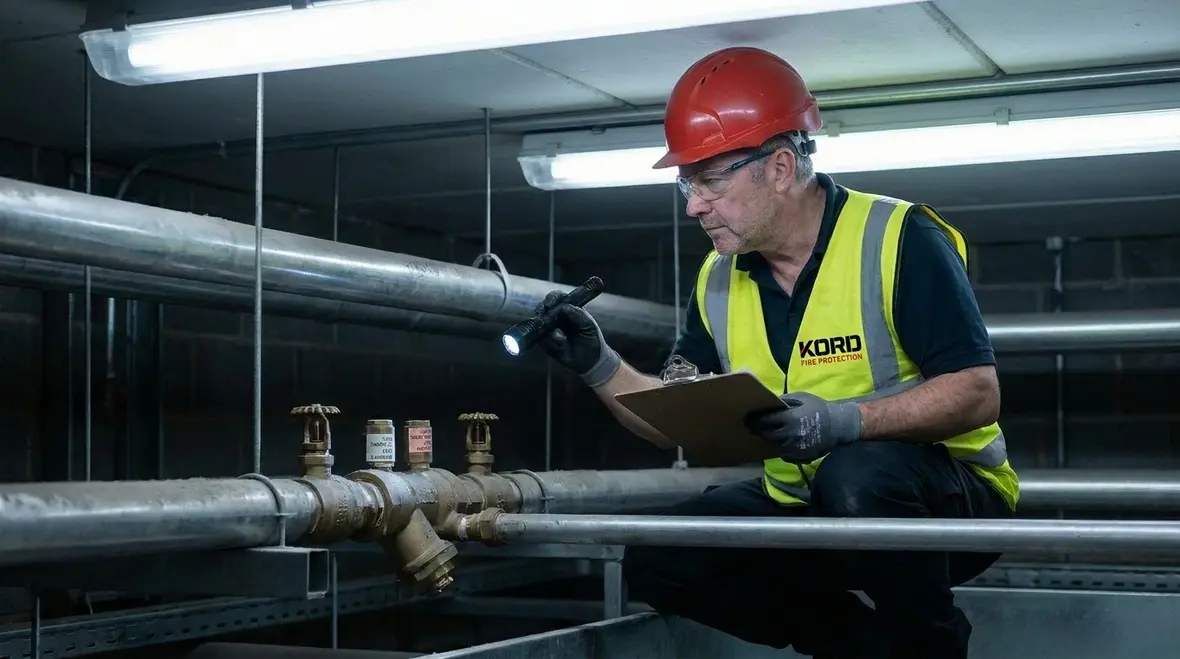
Why sprinkler inspections decide whether protection performs
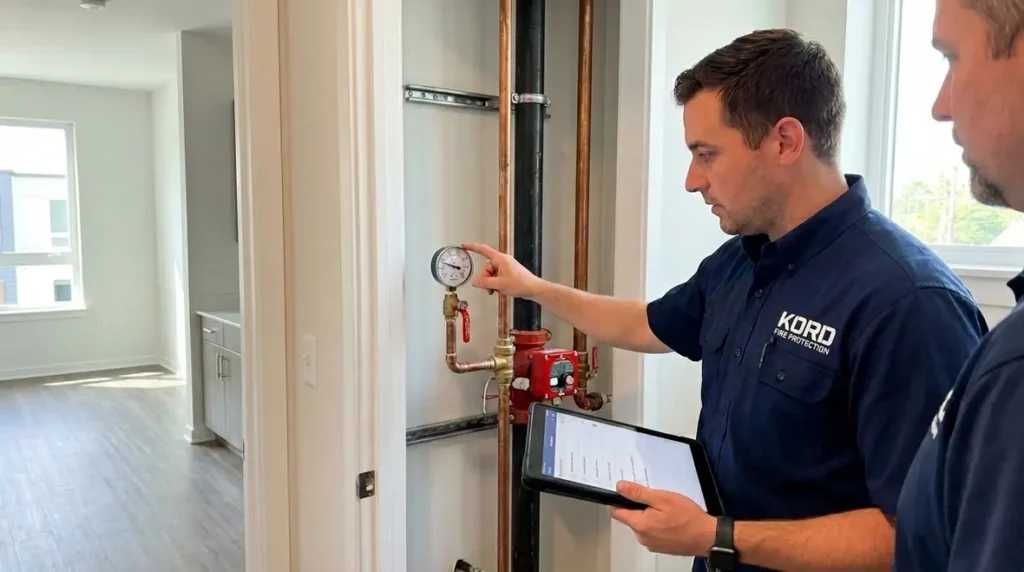
A fire sprinkler system depends on three things working together: the sprinklers must operate correctly, the water supply must deliver the right pressure and flow, and the system must be kept in a reliable condition. Therefore, a proper inspection does more than tick boxes. It checks the physical components and the readiness of the system as it exists on site.
Even small problems can compound. For example, a valve that is slightly out of position can slow water delivery. Meanwhile, a sprinkler that is painted, damaged, or obstructed can fail to discharge when heat activates it. As a result, the system may protect nothing, or it may protect only part of the area.
In fast paced facilities, people sometimes treat maintenance like a browser tab they plan to close later. However, fire readiness does not wait. Kord Fire Protection supports inspections with a clear process, so findings become a plan rather than a pile of paperwork.
What a proper inspection is really confirming
At a practical level, an inspection is confirming whether the system still matches the building it is meant to protect. That sounds simple until a facility has gone through storage changes, service upgrades, tenant adjustments, equipment relocations, or renovation work over time. A sprinkler layout that worked perfectly on day one can become compromised later without anyone making an obviously reckless decision.
That is why inspections matter so much for active sites. They reveal whether the system remains aligned with actual conditions, rather than assumed conditions. It is the difference between trusting a plan on paper and checking the site that exists today.
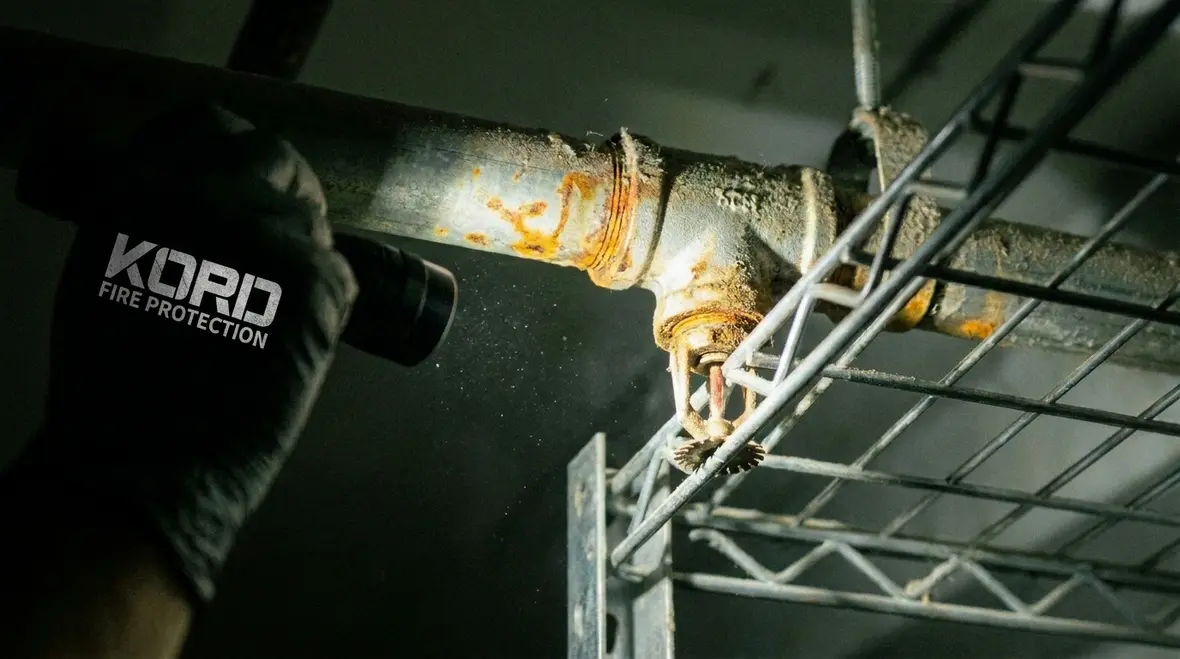
Defects that put buildings at risk in real life
Inspectors tend to see the same categories of defects across commercial and industrial settings. Here are the ones that most often increase risk, and why they matter.
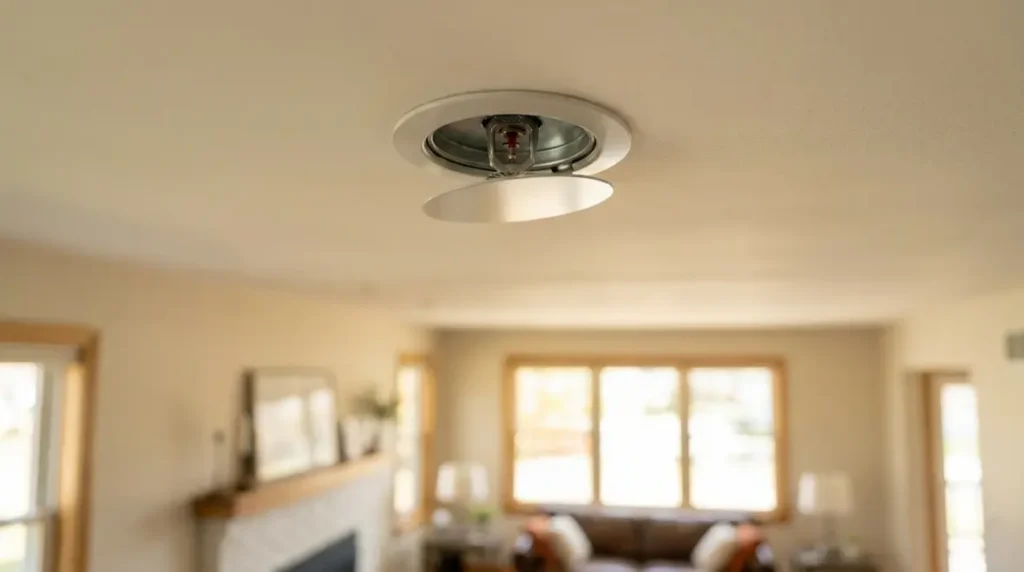
- Obstructed or altered sprinkler heads: Storage racks, ceiling services, or after build changes can block spray patterns. Also, painting or using incorrect caps can stop discharge.
- Corroded or damaged pipework: Corrosion reduces internal diameter, and damage can create weak points. This leads to low flow at the most important moment.
- Valve tampering or incorrect valve position: A closed control valve, stuck gate valve, or missing supervision can prevent water flow.
- Pressure and flow problems: The system needs the right pressure. If the pump, tank, or supply does not meet required performance, sprinklers will underperform.
- Leaks and system water loss: Small leaks can drop pressure over time. When a fire starts, the system may not have the headroom it needs.
- Incorrect installation or non compliant components: Swapped sprinklers, wrong temperature ratings, or incompatible parts can cause premature activation or failure to activate.
- Hidden damage from construction work: Renovations can dislodge fittings, misalign sprinklers, or introduce debris into the system.
And to keep it honest, inspections sometimes uncover issues that sound minor until you connect them. A missing tag here, a partially tightened fitting there, or a storage change above a ceiling tile. Then the defects line up, and performance drops. That is where fire sprinkler inspection Perth becomes more than a compliance task.
Why “small” defects are rarely small for long
The tricky part with sprinkler defects is that they often develop quietly. A leak starts as a nuisance. Corrosion starts as a maintenance note. A blocked head looks like a layout issue for another day. But sprinkler performance depends on several linked elements doing their job together. Once a few of those elements drift out of spec, the whole system loses confidence.
That is why faster remediation matters. The longer defects sit, the more likely they are to combine with site changes, wear, or human error. And no one wants a safety system that is technically present but emotionally unavailable.
How inspectors spot issues without guessing
Because systems are buried behind ceilings and pipe networks, inspections must rely on structured methods. Inspectors typically combine record review, physical checks, and system testing. As a result, they can verify what the system is meant to do, and confirm what it will actually do.
They usually check the following:
- Records and history: Prior reports, test results, work orders, and any alterations to the system.
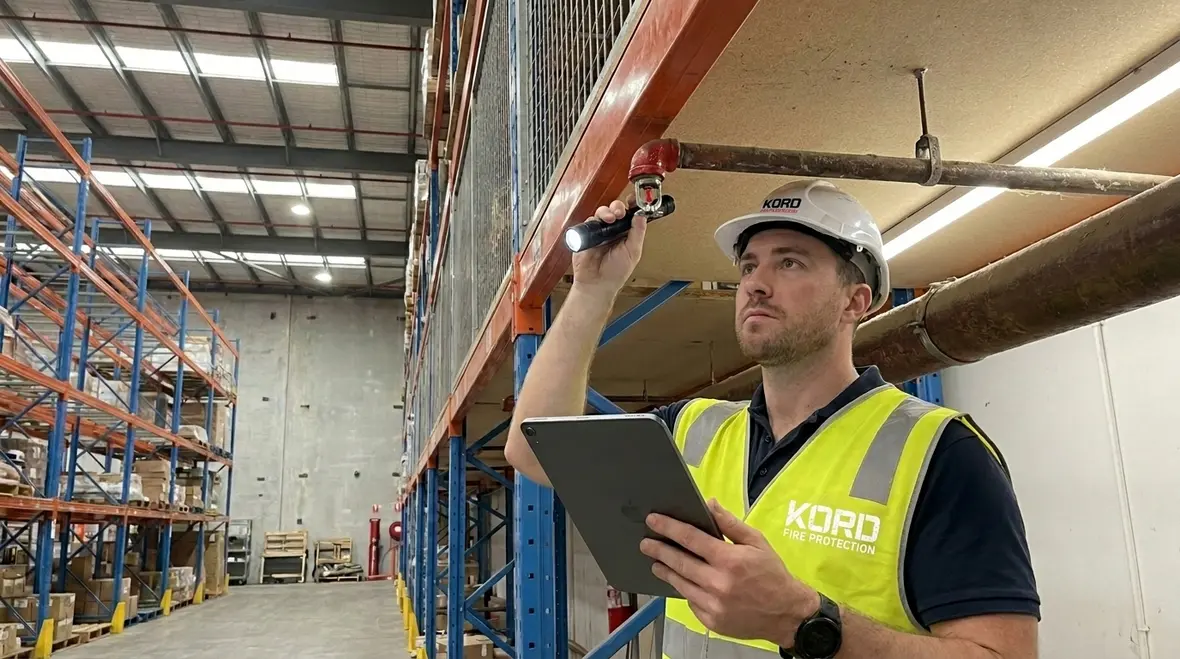
- Visual inspection: They look for obstructions, damage, corrosion, signage issues, and signs of leaks.
- Valve and control checks: They confirm valve positions, supervision fittings, and accessibility for operation.
- System readiness: They assess areas where services, racking, or new partitions may interfere with sprinkler discharge.
- Performance related checks: Depending on system type and schedule, testing may include pump checks, water supply verification, and other verification steps.
Transition matters here. After the inspection, the output should translate into actions that suit the site. Kord Fire Protection works in a way that respects operational reality, so facilities can fix critical defects first and plan the rest with clear timelines. That way, the business keeps running while risk drops.
A useful inspection report should not read like a puzzle. It should tell the client what was found, where it matters, how urgent it is, and what action should happen next. That clarity is often the difference between a defect being fixed promptly and a defect becoming tomorrow’s repeated note.
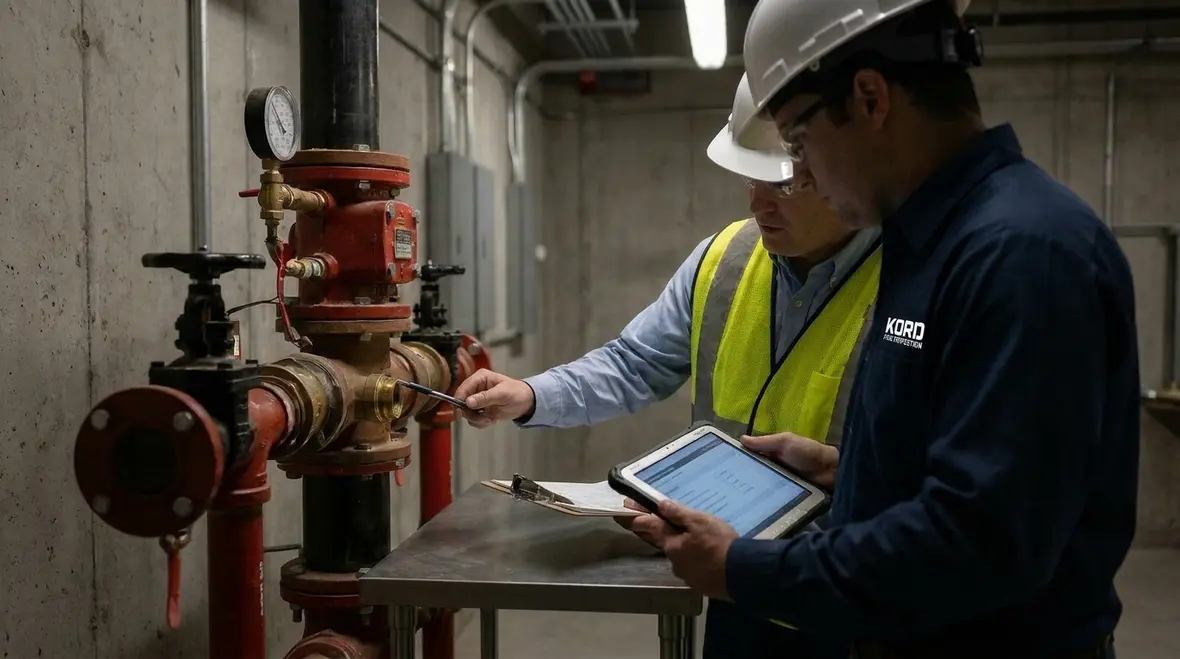
Industrial and retail risks need site specific attention
Facilities do not all fail the same way. Industrial sites often deal with mechanical vibration, heat sources, storage density, and frequent site changes. Retail spaces often experience frequent fit outs, temporary storage, and layout shifts. Both can impact sprinkler performance.
For industrial and warehousing operations, inspectors focus on high risk storage arrangements and potential obstruction points. For retail and mixed commercial sites, inspectors pay attention to ceiling modifications, new services, and any changes that could alter sprinkler spray patterns.
Furthermore, facilities across multiple tenancies or shared plant areas need consistent reporting and coordination. When one contractor upgrades a ceiling or reroutes cable trays, sprinklers can end up “in the way” without anyone meaning harm. It is a bit like rearranging the furniture in a hurry and then acting surprised when the couch blocks the doorway.
So, the best outcomes come from a partner who understands how buildings change. Kord Fire Protection can act as that steady hand, aligning inspection findings with practical remediation steps that suit each facility type.
Different environments create different defect patterns
That site specific approach matters because risk does not show up uniformly. A warehouse may struggle with dense storage and forklift impact risks, while a retail tenancy may introduce decorative ceilings, signage, lighting, and partition changes that interfere with discharge. The inspection process has to account for how the building is actually being used, not just what the original drawings expected.
Why Perth compliance needs clear documentation and faster follow up
Inspection results must do two jobs. First, they must prove that the system meets required standards. Second, they must show what defects were found, how serious they are, and what needs to happen next.
When documentation is unclear, teams waste time deciding what to fix and when. That delay can increase exposure. Therefore, reports should separate urgent risk from scheduled maintenance, and include enough detail for maintenance teams to act.
Also, follow up should not feel like chasing ghosts. If a defect is repeatable, the remediation should include prevention. For example, if obstructed sprinklers occur due to racking placement, the facility may need updated operational controls, not just a reinspection later.
Kord Fire Protection supports this workflow by helping clients move from findings to action. In practical terms, that means coordinated planning, remedial works where required, and a clear understanding of system status after work completes.
Partnering for safer systems with Kord Fire Protection
Building owners often ask for one thing after inspection: “What do we do next?” Kord Fire Protection aims to answer that question clearly. They work as a vital partner with inspection and remediation planning for industrial, retail, and commercial facilities.
In addition, the approach supports business continuity. That means less guesswork, better prioritisation, and a focus on the defects that can delay suppression or reduce sprinkler effectiveness. So while inspections identify problems, Kord Fire Protection helps clients close the loop with timely, practical solutions.
If you want a sprinkler system that behaves as designed, do not treat inspections like a seasonal ritual. Treat them like a safety system for your safety system.
FAQ
Conclusion and CTA
Fire sprinkler systems only protect when they work as designed, and defects can hide in plain sight. A professional inspection reduces the risk of delayed suppression, low flow, and obstructed discharge. If Kord Fire Protection is brought in as a partner, inspection findings become a workable remediation plan that protects industrial, retail, and commercial facilities. Contact Kord Fire Protection today and book your next inspection and follow up, so your safety systems stay ready, not hopeful.