Fire Sprinkler Testing Wollongong for Commercial Compliance
Quick Answer: Commercial buildings in Wollongong need reliable fire protection, and that starts with scheduled sprinkler checks. Fire sprinkler testing confirms heads, pipes, valves, and water supply perform as designed. It also helps reduce downtime, insurance friction, and regulatory risk. With the right provider, testing becomes a controlled job, not a surprise.
In the first place, businesses in the Illawarra do not get to treat fire safety like an afterthought. That is why fire sprinkler testing Wollongong should run on a clear schedule for commercial properties. When systems sit idle or are modified over time, performance can slip quietly, like a sitcom plot twist you missed. Then, when an alarm or incident comes, the system either delivers as expected or it does not. The difference often comes down to thorough testing, proper documentation, and a team that understands real site conditions.
For businesses reviewing broader system planning, Australian fire sprinkler services can help frame how testing, maintenance, and upgrades fit together across a commercial site.
How fire sprinklers protect commercial sites in Wollongong
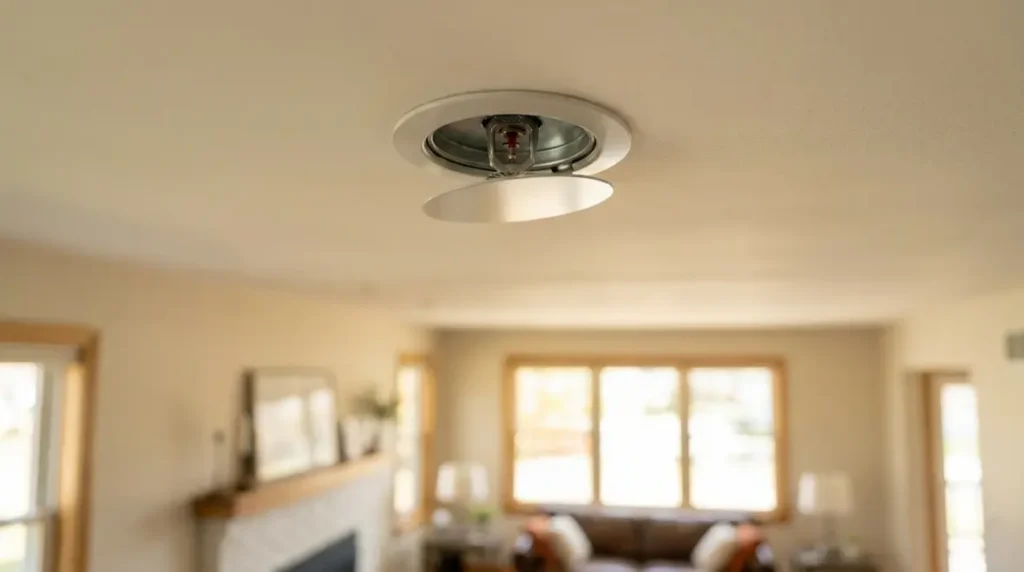
Commercial and industrial premises use sprinkler systems to control fire spread while people evacuate and crews respond. Unlike alarms alone, sprinklers actively shape the fire environment. However, the system only works when every component functions as intended. Water pressure, valve status, piping condition, and sprinkler head integrity all matter. In facilities across Australia, changes such as new racking, renovated offices, added plant rooms, or altered ceiling layouts can affect coverage and hydraulics. Therefore, ongoing testing keeps the system aligned with the current building reality.
Also, most business owners know this feeling: you run maintenance until something goes wrong, then suddenly maintenance becomes urgent. Testing aims to flip that script. It checks performance before the building hands you a problem at the worst time. That kind of foresight matters in warehouses, retail centres, offices, hospitality venues, schools, and mixed use properties where a fault does not just affect safety. It also affects staff confidence, daily operations, and how quickly a site can return to normal after a disruption.
Why passive confidence is not enough
A sprinkler system can look perfectly fine from the outside and still hide issues that only show up during a proper test. A shut valve, a damaged head, corrosion in the pipework, or reduced water performance may not announce itself with dramatic timing. It just waits quietly. That is why testing is not about guessing whether the system should work. It is about confirming that it actually will.
What testing should cover for commercial compliance
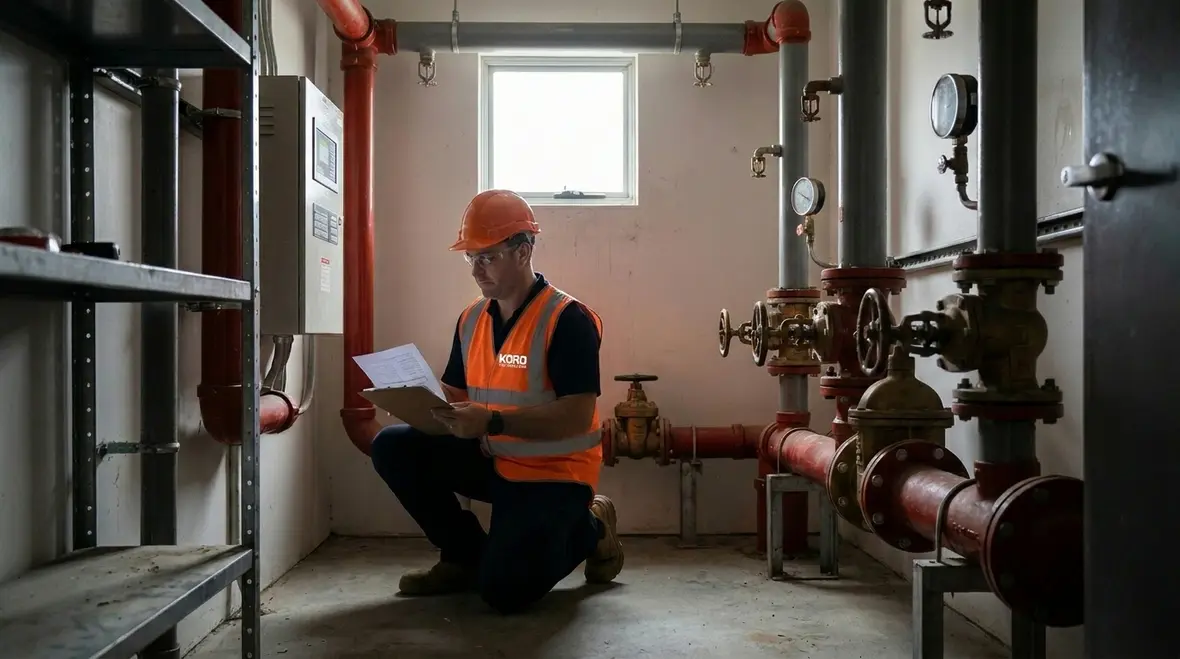
When a provider performs fire sprinkler testing Wollongong properly, they do not just look for obvious issues. They verify how the system behaves under conditions that match how it will respond in a real event. Typically, testing plans include checks of the water supply, fire pumps where fitted, control valves, tamper switches, and alarm interface points. Technicians also confirm that sprinkler heads have not been painted, damaged, blocked, or moved. If the building uses detection interlocks, testing should verify those signals too.
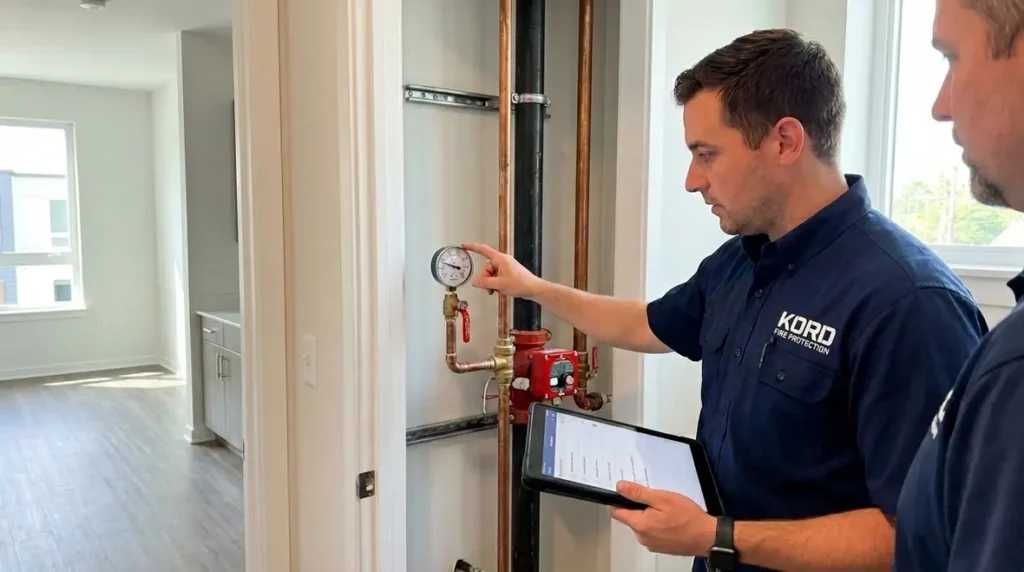
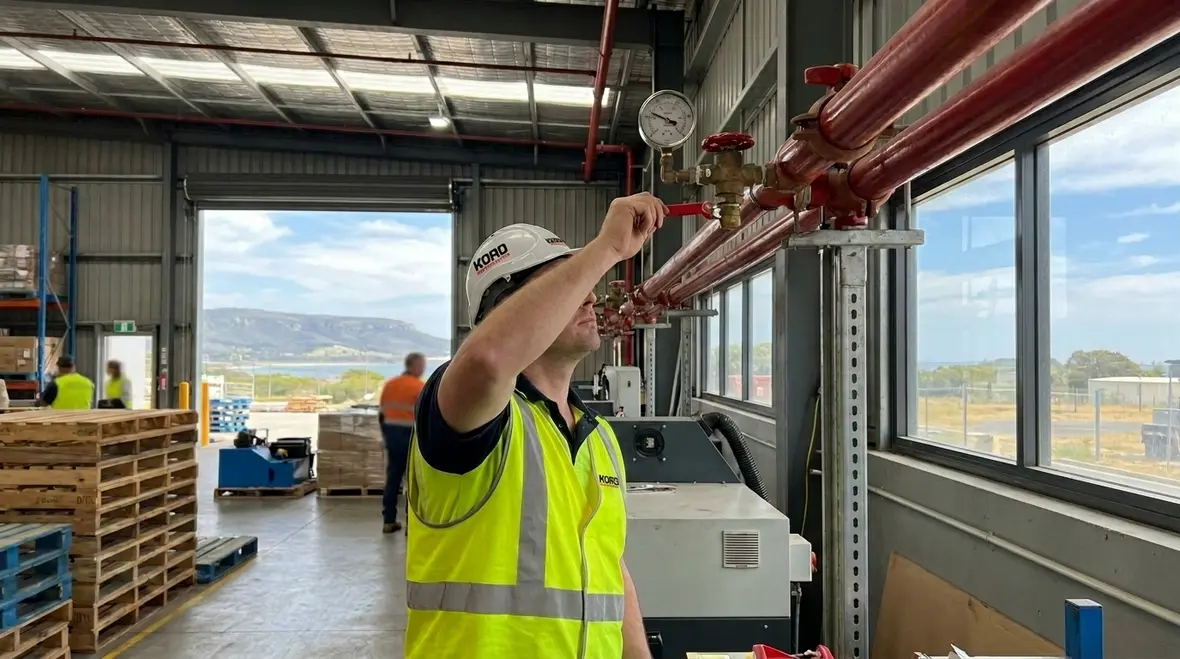
Importantly, testing often includes functional checks that confirm water flow and system response. Technicians may conduct flow tests, monitor pressures, verify gauge readings, and check that alarms and panels activate as required. In addition, they review records and previous test outcomes so the next visit targets issues sooner. This is where many quick jobs fail. They may tick a box, but they do not build confidence in system performance over time.
Testing that supports compliance and real world readiness
Commercial compliance is not just a paperwork exercise. It is a practical expectation that the system can protect life and property if something goes wrong. Good testing links the technical work on site with records that make sense to facility managers, owners, and auditors. If an issue is found, the report should not read like a cryptic riddle from a mystery show. It should clearly explain what happened, what it means, and what should happen next.
On site challenges that affect sprinkler performance
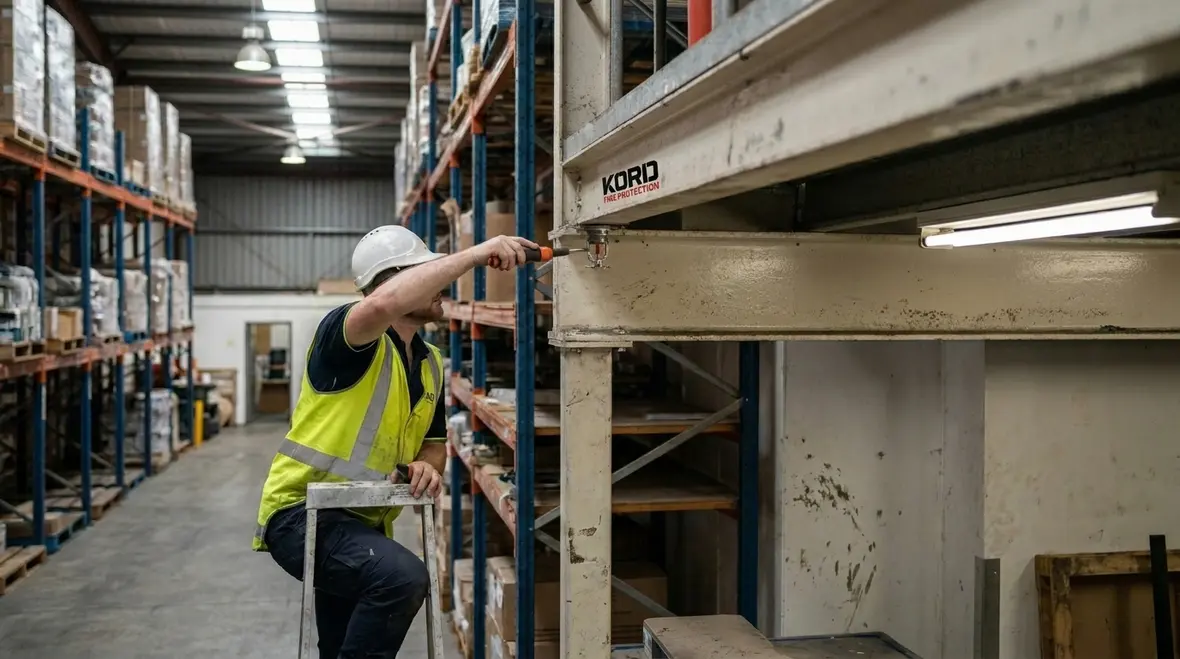
Commercial properties are not empty boxes. They have operations, staff, deliveries, production, and everyday movement. Consequently, testing must manage practical constraints while still meeting technical standards. For example, industrial sites often have vibration sources, heavy storage, and harsh environments that can affect sprinkler head condition. Retail facilities face fit outs, temporary displays, and frequent remerchandising. Meanwhile, offices and mixed use buildings may undergo ceiling changes that alter clearances and sprinkler layout.
Additionally, water supply characteristics can vary across time. Seasonal demand, local supply fluctuations, and aging pipework can influence pressure. If the building has a fire pump and controllers, testing should confirm pump start sequence, transfer behavior, and pump performance. Otherwise, a system can appear intact yet fail to deliver the required flow when it matters. The goal is simple: reduce uncertainty, not create paperwork theatre.
There is also the everyday issue of site evolution. A property that matched its layout drawings three years ago may now include new partitions, fresh storage patterns, additional plant, or service upgrades. None of those changes are automatically bad, but they can alter access, discharge patterns, and practical response conditions. Testing helps catch that slow drift between design intent and real use before it turns into a serious gap.
Coordination matters as much as technical skill
A site can have a technically capable sprinkler system and still struggle if testing is poorly coordinated. Plant rooms may be locked, trading periods may clash with inspections, and key staff may not know which areas need access. The smoother the communication, the smoother the testing day. That is one reason commercial clients value providers who treat operations with as much respect as compliance requirements.
Why regular testing reduces downtime and costly surprises
Businesses often ask how to balance testing with operations. The answer lies in planning and communication. A strong testing partner schedules around shift changes, avoids peak trading times, and coordinates isolation requirements where needed. Where shutdowns are unavoidable, testing can be structured to minimise disruption, and the team should explain what will happen, when it happens, and how the site remains protected.
Regular testing also supports decision making. If a system shows trends such as decreasing pressure stability or repeating faults, maintenance can target those root causes. That means fewer emergency callouts, fewer last minute contractor rush jobs, and fewer we only noticed after the report moments. In other words, testing becomes a business tool, not a compliance tax.
The financial logic is pretty straightforward. Planned testing usually costs less than reactive disruption. An emergency fault can interrupt tenants, trading, logistics, contractors, or production at exactly the wrong time. By contrast, scheduled inspections create a known window, a known scope, and a known path to follow up. That predictability is worth a lot when managers are already juggling too many priorities before lunch.
How Kord Fire Protection becomes a vital partner
Here is the part that matters for long term safety and smooth operations. Kord Fire Protection does not treat fire sprinkler testing as a one time event. Instead, our team works as a vital partner with commercial and industrial clients who need reliable service, clear advice, and documentation they can use.
Our approach focuses on three outcomes: accuracy on site, communication that fits business realities, and reporting that helps teams act. Because different premises carry different risks, we tailor testing plans to the building layout and operational patterns. Then we help clients understand what we found and what should happen next, so the next visit does not start from scratch.
And yes, we know scheduling maintenance can feel like herding cats. But when Kord Fire Protection manages the process, clients usually get less chaos and more control. That calm feeling you want during a safety visit? That is what we aim to deliver.
What good partnership looks like in practice
A good fire protection partner does more than arrive, test, and disappear into the sunset. They understand the pressures on property teams, communicate clearly with site contacts, and provide reports that support real action instead of collecting digital dust in a folder nobody wants to open. Over time, that relationship gives businesses more confidence, fewer surprises, and a clearer view of system condition across the whole property.
Best practice checklist for facility managers
To keep fire sprinkler testing Wollongong running like clockwork, facility managers can prepare a simple checklist before the technician arrives.
- Confirm access to plant rooms, risers, ceiling spaces, and any concealed valve assemblies.
- Review recent changes like fit outs, new storage, ceiling modifications, or equipment relocation.
- Keep records of previous tests, maintenance notes, and any faults reported earlier.
- Plan site timing to reduce disruption during high traffic or production periods.
- Assign a point of contact who can coordinate isolations or escort access safely.
- Verify signage and visibility for alarms, valves, and control panels so the site can respond quickly.
FAQ
Conclusion and call to action
Fire safety should feel steady, not reactive. When commercial buildings schedule fire sprinkler testing Wollongong, they protect people, reduce risk, and avoid disruptive surprises. Kord Fire Protection works with facilities across Australia, combining practical site management with detailed reporting that helps teams act quickly. If your building needs testing, upgrades, or a clearer maintenance plan, contact Kord Fire Protection today for a tailored approach and a calmer safety process.