AS 2419 Fire Pump Testing Maintenance Compliance in Australia
Quick Answer: AS 2419 sets the rules for testing, commissioning, and maintaining fire pump systems so they work when lives and property matter. In practical terms, building owners use it to plan inspections, manage pump performance, and stay audit ready. Kord Fire Protection helps owners meet compliance with clear reporting and reliable ongoing service.
When a fire starts, the building does not “hope.” It performs. That is exactly why AS 2419 matters for fire pump systems in industrial, retail, and commercial facilities across Australia. In the first place, AS 2419 defines expectations around installation, testing, and ongoing maintenance. Then it pushes building owners to prove that their pumps will deliver the required water flow at the right pressure, consistently, and without drama. And yes, the “no drama” part is important, because fire pump failures tend to show up like uninvited party guests.
For owners wanting a practical way to connect compliance with day to day fire protection management, Kord Fire Protection provides support across servicing and ongoing system care through its fire protection services, helping sites keep essential assets organised, tested, and ready for action.
What does AS 2419 cover for fire pump compliance?
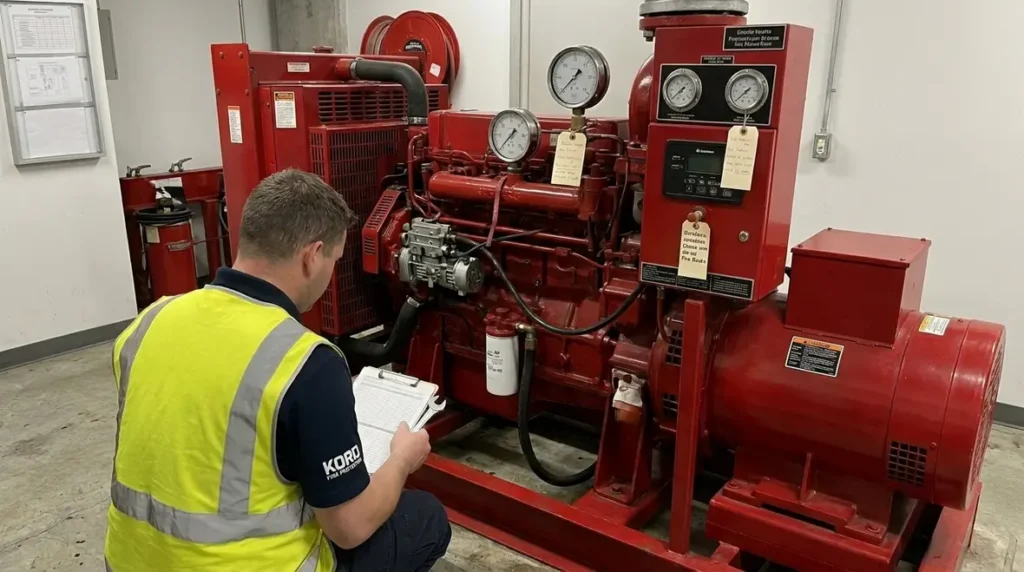
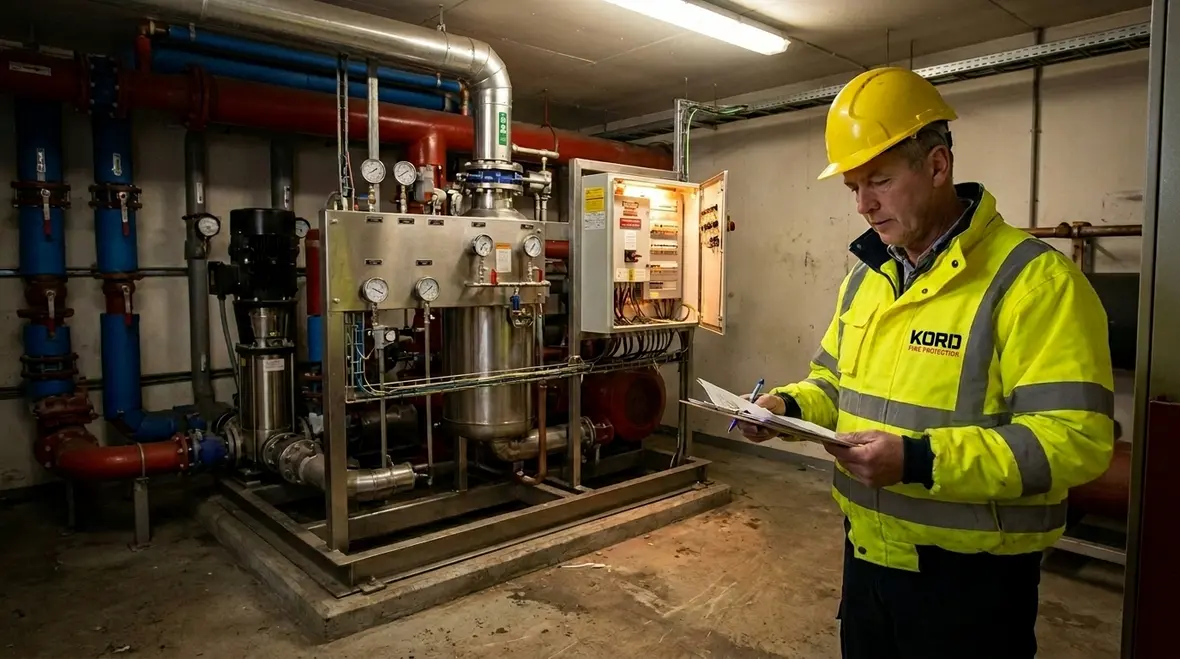
AS 2419 focuses on how fire pumps are commissioned and then kept in service, so the system is ready at the moment it is called. It covers things like functional testing, performance verification, and maintenance practices that confirm the equipment can deliver water to the fire protection system. As a result, building owners avoid the classic problem of thinking a pump is “probably fine” because it turned on once during installation. That is not compliance. That is luck, and luck is not a maintenance strategy.
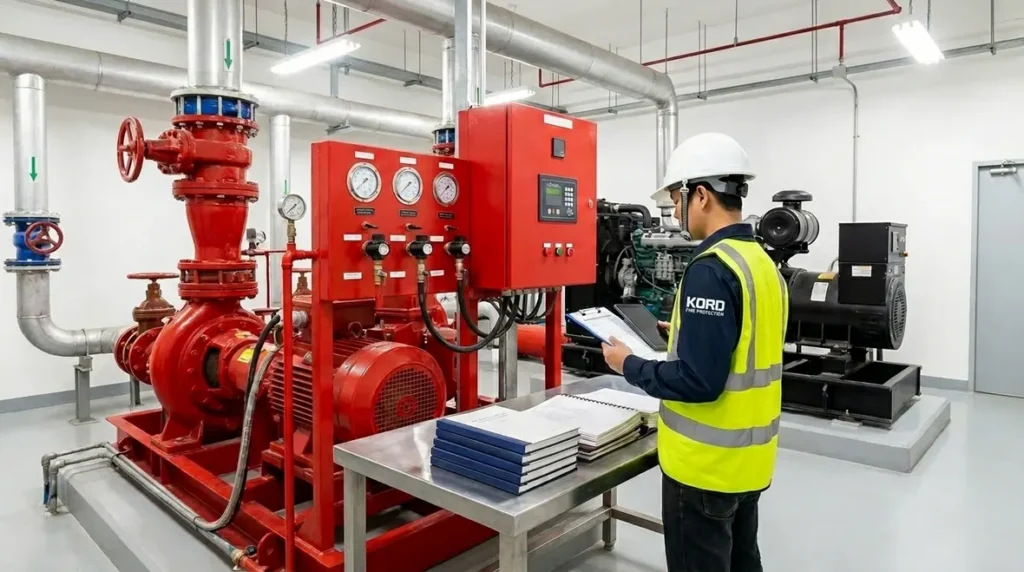
In practical workplace terms, compliance typically includes checking the pump setup, verifying control and starting arrangements, confirming the duty and standby behaviour, and ensuring the system starts and runs as intended. Also, it requires ongoing service so faults do not build up in the background. For industrial sites with high uptime demands, and retail centres with constant operations, this means owners need a plan that fits real schedules rather than disrupting operations “whenever it’s convenient.”
Why performance proof matters more than assumptions
A fire pump is one of those building assets that gets judged very harshly by reality. It either delivers when needed, or it becomes a very expensive confidence trick. That is why compliance under AS 2419 is not just about whether a motor starts. It is about whether the system supports the broader fire protection design intent with dependable flow, pressure, controls, and repeatable operation. In other words, the standard pushes owners to replace “we think it works” with “we have evidence it works.” That distinction matters in audits, in risk reviews, and most of all in emergencies.
How owners turn AS 2419 requirements into a workable maintenance plan
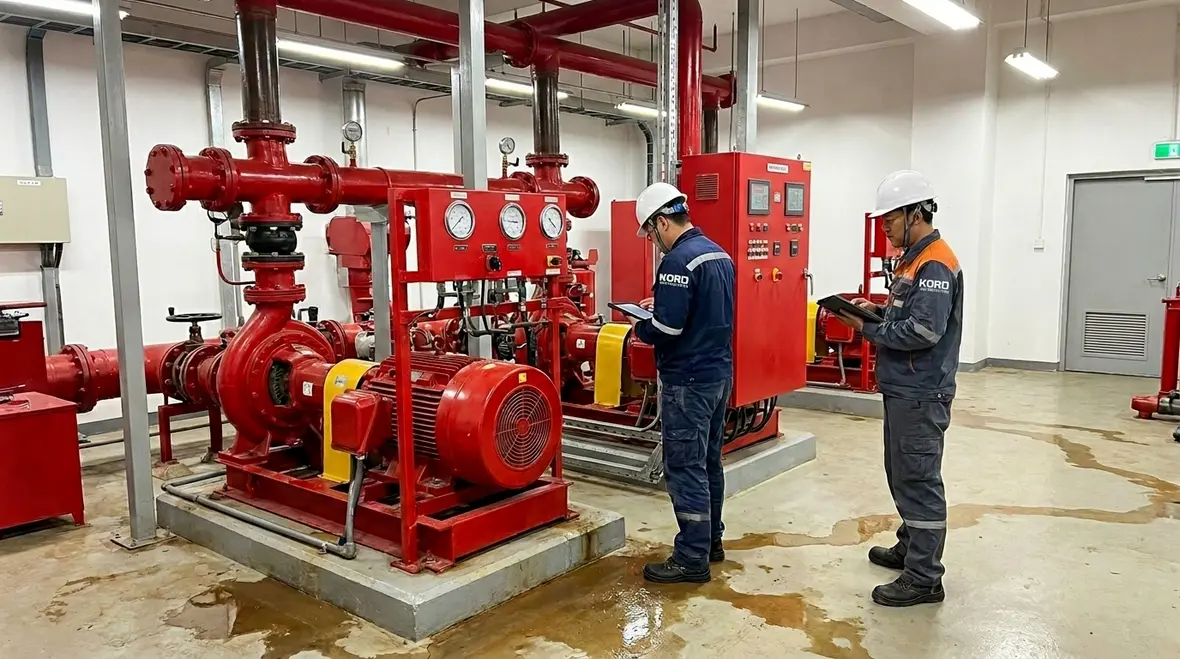
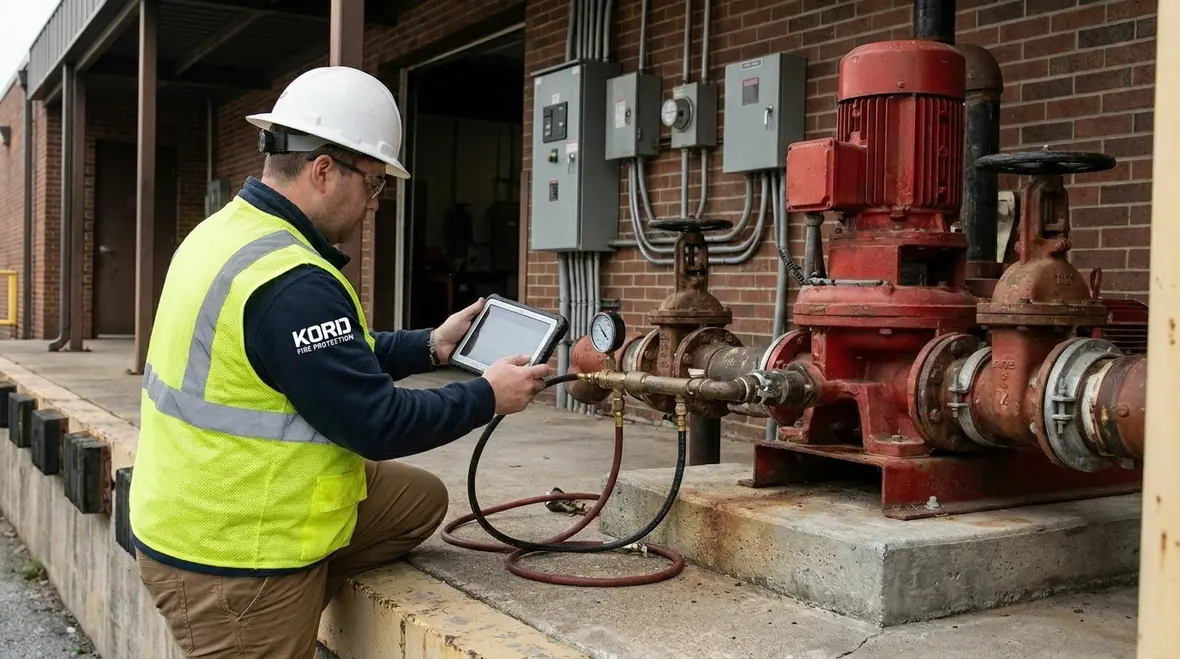
Building owners succeed when they treat compliance like operations, not paperwork. First, they confirm what equipment exists on site, including pump type, controller setup, power arrangements, valves, suction and discharge conditions, and the monitoring points used during tests. Then they build a maintenance calendar that matches the system’s risk level and duty profile. Finally, they document results in a way that survives audits and internal governance.
However, a maintenance plan fails when it stops at “test once a year.” Fire pumps live in the real world. Pipes collect scale. Valves stick. Controls drift. Electrical components age. Even if nothing looks wrong, performance can change slowly, until it becomes a sudden problem. Therefore, owners should require service that checks not only whether the pump starts, but whether it performs as expected under relevant conditions.
To make this actionable, service providers often help owners with a compliance pathway that includes pre planned testing, defect tracking, and corrective work management. Kord Fire Protection supports that approach, so the building does not just tick boxes. It stays ready.
What a practical maintenance calendar usually includes
A workable plan usually starts by identifying who is responsible for what, when access is available, and how test windows can happen without creating headaches for operations teams. It should also spell out what gets observed during each visit, what counts as a defect, how corrective actions are prioritised, and who signs off the results. That sounds boring until an audit lands on the desk or a system fault appears at exactly the wrong time. Suddenly, boring looks very smart.
The best plans are also realistic about site conditions. An industrial manufacturing plant may need carefully coordinated access and tight shutdown planning. A retail centre may need testing windows that avoid peak customer periods. A commercial asset may need reporting formatted for both facilities management and governance teams. Compliance only becomes sustainable when the plan reflects how the building actually operates.
Common fire pump issues that threaten performance under AS 2419
Even well owned facilities can face recurring issues that reduce fire pump reliability. For example, suction problems can limit flow, especially if the suction conditions change over time due to sediment, leaks, or valve drift. In addition, discharge-side restrictions can create higher pressures than expected or reduce achievable flow. Controls also play a major role. If alarms, interlocks, or starting logic do not behave correctly, the pump may start late or in the wrong mode. And yes, delays are the kind of detail that love to hide until the worst moment.
Electrical systems are another frequent risk area. Voltage drops, motor health, and switchboard condition can affect performance. Meanwhile, pump alignment and coupling integrity can wear, creating efficiency losses. Then there is the human factor: inadequate access to the pump room, missed observations during routine checks, and no clear method for recording defects. Consequently, owners need both technical competence and a disciplined service rhythm.
Because AS 2419 compliance hinges on evidence, owners should ensure each visit includes test results, calibration checks where applicable, and clear reporting on any parameters that sit outside acceptance criteria. Kord Fire Protection works with owners across multiple asset types, from industrial manufacturing facilities to high activity retail sites, keeping the focus on measurable performance rather than vague assurances.
Small faults become big problems when nobody owns them
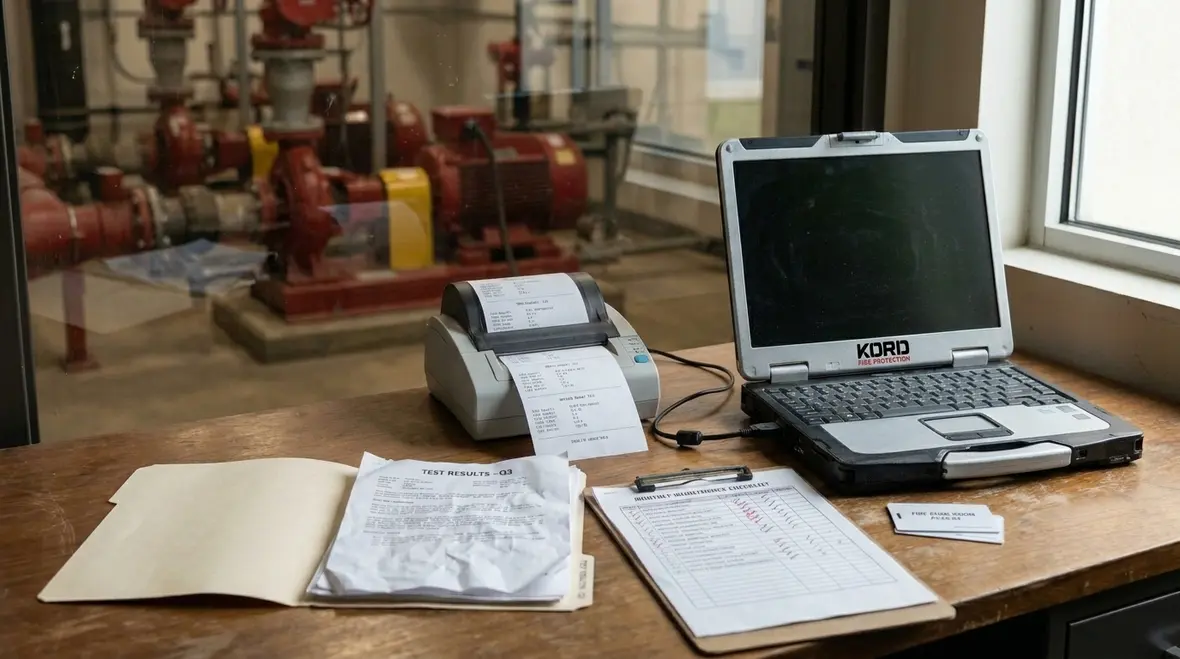
One of the most common causes of compliance drift is not a dramatic equipment failure. It is the slow accumulation of little issues that nobody closes out. A sticky valve here, an odd alarm there, a pressure reading that seems “close enough,” and before long the site has built itself a very expensive surprise. Strong reporting and corrective action management stop that drift by making defects visible, assignable, and traceable through to completion.
Choosing the right partner for AS 2419 service and reporting
Building owners should look for a partner who understands compliance and can translate it into day to day actions. First, the right provider helps establish an inspection and testing regime that aligns with AS 2419 expectations and the site’s operational reality. Second, they provide reporting that is clear for facility managers and useful for governance teams. Third, they respond quickly to faults and manage corrective actions without endless delays.
Now here is where Kord Fire Protection becomes a vital partner. Owners do not just need a “technician with a checklist.” They need a service team that treats the pump system like critical infrastructure. Kord Fire Protection brings structured compliance support, so owners can coordinate access, manage testing windows, and track defects to completion. Also, Kord can help facilities understand what the test results mean, so decisions are based on data, not guesses.
In the long run, better service reduces downtime risk. It also reduces the chance of expensive last minute fixes when an audit or emergency scenario forces urgent action. Basically, it turns compliance into a controlled process, not a firefighting exercise. Ironically, owners end up “firefighting the paperwork” less often too.
What good reporting should give owners
Good reporting should answer straightforward questions quickly. What was tested. What passed. What did not. What needs attention now. What can be scheduled. What trend is developing over time. If a report cannot do that, it is not helping much. Facility managers need clarity, governance teams need records, and contractors need an agreed path to close defects. When all three groups can understand the same set of results, compliance becomes easier to manage and much harder to ignore.
Dual column example: compliance workflow owners can expect
The following workflow shows how a strong compliance approach typically moves from planning to action. The process keeps continuity across industrial, retail, and commercial assets, even when sites have different operating constraints.
| Owner focus | Kord Fire Protection support |
| Confirm equipment and site constraints | Review pump and control setup, note access limits, plan testing windows |
| Schedule testing and maintenance | Provide planned visits and coordinate operational impact |
| Verify performance, not just start events | Carry out functional testing with results captured for compliance evidence |
| Manage findings and close defects | Identify issues, document actions, support corrective works to completion |
| Maintain audit ready records | Deliver clear reports and track compliance history over time |

FAQ about AS 2419 fire pump compliance
Conclusion: get fire pump compliance under control with Kord Fire Protection
Fire pump compliance should not feel like a guessing game or a last minute scramble. When building owners follow AS 2419 with a practical maintenance plan, they reduce risk and protect both people and assets. Kord Fire Protection helps facilities across Australia with structured testing, clear reporting, and timely corrective action management. Reach out to Kord Fire Protection to review your current setup and build a compliance pathway that fits your operations. Then let the pumps do their job, quietly and reliably.