AS 1851 Fire Pump Maintenance Testing and Compliance
Quick answer: AS 1851 sets clear requirements for maintaining fire pumps so they stay ready when seconds matter. A proper program includes routine inspections, functional tests, record keeping, and planned servicing. When facilities follow AS 1851, they reduce breakdown risk and improve compliance. And yes, it can still be boring in the best way.
Fire pump downtime is like a broken alarm clock on a workday. You do not notice it until it is too late, and then everyone blames everyone else. In Australia, AS 1851 drives how facilities maintain fire pump systems so they perform reliably. While the deeper details live in the rest of the article, the central idea is simple: regular maintenance, testing, and documentation keep fire pumps in shape for emergencies.
For sites that need hands-on support, it helps to build maintenance around a specialist fire protection service partner that understands compliance, documentation, and the realities of keeping essential systems operational without unnecessary drama.
What AS 1851 covers for fire pump maintenance
Under AS 1851, fire pump maintenance is not a one and done task. Instead, it follows a structured cycle that balances inspection, performance testing, and corrective work. The goal is to confirm that the pump, drivers, controls, alarms, and supporting components still do what the design intended.
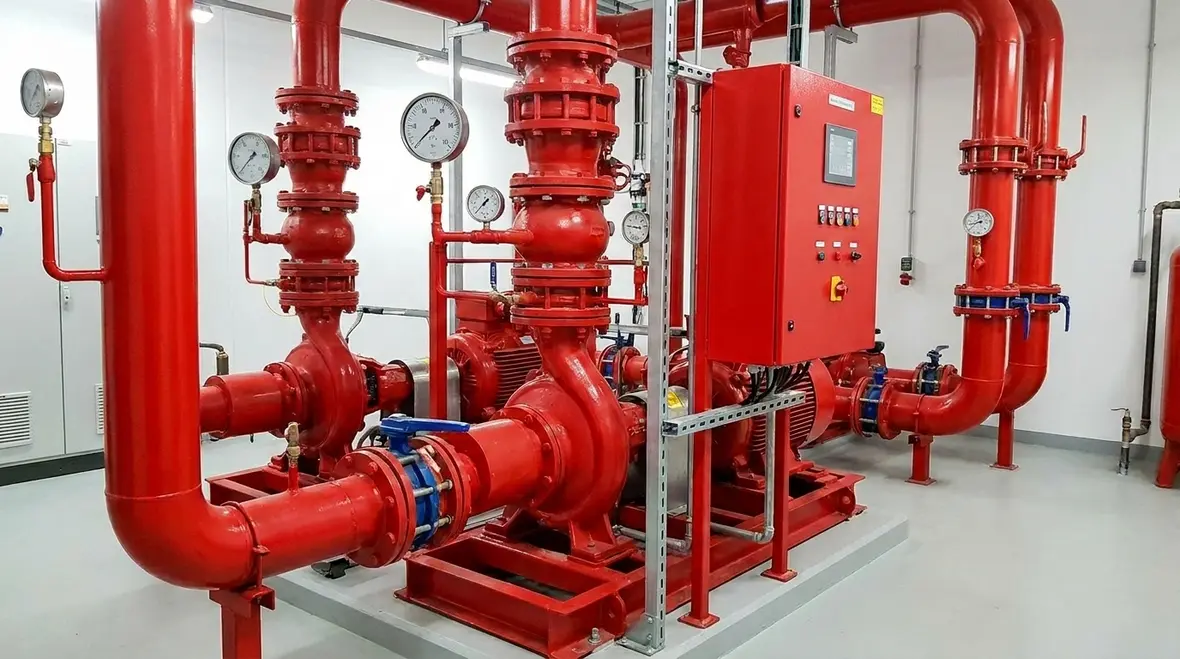
Typically, maintenance plans address the entire system, not just the pump body. Therefore, the scope often includes the controller, power supply arrangements, suction and discharge conditions, alarms and interlocks, strainers, isolating valves, and any monitoring features. In addition, the approach usually considers how the pump starts, how it delivers flow and pressure, and how quickly it responds under real demand signals.
Now, here is the part that facilities teams sometimes forget: fire pump systems live in harsh realities. They sit in plant rooms, hear vibration all day, and face humidity, dust, and temperature swings. Consequently, even well installed equipment can drift out of spec over time if nobody checks it on schedule.
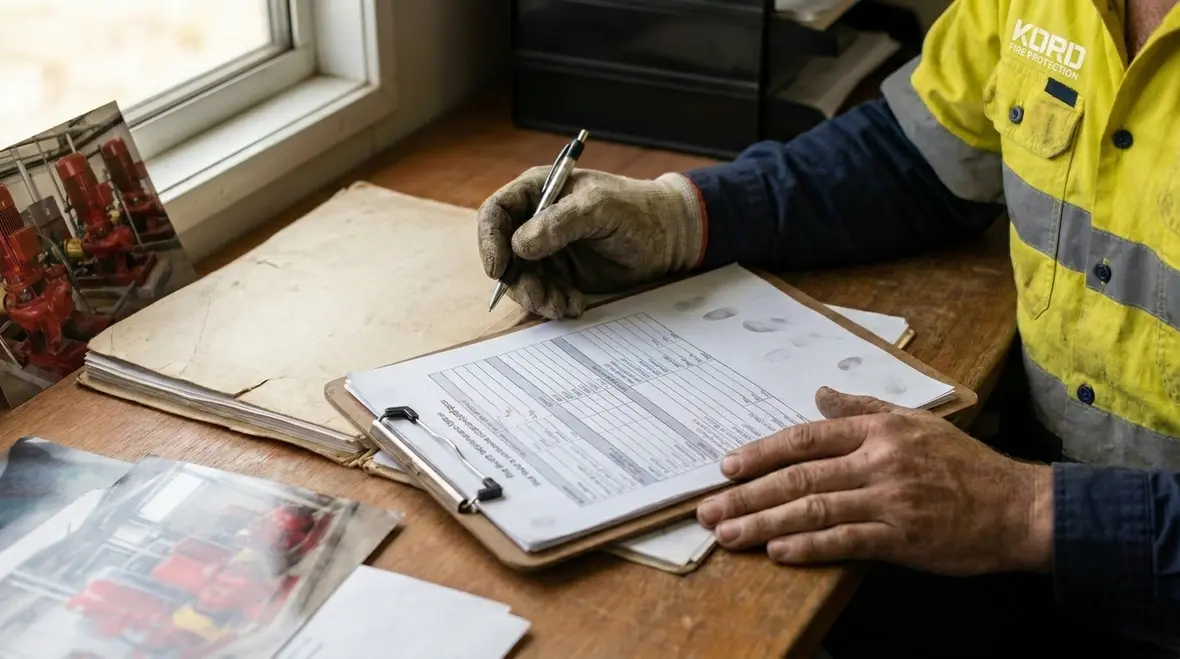
How routine checks keep fire pumps ready when demand hits
Routine checks catch the boring problems before they become expensive problems
Routine checks form the backbone of a maintenance program. These steps aim to catch issues before they grow teeth. For example, simple checks like confirming valve positions, verifying no abnormal leaks, and checking controller status can prevent a later “surprise failure” during testing.
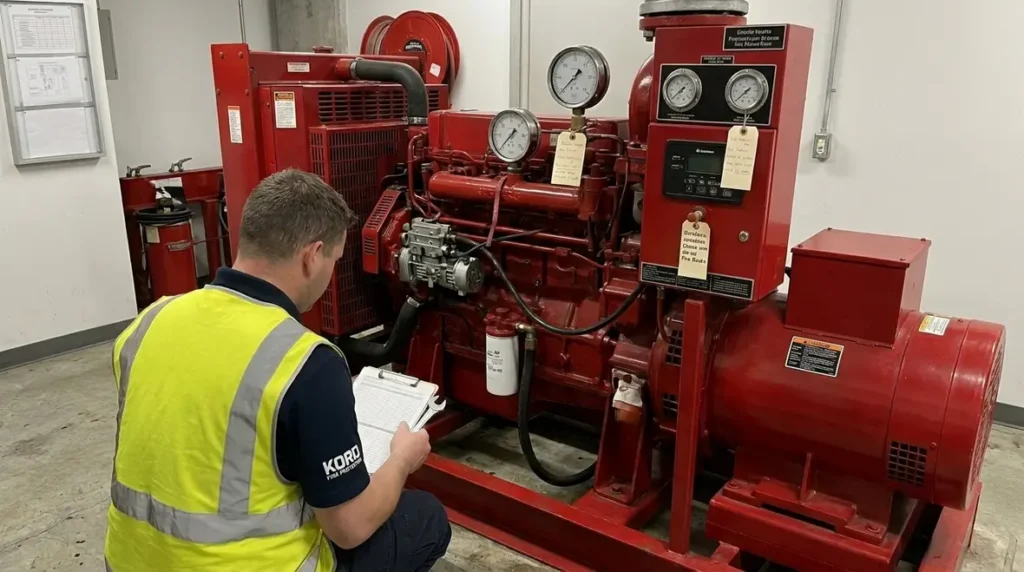
In practice, a good program usually includes observations and service tasks at set intervals. These may cover visual inspections, checks of pump alignment for unusual signs, review of alarms, and confirmation that automatic starting sequences operate correctly. Moreover, teams often verify that electric drives, engine drives, and control circuits function as expected for the pump type installed.
Functional testing matters because it proves performance. After all, reading a gauge does not replace flow testing. If the pump cannot deliver required output, compliance becomes paperwork, and operational readiness becomes guesswork. Therefore, testing verifies both that the pump runs and that it runs properly under conditions that resemble real operation.
And when someone says, “We only test when we have to,” it is worth remembering: fire pumps do not get better with neglect. They simply become more dramatic. Like a pop star with a diva moment, they wait for the worst possible time.

Testing and performance checks that match system design
Performance testing should reflect the way the installed system actually works
Fire pump systems rely on design assumptions, so maintenance must match those assumptions. That means testing should confirm pump performance in line with the system requirements, including pressure and flow targets. Additionally, teams check that the pump responds to demand signals from fire detection or the system actuation method.
For facilities across industrial sites, retail centres, and commercial buildings, the practical challenge is consistency. Different sites have different pipe layouts, tank setups, elevations, and water supply characteristics. Therefore, maintenance teams should tailor checks to the actual install, rather than relying on generic checklists.
Functional tests often include checks to ensure the pump starts under the correct conditions, accelerates as expected, and maintains stability. While inspections catch obvious issues, performance checks reveal subtle problems like worn components, degraded seals, or control timing drift. As a result, the facility gains confidence that the pump will behave as intended during an emergency.
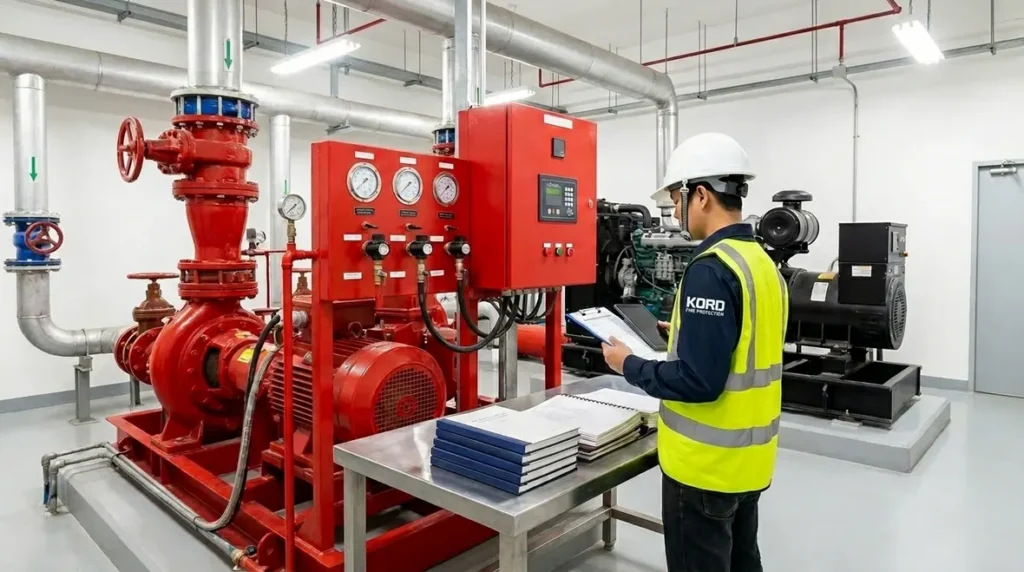
Just as importantly, teams should manage test outcomes properly. They record what happened, compare results to baseline performance, and document corrective actions. That way, when authorities ask for evidence, the facility does not scramble like someone trying to find a missing receipt at tax time.
Documentation, compliance, and the records that matter in audits
Good records turn maintenance into evidence instead of hopeful storytelling
Many facilities understand that fire pumps must be maintained, yet they underestimate the value of strong documentation. However, records become the bridge between maintenance work and compliance. Under AS 1851, documentation typically plays a key role because it proves that the system receives planned attention, inspections occur at the right intervals, and tests are executed and tracked.
Good records include test results, date stamps, observed faults, repair details, and sign offs by qualified personnel. In addition, they capture parts used, settings changed, and any ongoing recommendations. Consequently, an audit becomes less of a stressful interrogation and more of a straightforward review.
For multi site portfolios, consistent reporting reduces confusion. It also helps operations and compliance teams plan budgets more accurately because they can see trends, not just one-off events. And trends tell a story: if a pump shows recurring issues, the maintenance plan may need adjustment, not just repeated patchwork.
Common issues found during fire pump service and how to address them
Small faults rarely stay small when a fire pump is ignored
Even when facilities think they are doing fine, service visits often reveal small issues that can cascade. For example, suction strainers can clog, causing reduced performance. Valves can drift from their intended position. Controllers can show early signs of electrical instability. Seals and gaskets can degrade due to vibration and heat cycles.
Meanwhile, pump control logic can drift out of alignment when components age or settings change after other plant works. Therefore, maintenance should include checks that connect the pump behaviour to the control system, not just the mechanical parts.
Corrective actions also deserve careful handling. Replacing a component without verifying the system response can leave a facility with a false sense of security. Instead, good service couples repairs with re testing and proper validation. That is how teams close the loop between “fixed” and “proven.”
When the goal is reliability, it helps to treat maintenance like a system upgrade in slow motion. Small improvements now can prevent big problems later, and they keep operational risk down for industrial, retail, and commercial stakeholders across Australia.
Why Kord Fire Protection can be a vital partner
Reliable support matters when compliance has to survive real world conditions
Facilities often carry maintenance responsibilities across many trades, many sites, and many deadlines. That creates pressure, and pressure drives shortcuts. This is where Kord Fire Protection can become a vital partner. Our team supports fire pump maintenance with a practical, compliant approach, so facilities get consistent service outcomes and clear records that stand up to scrutiny.
Instead of treating fire pump work as a generic task, Kord Fire Protection focuses on how each system operates in its real environment. We consider the pump type, control setup, water supply behaviour, and the operational demands of the site. Therefore, testing becomes more meaningful, not just more frequent.
In addition, we help coordinate service activities so they fit around industrial operations and commercial schedules. We understand that shutting down equipment can be costly, so we plan service steps with care and communicate clearly. As a result, facilities reduce disruption while still improving readiness.
And if someone says, “We will sort it later,” Kord Fire Protection reminds them that later has a habit of arriving like a fire drill with no warning. The best time to act is before the alarms ever need to earn their keep.
FAQ
Get a compliant fire pump plan with Kord Fire Protection
Fire pumps are safety critical, and confidence comes from documented, scheduled maintenance. Kord Fire Protection helps facilities across Australia stay ready by delivering practical servicing, performance testing, and clear reporting that supports compliance expectations. If a site needs a review of current schedules or help tightening up records, contact Kord Fire Protection today. Keep the pumps reliable, keep the auditors calm, and keep your emergency readiness on track.