AS 1851 Fire Pump Inspection Checklist for Compliance
Quick answer: The AS 1851 Fire Pump Inspection Checklist helps facilities in Australia verify that fire pumps will deliver the right water pressure and flow when an emergency hits. It also checks alarms, controls, power, diesel systems, and performance records. Kord Fire Protection can run these inspections as a reliable, compliant partner.
When a fire starts, people rarely pause to read manuals. That is why AS 1851 matters. In the first place, it gives facilities a structured way to confirm that fire pumps remain dependable. In Australia, industrial sites, retail centres, and commercial facilities across every state depend on that discipline. Next, the checklist approach reduces guesswork, supports compliance, and catches issues before they become headline-worthy problems.
Now, let us go deeper and walk through what a strong inspection checklist looks at, why each step exists, and where Kord Fire Protection adds real value as a trusted service partner.
What the AS 1851 checklist actually verifies
The AS 1851 Fire Pump Inspection Checklist does not just tick boxes. It checks systems that must work under stress, in the dark, and with zero patience from everyone involved. Accordingly, inspections typically verify three broad areas.
- Mechanical readiness: pump condition, suction and discharge arrangements, couplings, seals, and alignment checks where relevant.
- Electrical and control reliability: starters, control panels, wiring integrity, power supply stability, and protective devices.
- Performance capability: whether the pump can meet expected flow and pressure demands, based on system design.
Furthermore, the checklist links back to the fire protection strategy of the site. That means the inspection connects with hydrant systems, sprinklers, foam systems, and emergency procedures. When facilities handle multiple risks, they need a consistent approach, not a “looks fine” approach.
Inspection steps for the pump room, controls, and safety
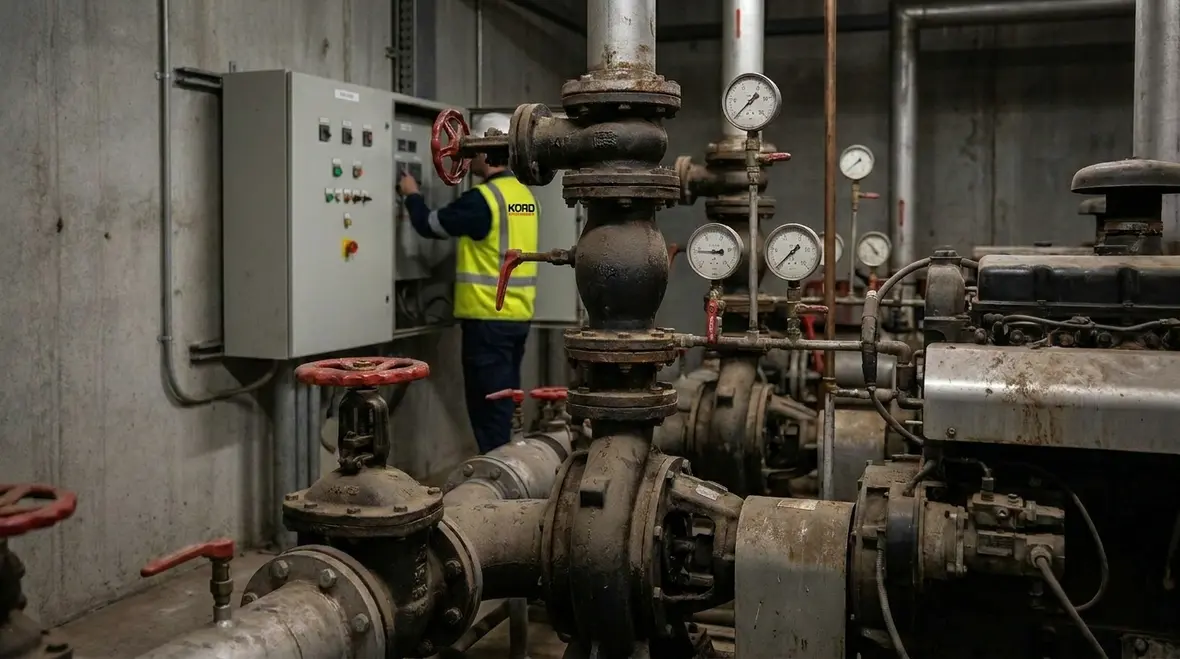
A competent fire pump inspection moves from the physical plant to the control interface. Even so, the order matters, because some checks reveal problems that others might hide. First, the inspector confirms the environment and basic safety conditions. Then, the process goes into operational readiness.
Key items commonly covered in an AS 1851-aligned inspection include:
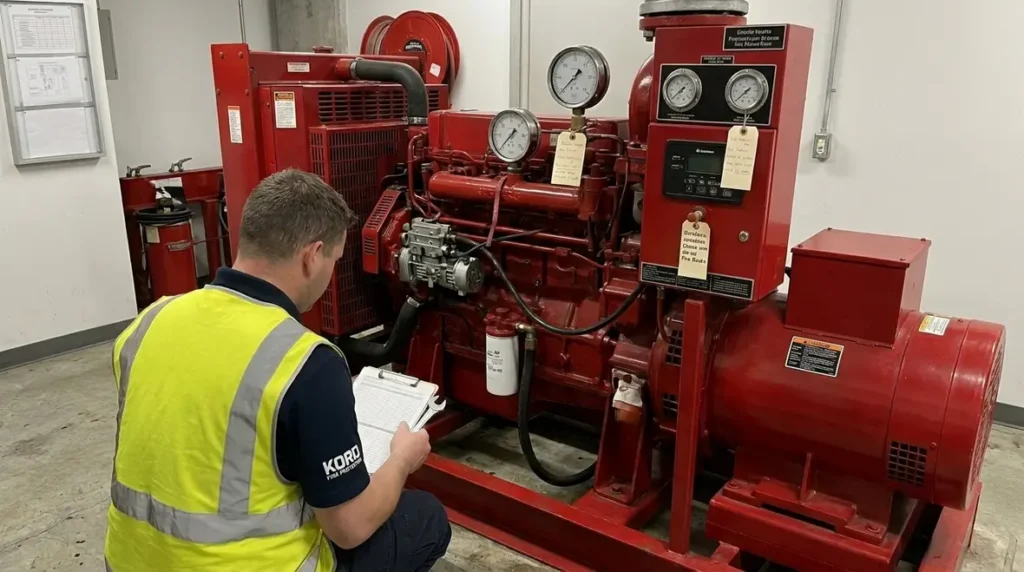
- Pump and piping condition: signs of corrosion, leaks, vibration, abnormal noise, and loose supports.
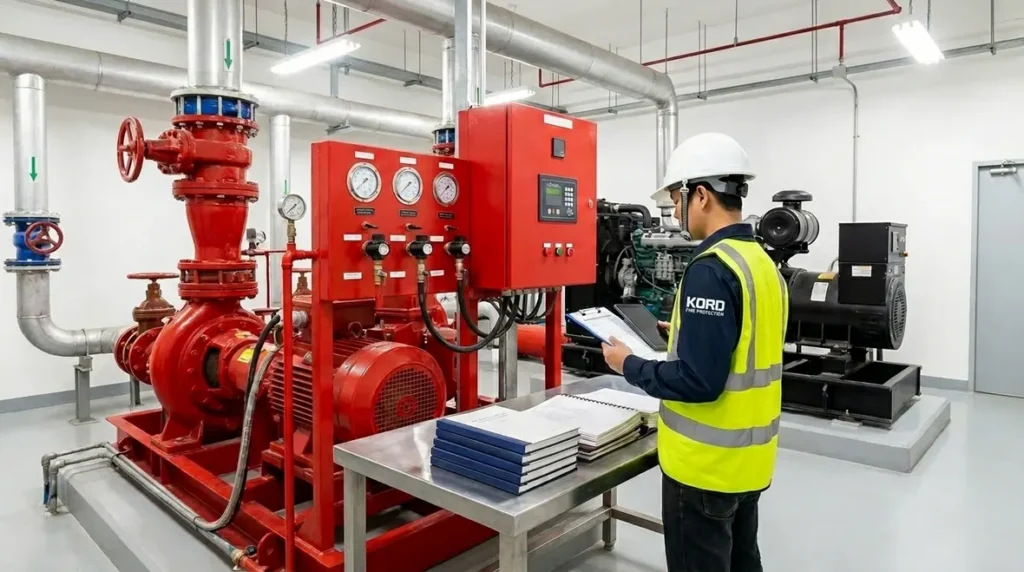
- Suction and discharge arrangements: checking valves, strainers, isolation valves, and ensuring positions match the system intent.
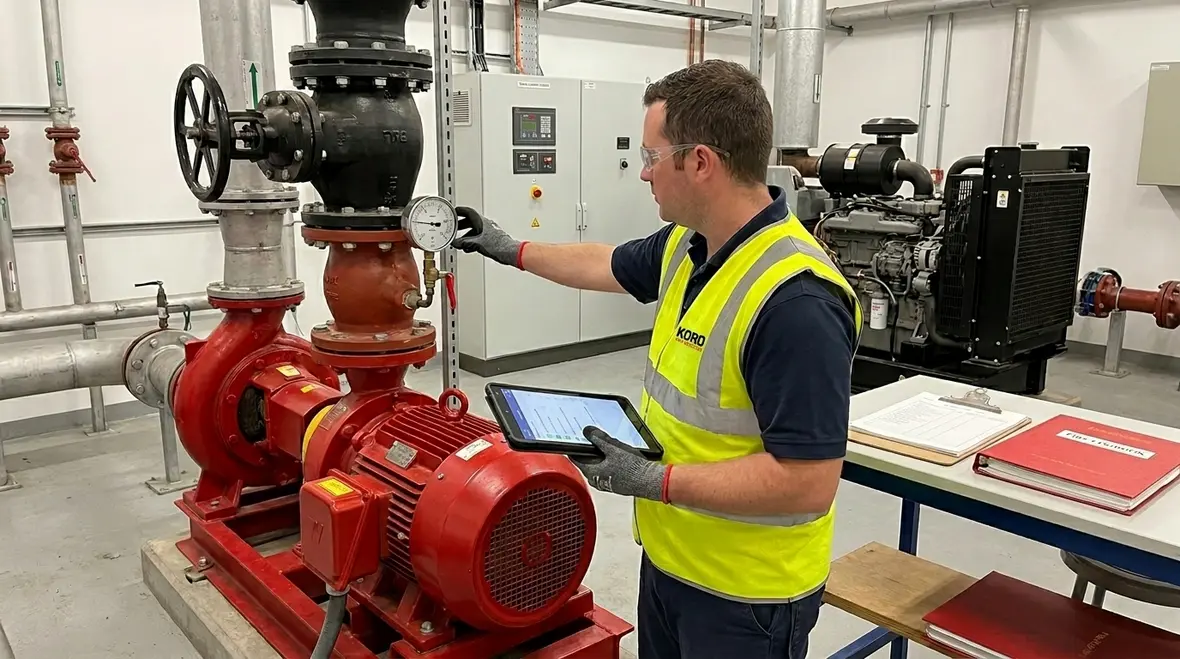
- Pressure gauges and indicators: verifying readability and correct function, plus checking for obvious damage.
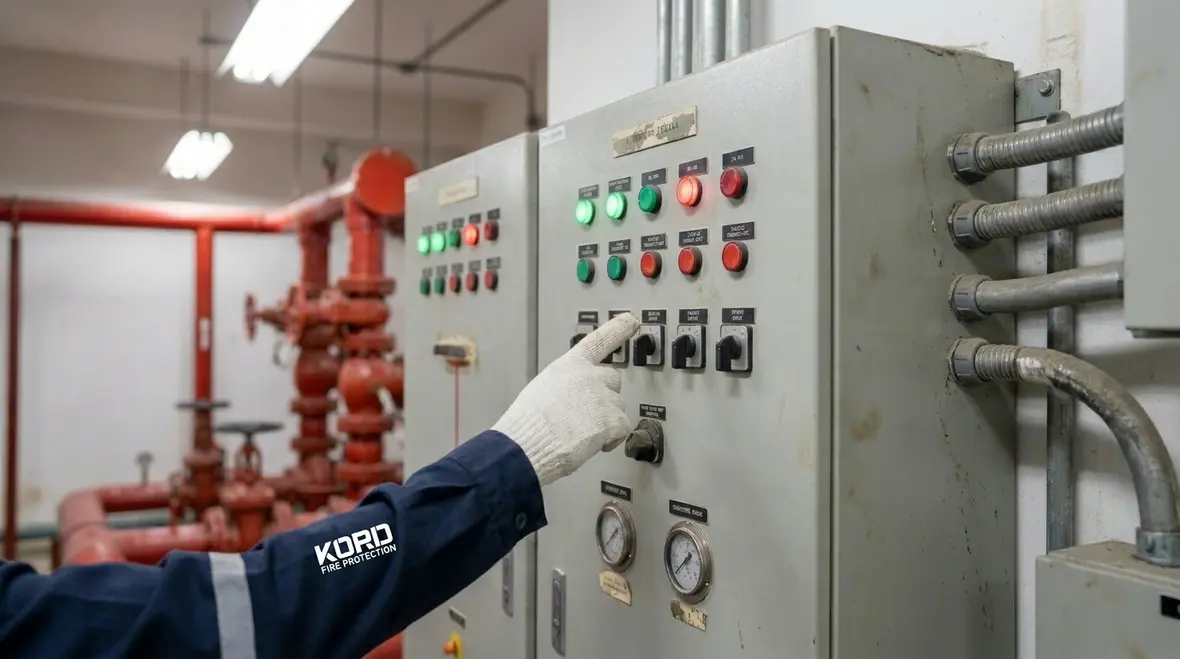
- Control panel status: inspecting faults, lamp status, indicator labels, and control logic visibility.
- Alarms and interlocks: confirming that local alarms and required signals operate as expected.
- Emergency power readiness: confirming that power sources behave correctly within the system design.
Next, the checklist pays attention to “boring details” that cause exciting failures. For example, improperly maintained batteries or loose terminations can degrade performance when it matters. Likewise, blocked strainers can reduce flow and force the system to work harder than it was designed to.
Near the top of any fire pump strategy conversation, it helps to remember that inspection is only one piece of the broader protection picture. The wider site system, from detection through suppression and emergency planning, still has to work together without drama. That is why facilities often benefit from linking fire pump checks with their overall fire protection servicing approach, keeping documentation, physical assets, and response expectations aligned instead of scattered across separate contractors and half-finished notes.
Why the pump room itself deserves attention
Pump rooms have a talent for being ignored right up until everyone suddenly cares about them. Clean access, ventilation, lighting, signage, housekeeping, and unobstructed equipment layout are not cosmetic extras. They influence how quickly faults are spotted, how safely technicians can work, and how reliably the system can operate in a real event. A room that is damp, cluttered, poorly lit, or casually used for storage is basically asking for future inconvenience with a side of compliance pain.
How testing confirms performance under real demand
Inspections need proof, not hope. Therefore, the checklist typically includes performance testing that confirms whether the pump can reach required output parameters. However, the exact test approach depends on the system design, pump type, and site requirements.
Most facilities need verification of:
- Flow and pressure behavior: ensuring the pump maintains the expected pressure at the required flow range.
- Duty and standby performance: verifying how the system behaves when the lead pump is unavailable and how the standby pump responds.
- Start and changeover operation: confirming automatic start sequences and selector logic function correctly.
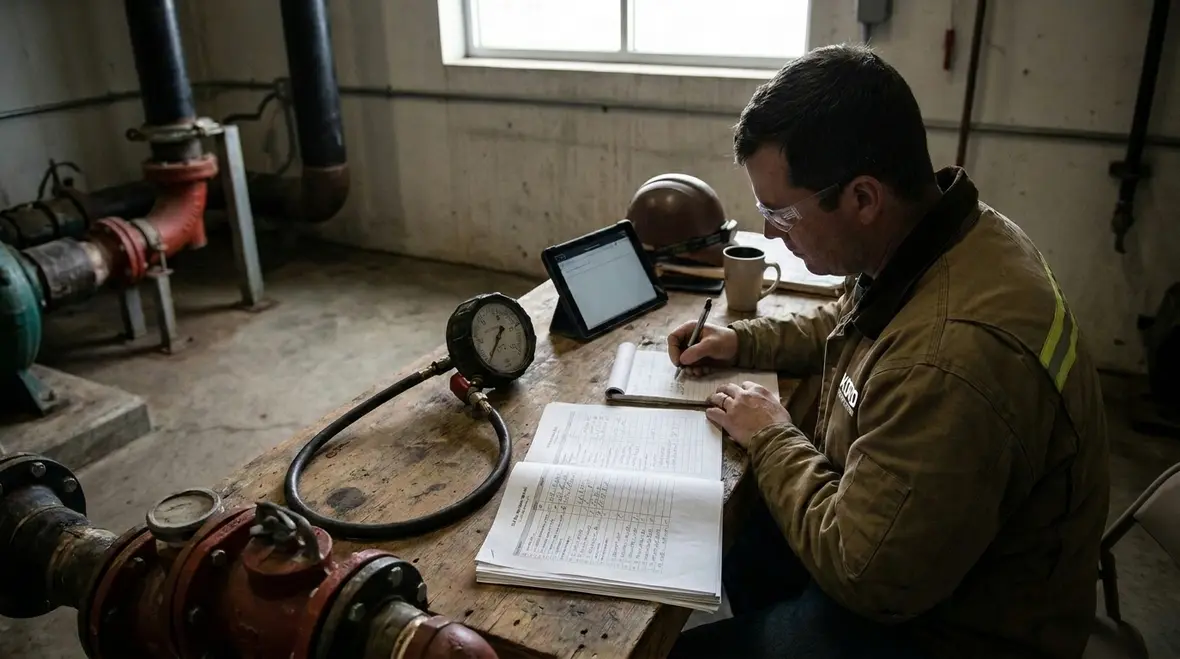
Additionally, inspectors usually capture readings and evidence for traceability. That is crucial for audits, insurer discussions, and ongoing maintenance planning. It also helps engineering teams identify trends, so they do not wait until the next test to learn the system is drifting away from its expected performance.
At this point, a small joke often lands well. Fire pumps do not “feel” confident. They either deliver pressure and flow or they do not. So, testing turns confidence into data, and data turns problems into fixes before they become an expensive lesson.
What performance evidence should show
A useful checklist does more than note that a test happened. It shows what happened. Readings, timestamps, alarm responses, start conditions, and any deviations should be clear enough that another competent person can follow the story without needing a decoder ring. If a pump hesitated, dropped pressure, failed to transfer properly, or produced odd vibration, the report should say so plainly. “All good” is not a technical finding. It is a mood.
Maintenance records, compliance evidence, and reporting
Inspections only help if the results get documented and acted on. Accordingly, a strong AS 1851 approach includes clear reporting that helps facility managers make decisions quickly. The goal is not to produce a document that looks good on a shelf. Instead, it should highlight findings, risks, and recommended actions.
A typical reporting package includes:
- Inspection outcomes: what was checked, what was found, and what meets the standard.
- Measured values: readings from tests, where applicable, and how they compare to expectations.
- Identified faults and defects: with clear descriptions and severity considerations.
- Recommendations: what requires follow up, what can be scheduled, and what must be addressed urgently.
- Next service timing: ensuring the facility stays within required maintenance intervals.
Then, facility teams can link inspection results with maintenance work orders. This reduces downtime surprises and helps budgets stay predictable. In a commercial environment, predictability is the closest thing to peace.
Good reporting also prevents the classic handover problem where one person leaves, another arrives, and everyone pretends the filing system is “somewhere in the email.” A clean inspection history helps teams compare results across service intervals, identify repeat faults, justify repairs, and explain priorities to operations managers who understandably want both safety and minimal disruption. Conveniently, reality requires both.
Where Kord Fire Protection becomes a vital partner
Many companies treat fire pump inspections like a periodic chore. Yet that mindset can leave gaps in evidence, response readiness, and corrective action follow through. Kord Fire Protection helps industrial, retail, and commercial facilities across Australia by bringing structure, experience, and practical communication to every inspection.
In particular, Kord Fire Protection supports sites by:
- Delivering inspection work with compliance focus: aligning checklists to AS 1851 Fire Pump Inspection expectations and site requirements.
- Helping teams understand findings: translating test outcomes into clear next steps, not confusing technical fog.
- Reducing repeat problems: spotting patterns across visits, so recurring issues do not keep returning like a season two cliffhanger.
- Coordinating with facility operations: scheduling visits to reduce disruption for warehouses, stores, and multi-tenant sites.
Just as importantly, Kord Fire Protection acts as a partner, not a passer-by. That means the facility receives the information it needs to keep systems ready, auditors satisfied, and operational leaders calm. After all, the goal is simple: fire pumps should perform when called upon.
That practical approach matters on busy sites where maintenance windows are tight, contractors overlap, and nobody wants a simple inspection to turn into an avoidable scheduling circus. A reliable service partner keeps the process organised, communicates clearly, and makes sure identified issues move toward action rather than joining the long tradition of defects that everyone means to deal with “soon.”
Frequently asked questions about fire pump inspections
Call Kord Fire Protection for a compliant inspection schedule
Fire pumps do not care about good intentions. They respond to condition, control integrity, and performance readiness. Kord Fire Protection helps industrial, retail, and commercial facilities across Australia stay aligned with AS 1851 and act on findings fast. If the next inspection date is approaching, contact Kord Fire Protection to confirm your schedule, streamline reporting, and keep your fire pump system ready for the moment it is needed.