AS NZS Fire Pump Upgrade Planning and Commissioning
Quick Answer: Planning an AS/NZS fire pump upgrade means checking system performance, parts compatibility, electrical and control settings, and commissioning standards before any work starts. It also means staging downtime, coordinating trades, and confirming acceptance testing. With Kord Fire Protection, organisations get a calm, compliant plan and reliable delivery.
For sites reviewing broader fire infrastructure at the same time, it also helps to align the upgrade with related fire protection services so design, installation, and commissioning all move in the same direction instead of becoming three separate headaches in high-vis.
AS/NZS fire pump upgrade planning made clear
When an industrial site needs a fire pump upgrade, the first goal is simple: keep protection reliable and compliant with AS/NZS requirements. However, “simple” and “fire pumps” rarely share the same universe, so a good plan matters. This guide walks through the practical steps facilities teams can use across Australia, from industrial plants to retail and commercial complexes, where downtime and coordination are not optional.
And yes, fire pumps can be dramatic. They sit there quietly, then suddenly everyone remembers them the moment the smoke goes up or the test schedule hits. The difference between chaos and control is planning, and planning starts with the right questions. That means looking past the obvious hardware list and understanding how the current system behaves under real site conditions, what has changed around it, and where the weak points have been quietly building up over time.
A proper upgrade plan is not just a shopping list for a new pump, controller, or motor. It is a structured process that connects risk, hydraulics, electrical interfaces, installation access, testing requirements, and handover expectations into one realistic sequence. If that sounds less glamorous than simply replacing the old gear, that is because it is. But it is also how facilities teams avoid rework, surprise shutdowns, and the kind of last-minute project meeting where everyone suddenly speaks in acronyms and stress.
Start with a site risk review and performance baseline
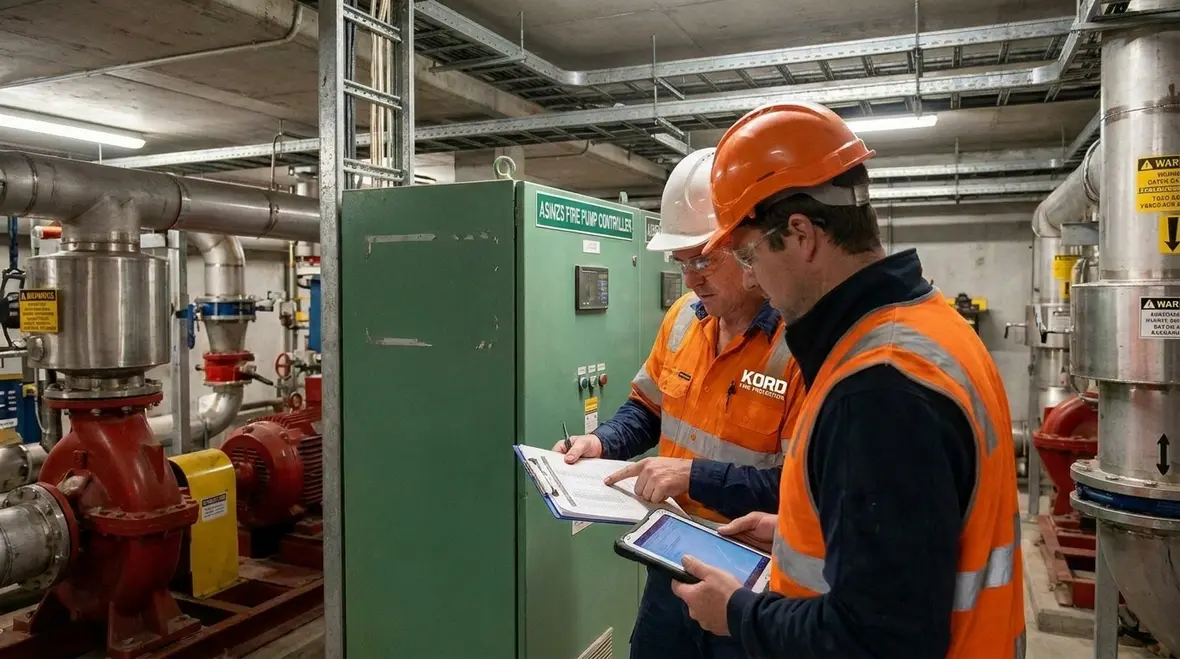
First, the team confirms why the upgrade is happening. It could be aging equipment, poor curve performance, repeated test failures, non conforming controls, or a change in site hydraulics. Then they collect the “before” picture: pump curves, system demand calculations, water supply data, pipework layouts, and existing settings in controllers and VFDs, where installed.
Next, they review operational history. For example, if the pump starts but does not hold pressure at the required flow, the cause could sit in suction conditions, energy losses in pipework, impeller wear, or control logic changes. Additionally, the site team checks any recent renovations that might have altered demand points, hose lengths, sprinkler densities, or hydrant usage.
At this stage, Kord Fire Protection becomes a vital partner because it can translate test results into action. Instead of handing over a pile of data, Kord helps teams identify what to verify, what to replace, and what can be tuned, which saves time and prevents “install and hope” decisions.
What a useful baseline actually includes
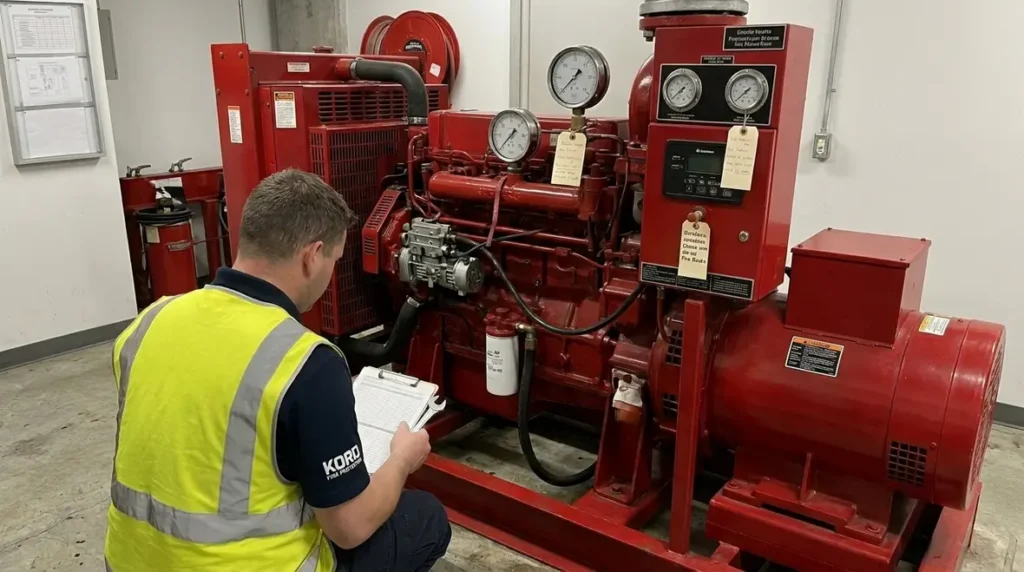
A useful baseline goes beyond the latest test sheet. It should include how often the pump has been tested, any recurring faults, nuisance alarms, controller oddities, and comments from the people who actually deal with the system on site. Maintenance records often reveal patterns that a one-day inspection will miss. Maybe the pump has been slow to start in winter, maybe the pressure readings drift, or maybe everyone knows one valve has “always been a bit funny” but nobody has written that in a formal report. Those details matter.
This is also the point where facilities teams should confirm whether the system still matches current site use. Warehouses become mixed-use spaces, plant rooms get crowded, tenants change, and storage risks evolve. A pump that was properly matched five or ten years ago may now be serving a site with very different hydraulic demand. The upgrade should answer the site you have now, not the one preserved in an old drawing set with coffee stains and optimism.
How to map compliance requirements to real-world work
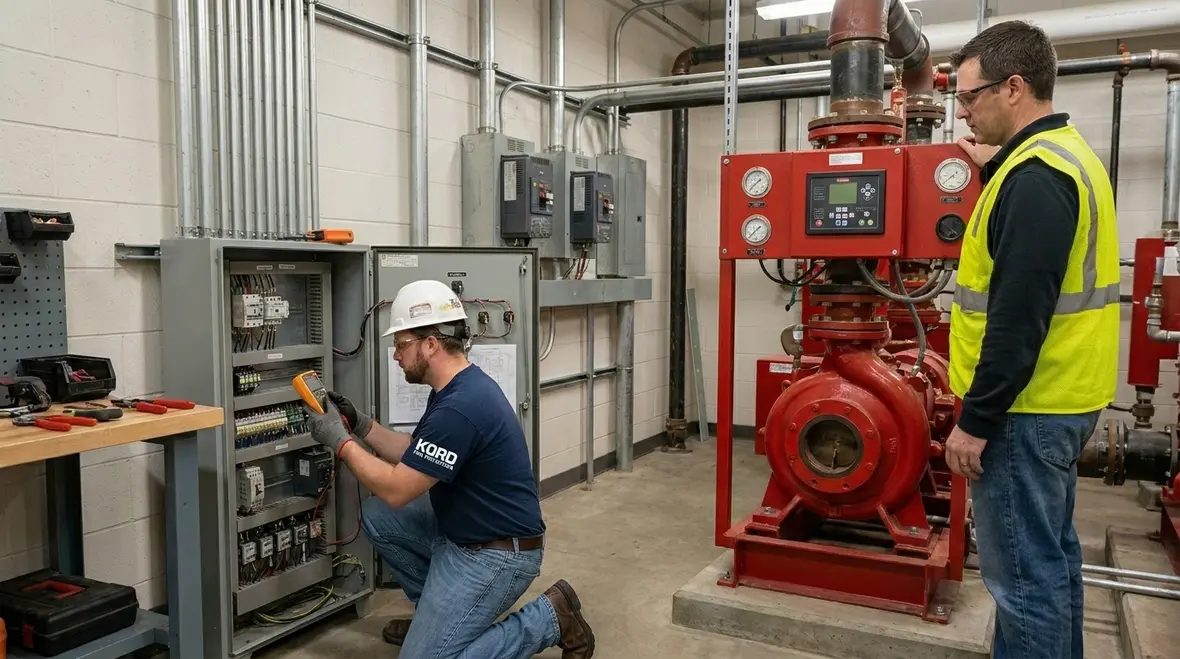
After the baseline, the team maps compliance expectations to what actually exists on site. That means confirming pump duties, jockey pump roles, controller functions, alarms, start sequences, and supervision methods. It also means checking power supply reliability, earthing, cable routes, and protection measures for the environment the pump lives in.
Then comes the practical part: ensuring the upgrade design aligns with the site’s fire safety objectives. If the system needs the pump to meet pressure and flow at specific conditions, the design must reflect the site curve and not just the nameplate. Furthermore, if the upgrade includes new controllers, the installer must ensure compatible input and output wiring with existing panel interfaces.
This is where many projects stumble. Someone reads a requirement, selects equipment, and only later realises the control philosophy does not match the building system. In other words, it is like buying the right shoes but ignoring the socks and wondering why it hurts. Planning avoids that.
Compliance is not just a specification checkbox
Mapping compliance properly means translating standards and performance needs into installable, testable work. It asks practical questions. Does the existing room layout still allow compliant access? Are the alarms visible where they need to be? Will the new controller communicate properly with existing monitoring points? Can the power arrangement support the revised setup under fault and demand conditions? These are not side issues. They are often the difference between a tidy upgrade and a frustrating one.
It is also smart to identify assumptions early. If a team assumes cable pathways are reusable, pipework offsets are minor, or the panel interface is straightforward, that should be verified before procurement locks in the design. Fire pump projects have a talent for turning “should fit” into “why is this wall here” at exactly the wrong time.
Electrical, controls, and commissioning plans that reduce downtime
Fire pump upgrades often involve power and control upgrades, so the plan must protect both uptime and safety. First, the project team reviews the current electrical setup, including switchboards, protections, isolators, control wiring, and any interlocks with fire systems. Then they confirm whether a VFD is part of the scope, and how it will handle start and stop logic under real demand.
Next, they build a commissioning schedule that matches the site’s operating pattern. For example, some facilities can tolerate brief test windows, while others need extended coordination. Therefore, the plan should include staged testing, temporary arrangements where allowed, and clear responsibilities between electricians, installers, and the testing team.
Finally, commissioning must verify the full chain: sensor inputs, controller actions, pump response, alarm signals, and performance under controlled conditions. If the system includes changeover logic for pumps or integration with other fire systems, the plan should test that integration thoroughly.
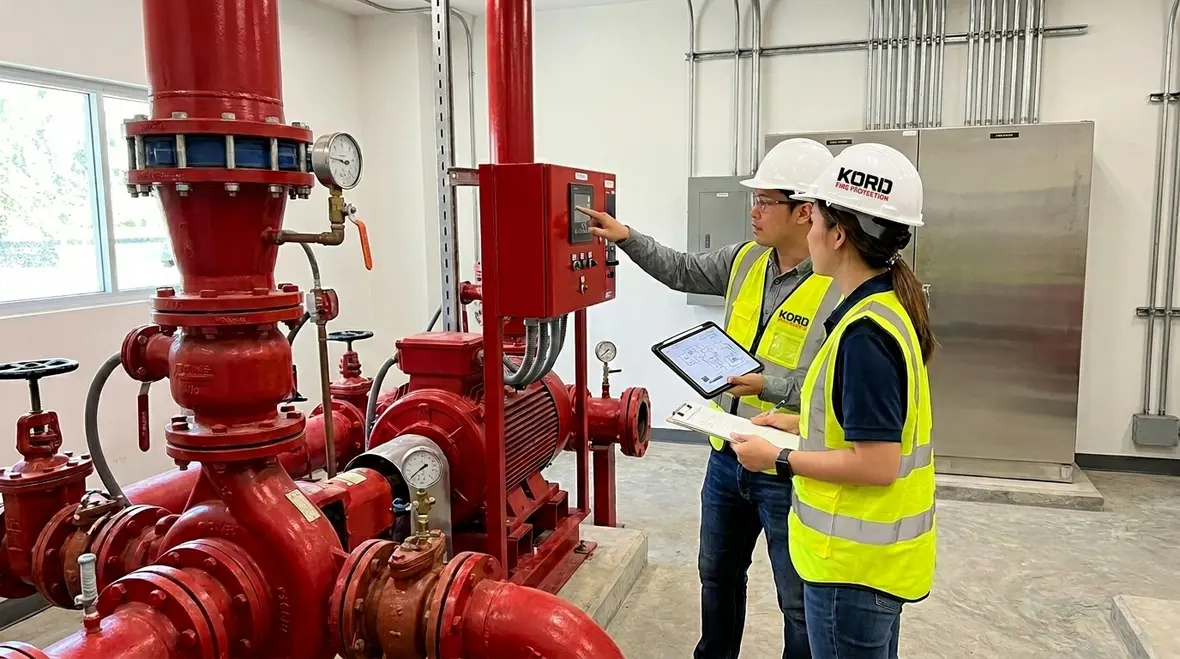
Kord Fire Protection supports this phase by helping clients define commissioning acceptance criteria early. That means fewer surprises on the day and a smoother pathway to sign off, which keeps stakeholders calm and prevents meetings that could have been emails.
Why downtime planning deserves its own attention
Downtime is not just a schedule issue. It affects occupancy, operations, permit controls, contractor access, and temporary risk management. If a facility cannot lose fire protection coverage during normal hours, then the commissioning plan needs to work around that reality. That may involve night works, weekend testing, staged isolation plans, or tight communication with security, tenants, and site leadership. The smoother the preplanning, the less likely the upgrade is to spill into costly disruption.
Control settings also deserve patience. A technically correct installation can still behave poorly if settings are rushed, signals are mismatched, or alarm thresholds are left vague. A calm commissioning process gives the team time to prove each sequence properly rather than racing to get a green light and hoping the rest sorts itself out later. Hope is great for sports finals. It is less impressive in a pump room.
Design, procurement, and install coordination across teams
Once compliance and commissioning are mapped, the team moves into design finalisation and procurement. They confirm pump duty points, materials, valve selections, and control interface requirements. Additionally, they check for compatibility with existing pipe sizes, suction conditions, discharge arrangements, and any restraining or vibration control needs.
Then they plan procurement timelines. Fire pump components can have long lead times, especially controllers, panels, specialised instrumentation, and certain motor packages. Because of this, facilities managers should request delivery dates early and confirm installation readiness on receipt.
After equipment arrives, coordination becomes the main job. The installation team needs access, clear work zones, and defined lockout procedures. Meanwhile, the broader construction program needs to avoid conflicts with other trades. If a site has multiple critical upgrades running at once, the team should sequence tasks so fire systems work does not collide with electrical fit off or panel commissioning.
Here is a helpful mindset: plan for reality, not brochures. If a pump room is congested, if cable trays need re routing, or if pipework requires adjustments, those tasks must fit into the schedule from the start. That is why Kord Fire Protection adds value: it helps coordinate the fire pump upgrade as part of the bigger site delivery plan, not as an isolated “specialist” task.
Procurement mistakes that quietly cause delay
Many upgrade delays come from small procurement assumptions rather than dramatic failures. A controller arrives with the wrong interface requirements. A valve package suits the drawing but not the available footprint. A motor lead time turns out to be longer than expected. A vibration control component is overlooked until installation week. None of these issues is exciting, but each one can push an otherwise sensible program off track.
That is why the best teams treat procurement as a coordination function, not an admin task. Submittals, dimensions, interfaces, delivery timing, receipt checks, and install readiness all connect. When those details are reviewed in context, the project moves with far less drama and far fewer heroic phone calls.

What documentation and acceptance testing must include
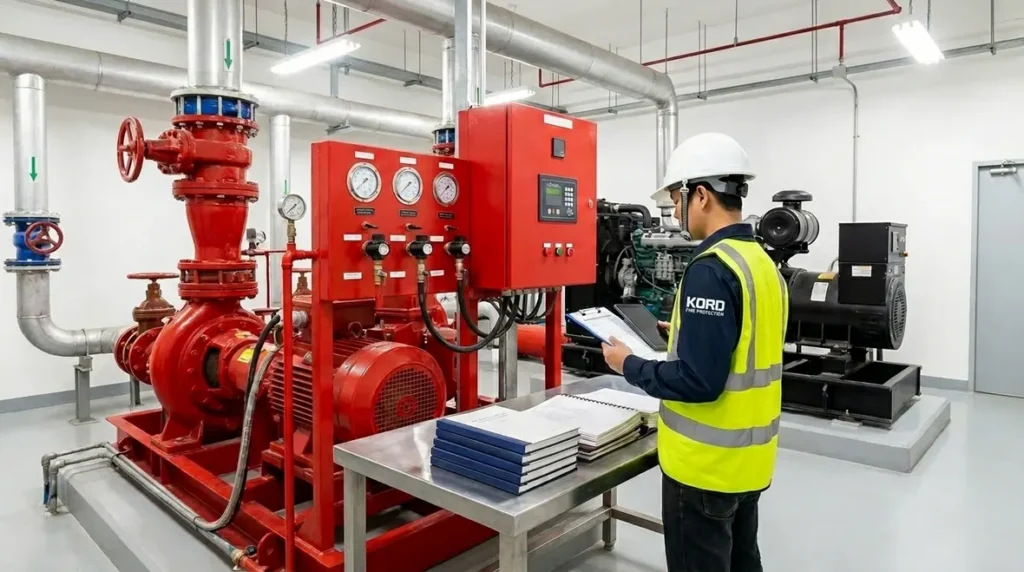
A good upgrade does not end when power is switched on. Instead, it ends when documentation is complete and performance is proven. The team should prepare a clear commissioning pack that includes test results, controller settings, as built drawings, wiring changes, and maintenance recommendations.
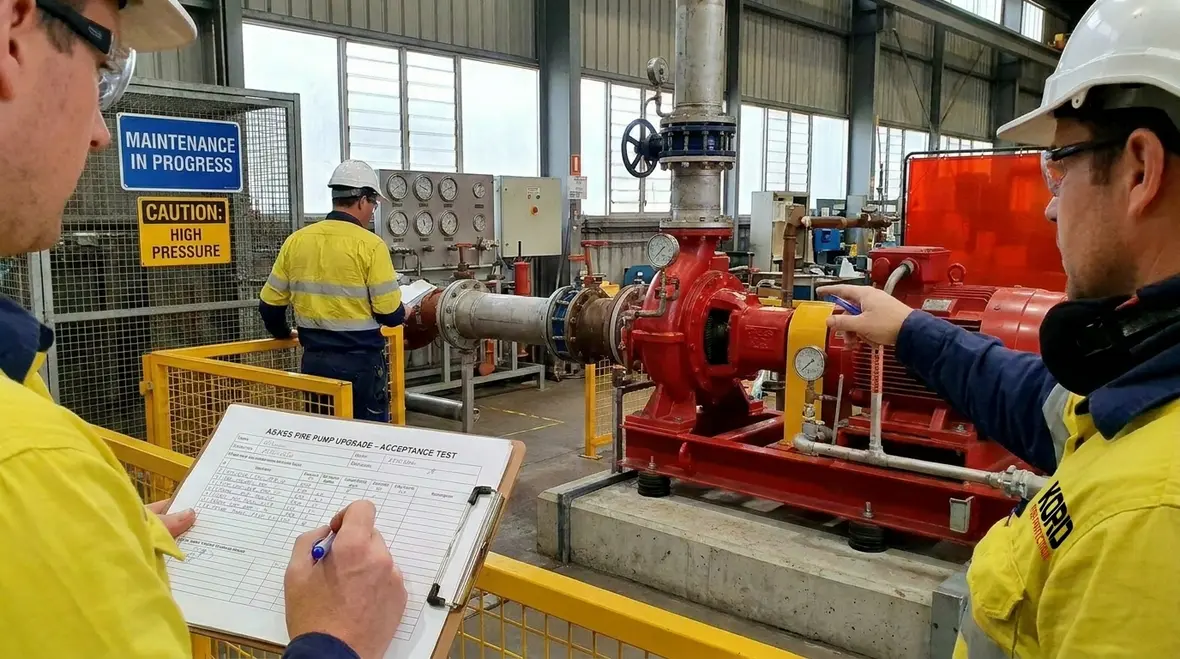
Additionally, acceptance testing should confirm that the pump starts as expected, ramps or controls correctly under demand, and maintains pressure within the intended operating range. It should also confirm that alarms, fault signals, and monitoring functions work as designed. If the system uses supervisory monitoring, the testing must prove supervision works, not just that the device is installed.
Lastly, the plan should include handover training. Facilities staff deserve to know what was changed, how to interpret readings, and what routine checks matter most. That way, the upgrade keeps performing long after the final test report lands.
And if someone asks, “Do we really need all that paperwork?” The calm response is yes. Fire safety is not a vibes based sport.
Conclusion: engage Kord Fire Protection for a calm upgrade
A fire pump upgrade becomes manageable when the team plans early, verifies performance, coordinates electrical and controls, and runs commissioning with clear acceptance criteria. Facilities across Australia can reduce downtime and avoid costly rework by treating the job as a planned system upgrade, not a last minute fix. Kord Fire Protection can act as a vital partner from scoping through handover, keeping stakeholders aligned and outcomes compliant. Reach out to plan the next steps.