Fire Sprinkler Repair Australia by Kord Fire Protection
Quick Answer: Fire sprinkler systems run quietly in the background, until they do not. If a line loses pressure, a valve sticks, sprinklers show corrosion, or alarms act up, the system may need fire sprinkler repair. In Australia’s industrial and commercial sites, prompt service helps protect people, inventory, and operations. Kord Fire Protection can help.
Fire sprinkler repair starts with the simplest truth: these systems do not care about deadlines, budgets, or busy calendars. They care about pressure, water flow, and reliable components. When a facility needs sprinkler system repairs, problems often appear in ways that look “small” at first, like a slow alarm signal or minor water residue. However, those details can turn into major risks during an emergency. In the real world, downtime and uncertainty are expensive, and waiting too long can make everything worse. That is where Kord Fire Protection steps in as a steady partner, helping facilities across Australia respond to issues, verify system performance, and keep compliance on track.
For sites reviewing broader system performance, it also helps to understand how regular maintenance supports reliability over time, especially when paired with Australian fire sprinkler services that keep inspections, testing, and repairs working together instead of as separate jobs.
What issues typically trigger sprinkler system service
Most facilities do not call for fire sprinkler repair because everything is perfectly fine. Instead, they notice trends. For example, a plant manager might hear that inspections take longer, or a maintenance lead might spot repeating faults in the alarm panel. Then, a technician may find that the system’s performance data does not match expectations.
Common triggers include recurring valve supervisory troubles, frequent false alarms, unexplained pressure drops, blocked drains, and signs of mechanical wear on pumps and controllers. Additionally, recent construction, renovations, or changes in occupancy can alter water demand and hydraulic performance. In other words, even if the pipes never moved, the site might have.
And yes, sprinkler systems can act like that one colleague who always “forgets” to update the spreadsheet. Everything looks stable, until it does not.
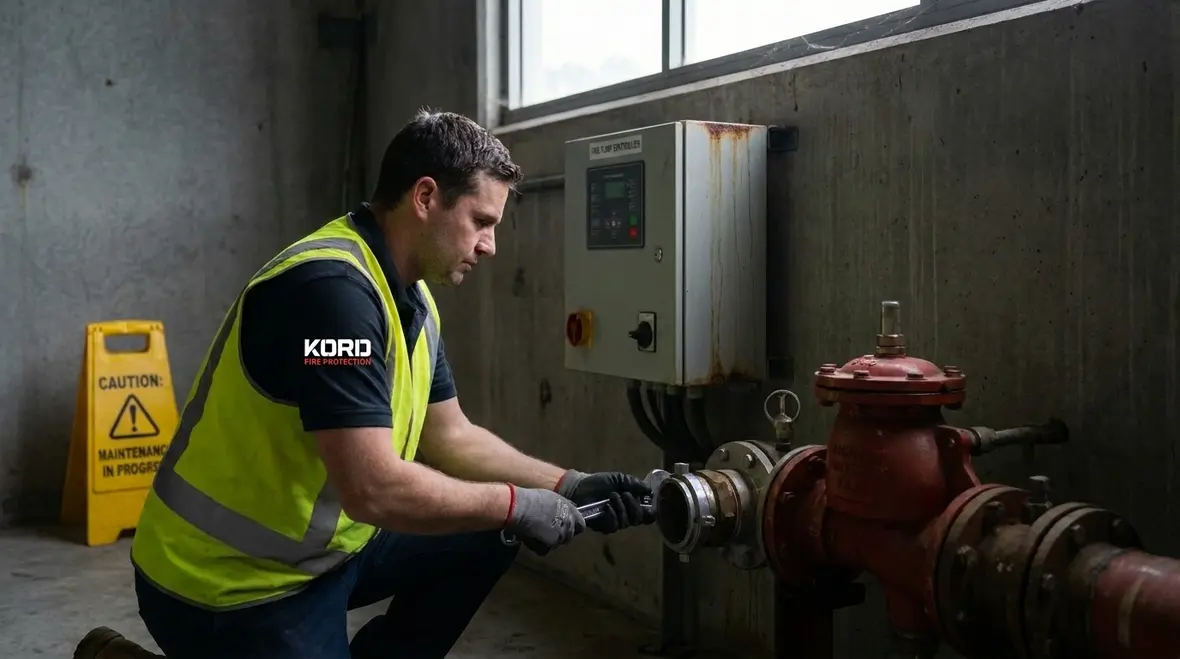
Early warning signs from gauges, valves, and water flow
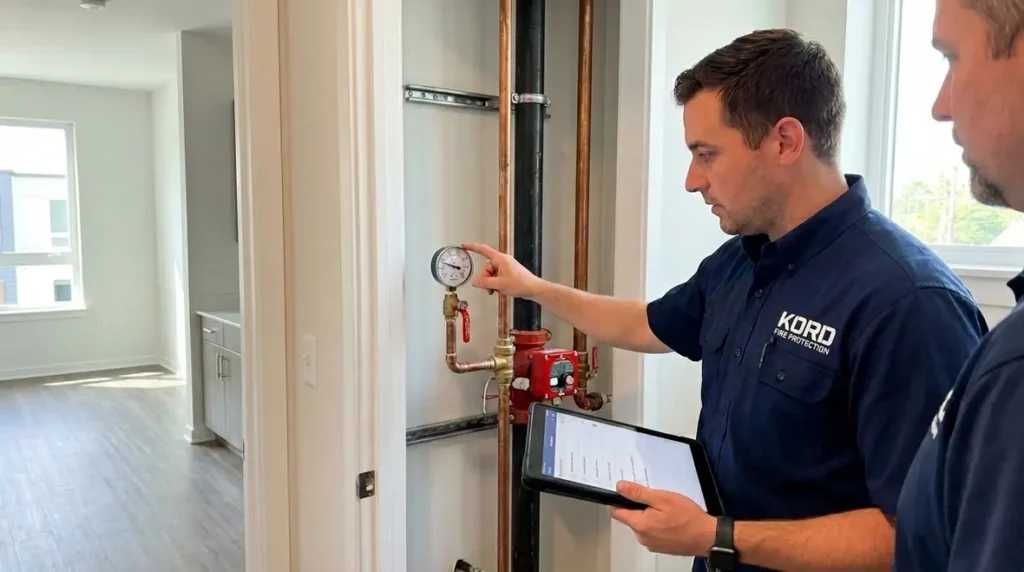
When fire protection equipment needs attention, the system often tells on itself. Facilities can monitor several indicators before the problem escalates.
- Low or fluctuating water pressure: A gauge that drifts, or readings that change after routine conditions, can signal leaks, pump issues, or water supply instability.
- Air or water problems in dry systems: In dry pipe setups, technicians expect stable air pressure. If it bleeds down, the system may need investigation rather than optimism.
- Valve issues: Supervisory switches, tamper devices, and gate or control valves can stick, corrode, or fail to fully seat.
- Alarm circuit behaviour: If the control panel frequently reports trouble or supervisory signals, the system may not be fully ready to operate.
- Water residue or staining: Even small drips near pipe joints or sprinkler inlets can suggest compromised seals.
Moreover, these signs matter most when they happen repeatedly. One-off events can be noise. Ongoing behaviour points to a real fault that scheduled service can catch early.
Why repeated pressure changes deserve attention
A pressure issue is rarely polite enough to announce exactly where it started. It may be tied to a hidden leak, a sticking valve, degraded seals, pump wear, or a supply issue that only appears under certain conditions. That is why trend spotting matters. One odd reading can be annoying. A pattern is a message.
How inspection findings lead to fire sprinkler repair
Inspections help teams move from “I think something’s wrong” to “we know what is wrong.” Typically, Kord Fire Protection starts with site history, previous test reports, and any alarm logs. Then technicians examine components with a focus on performance, not just appearance.
During inspections, they often verify key elements such as:
- Hydraulic performance: They check that the system design matches actual conditions, including water supply and demand assumptions.
- Water supply readiness: They assess pumps, tanks, mains, and any pressure maintenance arrangements.
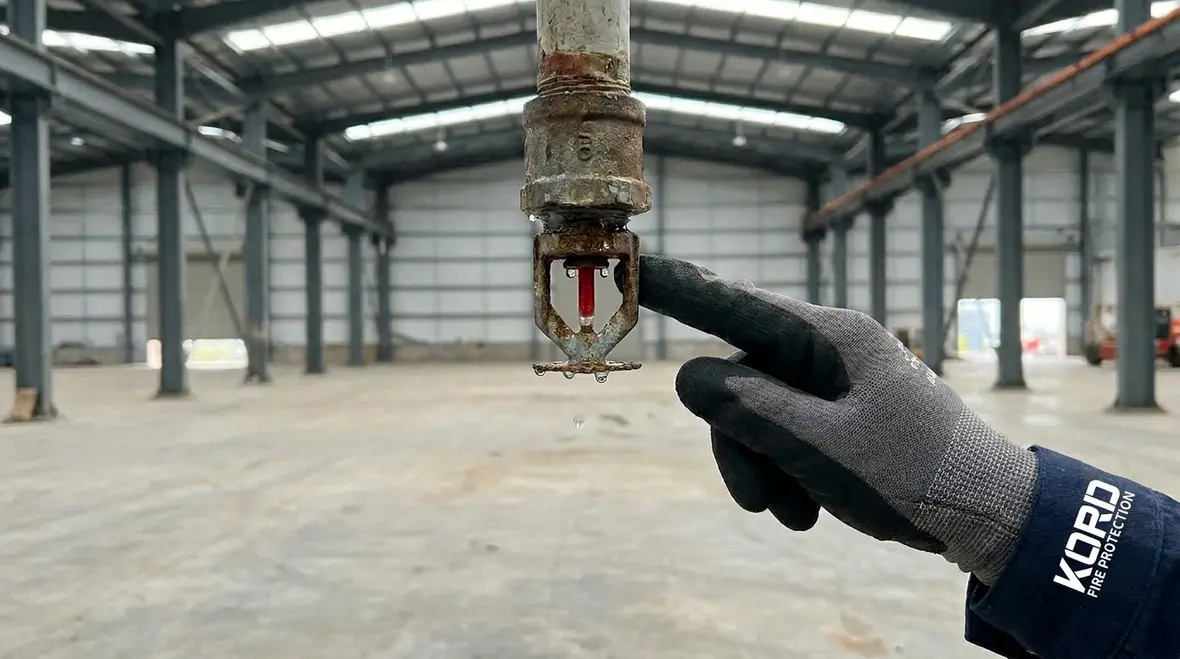
- Sprinkler condition: They look for corrosion, obstruction risk, missing or damaged covers, and impact damage.
- Pipe and joint integrity: They inspect for leakage evidence, fittings fatigue, and areas that collect debris.
After that, they recommend the next step based on risk and urgency. In some cases, the work looks small. Tightening fittings or replacing a faulty valve component can restore reliability. In other cases, repairs require a more involved approach, such as addressing an underground section, correcting system zoning impacts, or restoring proper pump performance. In any scenario, the goal stays the same: keep the system dependable when heat and time matter.
That practical approach is especially useful for facilities that need clarity fast. Nobody enjoys chasing vague notes, half-explained faults, and a maintenance trail that ends in a shrug. Good repair work turns observations into actions, and actions into confidence.
Common causes of failure in commercial and industrial settings
Facilities across Australia face real-world conditions that stress fire sprinkler systems. Dust-heavy environments, humidity, vibration from machinery, and frequent forklift traffic can all contribute to wear and damage. In retail and warehouses, storage practices and seasonal setups can also create unintended risks.
Here are frequent root causes that lead to sprinkler system repairs:
- Corrosion and scale build-up: Over time, water chemistry and moisture exposure can degrade pipe surfaces and internal components.
- Mechanical damage: Impacts from maintenance activities, racking installations, or transport handling can crack or misalign sprinklers.
- Obstruction by stored materials: Incorrect clearances can block spray patterns, turning protection into paperwork.
- Controller and pump wear: Pumps, controllers, and electrical components age like everything else, and they usually show it during tests.
- Changes to the building: New partitions, ceiling modifications, and altered layouts can affect how the system operates.
Then there is the human factor. People sometimes treat testing like a one-time event instead of a routine discipline. Yet, fire protection works best when the facility and service provider stay consistent. That consistency is exactly where Kord Fire Protection becomes a valuable partner.
Small site changes can create big protection gaps
A new partition wall, different stock arrangement, fresh ceiling works, or revised traffic flow can all affect how sprinkler protection performs. On paper, the system may still look familiar. In practice, the environment around it has changed. That is one of the reasons post-change reviews matter so much in active commercial and industrial settings.
Why choosing a partner matters for compliance and uptime
Industrial and commercial sites cannot afford long downtime windows, and they also cannot afford unreliable documentation. Fire sprinkler repair done well protects life and supports operational continuity. It also helps teams maintain confidence in inspections, audits, and regulatory expectations.
Kord Fire Protection helps facilities by pairing practical fieldwork with structured reporting. That means work does not disappear into a black box of “someone handled it.” Instead, teams get clear findings, recommended actions, and repeatable service processes. As a result, facility managers spend less time chasing answers and more time running the business.
And if the system needs more than minor work, a coordinated plan reduces surprises. After all, nobody wants a fire protection plan that reads like a mystery novel. The plot twist should not be “we discovered the issue too late.”
FAQ: Fire sprinkler repair quick answers
Schedule fire sprinkler repair with Kord Fire Protection
When signs start to stack up, the best move is simple: act early, verify performance, and restore reliability. Kord Fire Protection helps industrial, retail, and commercial facilities across Australia respond to faults with clear findings and practical repairs. Whether the issue looks minor or the alarms feel like they never stop, scheduling an assessment protects your people, your assets, and your peace of mind. Contact Kord Fire Protection today to get a plan in motion.