Fire Sprinkler Systems Sydney Design and Maintenance
Quick Answer: Fire sprinkler systems in Sydney protect people, assets, and continuity for industrial, retail, and commercial sites. Proper design, correct pipe routing, and code based testing reduce risk and downtime. Then, planned maintenance keeps performance reliable. Kord Fire Protection partners with facilities teams to install, inspect, and support long term compliance.
When a fire starts, seconds decide outcomes. That is why fire sprinkler systems Sydney teams treat installation as a technical job, not a box ticking exercise. For industrial, retail, and commercial facilities across Australia, a well planned sprinkler system helps contain a fire and buys time for evacuation, response, and business recovery. At the same time, it does not help if the system is “installed once and forgotten forever.” It must stay ready through maintenance, testing, and documentation.
Now, let us slow it down and go through what matters, from design through ongoing checks, while keeping the process calm and clear. (Because if fire safety feels stressful, that is usually a sign the planning stage was rushed. Nobody wants that sequel.)
For a broader look at system coverage and support, teams can also review Australian fire sprinkler services early in the planning process so design, installation, and maintenance stay connected from day one.
Why sprinkler design sets the whole timeline
Third person project teams should understand that good sprinkler performance begins long before a wrench turns. First, design teams review the building layout, ceiling heights, obstructions, storage type, and occupancy hazards. Then, they choose the right system type, such as wet pipe, dry pipe, pre action, or deluge, based on the level of risk and local conditions.
Next, they confirm hydraulic calculations and water supply capacity. A sprinkler system that looks correct can still fail at the exact moment it matters if water pressure or flow does not match the demand. Therefore, designers coordinate with water authorities, fire pumps where required, and tanks if the site uses them.
Design choices that affect performance later
Finally, they plan for coverage zones and selective operation strategies. This reduces unnecessary activation and helps facilities control losses. In retail and warehouse environments, this approach can mean the difference between “a bad day” and “a long insurance call.”
Installation steps that keep compliance on track
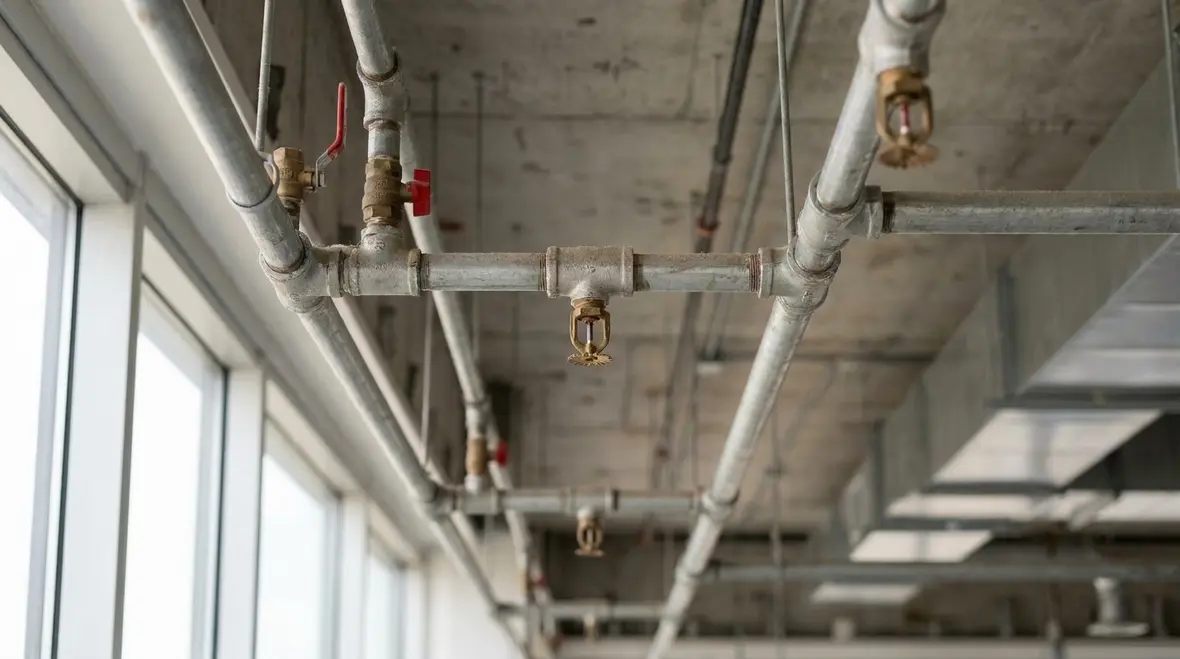
During installation, the sequence matters. If teams do it the wrong way, rework shows up later, and rework always charges interest. First, contractors verify site conditions. That means checking floor levels, ceiling construction, services routes, and any planned future fit outs.
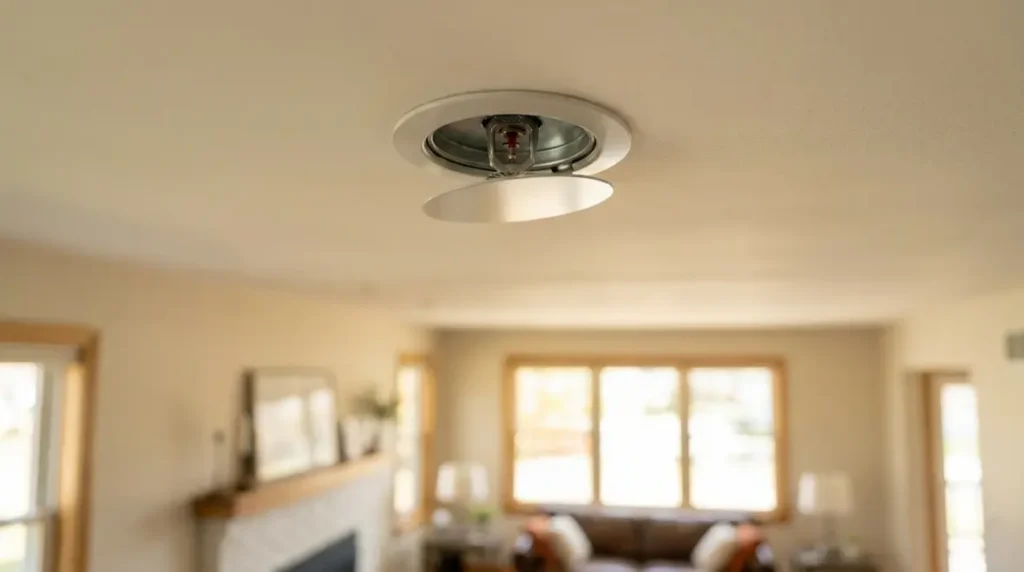
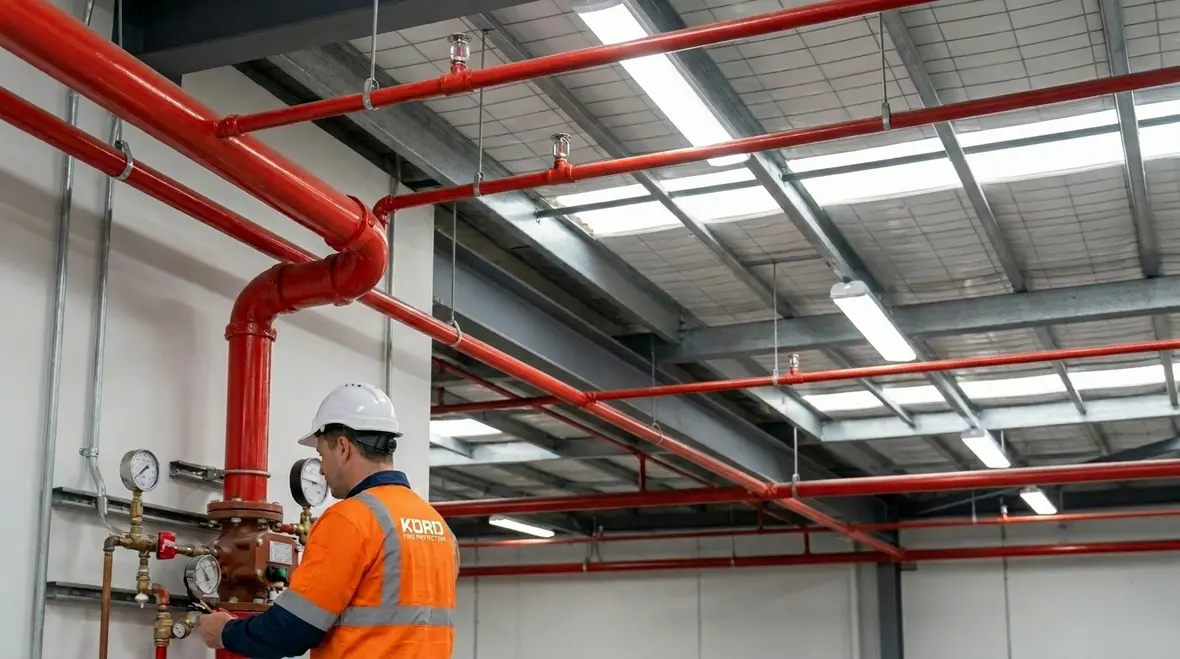
Next, they install pipework with correct materials and joint methods. Then, they place sprinklers at the specified locations, with attention to temperature rating, spray pattern, and orientation. Even small deviations can disrupt discharge patterns.
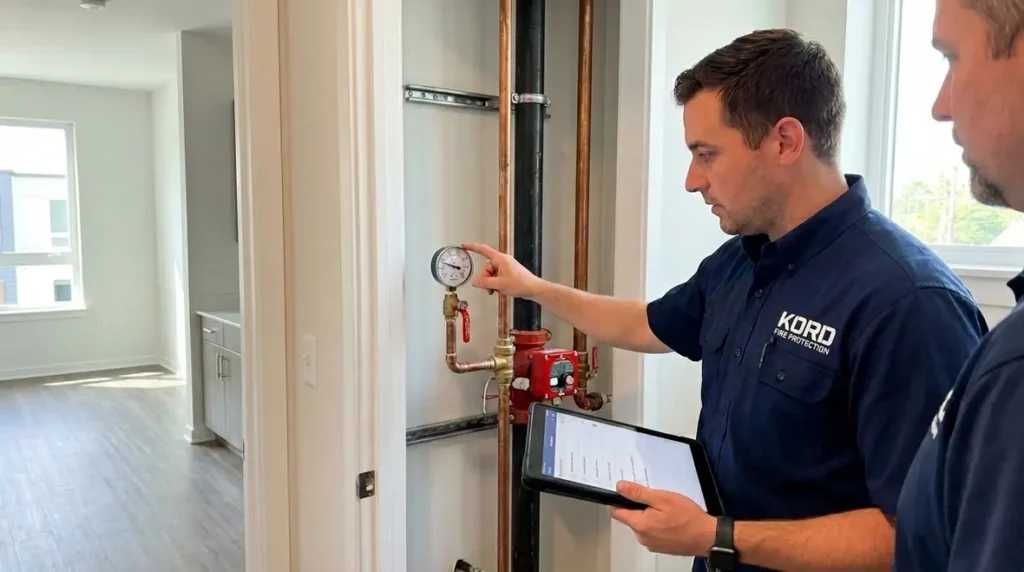
After pipework and components are in place, teams carry out system commissioning. This includes tests on valves, gauges, alarms, and pump operation, along with verification of water flow and pressure. They also check drainage arrangements and ensure no cross contamination between water supply lines and other services.
Commissioning is where confidence gets earned
Then they document everything. That documentation supports audits, insurer requirements, and internal asset records. In large commercial complexes, this is where many projects either earn trust or lose it.
Kord Fire Protection can support facilities teams at each stage, helping coordinate design interpretation, installation quality checks, and commissioning so the system performs as intended, not just as installed.
Routine maintenance that prevents “hidden failure”
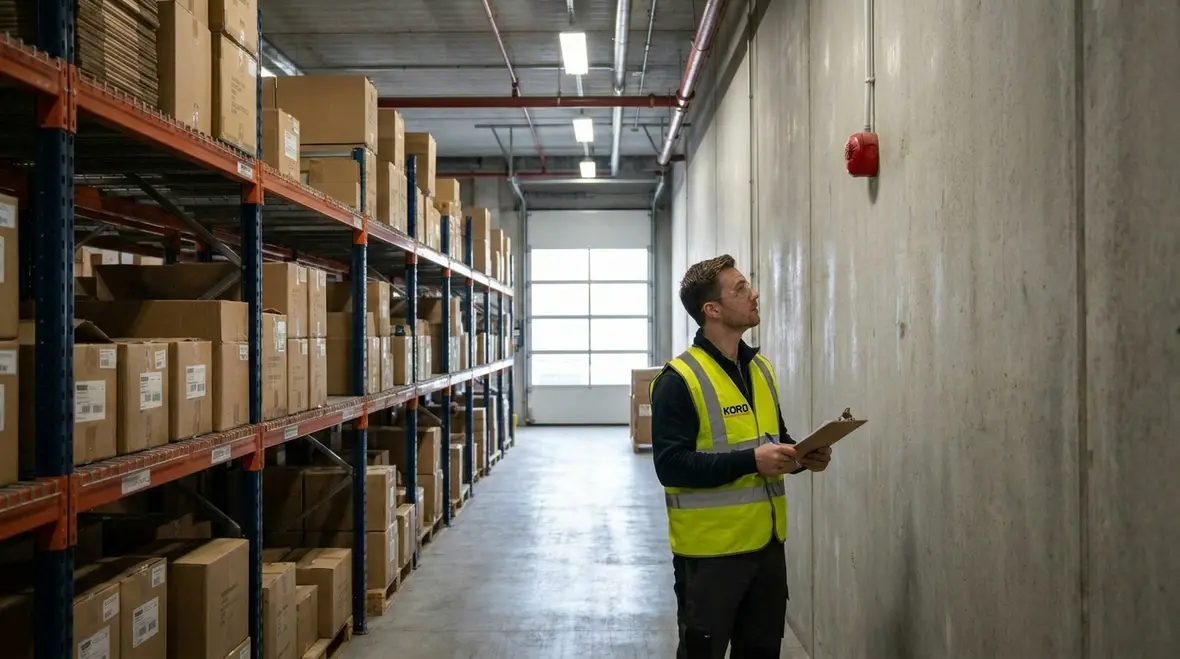
Maintenance keeps a sprinkler system effective even as buildings change. Over time, sprinklers can face dust, paint, minor impacts, and ceiling modifications. Valves can develop issues from infrequent movement, and alarms can drift out of adjustment. Therefore, planned maintenance matters more than occasional fixes.
Effective programs typically include inspection of external alarm devices, verification of control valves, and checks of water supply performance. Technicians should confirm that pressure gauges read accurately and that pumps start under the required conditions. They should also confirm sprinkler heads remain unobstructed and that the ceiling environment stays within design assumptions.
Additionally, many sites need system testing at defined intervals based on local standards and system configuration. Inspections should include visual checks for leaks, corrosion, and signs of tampering or accidental damage. For retail environments, this means coordinating with store operations, because nobody wants a maintenance event that shuts down the shop for days.
Maintenance works best when it is boring
Here is where Kord Fire Protection can be a vital partner. With facilities and compliance teams, they can plan maintenance windows, reduce disruption, and maintain accurate records that support ongoing audits and risk management.
Common issues in industrial and retail environments
Industrial and retail facilities have different pressure points, but both can develop the same kind of silent problems. First, obstructions. Storage racks, seasonal displays, and new signage can block sprinkler discharge. Even if the sprinkler head is intact, the fire can find a path around it.
Second, water supply challenges. If tanks, pumps, or mains connections change due to upgrades, the system’s hydraulic performance can shift. Also, supply reliability matters during emergencies, so crews must ensure the arrangement still meets design intent.
Third, changes to building services. New air conditioning units, electrical trays, or ceiling refurbishments can alter pipe routing and clearance. Teams need a process that manages modifications through proper assessment, not through guesswork.
Fourth, valve and control system issues. If valves remain in one position too long or get affected during building works, the system can lose responsiveness. Meanwhile, alarm integration can degrade if technicians treat it like a “set and forget” feature. Fire safety is the one app that never updates itself.
By working with Kord Fire Protection, site managers can build a clear maintenance and change management rhythm, helping reduce the chance that small alterations become big liabilities.
Testing, records, and readiness for audits
Facilities teams need more than peace of mind; they need evidence. Therefore, fire sprinkler systems Sydney projects should maintain service records that show inspections, tests, and any remedial works. Accurate records help demonstrate compliance, support insurer requests, and streamline internal audits.
Testing should include verification of alarm signaling pathways, pump functionality where installed, and confirmation of correct valve positions. Technicians should also confirm that any tamper seals remain intact and that system components match the as built configuration.
Moreover, a readiness mindset helps during tenant changes and refurbishments. Retail and commercial sites often undergo fit outs. Industrial sites may install new lines, add racks, or extend warehouse space. When the sprinkler system stays aligned with the current layout, performance improves.
It also makes business sense. When a team knows its records and system condition, it can plan downtime carefully and avoid emergency call outs during peak operations.
Kord Fire Protection supports this approach by helping facilities teams maintain structured documentation and consistent service intervals, so readiness remains predictable, not chaotic.
How Kord Fire Protection supports long term performance
Installation and maintenance succeed best when one partner understands both the technical and operational sides. Kord Fire Protection acts as that bridge. They can help coordinate installation quality through commissioning checks, then follow through with maintenance programs that fit industrial, retail, and commercial schedules.
Also, their role supports change management. When a site modifies ceilings, adds storage, or upgrades services, the sprinkler system should adapt correctly. In other words, they help ensure the system stays tuned to the building, not stuck in the past.
For facilities across Australia, that partnership reduces risk, limits disruption, and strengthens compliance evidence. Because safety is not a single task. It is a continuing discipline.
FAQ
Call Kord Fire Protection for a safer, smoother rollout
Fire protection should feel steady, not improvised. Kord Fire Protection helps facilities plan, install, commission, and maintain fire sprinkler systems Sydney sites can rely on. With the right documentation, change management support, and scheduled testing, teams reduce risk and avoid disruptive surprises. If an audit is looming or a facility is expanding, contact Kord Fire Protection now to build a long term safety plan that supports operations across Australia.