Fire Sprinkler Installation Brisbane for New Builds and Fit Outs
Quick Answer
For new builds and fit outs in Brisbane, fire sprinkler installation needs more than pipes and pressure tests. It requires design coordination, code compliance, and practical planning so the job fits the build schedule. Kord Fire Protection supports developers and facility teams end to end, from planning to commissioning.
Fire sprinkler systems Brisbane: what a modern build needs
When teams plan a commercial or industrial site, fire sprinkler installation Brisbane becomes a foundation, not an afterthought. Because during construction, walls move, services get rerouted, and timelines pretend to be flexible until they are not. And yes, fire systems still need to work when everything else is “almost finished.”
For this reason, the smartest projects treat sprinkler design and installation as part of the project rhythm. They coordinate early with architects, structural trades, electrical teams, and mechanical contractors. As a result, the system installs cleanly, integrates with ceiling layouts, and avoids costly rework.
In this space, Kord Fire Protection acts as a vital partner. They don’t just show up for the install. They help the client and the broader project team align the sprinkler system with the final building design, operational needs, and compliance requirements across commercial, retail, industrial, and facilities work throughout Australia.
If your broader fire strategy is being mapped at the same time, it also helps to review Australian fire sprinkler services early so the installation approach lines up with the building’s overall protection plan rather than getting bolted on later when everyone is already pretending the coordination phase was thorough enough.

Design and compliance for Brisbane commercial and industrial projects
Commercial and industrial facilities often have complex fire risk profiles. Therefore the design must match the use of each area, the likely fire load, storage arrangements, ceiling heights, and ventilation behaviour. Someone can throw sprinklers in the ceiling and call it a day, but that approach usually ends in either weak performance or a furious meeting with stakeholders.
To do it right, installers and designers work through key steps such as hazard classification, area mapping, water supply analysis, and system zoning. Then they define pipe sizing, sprinkler spacing, pipe routes, and potential control points. Meanwhile they prepare for the inspection and commissioning steps that confirm the system is ready for real-world use.
During fit outs, the pressure increases because the building may already be operational or partly occupied. Consequently, design changes, tenancy variations, and updated ceiling grids can affect how the system should be arranged. Kord Fire Protection supports these changes with practical guidance so teams keep momentum instead of pausing for “clarification” that arrives too late.
Why early coordination saves everyone from avoidable pain
Early coordination does more than make drawings look neat. It reduces clashes with ductwork, lighting, cable trays, access panels, signage, and all the other building elements that suddenly become very important when the ceiling space starts running out. It also gives project teams time to confirm approvals, access requirements, and practical sequencing before the site reaches that famous point where every trade insists their work is the urgent one.
How the installation process fits with build and fit out schedules
Construction managers usually care about three things: time, access, and coordination. Sprinkler installation touches all three. First, the pipework requires clear zones so trades can work without bumping into each other. Second, ceiling and bulkhead planning affects where pipes can run and where sprinklers can be placed. Third, testing and commissioning must happen before final handover, which means the team must schedule it like a critical activity, not a “maybe.”
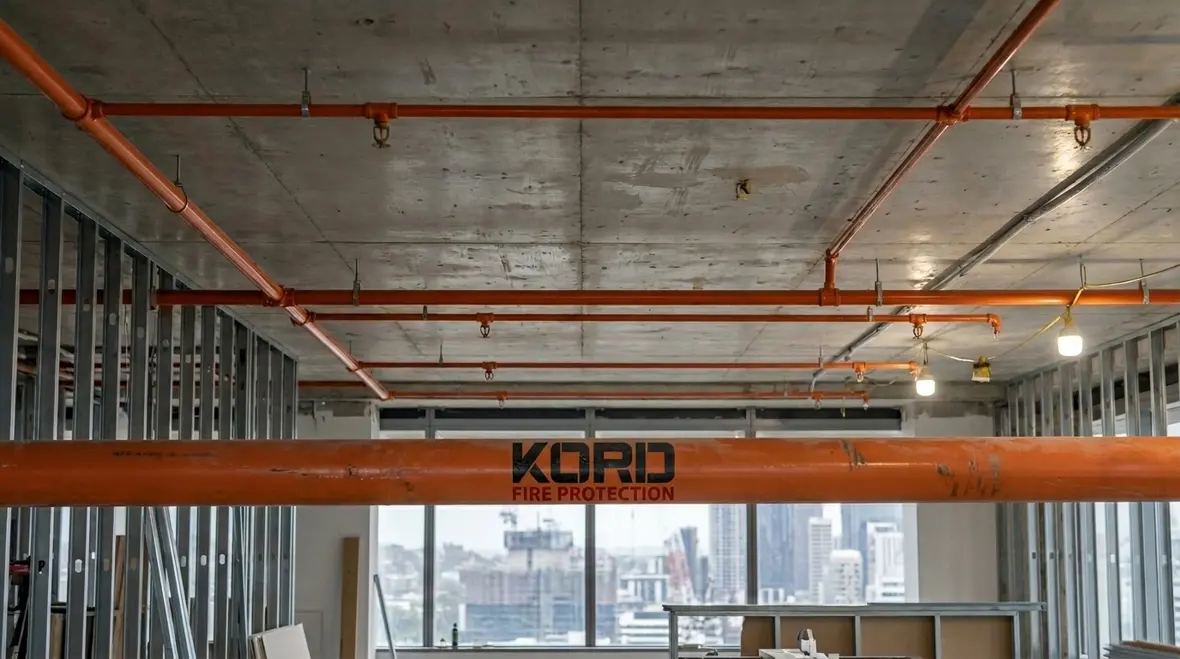
In practice, a smooth fire sprinkler installation Brisbane rollout often includes staging plans. For example, rough-in work can happen in phases aligned with structural and ceiling progress. Then the team fits sprinklers, installs test points, and finalises valves and detection interfaces. Finally they complete system checks and commissioning tasks.
Kord Fire Protection brings this kind of organised approach. They understand how industrial, retail, and facilities projects change as site conditions evolve. So they coordinate with other services and keep documentation moving. And when questions pop up, they answer them early, before the project gets to the stage where everyone is “sure it will be fine.” That is the stage where things usually are not fine.
Sequencing the work without creating chaos
A staged installation approach keeps the program realistic. It lets teams rough in pipework when access is open, return for final sprinkler head placement once ceilings are confirmed, and complete commissioning when the system can actually be tested properly. That may sound obvious, but construction sites have a remarkable talent for making obvious things difficult. A disciplined sequence helps protect the schedule from those moments.
Choosing system components for the way businesses actually operate
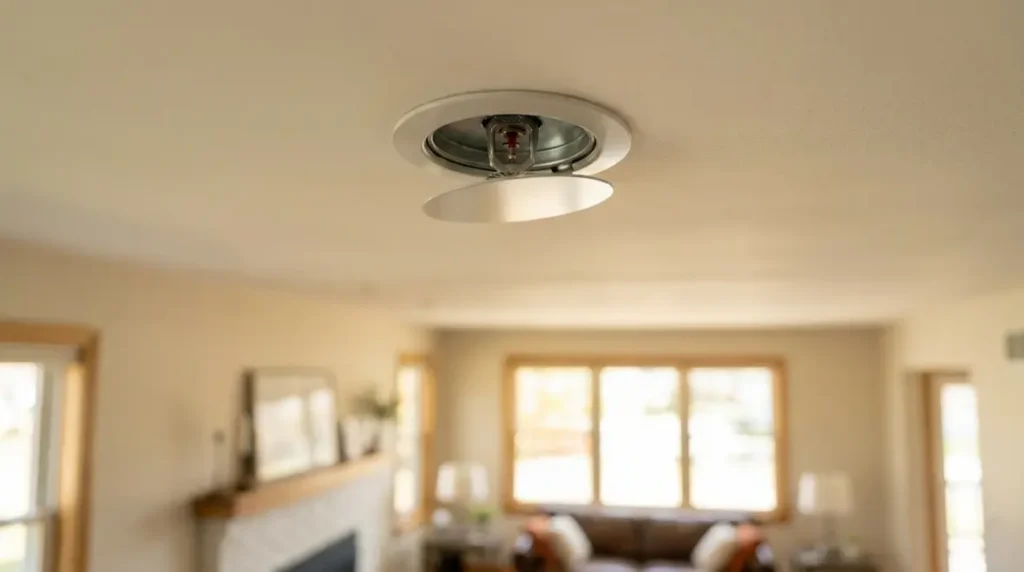
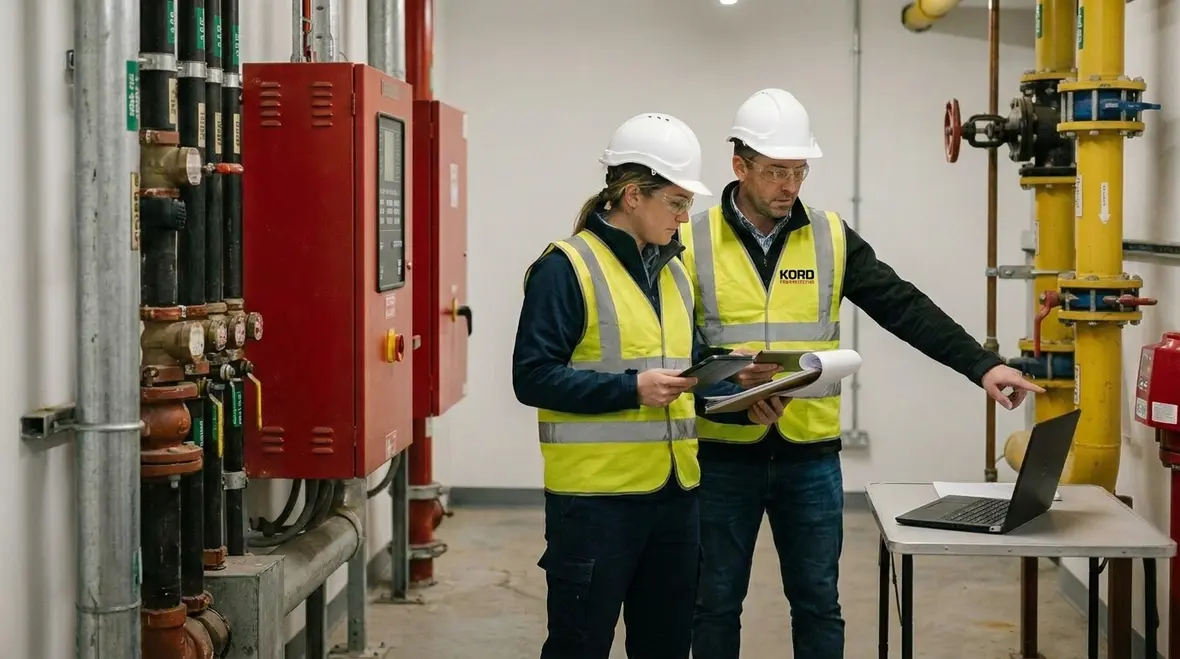
Not every site behaves the same way in a fire. High-bay warehouses, retail fit outs, plant rooms, and service areas each demand a deliberate setup. Therefore component selection matters: sprinkler types, piping materials, valves, and how control systems are integrated.
For instance, large open areas need thoughtful coverage planning. Meanwhile smaller, compartment-like spaces rely on zoning and layout coordination so water reaches the intended locations. Where there are hazards, the design may call for different sprinkler performance characteristics. In addition, teams must consider water supply capacity, pressure, and any relevant booster arrangements.
In the real world, facilities teams also care about long term operation. So the system should be practical to inspect, maintain, and manage. Kord Fire Protection helps clients align the design intent with ongoing operational needs, so the solution supports safety without becoming a maintenance headache.
Component choices affect maintenance as much as installation
That matters because a system that looks fine on handover day can still become awkward later if valves are hard to access, documentation is thin, or future service teams need a map and a miracle to understand what was installed. Good planning considers the entire operating life of the system, not just the moment someone signs off on practical completion.
Minimising disruption during fit outs and operational handovers
Fit outs often happen in buildings that must stay functional. If a sprinkler system upgrade is not coordinated, it can disrupt power, access, customer flow, or production. So the project team must plan how and when the pipework is installed, how temporary access will work, and how testing will be managed around existing operations.
To reduce disruption, many teams use structured site communication. They confirm work windows, lock in ceiling and bulkhead access, and define how trades will share service routes. They also handle penetrations carefully so the building remains protected and compliant throughout the process.
Kord Fire Protection supports these operational realities. They work with facility managers and project leads to plan realistic steps for installation and commissioning. As a result, the system reaches readiness without unnecessary delays. And if someone suggests delaying sprinkler testing to “after lunch,” it is better to respond with a calm professional smile and a firm timeline.
Commissioning, inspections, and ongoing confidence
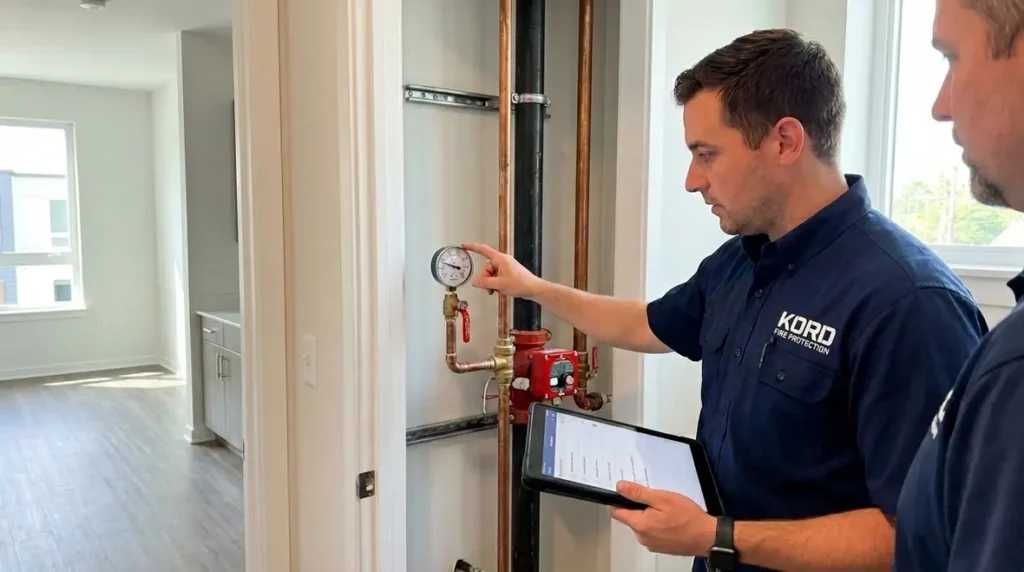
Once the installation is complete, the job is not over. Commissioning verifies that the system performs as designed. That includes checks of water supply, pipework integrity, valve operation, and control arrangements. It also covers functional testing so the system behaves correctly under expected conditions.
Then inspections confirm compliance and workmanship standards. For facilities leaders, this step provides confidence during audits, insurer reviews, and ongoing risk management. Just as importantly, good handover documentation helps future maintenance teams understand what was installed and where.
Kord Fire Protection delivers this close-out support with a focus on clarity. That means clients receive the information they need to manage the system properly and plan future service activities. For industrial, retail, and commercial stakeholders across Australia, this reduces uncertainty and supports safer decision making long after the construction dust settles.
Why the handover stage deserves more respect
A proper handover is where a finished installation becomes a manageable asset instead of a mystery above the ceiling. Clear records, labelled components, and a commissioning trail make it easier for owners, tenants, and maintenance teams to keep the system reliable over time. In other words, the close-out process is not admin fluff. It is part of the safety outcome.
FAQ: Fire sprinkler installation Brisbane for new builds and fit outs
Call Kord Fire Protection for a safer, smoother project handover
Fire safety should not arrive late and hope for the best. For industrial, retail, commercial, and facilities projects in Brisbane, Kord Fire Protection helps teams plan, install, and commission sprinkler systems with confidence. When schedules tighten and designs shift, their practical coordination keeps the build moving. Contact Kord Fire Protection today and turn fire sprinkler installation into a controlled, professional part of the project, not a last minute surprise.