Fire Sprinkler Testing Brisbane for Commercial Compliance
Quick Answer: Fire sprinkler testing for commercial buildings helps keep systems reliable when it matters most. In Brisbane, service teams check key parts like pressure, flow, alarms, and compliance records. This reduces downtime risk, strengthens insurance confidence, and supports safety audits. Kord Fire Protection can manage testing, documentation, and follow up actions with a steady, professional approach.
Commercial sites can’t afford “maybe” when it comes to fire safety. That is why fire sprinkler testing Brisbane matters for industrial, retail, and facilities operations that run on tight schedules and higher stakes. When systems sit quietly in the background, many people assume they are ready. However, pipes age, valves shift, water supply changes, and sensors drift. So, testing turns guesswork into evidence.
Businesses looking at the wider picture of system reliability often also pay attention to Australian fire sprinkler services as part of a broader compliance and maintenance strategy across commercial properties.
In this guide, third person advice is offered in a calm, practical tone. It covers what testing really involves, what businesses should prepare, how often testing should happen, and how Kord Fire Protection can become a vital partner to reduce risk, streamline compliance, and keep operations moving. And yes, it is less exciting than a blockbuster finale. But it does save lives, and it can save businesses from surprise costs later.
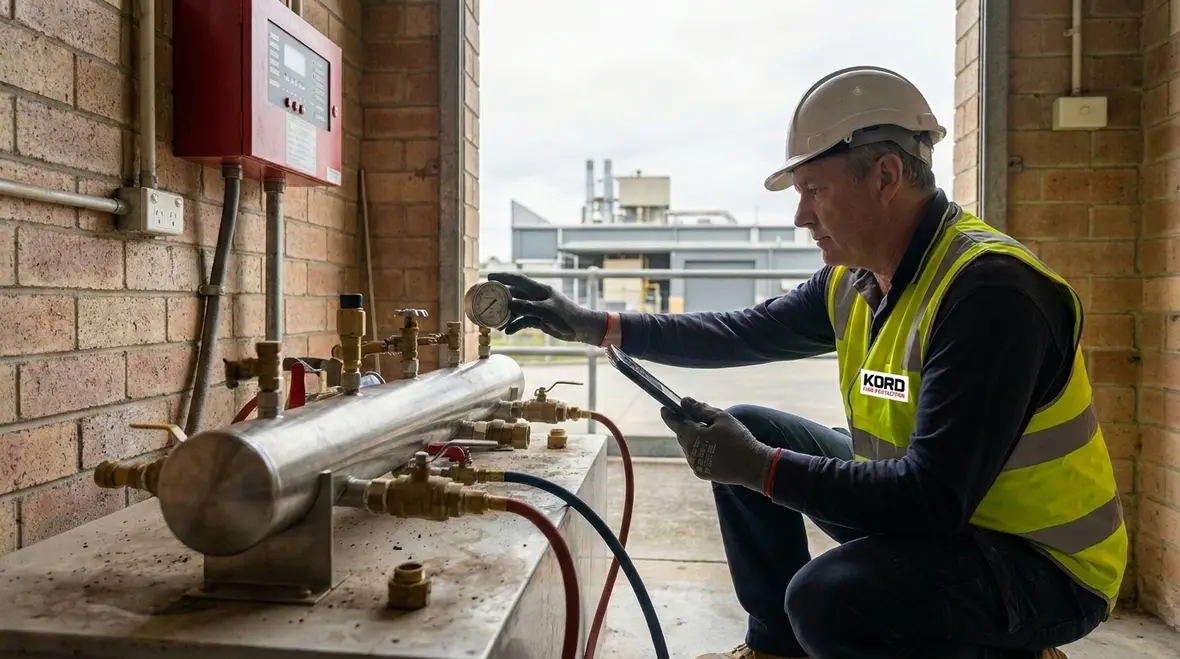
Understanding fire sprinkler testing for commercial sites
Fire sprinkler systems do more than look good on the ceiling. They depend on correct water delivery, accurate activation, and clear notification paths. Therefore, testing focuses on both the physical system and the supporting signals. It verifies that water can flow where it should, at the correct pressure and rate, and that alarms report properly.
For industrial and retail environments, the testing approach often needs to account for operational realities. Warehouses may have confined access areas, while retail zones may require staged work to avoid disrupting customers. Meanwhile, multi tenant facilities can add complexity because multiple parties share services, corridors, and emergency routes.
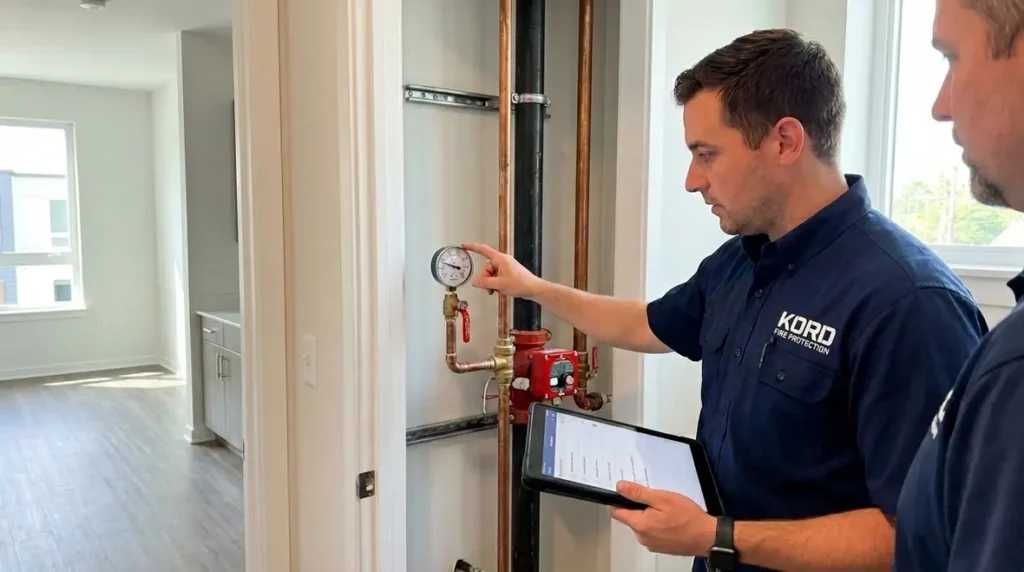
Testing typically checks things like water pressure, valve position, sprinkler obstruction risks, and the behaviour of connected alarm devices. Additionally, service providers review documentation, test results, and any maintenance history to ensure the system stays consistent with its intended design.
Why commercial testing is more than a box ticking exercise
For many businesses, the biggest value in testing is not just finding obvious faults. It is building confidence that the system will respond as expected if an emergency happens at the worst possible time. A quiet system is not always a healthy one. Sometimes it is just quiet. That distinction matters a lot when people, stock, equipment, and building continuity are on the line.
This is also why some facilities teams naturally connect testing with broader protection planning, especially when they already manage extinguishers, alarms, emergency lighting, and evacuation procedures. The goal is less about isolated tasks and more about making sure the building’s safety systems actually work together like they were meant to.
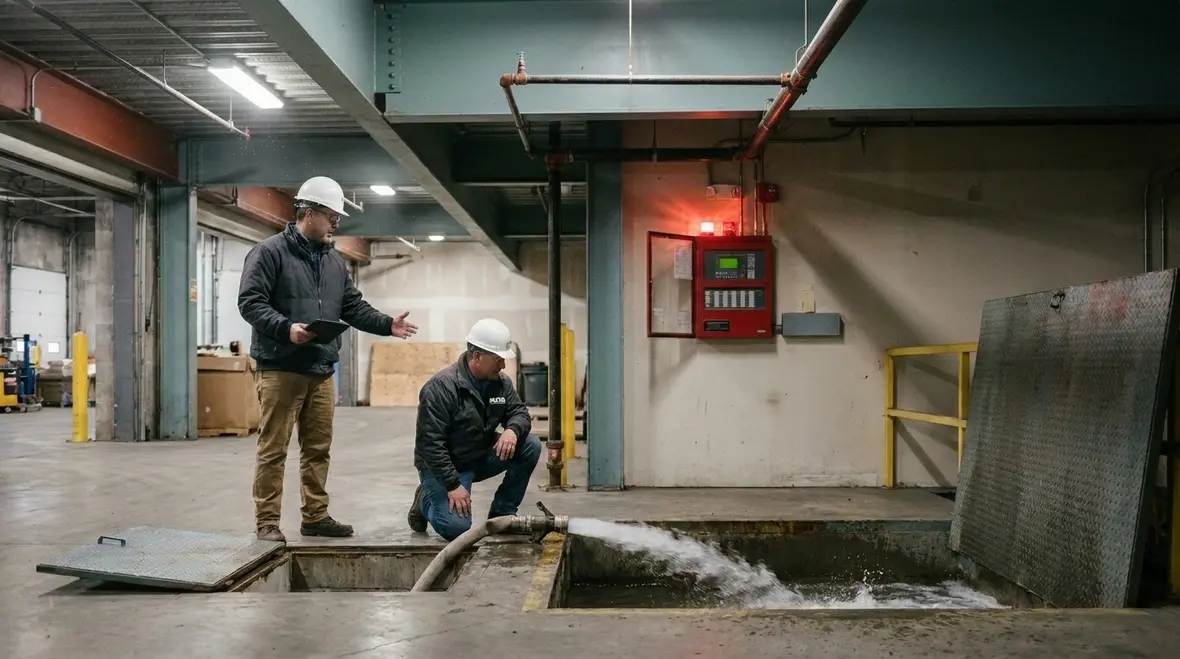
What parts get tested and why it matters
Even a well installed system can lose performance over time. Dust builds up, valves seize, minor leaks appear, and system set points may no longer match real world conditions. So, testing looks for the evidence before an incident forces the issue.
Common areas include:
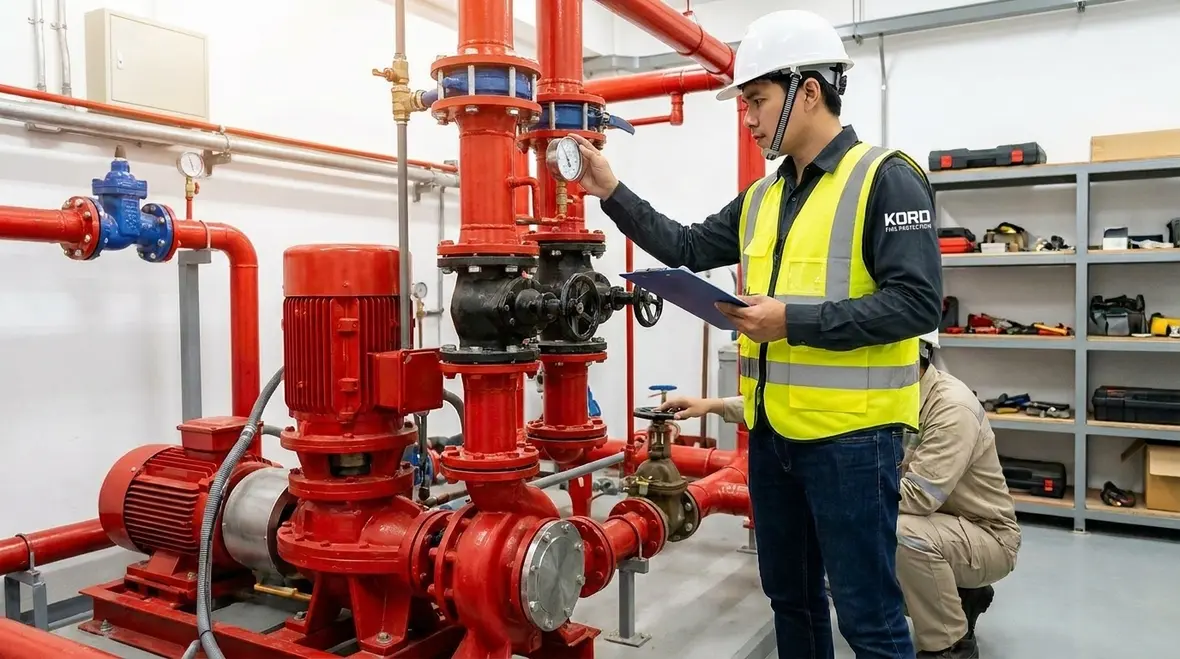
- Water supply checks that the mains and storage can deliver the required flow and pressure under demand
- Pipework and valves inspections confirm there are no blockages, incorrect valve states, or signs of deterioration
- Alarm and monitoring devices verify that alarms, panels, and signals report correctly to the right locations
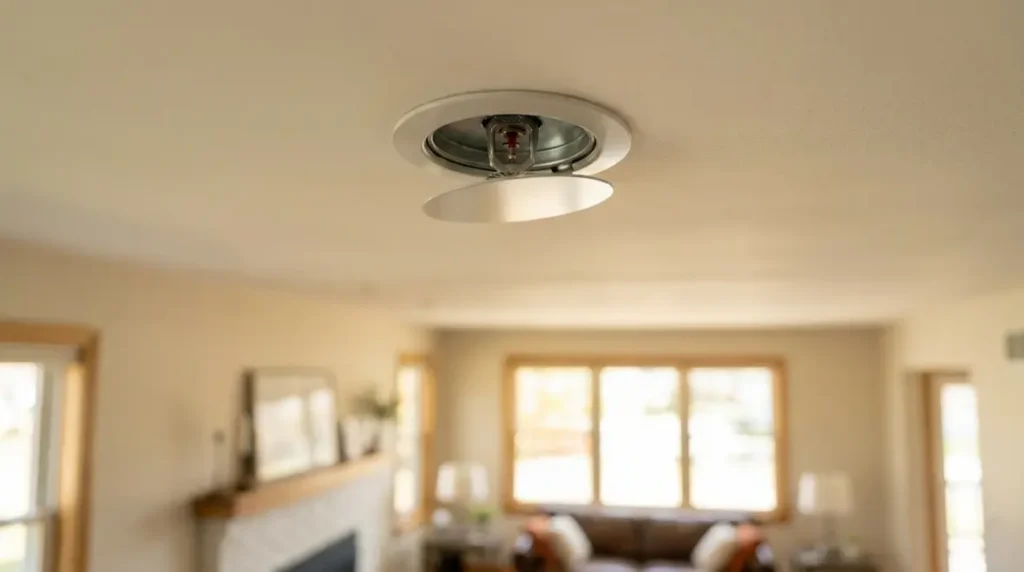
- Sprinkler condition evaluates exposure risks such as paint overspray, corrosion, and physical damage
- Test connections and controls confirm that flow tests can run safely and that control operations respond as expected
Then there is the part businesses often overlook: records. Testing without proper documentation is like keeping a receipt but never checking the total. It may look tidy, but it does not prove anything if an audit arrives. When businesses maintain clear records, they support compliance, smoother insurance conversations, and faster corrective actions.
The small issues that become expensive later
A sticking valve, a damaged head, a pressure inconsistency, or a missed monitoring fault may seem minor in isolation. Yet commercial sites rarely deal with isolated consequences. One issue can create a chain of downtime, reinspection, contractor coordination, tenant frustration, and avoidable expense. Testing helps catch those annoying little problems before they turn into very expensive “how did this happen” meetings.
How often testing should happen and how to plan
Testing frequency depends on system type, site risk profile, and relevant compliance expectations. Instead of treating schedule as a guessing game, commercial buildings benefit from a managed testing plan that ties into maintenance calendars and building operations.
Planning matters because testing can create operational impacts. For example, flow based tests may require controlled water discharge procedures, and certain inspections may require isolated areas. Therefore, service teams often coordinate work at low traffic times, set clear access rules, and provide pre start notices so teams can manage floor activities.
A smart plan usually includes:
- Reviewing prior test results and identifying recurring issues
- Confirming system maps, as built documentation, and zone details
- Scheduling with minimal disruption to customers and shift work
- Arranging isolation steps and safety controls, when required
- Building in time for repairs and retesting if corrective work is needed
For multi site operators across Australia, consistent scheduling and record keeping also support a standard operating rhythm. In other words, the business does not have to reinvent the wheel for every building. And honestly, doing that would be like installing a new printer for every page you print. It is not clever, it is just expensive.
Near the top of the planning process, it also helps to line sprinkler testing up with related maintenance conversations. Businesses already thinking about long term reliability often find value in reviewing broader fire sprinkler service support so inspections, reporting, and repairs stay coordinated instead of becoming separate admin piles.

Common compliance issues businesses face
Many commercial sites get close, but not quite there. Then, when an audit or insurance review arrives, gaps show up. Common compliance friction points include missing documentation, outdated system records, obstructed sprinkler areas, or valves left in incorrect positions after prior maintenance.
Other issues can include monitoring faults, unclear alarm routing, or test results that do not align with expected performance. Additionally, some businesses struggle with coordinating responsibilities between facilities teams, contractors, and tenants. Therefore, the solution is not only technical. It is also process driven.
To reduce surprises, facilities managers can ask for a clear testing report structure that includes findings, risk notes, recommended actions, and evidence of corrective steps where needed. This is where a steady partner earns its keep. Without it, businesses may receive a stack of documents that look thorough but do not guide the next move.
Why reporting quality matters almost as much as the test itself
A report should not read like a mysterious novel where the important details are hidden until chapter twelve. Good reporting makes findings easy to understand, easy to action, and easy to store for future reviews. That helps facilities teams respond faster, communicate better with management, and stay calmer when audits come around.
Why Kord Fire Protection works as a vital partner
Kord Fire Protection supports businesses that want fire safety testing to feel managed, not chaotic. They help coordinate the process end to end, from planning and access to reporting and follow up. So, if a site runs across industrial, retail, and facilities across Australia, the business can keep a consistent standard rather than juggling different approaches for each location.
Because commercial operations value clarity, Kord Fire Protection typically focuses on practical outcomes. That includes verifying performance, documenting results in a usable format, and recommending next steps that facilities teams can action quickly. In turn, this reduces “pass the paperwork around” delays. And nobody wants that. Paperwork delays are like waiting for a coffee to finish after you already left the counter.
To strengthen readiness, Kord Fire Protection can also support maintenance alignment. Therefore, testing becomes part of a larger safety program, not a one off event. This helps businesses track trends, address recurring faults early, and maintain confidence across inspections.
Dual column view: preparing for testing and what to expect
Before the test
- Confirm system zones and access routes
- Notify relevant teams and tenants
- Review last reports and outstanding actions
- Prepare safe discharge or isolation points if required
During and after the test
- Technicians verify performance and monitoring
- Records and readings get captured
- Findings get reported with clear next steps
- Corrective actions get scheduled and confirmed
FAQ about fire sprinkler testing
Take action now with a trusted testing partner
Fire safety should not feel like a last minute scramble. Businesses across industrial, retail, and facilities need dependable fire sprinkler testing Brisbane that supports compliance, reduces downtime risk, and builds real confidence in day to day operations. Kord Fire Protection can help plan the work, verify performance, and deliver clear reporting with practical next steps. Contact Kord Fire Protection to schedule an assessment and keep your systems audit ready, calm, and ready for the next shift.