Fire Sprinkler Maintenance Perth for Commercial Compliance
Quick Answer: Commercial fire sprinkler systems need ongoing care, not “set and forget” optimism. In Perth, facilities should schedule inspections, test alarms and flows, maintain valves and sprinklers, and document every step. Our team at Kord Fire Protection helps businesses stay compliant, reduce downtime, and protect assets.
In Perth, fire sprinkler maintenance Perth is not a box to tick. It is an operational necessity for industrial sites, retail centres, offices, warehouses, and multi use facilities across Australia. Because when sprinklers work, lives and property stay safer. When they do not, even the best evacuation plan can feel like a movie where the hero forgets the keys. And nobody wants that sequel.
Fire sprinkler systems also quietly carry the weight of compliance, insurance expectations, and risk management. Therefore, thorough maintenance matters long before a surprise inspection day. Kord Fire Protection supports facilities with a service partner approach that goes beyond basic checking, so managers gain confidence, records, and practical recommendations that work in real buildings.
For businesses reviewing their broader fire protection setup, it also helps to understand how complete system support fits together across inspection, servicing, and compliance planning through Australian fire sprinkler services. That bigger picture makes routine maintenance easier to schedule and far less mysterious when responsibilities start piling up.
Why sprinkler maintenance keeps commercial operations calm
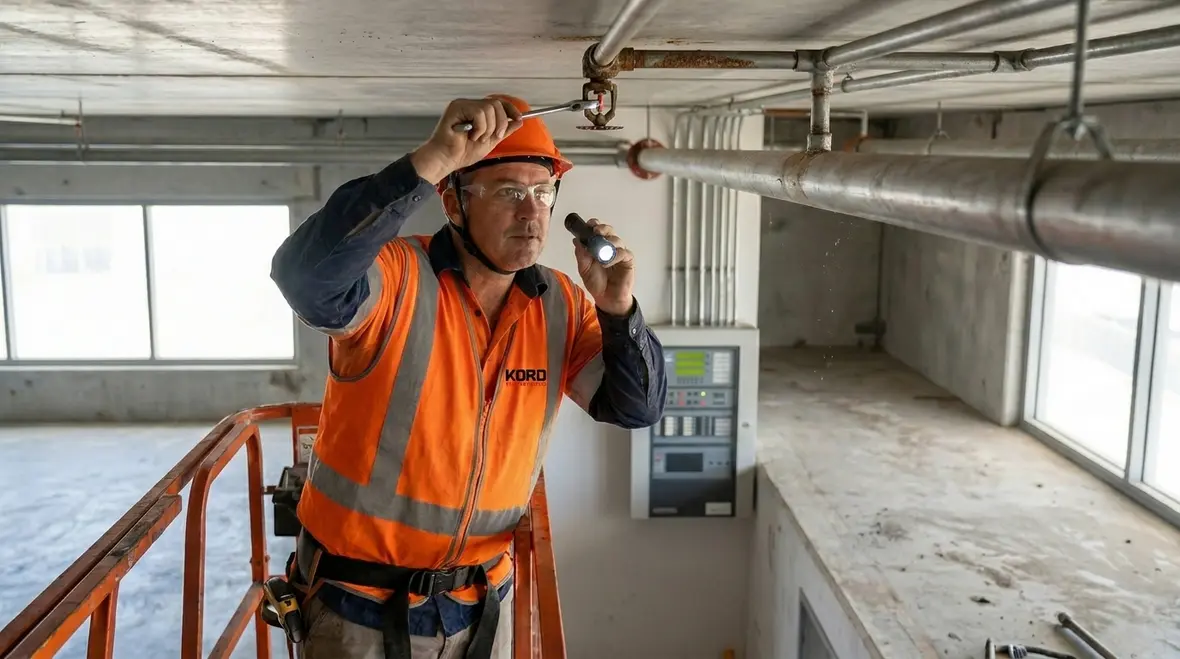
Commercial facilities run on schedules. Maintenance needs to protect productivity, not interrupt it for no reason. With active care, facilities reduce the chance of hidden issues such as partial valve corrosion, incorrect pressure, obstructed sprinklers, or poor drainage. Consequently, the system stays ready when smoke, heat, or both demand it.
Additionally, a neglected sprinkler system often fails “slowly” at first. That means small problems build up over time: piping strain, leaks around fittings, air in the lines, or sprinklers with paint and damage from maintenance work. Then one day the system does not behave as expected. At that moment, everyone learns a painful lesson: fire protection is not a hobby.
At the same time, a well maintained system improves audit readiness. It gives facilities consistent documentation and clear evidence of testing. Kord Fire Protection can act as a vital partner by aligning maintenance tasks with facility operations, helping teams plan access, shut down only what is needed, and keep records organised for stakeholders.
Maintenance is about readiness, not ritual
A lot of commercial teams know they need maintenance, but what they really want is confidence. They want to know the system is ready, the records are current, and the next inspection is not going to trigger a flurry of awkward emails. That is why good maintenance is practical. It is not ceremonial. Nobody gathers around a control valve for spiritual growth.
The calmer a facility wants to be during an emergency, the more disciplined it needs to be before one. Sprinkler servicing supports that discipline by keeping water delivery components, alarms, and site records connected instead of scattered across folders, memories, and crossed fingers.
What fire sprinkler systems in Perth require, beyond simple checks
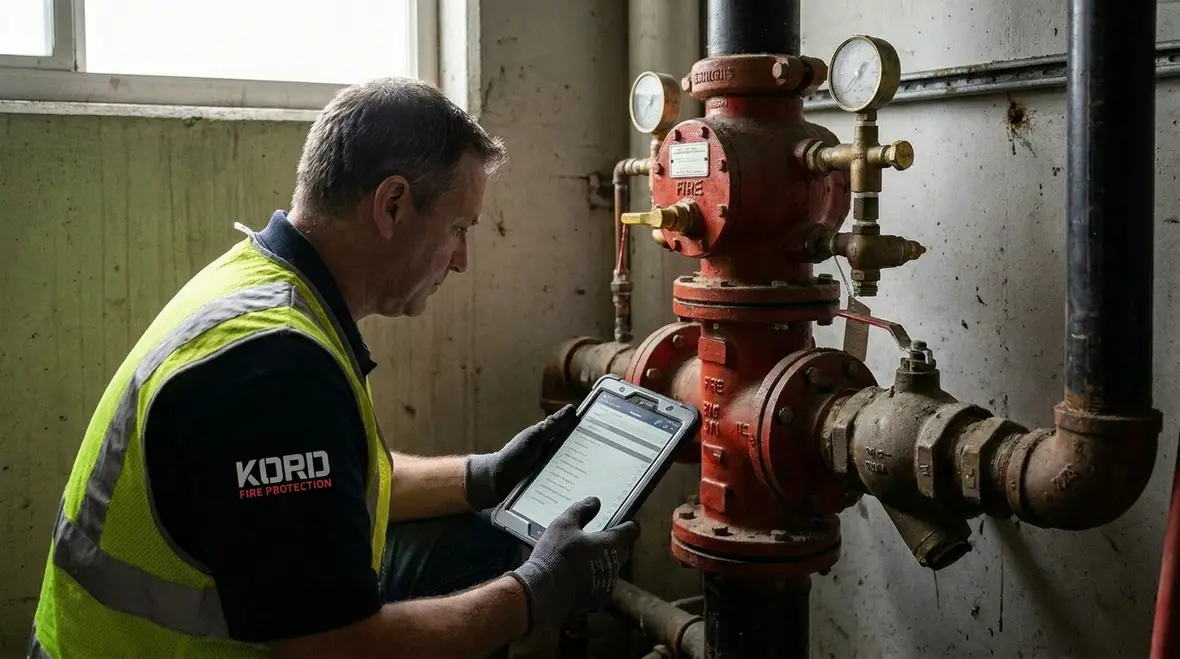
Routine work goes deeper than a quick look at the nearest sprinkler head. A reliable maintenance program usually includes inspections and functional testing that confirm the system can deliver water where and when it should.
Typical maintenance and service actions include:
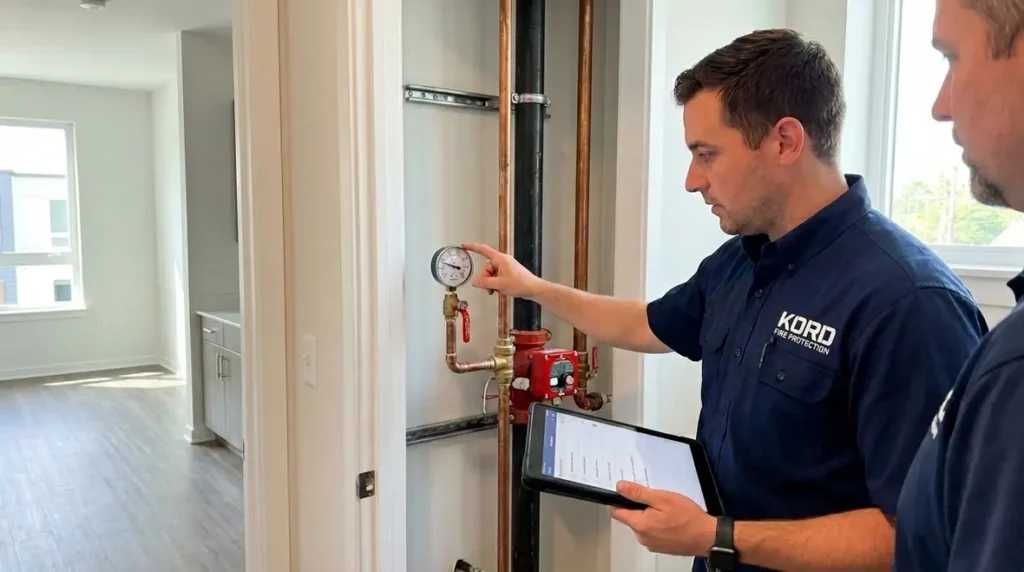
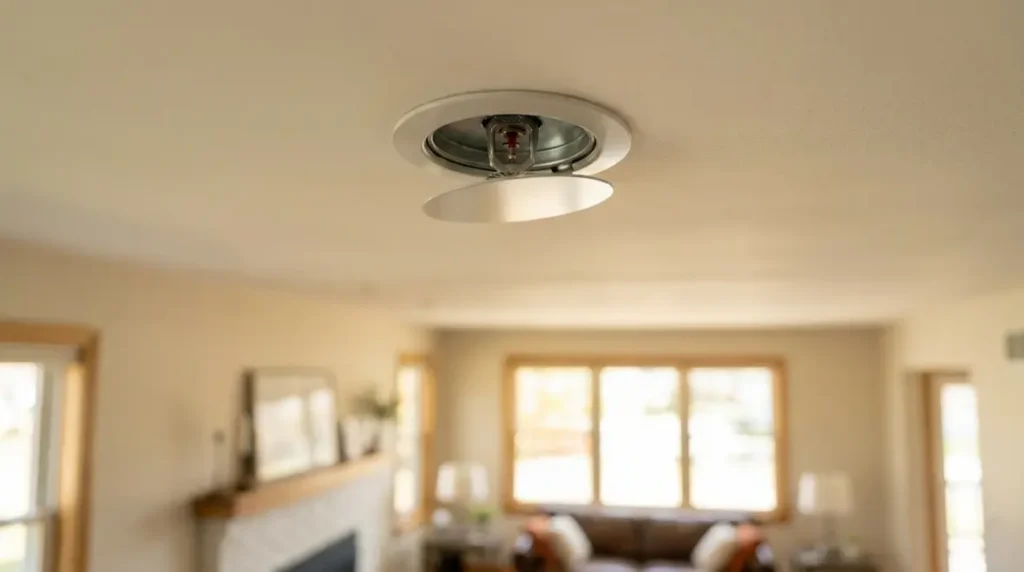
- Visual inspection of sprinkler heads and pipework for damage, obstruction, corrosion, and signs of tampering
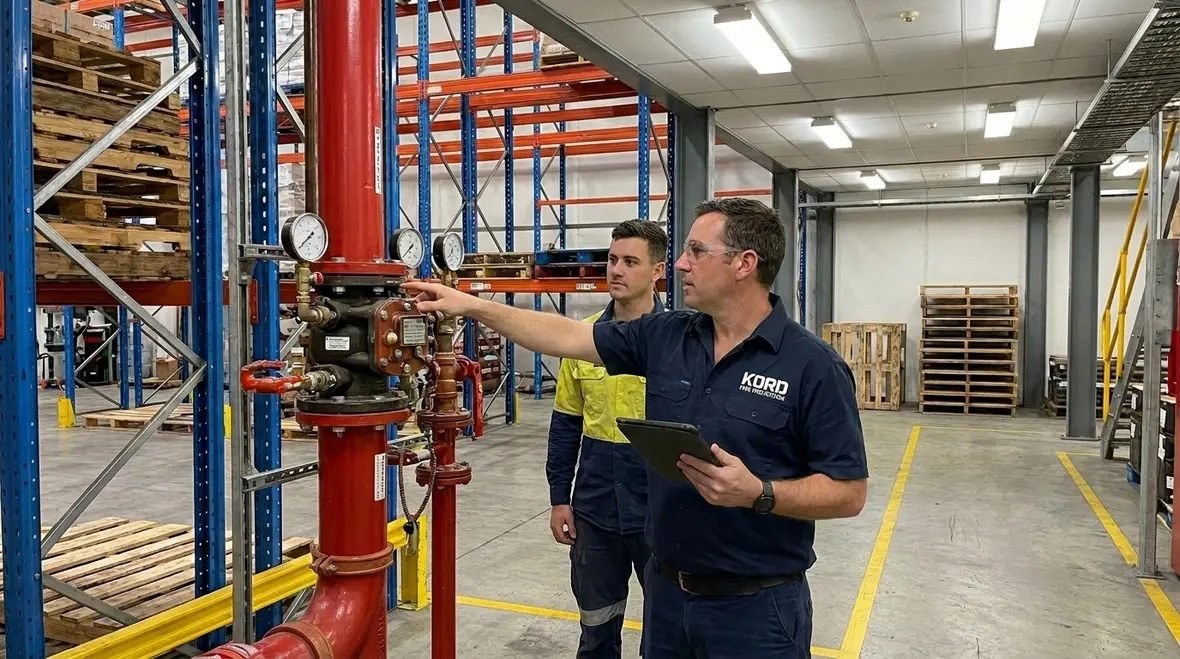
- Testing of alarm valves, pumps, and detection interface components to confirm correct operation
- Flow testing where required to verify performance against design expectations
- Checks of gauges and pressure readings to confirm the system holds correct conditions
- Inspection of drainage and housekeeping around system equipment so discharge paths remain clear
- System record review to ensure changes to the building did not affect coverage
Moreover, commercial buildings evolve. Tenants move, partitions shift, racking changes, and new storage appears. When the layout changes, sprinklers can end up closer to hazards than the original design intended. Therefore, maintenance must connect with site changes, not just happen on a calendar.
In that context, Kord Fire Protection helps facilities keep protection aligned with the current building reality. They support teams with practical recommendations, so the system stays effective after refurbishments, expansions, and ongoing fit out work.
Small changes in the building can create big blind spots
This is where commercial sites sometimes get caught out. The sprinkler system may have been appropriate when the area was originally configured, but the building rarely stays frozen in time. A new partition wall, a packed storage bay, suspended signage, or equipment added under pipework can all change how effectively water reaches the hazard area.
That is why maintenance should include conversations about operational changes, not just hardware checks. If the building has changed, the maintenance plan should notice. Otherwise, the system may still look respectable on paper while reality quietly moves the goalposts.
How often should commercial facilities schedule inspections and testing?
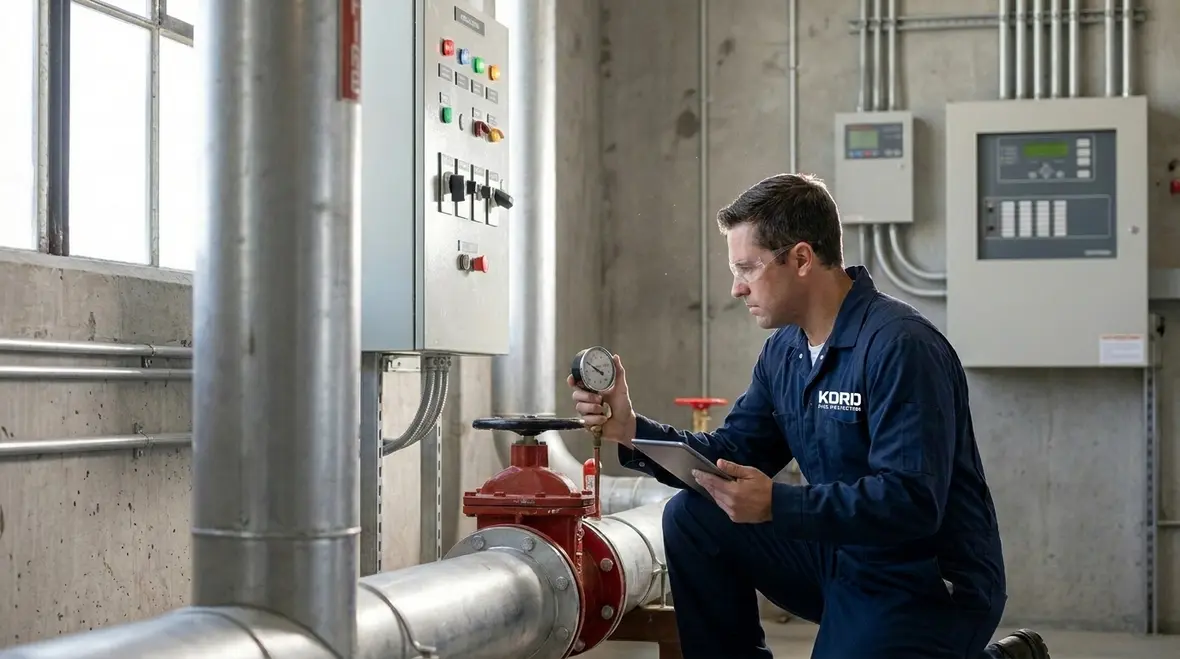
Frequency depends on system type, occupancy risk, and local compliance expectations. Still, most commercial programs follow a structured rhythm that includes periodic inspection, testing intervals for alarm and water delivery components, and record updates after each service activity.
Instead of guessing, facilities should use a maintenance plan that balances risk with operations. For example, high density storage areas, cold rooms, or production zones often need more careful attention because conditions can affect water delivery and corrosion. Then there are sites where dust, fumes, or ongoing construction increases obstruction risk around sprinkler heads.
Here is a common pattern facilities use to stay organised. They do more than inspections. They validate performance, confirm alarms, and maintain the ability to prove readiness to insurers, regulators, and internal governance teams.
- Schedule routine visual inspections to identify obvious damage, blocked heads, leaks, and valve issues
- Include functional testing for alarms, flow switches, pumps, and related control components at planned intervals
- Review maintenance records after each visit so unresolved items do not vanish into the administrative abyss
- Coordinate servicing around shutdown windows, deliveries, and tenant access requirements
- Reassess the program after renovations, storage changes, or process modifications that affect hazard conditions
Because every facility has a different pace, Kord Fire Protection can tailor schedules that support the building calendar. That reduces downtime surprises and keeps service work coordinated with access, deliveries, and operational demands.
Top risks found during sprinkler maintenance Perth visits
When technicians conduct thorough work, they often uncover issues that look small but matter. These are the kinds of problems that can reduce system performance or delay response.
Common findings include:
- Obstructed sprinklers: storage, signage, temporary structures, or construction debris block spray patterns
- Damaged or modified heads: cosmetic changes from past work, impact damage, or incorrect replacement parts
- Corrosion and leaks: pipework stress, aged fittings, and small leaks that undermine readiness
- Incorrect valve status: valves that were moved, locked improperly, or left in the wrong state after site activity
- Pressure and flow concerns: issues that affect how quickly water reaches the area where heat activates sprinklers
To make this less painful, think of maintenance like regular car servicing. Sure, it still runs if you ignore it. But eventually you trade “a small fix” for “a very expensive surprise,” and that is not a business strategy.
Additionally, facilities should watch for post installation changes. Even if initial certification was strong, later fit out work can affect coverage. Kord Fire Protection supports businesses by checking system condition and by helping teams understand what building changes mean for sprinkler effectiveness.
Why documentation matters almost as much as hardware
A commercial sprinkler system can be technically sound and still create headaches if the records are incomplete. Compliance reviews, insurer questions, and internal audits all rely on documented evidence. If a site cannot show what was tested, what was found, and what was corrected, it may end up explaining itself far more than anyone would like.
Good records also help maintenance become cumulative instead of repetitive. The next technician sees previous findings, site notes, and unresolved items. Managers see patterns. Contractors see the history. And everyone spends less time playing detective with a clipboard.
How facilities benefit when Kord Fire Protection supports the program
A service partner makes the difference between paperwork and real protection. Kord Fire Protection helps facilities treat maintenance as a managed process, not a one off event.
First, the team approaches maintenance with planning and communication. That matters for industrial and retail sites where access windows and safety rules can be strict. Then, they provide clear reporting and records, so managers can show what was done, when it was done, and what actions remain.
Second, Kord Fire Protection connects technical work with practical outcomes. For instance, the team can advise how to reduce future obstruction risks around storage and work zones. Instead of only identifying problems, they help prevent repeat issues.
Third, they support multiple commercial categories across Australia, including industrial, retail, and general commercial facilities. As a result, procurement and compliance teams can standardise their approach rather than juggling inconsistent contractors.
In business, consistency is like good customer service. People do not always notice it, until it suddenly disappears. Then they definitely notice.
Featured snippet FAQ about sprinkler maintenance
Call Kord Fire Protection for a maintenance plan that fits the site
Commercial owners and facility managers should not leave sprinkler readiness to luck. Kord Fire Protection helps businesses in Perth and across Australia plan and deliver reliable maintenance with clear reporting and practical recommendations. If a program feels overwhelming, the team can step in as a partner, not just a contractor. Contact Kord Fire Protection today to discuss service schedules, site access, and a maintenance approach built for industrial, retail, and commercial operations.