
Fire Sprinkler Systems Adelaide Compliance Maintenance
Quick Answer
Fire sprinkler systems in Adelaide protect people, assets, and business continuity. Businesses should plan for code compliance, proper design, reliable maintenance, and fast response by trained technicians. Kord Fire Protection can support every stage, from assessment to commissioning and ongoing inspections, so the system performs when it matters most.
When a business installs fire sprinkler systems Adelaide does more than check a box. It builds a safety layer that helps limit spread, supports evacuation, and protects critical equipment and stock. For industrial sites, retail premises, and commercial facilities across Australia, the sprinkler network becomes part of the operational backbone. And yes, like most “boring” infrastructure, it only gets exciting when something goes wrong. The goal is to prevent that moment, and to keep compliance and performance under control.
If your team is already reviewing wider fire protection responsibilities, it is worth looking at Australian fire sprinkler services early in the process so planning decisions stay practical from day one.
Why sprinkler protection matters for commercial operations
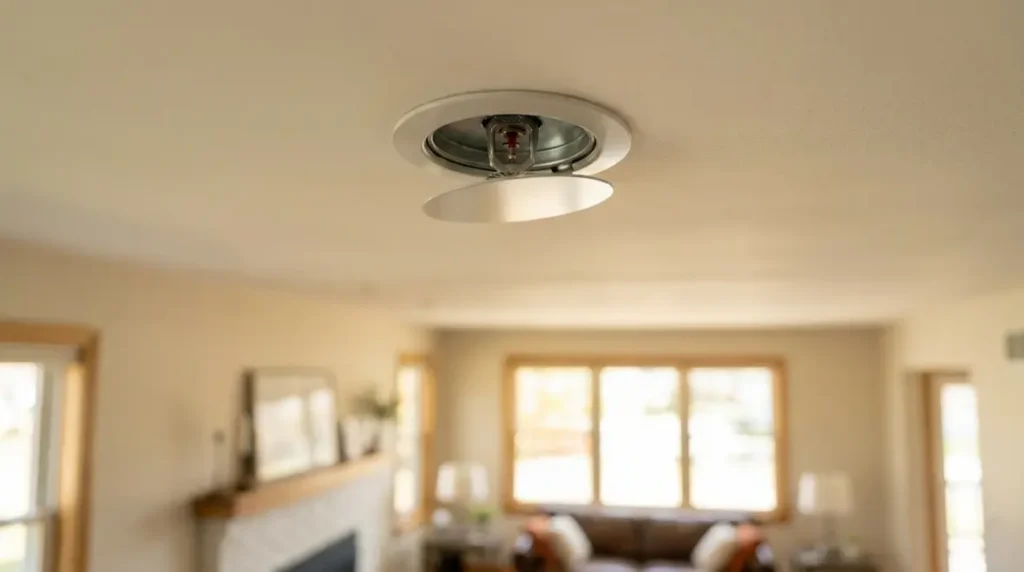
Businesses run on uptime. However, fire does not care about schedules, staffing levels, or how busy the loading dock gets. Therefore, sprinkler systems Adelaide play a role in reducing fire growth by controlling heat and suppressing flames early. In practice, that can mean less damage to shelving, stock lines, racking, plant rooms, and office buildouts.
Moreover, sprinklers can help fire services work more efficiently. When the fire stays smaller, the incident becomes easier to manage. Transitioning from “chaos” to “controlled response” is not just reassuring. It can translate into faster recovery for facilities that cannot afford prolonged closure.
For facilities teams, sprinkler protection also supports risk management. It helps demonstrate due diligence to insurers, landlords, and regulators. In other words, it gives stakeholders evidence that the business is serious. And unlike last year’s action plan that sat in a folder, this one actually connects to pipes full of water.
What good protection looks like in real operations
Good sprinkler protection is not just about having heads in the ceiling and hoping for the best. It is about designing for the way the site actually works. Warehouses move stock. Retail floors change displays. Commercial spaces get new partitions, services, and storage habits over time. A system that matches those realities is far more useful than one that looked tidy on a drawing and then never got reviewed again.
Design and compliance: what businesses should check first
Most problems begin before installation. So businesses should ask how the design matches the building’s real conditions. That includes occupancy type, ceiling heights, roof configuration, storage density, and ventilation patterns. In industrial and retail settings, airflow and obstructions can influence how water distributes. Consequently, a one size fits all approach can underperform.
Next, compliance needs to be handled with care. Fire sprinkler systems must meet relevant Australian standards and local requirements, and the design must align with the building’s hazards. Transitioning through the correct process matters: concept design, hydraulic calculations, layout coordination, approvals, installation quality checks, and commissioning.
Common business pain points include delayed installation due to coordination gaps between trades, missing as built documentation, and unclear inspection schedules. A good partner avoids these surprises. Kord Fire Protection can guide facilities teams through documentation, verification, and commissioning details that keep projects moving and reduce rework.
Questions worth asking before a project starts
- Does the design reflect actual storage height, commodity type, and access pathways?
- Will future layout changes trigger modifications to spacing or coverage?
- Are documentation, testing, and commissioning responsibilities clearly assigned?
- Has the installation sequence been coordinated with ceiling, electrical, and mechanical works?
Those questions are not glamorous, but they are the sort that save businesses from avoidable headaches later. Nobody wants the expensive surprise where the building is nearly ready, the ceiling is closed up, and someone suddenly discovers the sprinkler layout and the final fit out now hate each other.
Choosing the right system for industrial, retail, and facilities
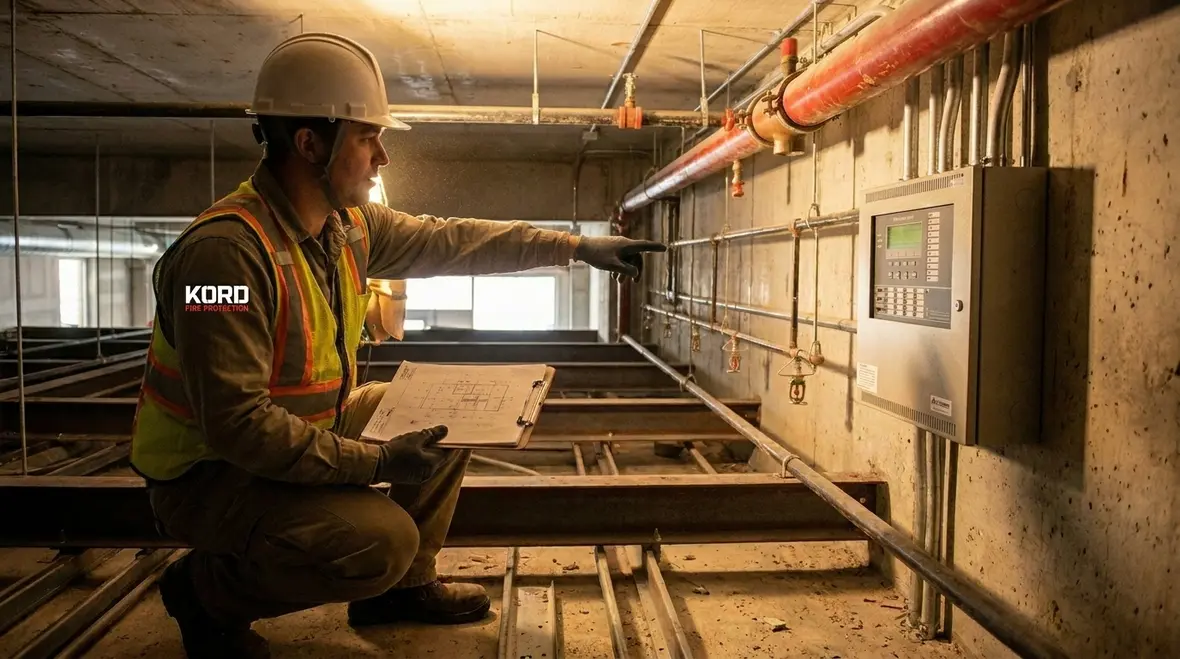
Different sites need different strategies. For industrial premises, risks may include process hazards, storage layouts, and equipment that changes over time. Retail sites face unique challenges too, like high commodity loads and complex ceiling spaces from lighting and services.
Facilities across Australia often evolve after first fit out. A tenant may reconfigure a warehouse zone, add mezzanines, or expand storage. Therefore, a sprinkler solution should account for current conditions now and also remain workable during future change. Kord Fire Protection supports facilities with practical planning so the system can adapt without constant disruption.
Businesses also need to understand components and reliability. That means considering water supply reliability, pumps, tanks, valves, backflow protection, and alarm interfaces. If a company treats these as “set and forget,” it invites failure at the worst time. So they should track performance and keep controls monitored as part of normal operations.
Planning for change instead of reacting to it
A useful system is one that still makes sense after the building changes a little. That is especially important for growing operations where floor plans rarely stay frozen. Expansion sounds great in meetings, but if added racking, new services, or revised partitions quietly compromise sprinkler coverage, growth becomes a lot less charming. Sensible planning upfront reduces that risk.
Maintenance and inspections that actually hold up
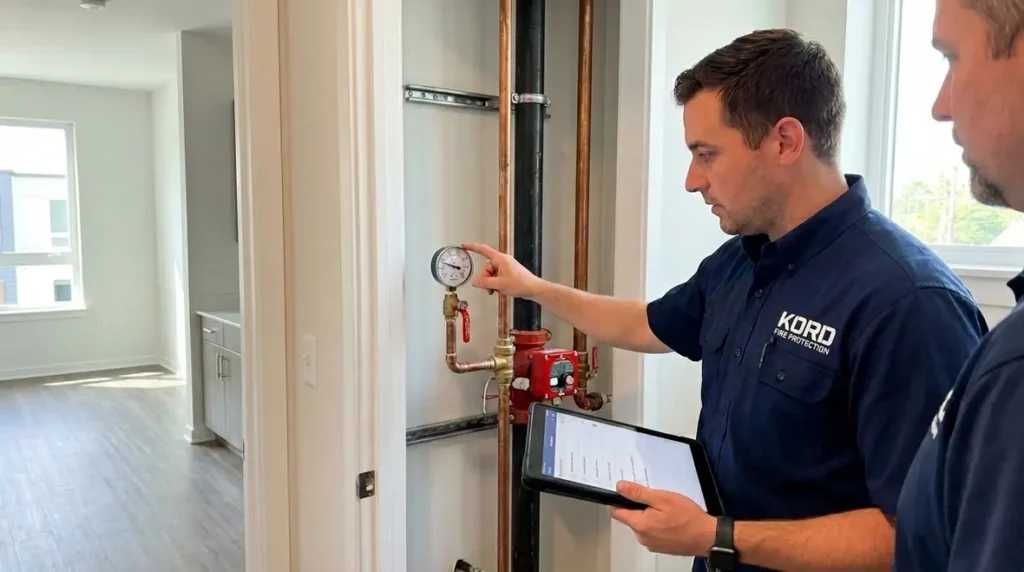
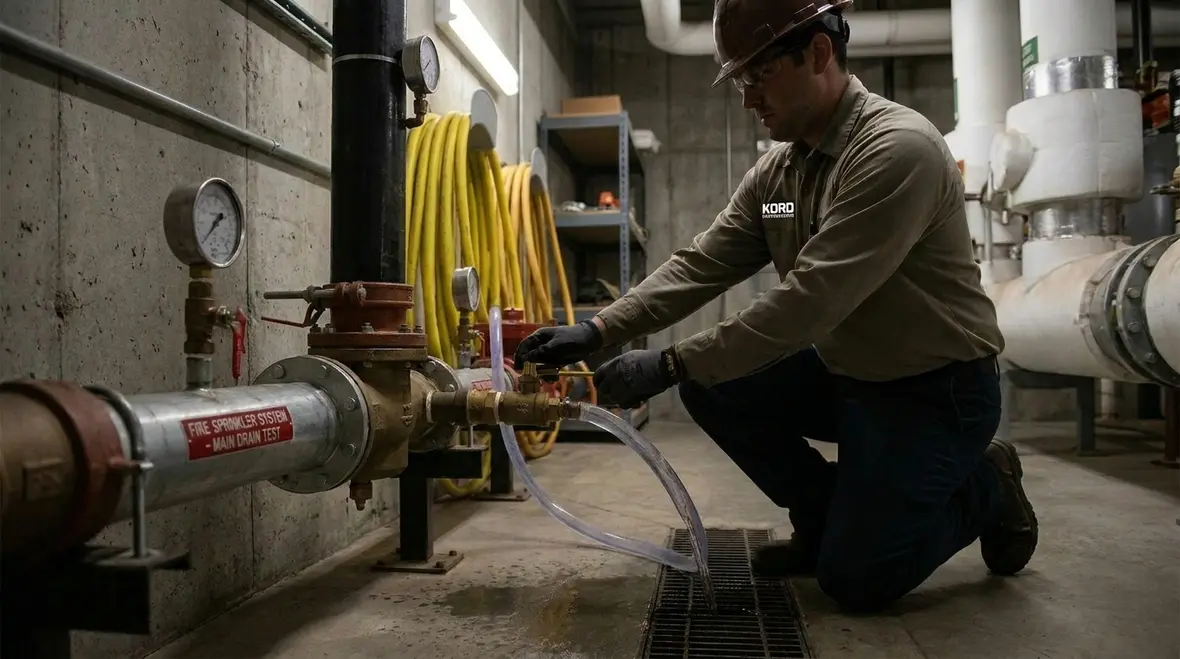
Maintenance is where many businesses quietly stumble. They schedule inspections when deadlines arrive, but they do not build a routine that keeps the system healthy. Yet sprinkler systems Adelaide depend on consistent checks: pressures, flow performance, test results, valve condition, tamper security, and pipe integrity.
For a commercial site, inspections should fit operational realities. That means planning shut downs, coordinating with building access, and documenting outcomes in a way that suits insurers and compliance reviews. Transition words like “therefore,” “however,” and “as a result” matter here because the workflow connects cause to effect. If a valve shows abnormal readings and nobody records it properly, the next test can lead to a surprise.
Additionally, businesses must manage impairment risk. Work that alters ceilings, racks, services, or cable trays can affect coverage and spacing. So facilities teams should implement a change control process. When Kord Fire Protection supports ongoing service, it helps ensure changes do not quietly weaken protection.
The difference between scheduled and effective maintenance
A calendar reminder is not a maintenance strategy. Effective maintenance means tests are interpreted, issues are tracked, and records are clear enough that the next technician is not left decoding the site history like an archaeologist with a clipboard. That consistency matters because confidence in the system comes from evidence, not from optimistic assumptions.
Installation coordination: reducing downtime and disruption
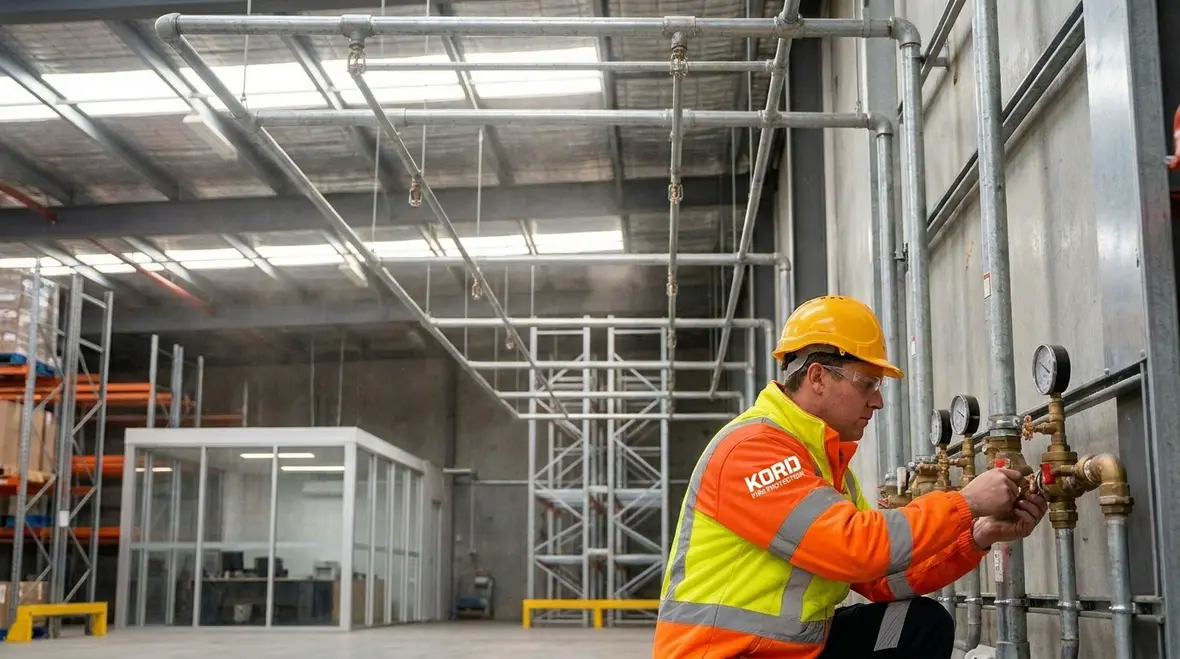
Installing sprinkler systems Adelaide can feel simple on paper. In reality, the installation touches multiple trades: HVAC, electrical, fire alarm, structural elements, and fit out works. Therefore, coordination becomes the difference between a smooth project and weeks of delays.
A well managed approach sequences the work so that ceiling trades do not conflict with pipe runs. It also addresses penetrations, signage, and interfaces with alarms. As a result, commissioning happens faster and with fewer unknowns.
Business owners often ask, “Can we keep operating during works?” The honest answer is: sometimes, but it depends on the scope and the precautions required. Some sites can maintain partial operations with controlled access, while others require staged shut downs. Kord Fire Protection helps teams plan installation windows, manage interface risks, and keep communication clear so the site stays as productive as possible.
And for anyone worried that coordination sounds like herding cats, well, yes, but at least these cats wear hard hats and keep the sprinkler coverage correct.
Why Kord Fire Protection can be a long term partner
Some suppliers focus on the install and leave the rest for someone else. That approach often creates gaps in records, maintenance continuity, and performance understanding. Kord Fire Protection works as a vital partner by staying engaged beyond the initial project stage. That helps facilities teams maintain control, especially when equipment layouts or tenancy arrangements change over time.
They support a complete lifecycle mindset: assessment, design input support, installation coordination, commissioning, documentation, and ongoing service. Consequently, businesses reduce the risk of missed inspections, unclear compliance evidence, and systems that operate “technically” but not confidently.
For industrial, retail, and commercial facilities across Australia, this matters because continuity reduces operational noise. When the same team understands the system, they can spot issues earlier. Transitioning from reactive repairs to planned service turns fire protection into a managed asset, not a recurring emergency.
Why continuity makes compliance easier
Long term support makes recordkeeping, inspections, and upgrades more consistent. It also gives businesses a clearer understanding of what changed, why it changed, and what still needs attention. That is useful during reviews, insurance conversations, future fit outs, and the general day to day effort of not being surprised by your own building services.
FAQ
Conclusion
Fire sprinkler systems Adelaide protect more than property. They protect people, operations, and continuity for industrial, retail, and commercial facilities across Australia. Kord Fire Protection helps businesses get it right from the first assessment to ongoing service, with clear documentation and practical coordination. If the system is new, aging, or needs a confidence check, act now. Contact Kord Fire Protection to schedule a review and build a safer, calmer workplace.