AS 1851 Standard Fire Suppression Maintenance and Testing
Quick Answer: AS 1851 sets out how fire protection systems in commercial buildings are inspected, tested, maintained, and where evidence gets documented. It helps keep systems ready when emergencies hit. Kord Fire Protection supports sites across Australia by building audit ready routines, coordinating service windows, and keeping compliance practical, not theoretical.
When a facility manager hears “AS 1851 Standard”, the brain usually does the same thing as when someone says “mandatory training.” It sounds dull, but it matters. Within the first steps of AS 1851 Standard, the standard lays down clear expectations for inspection, testing, and maintenance of fire protection systems. In other words, it tells organisations how to prove their systems work, not just that they exist.
In this article, a third person view explains what AS 1851 involves, how compliance gets managed on real industrial, retail, and commercial sites, and why Kord Fire Protection can become a vital partner in turning paperwork into dependable protection.
Facilities that want a broader maintenance strategy often pair suppression servicing with related fire protection support across their site portfolio. Kord Fire Protection’s fire suppression systems service fits naturally into that planning, especially where multiple assets need consistent inspection routines and practical reporting.
What AS 1851 Standard requires and why it exists
AS 1851 is an Australian standard that focuses on ongoing service and maintenance. Therefore, it helps facilities avoid a dangerous gap between installation day and “day when it matters.” Systems often sit quietly for months, then need to perform flawlessly under stress, heat, smoke, and chaos.
AS 1851 expects that service organisations and site owners use planned schedules for each type of fire protection system. Consequently, the approach shifts from reactive repairs to organised, evidence based upkeep.
And yes, it includes documentation. That is where most people breathe out through their nose, because they want action, not admin. However, without records, audits become guesswork, and that is the most expensive kind of guessing.
Why the standard matters on working sites
The value of AS 1851 is not just in setting tasks on paper. It creates a repeatable structure that helps building owners, facility managers, contractors, and auditors speak the same language. On a real site, that means fewer assumptions, fewer missed checks, and less chance of discovering a maintenance gap at exactly the wrong moment.
That structure matters even more in buildings with layered fire protection arrangements. A suppression system may interact with alarms, valves, pumps, detectors, shutdown functions, and occupant procedures. If those elements are not reviewed in an organised way, the site can end up with equipment that looks complete but behaves inconsistently when tested.
How fire suppression programs get inspected under AS 1851
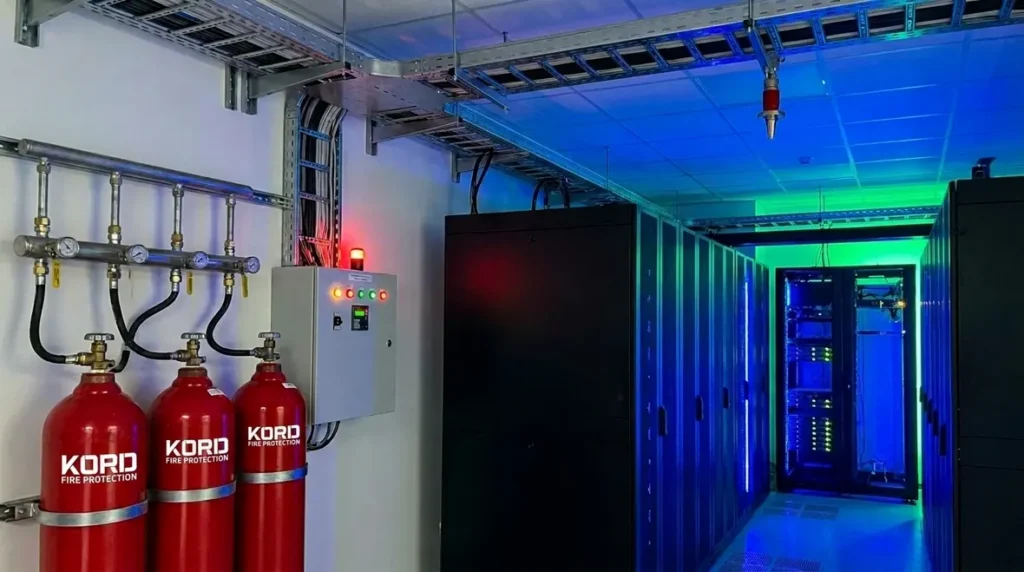
Fire suppression programs usually include systems like sprinklers, water mist, foam, gaseous, and wet chemical systems, depending on the risk and the design. Under the AS 1851 Standard approach, inspection and testing aim to confirm three things: system readiness, correct operation, and system integrity.
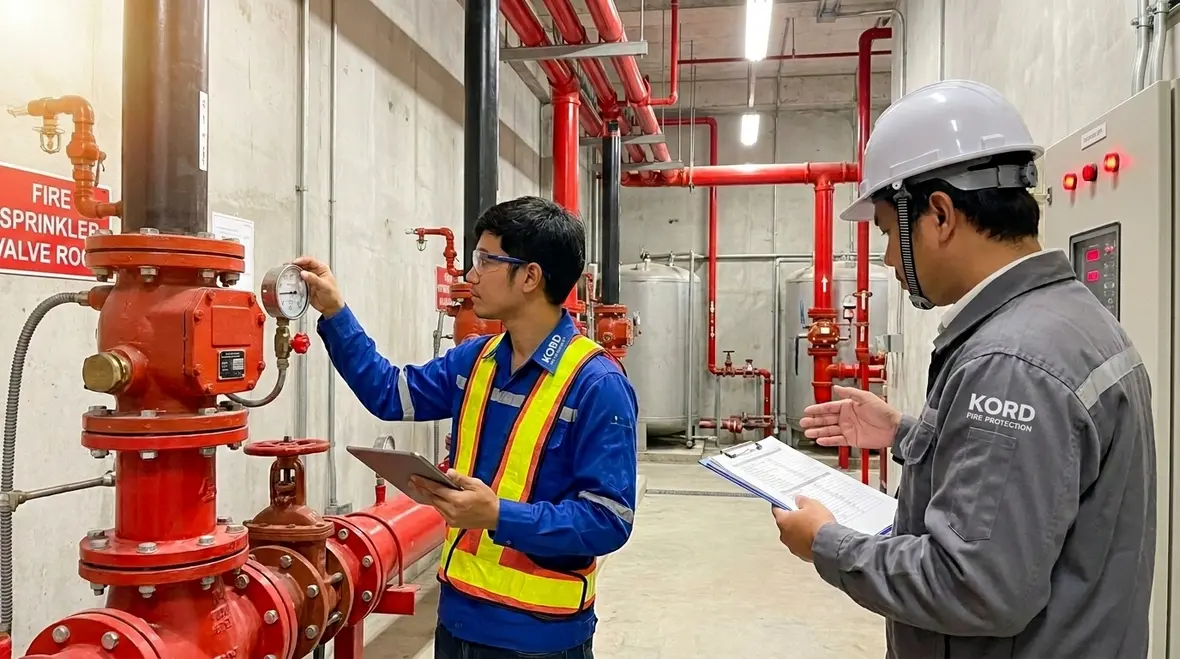
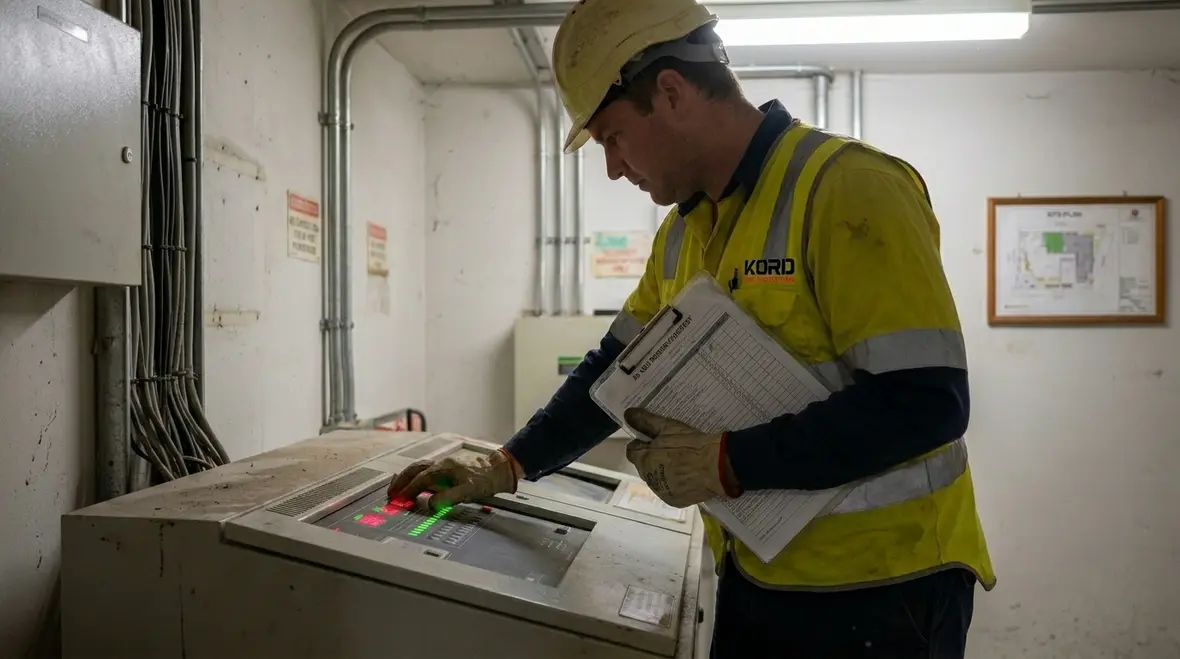
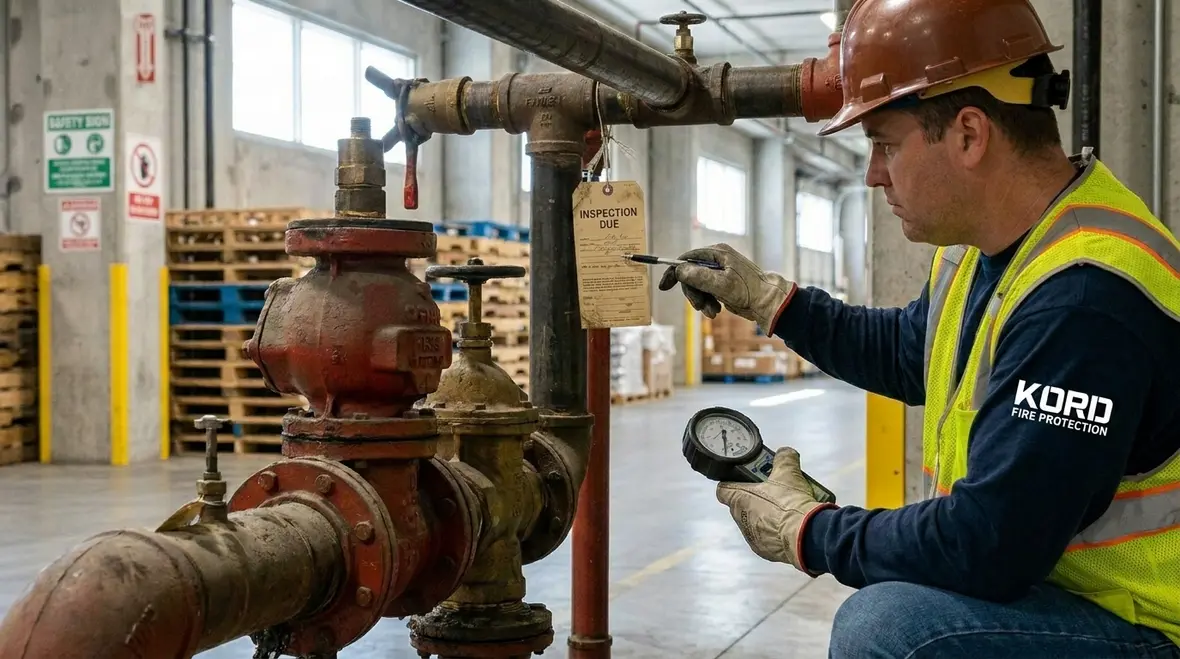
In practice, inspections look at physical condition first. Then they move to operation checks. Finally, the program tests performance components where required. For example, valves, pumps, detection interfaces, and control panels all get attention, because the system is only as strong as its weakest link.
Meanwhile, Kord Fire Protection helps organisations handle these tasks in a way that supports business continuity. They plan around shutdown windows, high traffic periods, and production schedules. As a result, facilities do not lose days to service chaos, and the protection work stays structured.
What technicians usually focus on during inspections
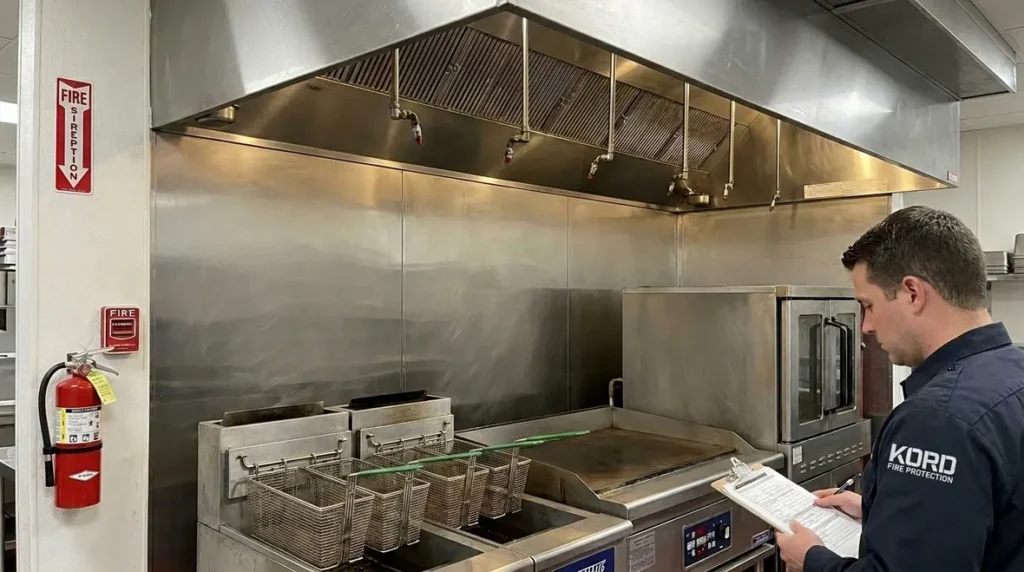
Inspection routines are rarely one single event. They are a sequence of checks that confirm the condition of visible equipment, the availability of key components, and the response of control functions. A technician may review pipework condition, nozzle condition, gauge readings, valve positions, alarm interfaces, signage, access clearance, and whether any unauthorised modifications have crept into the system over time.
That last point matters more than it sounds. Buildings change. Tenancies change. Storage layouts change. Plant rooms somehow collect obstacles like they are running a magnet for forgotten materials. A suppression system that was accessible and clearly arranged two years ago can become awkward to inspect if no one keeps the service path clear and the configuration current.
This is also where good communication earns its keep. A service partner that explains what needs access, what testing affects normal operations, and what findings require follow up helps the facility team prepare rather than react. That turns maintenance from an interruption into a controlled activity.
Testing, maintenance, and documentation that keeps audits calm
AS 1851 does not treat maintenance like a vague suggestion. It pushes for systematic tasks at defined intervals, including checks, tests, and cleaning where relevant. Moreover, it expects that outcomes get recorded clearly.
Good documentation usually includes what was inspected, what was tested, any defects found, corrective actions taken, and next due dates. Therefore, when a compliance review happens, evidence is ready rather than scrambling to rebuild the story after the fact.
Consider the real world of Australian facilities. A busy retail centre might have late opening times, a warehouse may run shift work, and an industrial plant may have strict safety rules. Consequently, documentation needs to match the operational reality on site. Kord Fire Protection supports that by aligning service reporting with how the facility actually runs.
Small joke for the serious folks: if the paperwork looks like it was written during a fire drill, it will get treated that way during an audit. Proper records prevent that.
What strong reporting actually helps teams do
Clear reporting is not just there to satisfy a compliance folder. It helps site teams prioritise actions, budget for corrective work, and show a traceable maintenance history. When due dates, defect descriptions, and recommended actions are stated plainly, the next decision becomes easier. The building team can see what needs urgent attention, what can be scheduled, and what has already been resolved.
That is especially useful for organisations managing more than one property. Consistent records across multiple facilities make it easier to compare conditions, identify recurring issues, and avoid having one site run a disciplined program while another quietly slides into patchy maintenance habits.
Common fire suppression issues Kord Fire Protection helps prevent
Many failures do not begin with a dramatic event. Instead, they start as small deviations: blocked nozzles, corrosion in pipework, faulty sensors, valve issues, or incorrect interfaces between detection and suppression. Over time, those issues can reduce effectiveness exactly when the system needs to work hardest.
Across industrial, retail, and commercial environments, Kord Fire Protection focuses on early identification. Then it helps implement corrective actions so the system returns to the intended operational state.
Typical problem areas include delayed response components, degraded suppression hardware, and power or control faults that cause intermittent behaviour. Furthermore, where installations have been modified over the years, the interconnections between suppression and control equipment can drift from original intent. Kord Fire Protection checks those relationships during planned service, rather than waiting for a surprise during testing.
And because Australia loves a hot day almost as much as it loves a well stocked pantry, temperature and humidity effects in certain environments also matter. These factors can accelerate wear on parts that would otherwise “seem fine” until they are not.
Why small defects become expensive problems
Fire protection systems are full of dependencies. One blocked component, one failed supervisory signal, or one overlooked corrosion issue can weaken the wider system response. The tricky part is that these issues often do not announce themselves with dramatic symptoms. They sit there quietly, waiting to become someone else’s urgent problem later.
A disciplined maintenance program interrupts that pattern. Instead of relying on luck, it creates repeated opportunities to find and correct small issues while they are still manageable. That is usually better for budgets, better for site safety, and much better for everyone’s blood pressure.
Scheduling service across facilities without disrupting operations
One of the biggest challenges for facilities managers is timing. Fire suppression systems require access, controlled testing conditions, and safe work methods. Therefore, service planning must coordinate trades, safety approvals, and tenant or production schedules.
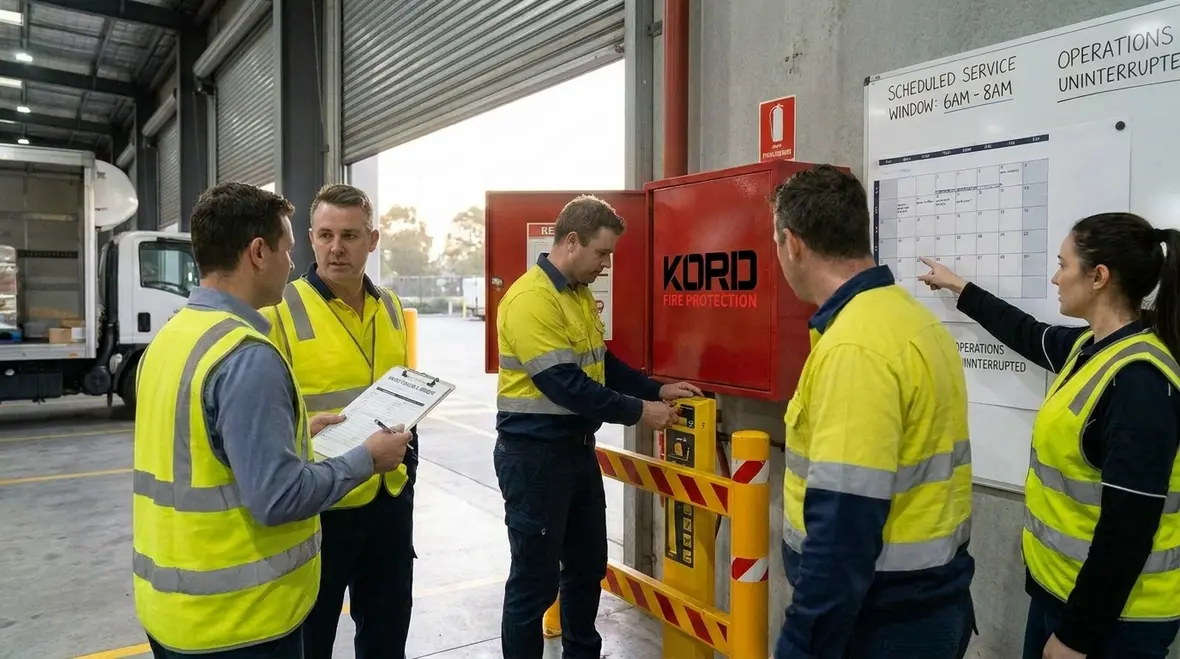
A strong AS 1851 Standard program depends on realistic timetables and reliable maintenance windows. It also depends on sequencing. For example, it makes sense to align related tasks so technicians can complete connected checks in one site visit. That reduces repeated access and minimises downtime.
Kord Fire Protection acts as a partner that considers the full site picture, not just the equipment list. They coordinate service activities across multiple facets of a portfolio, which matters for organisations with several industrial sites, distribution centres, retail precincts, and commercial buildings.
So instead of “the suppression guy coming whenever,” facilities get predictable service rhythm. That rhythm lowers risk and supports governance.
How smarter scheduling reduces disruption
Good scheduling does more than put a date on a calendar. It considers access permits, after hours requirements, tenant communications, shutdown planning, and any safety controls needed for live environments. In a warehouse, that may mean working around inbound deliveries and shift changes. In retail, it may mean careful timing before trade or after close. In industrial settings, it can involve permit systems and coordination with other contractors so testing happens safely and efficiently.
When service is sequenced properly, site teams are not repeatedly reopening the same work areas or reissuing the same approvals. That saves time, reduces friction, and makes the maintenance program easier to sustain over the long term.

Choosing the right service partner for compliance and performance
Fire suppression is not a one time product. It is an ongoing service relationship. A capable partner brings technical skill, compliance discipline, and communication that stays clear when the work gets complex.
When an organisation chooses Kord Fire Protection, it gains more than technicians. It gains coordinated reporting, scheduled service planning, and support for keeping records audit ready. Additionally, the partner can help translate AS 1851 requirements into practical next steps that suit the facility’s risk profile and operational constraints.
Because let us be honest, no one wants to chase overdue tasks while the building manager is already juggling contractors, procurement, and incident response. Kord Fire Protection helps remove that stress, so the facility team can stay focused on running the site.
What a practical long term partner looks like
The best service relationships are not built on technical ability alone. They also rely on responsiveness, planning discipline, and reports that people can actually use. A practical partner understands that compliance has to function inside the pace of a real business. That means showing up prepared, identifying issues clearly, and helping the client move from findings to action without turning every maintenance cycle into an administrative scavenger hunt.
For facilities teams, that kind of support makes a noticeable difference. It creates more confidence in upcoming audits, more visibility over asset condition, and fewer unpleasant surprises hidden behind the phrase “it should be fine.” That phrase has never improved a fire system.
FAQ
Next steps to strengthen fire suppression readiness with Kord Fire Protection
A fire suppression system deserves more than a checkbox. It deserves a disciplined service program aligned with the AS 1851 Standard, backed by evidence and scheduled around real operations. Kord Fire Protection partners with industrial, retail, and commercial facilities across Australia to deliver inspection, testing, maintenance, and audit ready reporting. If compliance feels heavy, it should not. Call Kord Fire Protection now and let them turn risk reduction into a calmer, repeatable routine.