AS 4214 Fire Suppression Overview for Australia
Quick Answer: AS 4214 sets clear rules for designing, installing, and maintaining gaseous fire suppression systems. In plain terms, it helps ensure the system actually works when heat, smoke, and panic show up. Kord Fire Protection can support sites across Australia with compliant engineering, service planning, and real-world reliability.
For sites needing a broader compliance partner, Kord Fire Protection also supports related fire protection services across Australia, which fits naturally when gaseous systems need to align with wider site safety planning.
AS 4214 Overview for Australian Sites
When a facility needs fast, clean fire control, AS 4214 fire suppression becomes the backbone of good decisions. This standard guides how gaseous systems should be designed, installed, commissioned, inspected, and maintained. It matters because gaseous agents do not “soak” the fire like water. Instead, they interrupt the fire process and protect property that cannot be drenched, including switchrooms, servers, stock control areas, and sensitive manufacturing spaces.
And yes, the system has to work under real conditions, not just on paper. Fire does not care that a building manager prefers “later.” So, the standard sets the expectations early, then repeats them through ongoing checks.
What a Gaseous System Does Differently
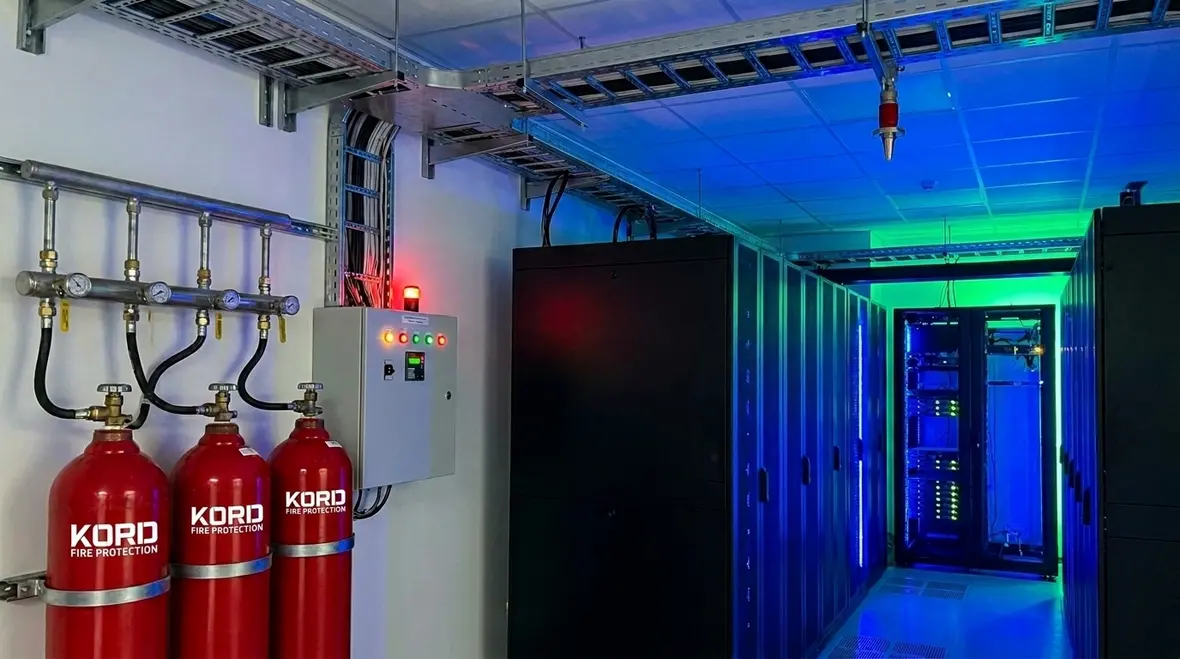
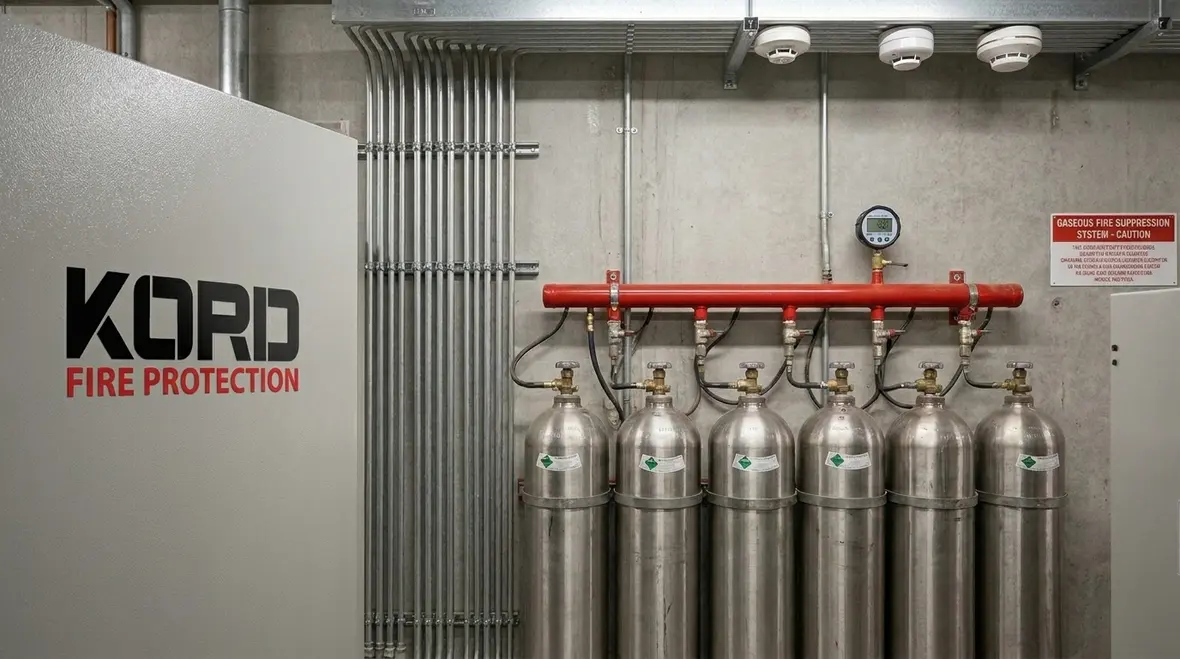
In many commercial and industrial spaces, risk sits inside equipment, racks, enclosures, and ventilation paths. Therefore, gaseous fire suppression focuses on controlling the hazard without flooding the area. It typically uses agents like inert gases or clean agents that reduce oxygen levels or interfere with the combustion process, depending on the system type.
Unlike sprinklers, the system aims to protect the protected space with an engineered release. Consequently, the design must consider enclosure integrity, airflow, leakage rates, and detection timing. If the room “breathes” too much, the agent will not stay where it needs to work. In other words, the fire protection team must think like the building itself.
Here is the business reality: facilities choose gaseous solutions when downtime, equipment damage, and residue risk outweigh the benefits of water based systems. So, the compliance work under AS 4214 ensures that choice holds up when the stakes are high.
Why This Matters on Real Sites
That difference is exactly why gaseous systems get so much attention in data rooms, electrical infrastructure, archives, and high value process areas. You are not just protecting walls and floors. You are protecting uptime, continuity, and the expensive equipment everyone suddenly remembers only after something goes wrong. That tends to be a terrible time for reflection.
How AS 4214 Shapes Design and Installation Decisions
AS 4214 fire suppression requirements push designers to be deliberate. They must select the correct system concept for the hazard and ensure the agent quantity, nozzle distribution, and control logic match the space. Additionally, the standard expects careful attention to detection, zoning, and release sequencing so the system responds with the right timing.
To keep the facility safe, the standard also drives requirements around safeguarding people and managing risk during discharge. Therefore, the installation must include correct alarm interfaces, warning delays where appropriate, and interlocks with ventilation or doors when the hazard demands it. Otherwise, the agent can get diluted or, worse, discharge into unsafe conditions.
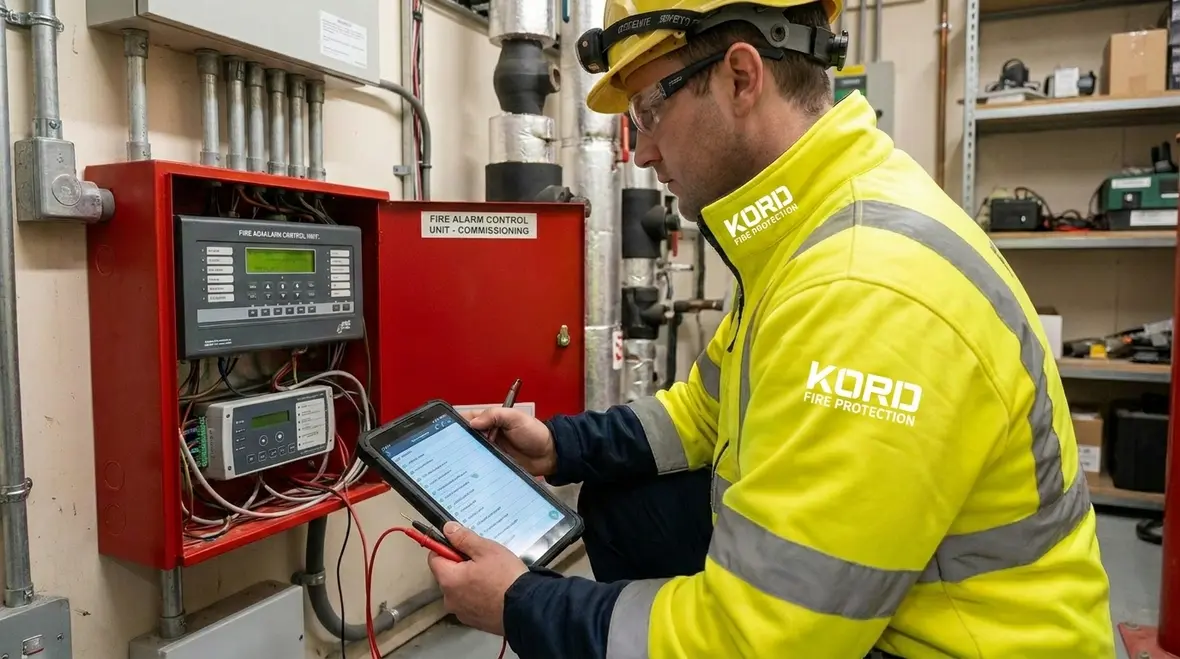
When it comes to commissioning, AS 4214 pushes thorough testing and documentation. That documentation becomes a guide for the site over time. It helps maintenance teams understand what “good” looks like. It also helps management plan budgets because they are not guessing what equipment needs attention.
At Kord Fire Protection, the partnership approach matters here. A standard is a framework, but a real project needs practical coordination. We help teams interpret the requirements and translate them into installable, serviceable solutions. If everyone just “does what they think,” the system ends up like that mystery sauce nobody asked for. Kord makes sure it is the correct recipe.
Commissioning Is Where Confidence Gets Earned
A beautifully designed system that never gets properly commissioned is just optimism with pipework. Functional checks, sequence verification, records, signage, and handover detail are what separate a compliant installation from a future argument in the plant room. The standard gives the structure. Good delivery makes it usable.
Where Maintenance and Testing Really Matter
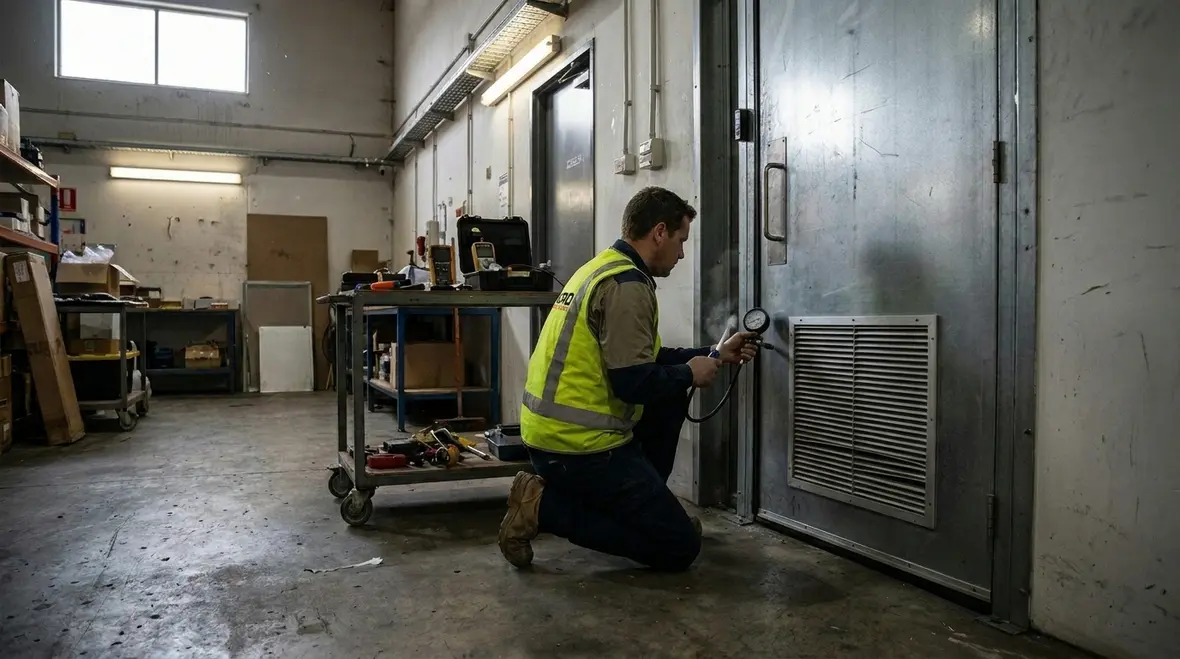
Systems fail quietly long before anyone sees flames. For gaseous systems, small issues can create big problems. For example, a leaking seal can reduce the effectiveness of the concentration. A malfunctioning detector interface can delay discharge. A missed service action can leave a cylinder manifold vulnerable to problems that grow over time.
Because of that, AS 4214 overview is not only about installation. It also supports ongoing inspection and maintenance methods that keep performance consistent. Regular testing and verification protect the protected space and reduce the chance of a surprise failure during an emergency.
Moreover, maintenance must align with the system design and site environment. Industrial facilities often run in dusty areas, changing process loads, and frequent layout modifications. Retail sites add their own challenges, like ongoing fit outs and tenant upgrades. Facilities managers do not need generic advice. They need a maintenance approach that matches how their site actually operates.
Kord Fire Protection supports this with scheduled service planning and clear reporting so stakeholders can track compliance without drowning in technical noise. And when issues arise, we handle them with urgency and clarity, not vague promises that sound good at the kickoff meeting.
Common Challenges Across Industrial, Retail, and Commercial Spaces
Australia covers a wide range of building types, and gaseous systems get installed in very different realities. Therefore, a good delivery partner must expect common friction points and manage them early.
Enclosure Integrity
Enclosure integrity: The protected space needs controlled leakage. If a new maintenance door gets installed later, it can change the performance. Regular checks help catch those changes before they become incidents.
Detection and Control Interfaces
Detection and control interfaces: The system must integrate with alarms, fire indicator panels, and sometimes ventilation control. If other contractors update wiring or software, the system can drift out of spec unless it gets verified.
Operational Interruptions
Operational interruptions: Some sites require carefully timed shut downs for maintenance activities. So, a service partner should plan around production schedules and trading hours, especially in retail.
Documentation Gaps
Documentation gaps: A system without clean records is like a map with the legend scraped off. It makes future testing harder and can slow compliance efforts.
Kord Fire Protection addresses these challenges with a practical, audit friendly process. We coordinate handovers, keep records organized, and ensure testing reflects the current building layout, not the one that existed at first commissioning.

Why Kord Fire Protection Is a Vital Partner
Most organisations already know the standard matters. Yet many still get stuck between consultants, installers, and maintenance providers who do not speak the same language. That is where Kord Fire Protection becomes a vital partner. We connect the dots across the full life cycle: design support, installation coordination, commissioning assistance, service scheduling, inspections, and performance verification.
Because the best time to solve compliance problems is before the system gets buried under trades and time pressure. Then, ongoing service prevents the gradual drift that happens in busy facilities. In short, Kord helps clients keep compliance from becoming a yearly scramble.
And if someone ever tells a site that maintenance is “optional” for gaseous systems, Kord responds the same way fire responds to shortcuts. Quickly, and with evidence. (Preferably without smoke.)
Frequently Asked Questions
Conclusion: Get Compliant, Stay Ready
AS 4214 fire suppression supports safer gaseous systems, but compliance does not maintain itself. Kord Fire Protection helps industrial, retail, and commercial facilities across Australia keep systems designed correctly, installed properly, and serviced with real follow through. If a site needs inspections, maintenance planning, or support that connects standards to day to day operations, now is the moment to act. Contact Kord Fire Protection and keep readiness from becoming a last minute sport.