AS 2118.6 Sprinkler Hydrant Compliance and Maintenance
Quick Answer
AS 2118.6 sets out how combined sprinkler and hydrant systems should be designed, installed, commissioned, and maintained so they perform when it matters. Our company, Kord Fire Protection, helps facilities across Australia coordinate this work with clear documentation, practical testing, and reliable ongoing service.
Fire protection plans can look simple on paper. In the real world, they must work in chaos, under time pressure, and with people moving like they are late for work. That is why the AS 2118.6 sprinkler hydrant framework matters. It guides how a combined sprinkler and hydrant system should be arranged so the water supply, pipework, controls, and performance expectations line up. Then, it stops your site from turning into a “hope for the best” operation, which is a fun strategy for trivia night, but a bad strategy for industrial and commercial fire safety.
This article walks through what facilities need to know to meet compliance expectations, reduce downtime, and keep protection ready. Kord Fire Protection can then step in as a vital partner, bringing experienced coordination from design review through commissioning and maintenance. If your site also needs broader support, our fire protection services fit naturally alongside combined system compliance work.
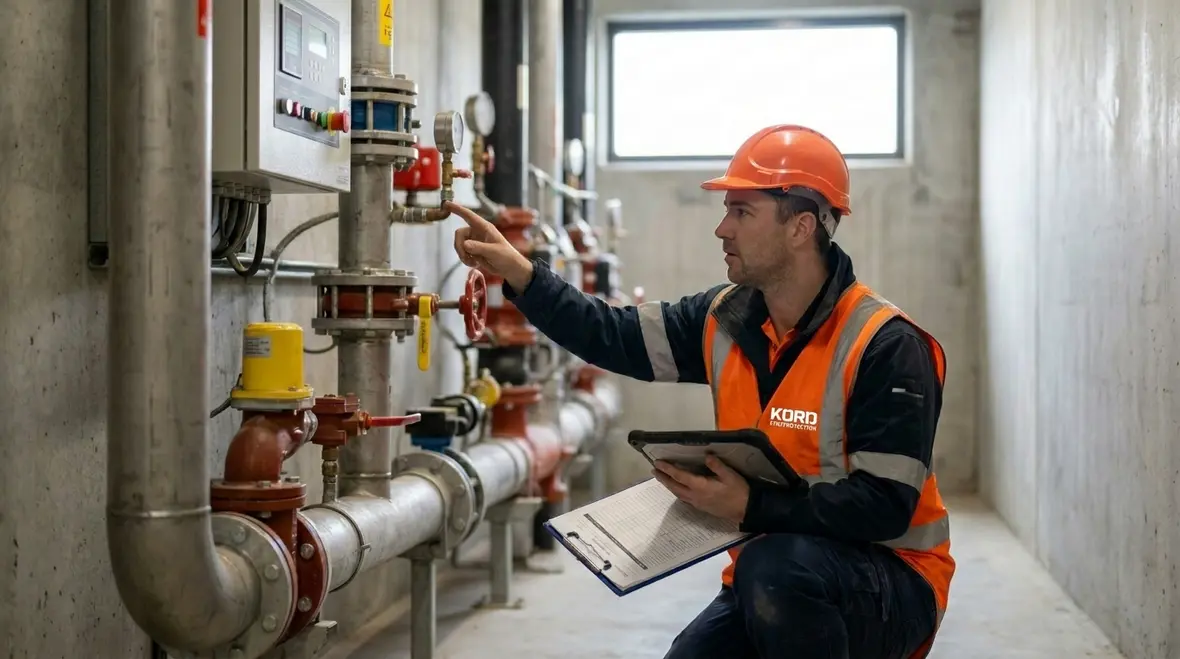
What the AS 2118.6 combined approach demands on site
Integrated performance is the whole point
AS 2118.6 focuses on integrated performance. That means the sprinkler side and the hydrant side share parts of the system, but each function still needs to operate as intended when called upon. In practice, facilities must think beyond “we have pipes and valves.” They need to verify that hydraulic performance stays stable, that control logic works, and that no single fault quietly undermines the overall setup.
Because combined systems link multiple functions, the risk is not only fire, but also mismatch. For example, changes made during fit outs, relocation of racks, or updated hose setups can shift pressures and flows. Therefore, the correct approach starts with a detailed understanding of the water supply arrangement, pipe sizes, isolation points, and flow paths.
That sounds technical because it is technical, but the practical message is simple. If one part of the arrangement changes, the rest of the system does not politely pretend nothing happened. A combined sprinkler and hydrant layout behaves like one connected machine. Treating it like a bunch of unrelated bits is exactly how hidden performance problems settle in and wait for the worst possible day to introduce themselves.
Site changes are where trouble likes to hide
On busy sites, changes happen for good reasons. New stock arrives, new plant gets installed, aisles move, and building areas get repurposed. None of that is unusual. What becomes risky is when the fire protection system is expected to absorb all of those changes without review. A valve becomes harder to access, a line gets rerouted, or a once-clear zone becomes crowded with equipment. Each small shift can chip away at reliability in ways nobody notices during a normal workday.
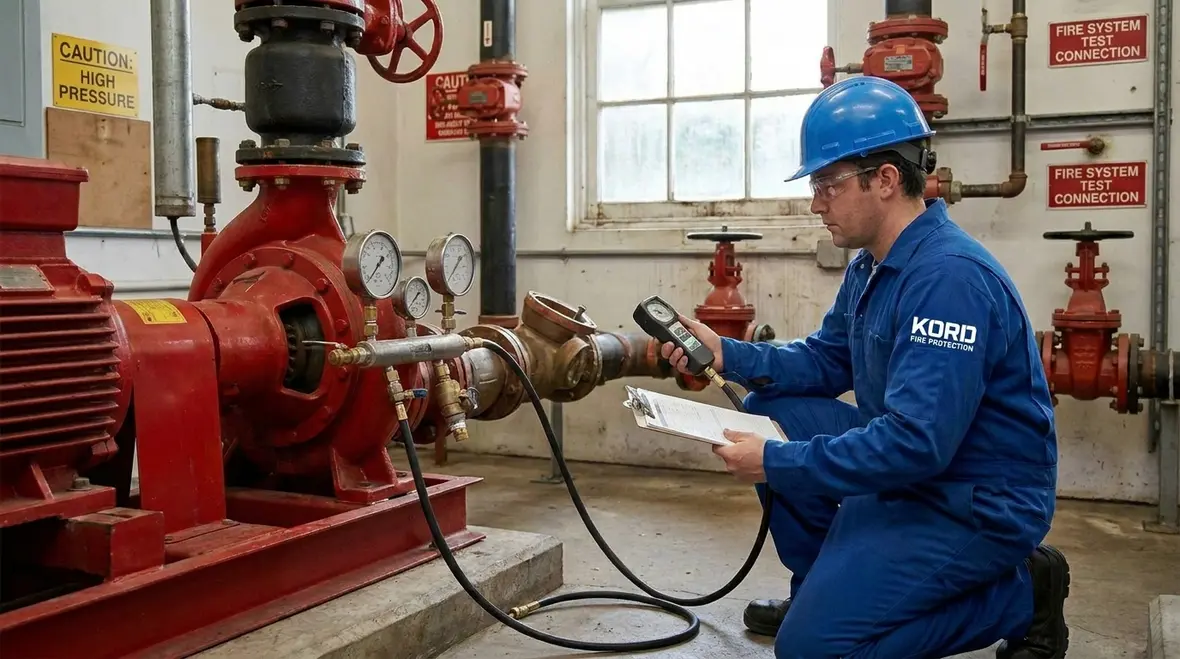
How Kord Fire Protection supports compliant installation and upgrades
Facilities often treat fire protection as a “set and forget” service. That is where trouble begins. Kord Fire Protection helps organisations manage the full lifecycle, so the AS 2118.6 sprinkler hydrant intent stays intact after changes.
Our role commonly includes:
- Reviewing site conditions and system layout against the standard requirements and project scope
- Supporting coordination between contractors so sprinkler and hydrant components do not end up fighting each other
- Planning commissioning so testing reflects real operational conditions and not just a checkbox pass
- Documenting test results and as built outcomes so audits do not turn into detective work
And yes, we do understand that people sometimes say, “Just make it comply.” However, compliance is not a vibe. It is a measurable outcome, and that is where Kord Fire Protection earns its keep.
Good installation support is really about coordination. A combined system can be let down by small handoff issues between trades, especially when one contractor assumes another contractor has checked the detail that nobody actually checked. Design review, staged inspections, and practical testing reduce that risk. They also save money compared with discovering avoidable faults late in the job, when access is harder, schedules are tighter, and everyone suddenly becomes very interested in whose drawing was the latest one.
Upgrades should strengthen the system, not scramble it
Existing facilities rarely stay frozen in time. Expansion works, tenancy changes, production shifts, and compliance improvements all place pressure on the original layout. Kord Fire Protection helps keep upgrades connected to the actual performance requirements of the system. That means looking at how new work affects pressure, flow, access, control interfaces, records, and future serviceability, not merely whether the new section of pipe looks neat once it has been painted.
Hydraulic performance: where systems win or fail
Combined systems rely on correct water pressure and flow. Therefore, designers and installers must manage friction losses, pipe length, fittings, and elevation changes. Even small differences can matter when water must reach remote floors, long runs, or high rack areas.
Hydraulic performance checks also need to address how the sprinkler and hydrant demands interact. For example, when hydrant outlets are opened, the system should respond in a way that still allows sprinklers to operate within acceptable performance limits. This requires careful sizing and control strategies, and it requires that the water supply remains capable under expected conditions.
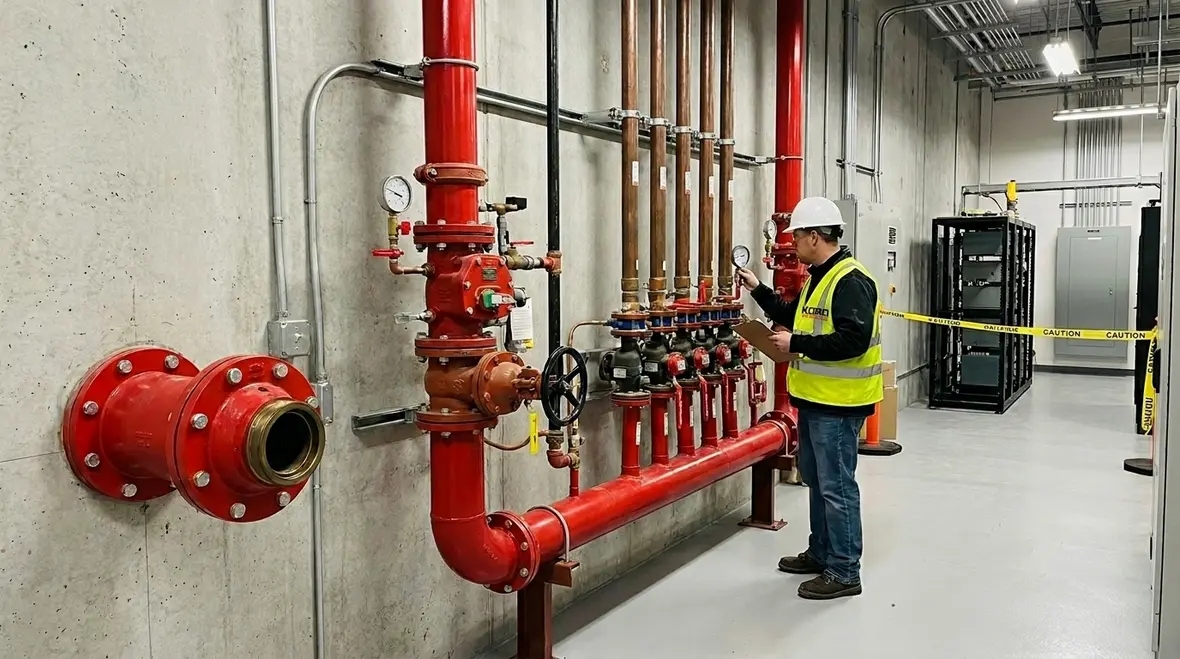
In the field, the biggest “gotchas” tend to include pipework that does not match the final drawings, valves installed with the wrong orientation, and unplanned changes during construction. Consequently, Kord Fire Protection encourages practical verification steps during installation, because the fastest way to fix a problem is before insulation goes on and everyone runs out for coffee.
Hydraulic checks should reflect the real building, not the imaginary perfect one
A neat drawing set can create false confidence. Real buildings add friction through awkward routes, access limitations, existing services, and changes that accumulate over time. That is why hydraulic verification matters so much during commissioning and after upgrades. The goal is not to prove that a design once made sense. The goal is to prove that the installed system, in its current condition, still performs as required when both sprinkler and hydrant demands come into play.

Controls, signals, and reliability in the real world
Reliable operation depends on more than valves. Control wiring, panels, pump interfaces, and alarms must all work together. If a control sequence fails, the system can remain full of water and still not perform when it is needed.
For combined sprinkler and hydrant arrangements, the facility should confirm:
- Clear control logic for starting pumps and changing system status
- Alarm and indication systems that communicate what the fire system is doing
- Interlocks that prevent unsafe operation during faults or maintenance
- Isolation procedures that allow servicing without turning protection into a partial system
Also, the system must remain reliable across site operations. Industrial facilities may run multiple shifts, install new plant, or reconfigure layouts. Therefore, Kord Fire Protection supports structured change management so system performance and compliance do not quietly drift over time.
Reliability is built through routine, not wishful thinking
The most dependable systems are usually supported by boring habits, and that is a compliment. Clear isolation procedures, current records, labelled controls, informed staff, and scheduled inspections do not make for dramatic storytelling, but they do make systems easier to trust. When a facility depends on a combined arrangement, those habits prevent confusion during alarms, maintenance, and emergency response. In fire protection, boring is often another word for excellent.

Commissioning, testing, and documentation that stands up to audits
Commissioning separates a compliant system from a story people tell after the job is done. When testing reflects real conditions, the facility can trust that pressures, flow rates, alarms, and controls match the design intent.
Testing should cover:
- Operational checks for pumps, valves, and control sequences
- Hydraulic performance verification to confirm expected flows and pressures
- Alarm verification and signoff processes for relevant components
- As built verification so records match what was installed
Then documentation becomes the quiet hero. During audits, a well structured file saves time and keeps decision makers calm. Nobody enjoys explaining why the final drawings look different from the installed pipe routing. That is a long meeting nobody asked for.
Strong records also make future maintenance far easier. Service teams can trace what was installed, what was tested, what changed, and what still needs follow up. Without that trail, every inspection starts with guesswork, and guesswork is a terrible maintenance strategy. Good documentation keeps knowledge from walking out the gate when project staff, contractors, or site managers move on.
Maintenance planning that reduces downtime and keeps protection ready
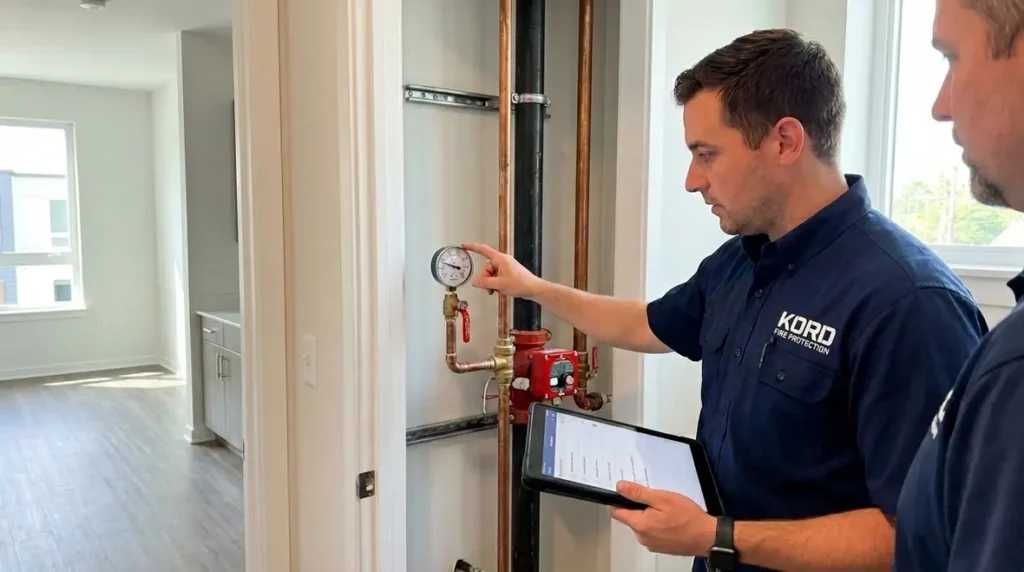
Fire protection systems age, and they also get changed by busy sites. Hoses get swapped, valves get accessed for service, and plant upgrades can affect nearby pipework. Because of that, maintenance must follow a clear plan and not random “when we have time” checks.
Effective maintenance typically includes:
- Scheduled inspections of hydrant and sprinkler critical components
- Testing and verification aligned to the system configuration
- Record updates after any adjustments, repairs, or upgrades
- Site walkthroughs to identify physical risks such as damage, obstruction, or corrosion
Additionally, staff training matters. When facilities run the right procedures, the team responds correctly during alarms and during emergency drills. Kord Fire Protection can assist by aligning maintenance work with operational realities across retail, commercial, and industrial sites across Australia.
A planned maintenance rhythm protects uptime
Facilities usually notice fire protection when something disrupts operations. The smarter approach is to schedule inspections and testing in ways that reduce surprise and fit the site’s workflow. Planned maintenance helps identify wear, corrosion, access issues, and control faults before they become urgent. It also gives managers a clearer basis for budgeting, shutdown planning, and compliance preparation, which is much nicer than discovering a problem halfway through an audit or during a critical production week.
FAQ
Conclusion
A combined sprinkler and hydrant setup must perform as one system, not as two ideas taped together. That is where AS 2118.6 guidance becomes practical, and where Kord Fire Protection becomes a vital partner. From review and installation support to commissioning, documentation, and maintenance, we help industrial, retail, and commercial facilities across Australia keep fire protection dependable. Reach out to Kord Fire Protection for a compliance focused plan that fits your site, your downtime limits, and your risk profile.