AS 2941 Fire Pump Room Requirements and Kord Support
Quick Answer: AS 2941 sets the technical and safety expectations for fire pump rooms, including installation, signage, access, drainage, and ongoing readiness. It helps protect life and property when a fire starts. For many facilities, Kord Fire Protection acts as the calm, reliable partner that keeps compliance practical, testing smooth, and downtime low.
When a fire happens, seconds matter, and a fire pump room must perform as designed. In Australia, AS 2941 outlines key requirements that shape how these rooms are built, maintained, and kept ready for operation. This article walks through what those expectations mean in real sites across industrial, retail, commercial, and facilities environments. It then shows how Kord Fire Protection can become a vital partner for the service and job outcomes teams care about most: compliance, testing certainty, and dependable performance.
If you are reviewing broader site compliance at the same time, it is worth pairing pump room readiness with a practical fire protection service approach so inspections, records, and defect follow-up do not end up scattered across different priorities.
Why AS 2941 matters for pump room readiness
Fire pumps do not “almost” work. They either deliver pressure and flow when called upon, or the system fails at the exact moment everyone stops smiling. AS 2941 helps prevent that by setting consistent expectations for how the pump room supports reliable operation.
From a facilities perspective, the standard matters because it reduces uncertainty. It also creates a clear baseline for inspections and maintenance. And importantly, it supports safer design decisions, such as clear access, proper protection of equipment, and suitable room conditions.
In other words, AS 2941 helps teams avoid the classic scenario where the pump room looks fine on paper, but the real-world conditions make testing a circus. And yes, the circus is never entertaining for operations staff.
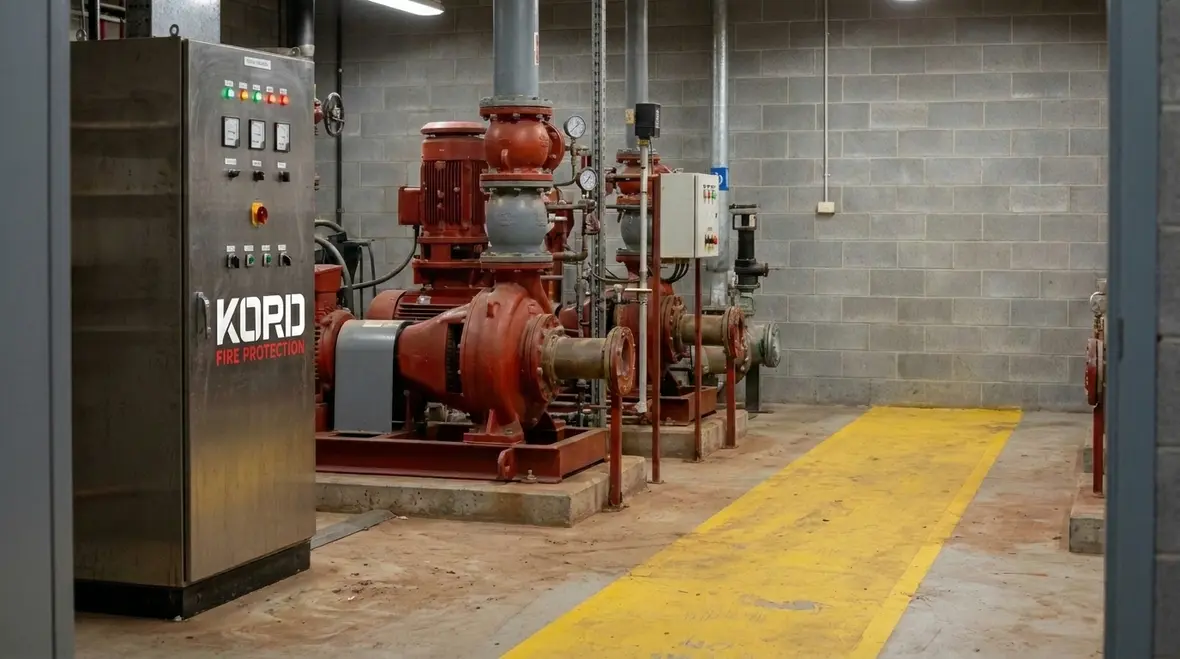
Key fire pump room design and location checks to get right
Team members often focus on the pump itself, and then forget the room has to cooperate. However, pump room readiness depends on multiple practical factors that AS 2941 addresses through installation and service expectations. Therefore, the room must support safe access and safe work practices.
What teams should review before problems start reviewing them back
Teams usually review the following areas during commissioning planning and later maintenance scheduling:
- Safe access: Kitting for maintenance, clear pathways, and space for routine tasks, so service does not require unsafe workarounds.
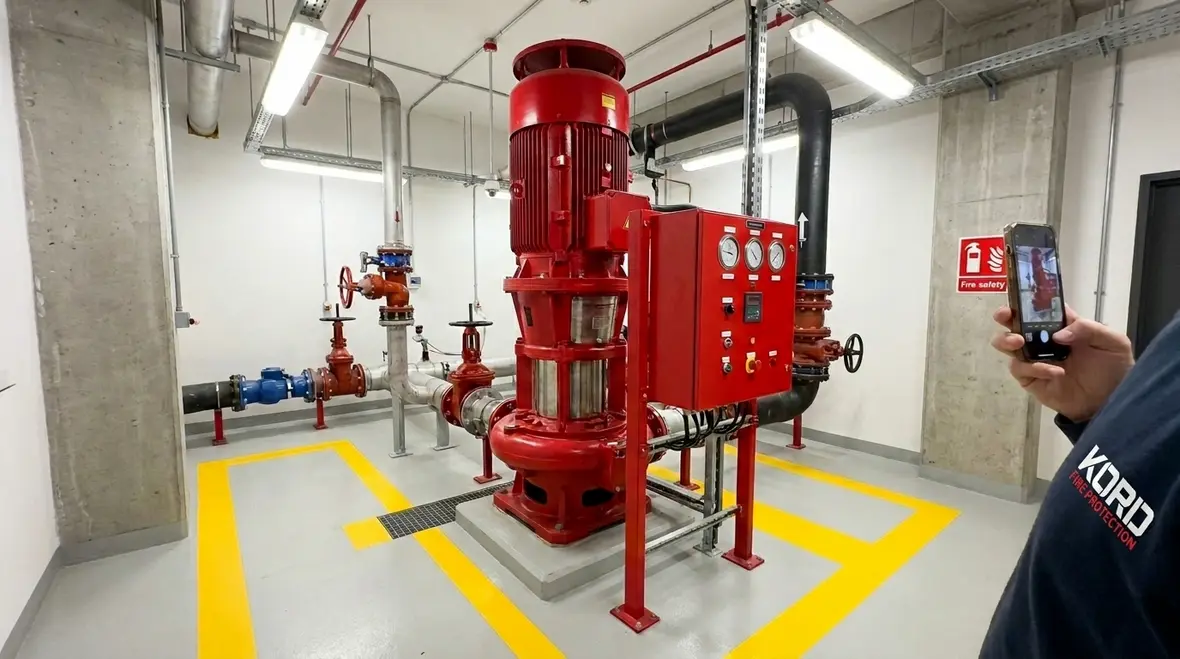
- Environmental control: Ventilation and conditions that protect pump reliability, motors, and control gear from heat and moisture issues.
- Electrical and control protection: Cable routing, protection from damage, and separation where required, so fault conditions do not become “mystery outages.”
- Drainage arrangements: Measures that manage water ingress and keep the area safe for equipment operation and technician entry.
- Signage and identification: Clear labelling that helps staff locate and understand system components quickly.
When these checks happen early, the project team avoids late surprises. Then, maintenance teams get a room that supports service, not one that makes them bring a ladder, a torch, and a prayer.
This is also where practical coordination matters. A pump room can meet the technical brief and still be painful to service if access paths get blocked by later building changes, if storage quietly creeps into the room, or if electrical modifications are done with zero thought for the fire system. The standard gives teams structure, but discipline on site is what keeps that structure useful.
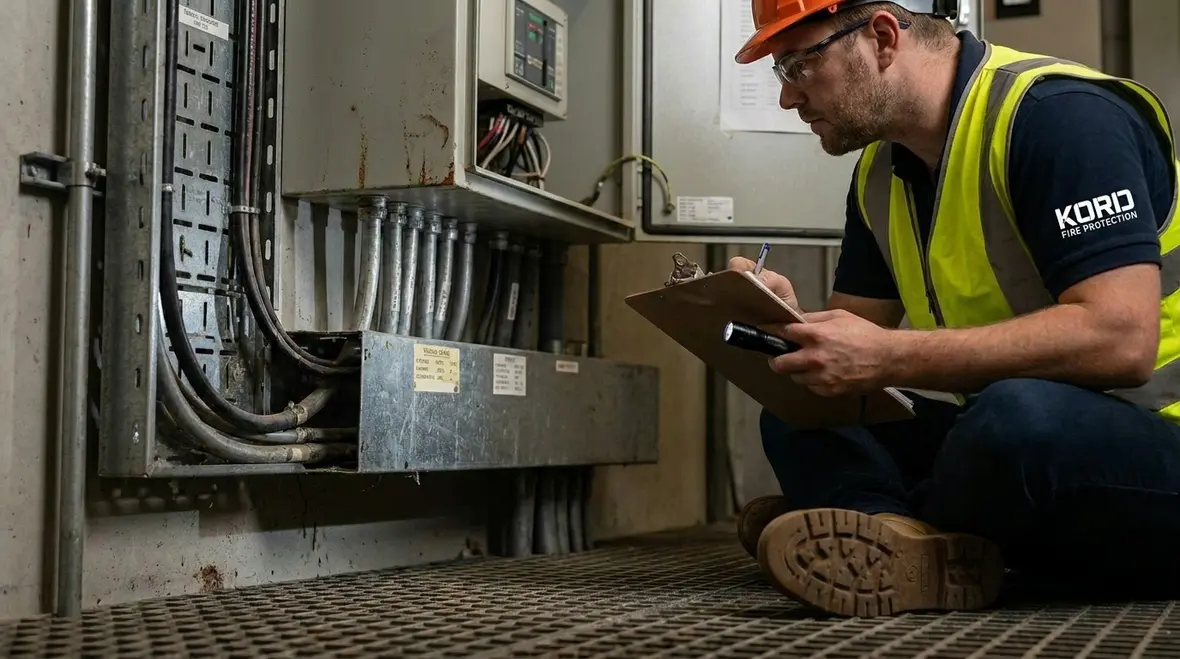
Testing, documentation, and ongoing service expectations under AS 2941
Even a well designed pump room will drift out of readiness if testing and documentation stay vague. AS 2941 supports a repeatable approach to service readiness. Consequently, a fire pump room must be maintained so that performance testing remains meaningful and defects do not hide in plain sight.
The records matter almost as much as the pump
Effective service programs typically include:
- Planned test schedules: Regular checks aligned with the site’s risk profile and operational requirements.
- Clear records: Documented test results, corrective actions, and updates to reflect the current system condition.
- Component verification: Inspection of the pump, jockey pump where fitted, controllers, sensors, and related hardware for deterioration or misalignment.
- Functional readiness: Confirming that starters and control logic respond as intended during testing and simulated operating conditions.
Furthermore, facilities teams benefit when documentation is structured for audits. It also helps when insurers or regulators request evidence, because the file trail reads like a story with a clear ending. No one wants “maybe it was tested” as a maintenance strategy. That is not engineering. That is improv theatre.
Strong documentation also makes handovers less painful. When new facilities staff, contractors, or building managers step in, they should not need to decode a folder full of half-complete notes and mystery abbreviations. A usable record set turns future servicing into a controlled process rather than a scavenger hunt with compliance consequences.
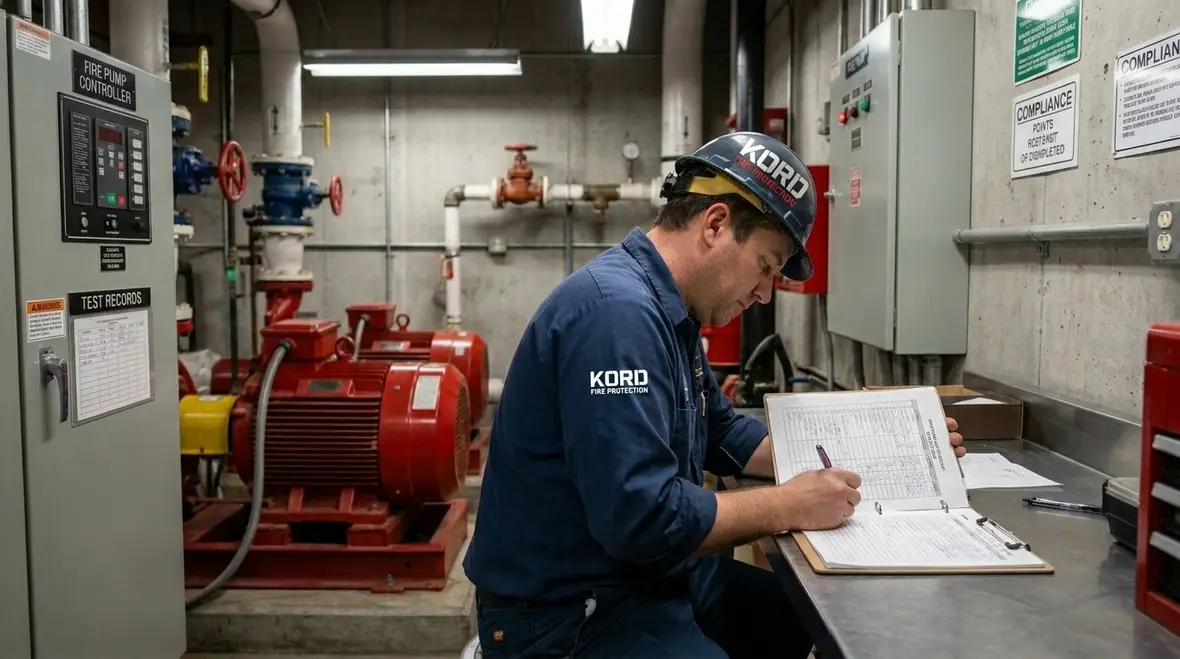
How Kord Fire Protection helps facilities meet compliance without the headache
Compliance should not feel like a tax paid under protest. It should feel like a managed system that supports business continuity. Kord Fire Protection helps industrial, retail, commercial, and multi site facilities across Australia by turning AS 2941 expectations into practical maintenance workflows.
In the real world, facilities face competing priorities: production schedules, customer access, shutdown windows, and staff changes. Therefore, Kord Fire Protection focuses on coordination and clarity. They help teams understand what matters, when it matters, and what evidence they should keep.
What practical support usually looks like on site
As a partner, Kord Fire Protection can support projects and ongoing service through:
- Site aligned servicing: Service plans that match the facility’s operational rhythm and risk profile.
- Test readiness and defect management: Early identification of issues that could affect performance, followed by timely action.
- Documentation support: Clear, audit friendly records that reduce last minute scrambling.
- Upgrade coordination: Practical guidance during modifications so the room stays compliant through change.
In short, when Kord Fire Protection becomes the vital partner, teams stop guessing. They get a steady hand, like a good stage manager. The show still goes on, and the pump room keeps its promises.
That support is particularly useful for sites managing multiple contractors or multiple locations, because consistency tends to disappear the moment everyone assumes someone else is tracking it. A reliable service partner brings one method, one reporting rhythm, and fewer surprises when audit time arrives.

Common mistakes in pump room work and how to avoid them
Many problems start small. Yet they grow quickly when teams treat the fire pump room like a “set and forget” space. In practice, mistakes often appear as delays, failed tests, or unsafe working conditions. So, it helps to address the usual culprits early.
Common issues include poor access due to storage, unclear labelling that slows response, drainage problems that allow moisture build up, and control gear conditions that change after building upgrades. Additionally, some sites keep documentation incomplete, which makes audits stressful and corrective actions harder to track.
A simple routine beats a last minute scramble every time
To avoid these setbacks, facilities can apply a disciplined routine: check room conditions, confirm service records, review any recent building changes, and then align testing outcomes with the actual installed configuration. And yes, the pump room deserves better than being the forgotten backstage closet.
It also helps to treat the room as an operational asset rather than a technical afterthought. Small housekeeping issues often reveal bigger process gaps. If no one owns signage, no one updates signage. If no one owns storage control, the access path slowly disappears. If no one owns document quality, the compliance file turns into a museum of expired assumptions.
FAQ about AS 2941 fire pump room requirements
Conclusion: make compliance a dependable process
AS 2941 fire pump room requirements exist to protect people when it counts, and facilities succeed when compliance becomes a routine, not a scramble. Kord Fire Protection helps industrial, retail, and commercial sites across Australia keep pump rooms safe, test ready, and properly documented. If your facility is planning service, commissioning, upgrades, or a compliance refresh, reach out to Kord Fire Protection and turn that paperwork into a steady operational advantage.