AS 5062 Explained for Mobile Equipment Fire Protection
Quick Answer: AS 5062 Explained covers how Australia manages fire protection for mobile equipment, such as powered plant, lifts, carts, and other moveable fire-risk assets. It guides owners and operators on risk controls, inspections, documentation, and readiness. With the right partner, compliance becomes practical, not painful.
AS 5062 Explained for Mobile Equipment is not just a rulebook. It is a real operating standard that helps Australian businesses protect people, assets, and continuity of work. Specifically, it addresses how mobile equipment can create fire hazards when fuel sources, batteries, hot surfaces, wiring, or charging systems meet everyday workplace conditions. Our company, Kord Fire Protection, helps organisations translate AS 5062 fire protection into something teams can follow during shifts, not something they only discuss during audits. And yes, audits can feel like pop quizzes from the universe. With the right plan, that universe stops being so rude.
In the sections ahead, third person guidance will walk through what the standard expects, how facilities can assess risk, and how inspections and documentation can be streamlined. The goal stays simple: make sure fire controls for mobile plant work when they must.
For businesses wanting a broader view of compliant fire safety support, Kord Fire Protection’s fire protection services fit naturally alongside an AS 5062 program by helping sites align risk controls, inspections, and operational readiness across changing environments.
What AS 5062 fire protection sets out to achieve
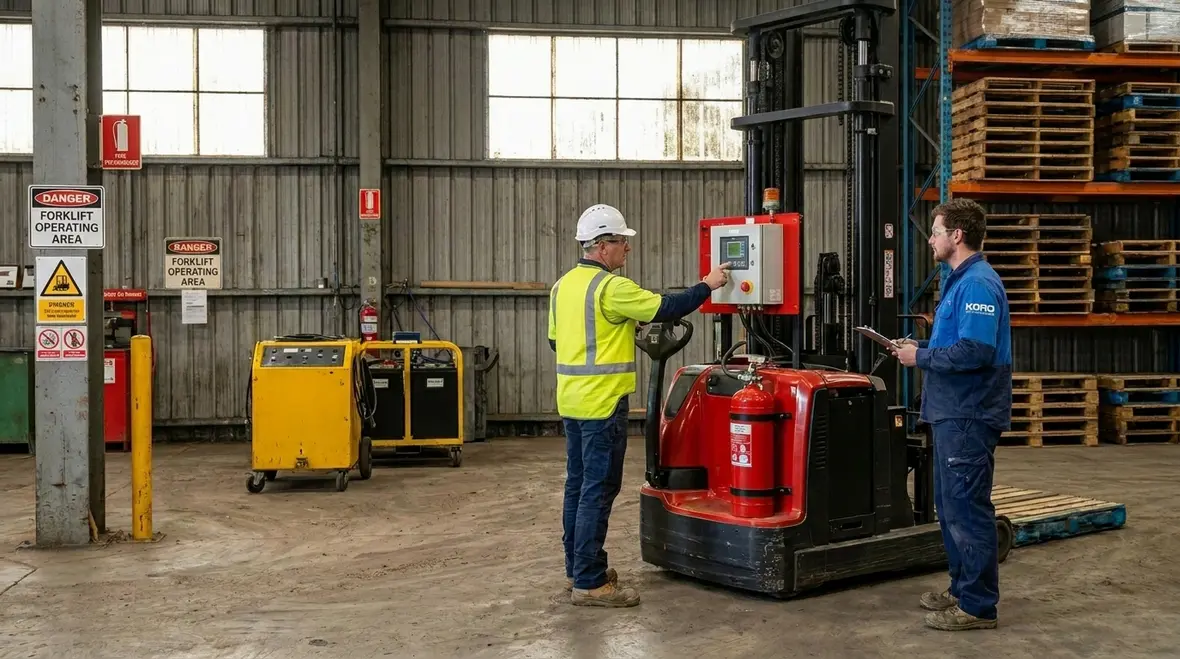
AS 5062 fire protection exists to reduce the chance that a fire starts or grows on mobile equipment. Because mobile assets travel through busy spaces, risk can change from one day to the next. For example, a battery powered trolley that charges in one corner might move to a loading dock later, where dust, packaging, and airflow differ. Therefore, the standard focuses on consistent control measures that match the workplace reality rather than a one size fits all checklist.
Additionally, AS 5062 explained thinking pushes businesses to plan before trouble shows up. It encourages clear responsibilities, suitable equipment, and verification that controls keep working. When organisations get this right, emergency response improves too. Fire crews and site teams do not waste precious minutes guessing what is where or what has been maintained.
Why the standard matters in day to day operations
The practical strength of AS 5062 is that it treats fire protection as an operating habit, not a last minute compliance scramble. A facility may have excellent intentions, but if operators are improvising charging practices, parking equipment beside combustibles, or missing early warning signs of faults, risk builds quietly. The standard nudges businesses toward repeatable routines that hold up even when the site is busy, understaffed, or dealing with a Monday that already feels suspicious.
Identify mobile equipment and the fire risks that follow
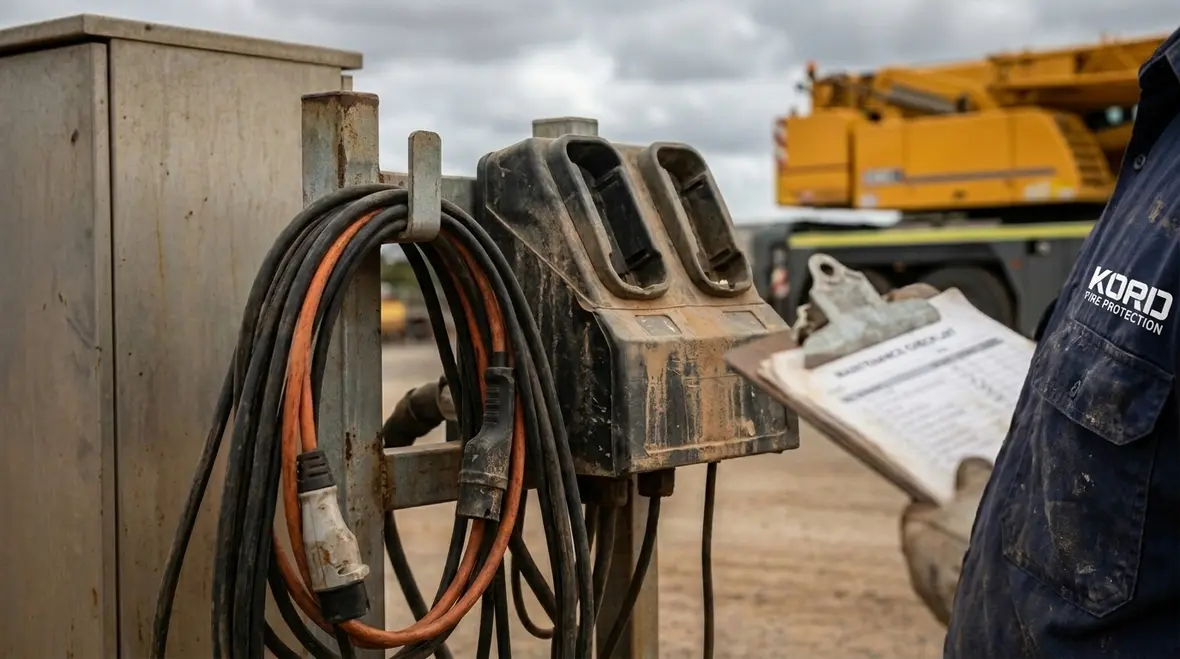
To apply AS 5062, facilities start by identifying which mobile equipment counts for their operations. That includes powered mobile plant, lifting devices, battery operated machines, and other moveable equipment that carries ignition sources or that can expose nearby combustibles. Next, teams map what usually sits around the equipment. Then they examine how it behaves during normal operations.
Common risk drivers typically include these realities:
- Energy sources: batteries, fuel, chargers, and related wiring
- Heat and ignition: hot bearings, motors, exhaust parts, or overheating components
- Damage pathways: vibration, impact, wear, and accidental connection faults
- Environment: dust, solvent vapours, aerosols, timber stock, cardboard, and packaging
- Operating patterns: charging routines, unattended periods, and movement routes
As a result, risk assessment becomes more than a formality. It turns into a practical view of where fire could start, how fast it could grow, and what barriers already exist. And if the organisation thinks, “We do that already,” it may still need to confirm that the same logic survives change, like new stock lines, new shifts, or new equipment models.
What teams should map before writing controls
A useful assessment maps not only the equipment itself but also the route it takes through the workplace. That includes charging points, temporary stopping areas, loading docks, storage aisles, maintenance corners, and any space where packaging or waste can pile up. Fire risk often hides in the handoff points between tasks. One team parks the unit, another charges it, a third notices a damaged lead, and somehow everybody assumes somebody else has it covered. That is a very efficient way to invite trouble.
How facilities build compliant controls for moveable fire hazards
Once risk points are clear, the next step is to build and maintain fire controls for mobile plant. AS 5062 Explained supports this through structured expectations for control measures and operational behaviour. Therefore, facilities should focus on prevention first, then readiness, then verification.
In practice, compliant controls usually cover:
- Charging and storage practices: proper locations, supervision rules, and safe cable handling
- Maintenance routines: inspections that catch damaged leads, loose connections, worn components, and overheating signs
- Fire suppression and separation: ensuring the right fire protection measures suit the equipment and surroundings
- Operational procedures: safe shutdown steps, restrictions on temporary storage near ignition sources, and clear “do not” rules
- Training and accountability: making sure operators understand what to do during faults, alarms, and abnormal conditions
Meanwhile, businesses should avoid treating controls as “set and forget.” Mobile equipment changes. Batteries age, parts get replaced, storage layouts move, and workflows evolve. Consequently, controls need periodic review. The best organisations schedule checks around real use patterns, not just the calendar.
Sites that already maintain extinguishers, alarms, and evacuation systems often benefit when mobile equipment risks are folded into that broader fire strategy rather than managed in isolation. The aim is not to create another lonely spreadsheet that no one loves. It is to ensure that charging locations, response actions, access paths, and inspection findings all connect in a way supervisors can actually use.
Inspections, documentation, and the evidence auditors actually want
Compliance needs proof, and proof needs structure. In AS 5062 fire protection work, documentation helps show that the organisation understands its risks and acts on them. This means records should link the equipment, the hazard, the control, and the verification.
To keep it workable across industrial, retail, and commercial facilities in Australia, documentation should include at least these elements:
- Equipment register: what mobile equipment exists and where it operates
- Risk assessment records: hazard notes, control decisions, and review dates
- Inspection checklists: clear criteria for what gets checked and how often
- Maintenance and defect logs: evidence that faults get tracked and resolved
- Training records: operator awareness and training refresh schedules
- Incident and near miss notes: what happened, what the site learned, and what changed
Additionally, facilities should ensure inspectors have enough detail to act fast. If a checklist only says “check equipment,” it does not help a busy supervisor at 2 pm on a Tuesday. The best documentation explains what “good” looks like and what triggers escalation.
How to make records useful instead of decorative
Good records are not just for audits. They help sites spot patterns. Repeated charger damage in one area may point to layout issues. Frequent overheating findings on a certain unit may suggest maintenance timing is off. Near misses during shift change may show that handover information is weak. When records are clear, trends stop hiding. When records are vague, the site learns nothing except that paperwork can indeed consume a lot of toner.
Why Kord Fire Protection becomes a vital partner
Many organisations try to manage fire protection with internal spreadsheets and hope. Hope is fine for sports, but not for compliance. Our approach at Kord Fire Protection helps businesses make AS 5062 requirements practical across multiple facets of operations, including industrial sites, retail environments, and commercial facilities.
Our team supports clients by connecting risk, inspection, and fire protection into one consistent workflow. Then we tailor recommendations to the equipment types and the way each site actually runs. For example, charging areas and movement routes can differ even between two similar stores or warehouses. Therefore, Kord Fire Protection helps ensure the controls fit the real world, not just the plan on the wall.
To keep things moving, Kord Fire Protection can also assist with:
- On site assessments that translate risk into clear actions
- Fire protection planning that supports suppression and operational readiness for mobile equipment
- Inspection and reporting that produces usable records for audits and management
- Maintenance coordination that keeps controls current as equipment ages and workflows change
In short, Kord Fire Protection helps teams spend less time chasing paperwork and more time preventing incidents. And that means fewer “why did this fail” meetings that drain everyone’s soul.
Practical implementation steps for Australian businesses
Businesses across Australia can roll out AS 5062 fire protection by following a step by step path that avoids disruption. First, they confirm the mobile equipment list and map where it works. Next, they review current charging and operating practices and compare them to the risk profile. Then they choose controls that prevent ignition and limit escalation.
After that, they set inspection frequencies based on actual usage and wear patterns. They also ensure reporting stays clear so that defects do not disappear into the void between shifts. Finally, leadership reviews trends and updates the plan when operations change.
Here is a simple sequence that works well in facilities with multiple teams:
- Confirm mobile equipment scope and locations
- Assess ignition and growth risks in each operating zone
- Define control measures and ownership for each control
- Implement inspection routines and document outcomes
- Train operators and reinforce procedures during routine work
- Review results and update the approach after changes
This sequence works best when responsibility is obvious. If ownership of checks, defect reporting, maintenance follow-up, and training refreshers is fuzzy, even a smart plan loses momentum. Facilities that make those accountabilities visible usually find that compliance becomes calmer, faster, and much less dependent on heroic last minute effort.
Conclusion
AS 5062 Explained becomes manageable when a facility turns risk assessment into daily control, then backs it with inspections and clear documentation. Kord Fire Protection helps industrial, retail, and commercial sites across Australia build a practical program that stands up to reality and audits. If mobile equipment drives your operations, do not gamble on guesswork. Reach out to Kord Fire Protection today, and make compliance a steady routine instead of a last minute scramble.