Fire Extinguisher Recharge Australia When It’s Non Optional
Quick Answer: Fire extinguisher recharge is needed when an extinguisher has been used, pressure drops, seals break, or the service date passes. In Australia, businesses should schedule recharge to stay compliant and ready for real emergencies. Kord Fire Protection helps organisations manage inspections, servicing, and records with confidence.
Fire extinguisher recharge Australia: when it becomes non optional
In many workplaces, fire safety feels like paperwork until the day it matters. Then everyone suddenly asks who last checked the extinguisher and whether it will actually work. That is why fire extinguisher recharge Australia matters early, not late.
Our team at Kord Fire Protection helps industrial, retail, and commercial facilities across Australia keep extinguishers in dependable condition. Because yes, a shiny cylinder can still fail. A discharged unit, a leaking valve, or a weak pressure indicator does not care how well dressed the building looks.
The reason this topic lands with so many facilities managers is simple: extinguishers are easy to ignore when everything is quiet. They sit on walls, in cabinets, near exits, and beside plant rooms looking calm, respectable, and mildly judgmental. Then something sparks, smoke starts moving, and suddenly that quiet little cylinder becomes the most interesting item in the building. If it is not ready, the consequences arrive faster than excuses.
A lot of organisations also assume servicing means a quick glance and a signature. In reality, recharge is part of making sure the extinguisher can still perform the job it was designed for. If you are already reviewing equipment readiness, it also makes sense to look at broader fire extinguisher services as part of the same planning process.
When should facilities recharge extinguishers?
Facilities should recharge when performance may be reduced. This includes situations that often happen quietly, then show up during an inspection. Therefore, organisations that act fast reduce risk and avoid downtime.
Common triggers include:
- After discharge: Even partial use can reduce effectiveness. Refilling and pressure testing restore the extinguisher to its intended output.
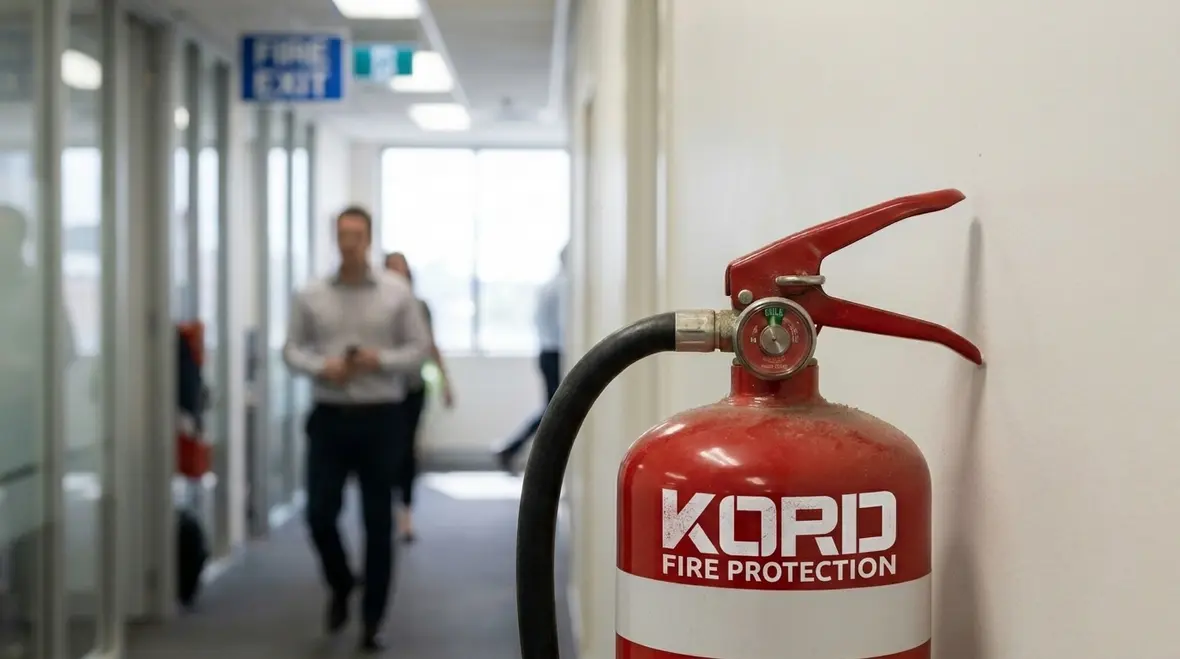
- Pressure indicator issues: If gauges show the unit is not in the required range, recharge and testing are essential.
- Damaged seals or tamper signs: If seals break, the extinguisher may have been used or compromised.
- Expired service date: Compliance and reliability rely on planned servicing, not guesswork.
- External corrosion or dents: Physical damage can affect the valve, hose, or internal components.
Moreover, recharge should never be treated as a later task. If something goes wrong during an incident, insurance and compliance reviews often ask for evidence of proper maintenance. In other words, the extinguisher may be the hero, but documentation is the cape.
This is especially important in busy sites where equipment gets bumped by trolleys, forklifts, deliveries, cleaning gear, or plain old human chaos. A unit can look mostly fine from three metres away while quietly carrying a problem that only shows up when someone needs it. That is a terrible time for surprises.
Facilities that run regular inspections usually spot these issues sooner, but recharge still needs to happen promptly once a trigger appears. A tagged extinguisher with a known issue is not reassurance. It is a to do list item wearing safety gear.
The quiet signs that tell you action is overdue
Some of the most important warning signs are not dramatic. A gauge creeping out of range, a pin seal that looks disturbed, corrosion near the valve, faded service records, or confusion about whether a unit was partially used during a minor incident all point to the same answer: do not leave it hanging there and hope confidence counts as maintenance.
Why recharge protects people, operations, and compliance
Fire response depends on three things: the right extinguishing agent, correct pressure, and a functioning delivery system. Recharge improves all three when it is done properly. At the same time, it helps businesses reduce false confidence caused by units that look ready but are not.
For industrial and commercial sites, the cost of a failed response can include injuries, equipment loss, and production stoppage. Even a small incident can spread faster than management can fill out forms. When extinguishers stay in service condition, workers can take early action while emergency services respond.
Recharge also supports compliance. Facilities that manage inspections, servicing dates, and test results consistently face fewer last minute scrambles. Meanwhile, staff training becomes easier because people trust the equipment on the wall.
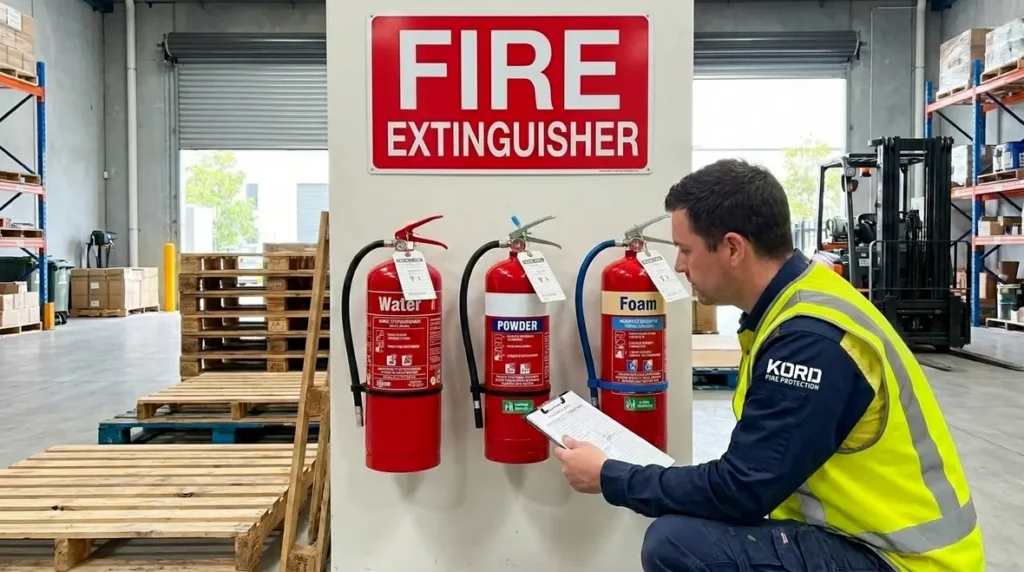
And yes, the extinguisher must match the hazard. If a facility uses the wrong type, recharge does not fix the mismatch. Kord Fire Protection can help organisations check selection and maintenance alignment so the right equipment is where it should be.
There is also an operational benefit that gets overlooked. Sites with reliable maintenance schedules experience less disruption because decisions are made before urgency takes over. That means fewer rushed bookings, fewer awkward explanations during audits, and fewer moments where someone says, “I thought that one was handled.” Those six words have started many preventable headaches.
Confidence in an emergency comes from preparation, not optimism
When workers see that extinguishers are serviced properly and records are current, they are more likely to trust emergency procedures as a whole. That matters. People respond better under pressure when the equipment around them is known, visible, and maintained. Optimism is lovely at team lunches. During a fire incident, verified readiness wins.
What actually happens during a recharge job?
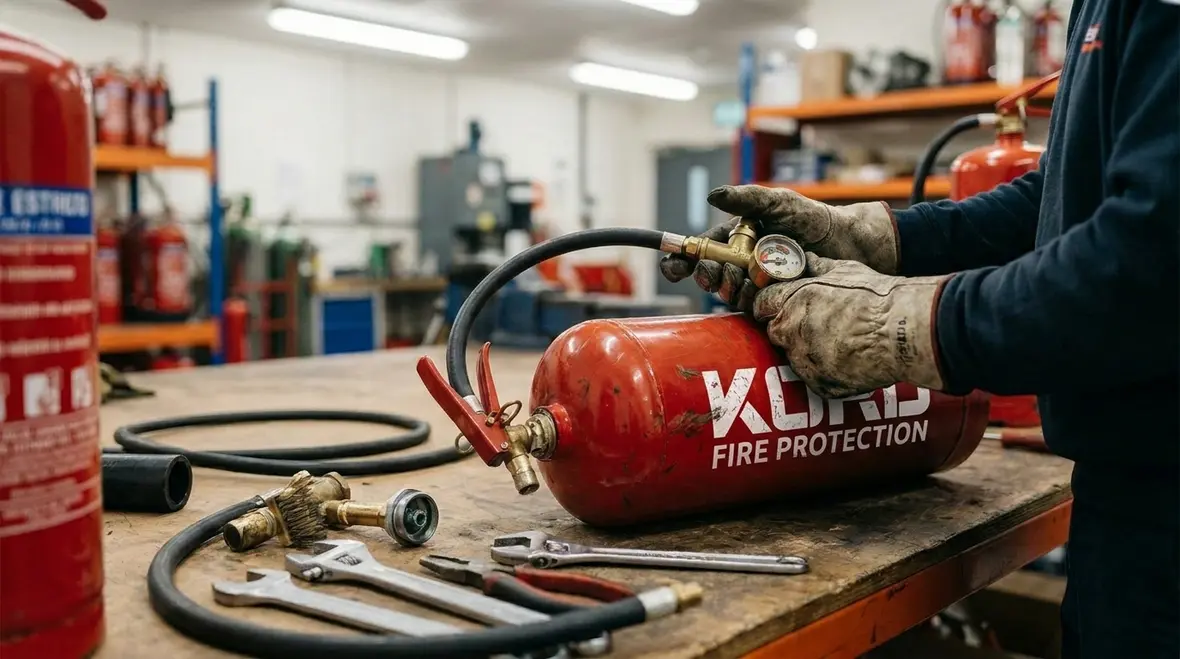
A real fire extinguisher recharge is more than refilling. Technicians follow a structured process that checks condition, restores specifications, and confirms safe operation. This is where professionals earn their paychecks, and where guessing usually loses.
Typically, the service includes:
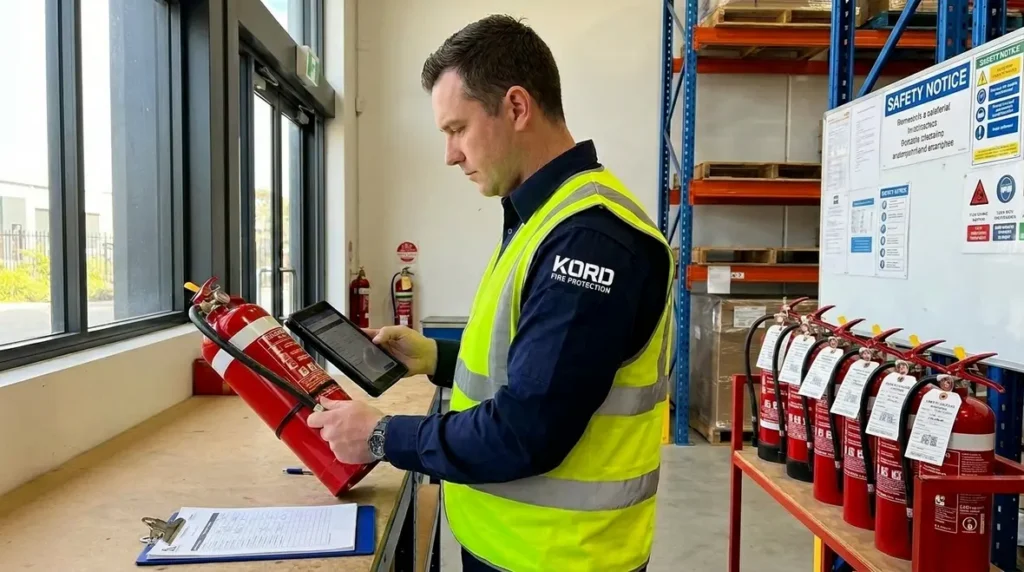
- Visual inspection: Technicians examine the cylinder, valve, hose, nozzle, and safety components for wear, corrosion, and damage.
- Verification of pressure and condition: They confirm whether internal pressure meets required standards and whether components need replacement.
- Disassembly and safe handling: The valve is removed and the unit is handled according to safety procedures.
- Refill with correct agent: The agent type and quantity must match the extinguisher rating and manufacturer requirements.
- Pressure testing and performance checks: The unit is tested to confirm safe pressure retention and proper operation.
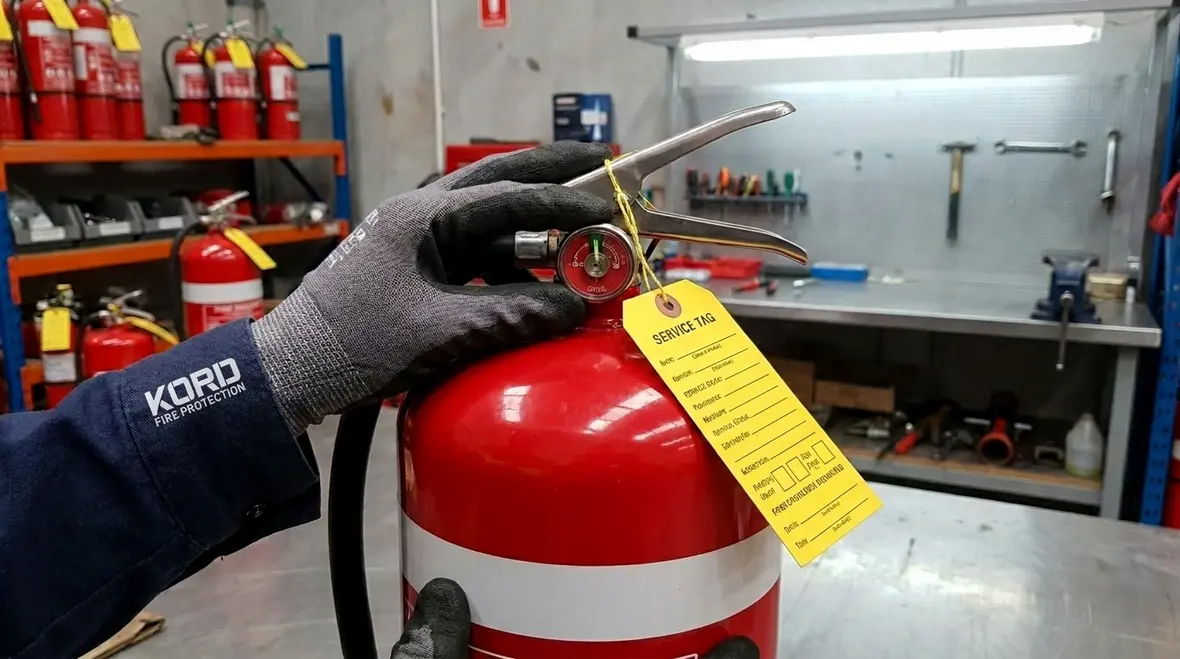
- Reassembly, sealing, and labelling: Seals are fitted and updated labels and service records are applied.
Consequently, a recharge job becomes a quality audit for the extinguisher. If an extinguisher shows repeated issues, the service can also highlight whether replacement is more practical than repeated patchwork.
In commercial and retail locations, where units face frequent access and occasional bumps, this step is especially valuable. People walk past them every day, so damage often happens without anyone noticing. Recharge brings the equipment back into verified readiness.
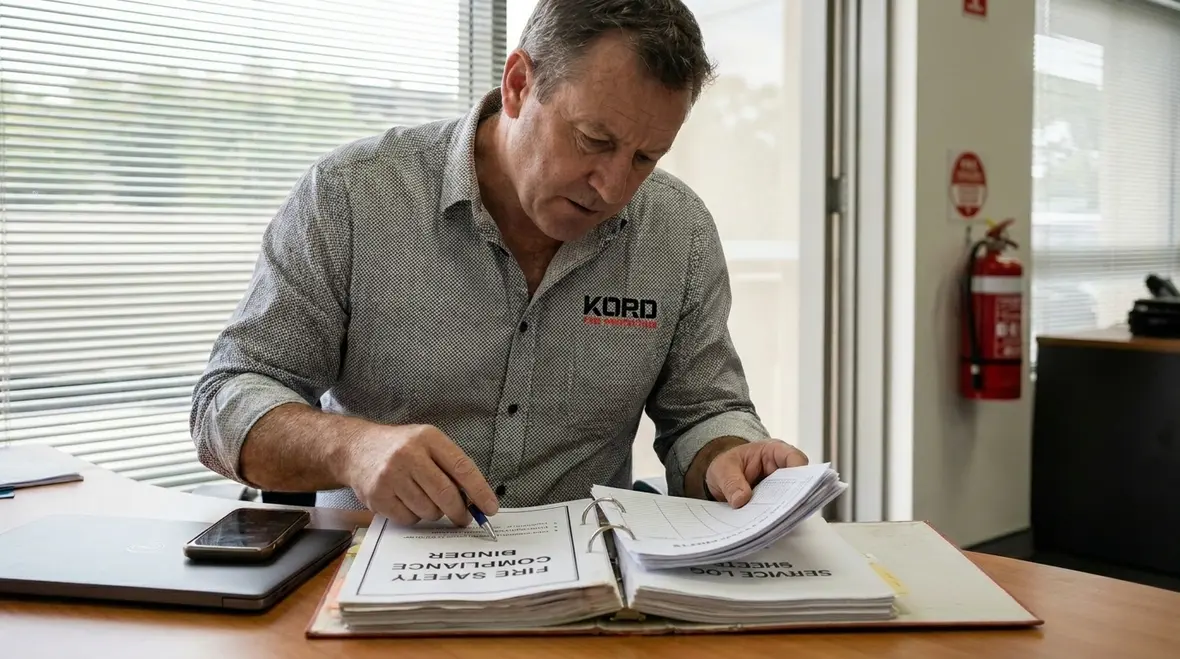
It also creates a better maintenance trail. Good recharge work is visible not just in the extinguisher itself, but in the records that sit behind it. If a business wants to understand trends across sites, identify recurring issues, or plan replacements sensibly, consistent servicing data makes the whole process easier to manage.
How often should facilities schedule service and recharge?
Recharge frequency depends on the extinguisher type, local compliance expectations, and the equipment’s condition and history. However, most businesses benefit from a planned schedule rather than reactive servicing.
A smart approach includes:
- Asset mapping: List every unit by location, type, and identification number so no extinguisher disappears between audits.
- Inspection intervals: Staff carry out routine checks, while qualified technicians complete periodic servicing.
- Trigger based response: After use, gauge problems, tamper indicators, or visible damage, recharge happens promptly.
- Record keeping: Logs make audits easier and show due diligence across the site.
In practice, facilities with multiple sites across Australia often need consistent schedules. That is where the operational side matters. Kord Fire Protection supports multi site planning, so teams can meet timelines without turning fire safety into an all hands scramble. And nobody wants to find out their extinguisher is due the week of a surprise inspection. That is not a fun reality show.
The strongest programs treat extinguisher maintenance as part of routine asset management, not as a seasonal panic. Once assets are mapped properly and checks are assigned clearly, recharge becomes a normal operational task instead of an emergency reaction to paperwork, pressure loss, or inspector eyebrows.
Consistency matters more than good intentions
Most facilities do not fail because nobody cared. They fail because tasks drift, teams change, sites expand, and records become a treasure hunt. Consistent scheduling closes those gaps. It keeps extinguishers visible in the maintenance plan and makes compliance less dramatic for everyone involved.

Why Kord Fire Protection is a strong partner for recharge work
Organisations that manage fire equipment at scale need more than a technician who shows up. They need a partner who organises the process, tracks assets, and supports compliance planning across industrial, retail, and commercial environments.
Kord Fire Protection can become that vital partner by bringing structured servicing, clear records, and a steady workflow that reduces disruption. Additionally, the company helps facilities understand what each extinguisher is for, when it needs recharge, and how service history impacts readiness.
When fire safety is managed well, teams respond faster and with more confidence. When it is managed poorly, management ends up doing detective work during an incident. Kord Fire Protection helps clients avoid that second scenario, so the business stays focused on running the business.
As a result, choosing fire extinguisher recharge Australia support through a reliable provider becomes a practical risk management decision, not an annual ritual.
FAQ
Conclusion
Fire extinguisher recharge is not a nice to have task. It protects people, supports compliance, and keeps equipment ready when emergencies happen without warning. Facilities across Australia need a disciplined schedule, proper testing, and reliable documentation. That is exactly where Kord Fire Protection helps: by managing recharge work with clarity and consistency. Contact Kord Fire Protection today to review current extinguisher assets and set up a service plan that fits how the business runs.