Fire Sprinkler Inspection Sydney Compliance and Reporting
Quick Answer: Fire sprinkler systems in Sydney need careful, scheduled inspection to keep compliance and reduce downtime risk. Property managers should verify water supply, sprinkler condition, valve supervision, documentation, and testing results. With the right partner, this work becomes predictable, fast, and audit friendly. Kord Fire Protection helps make it that way.
For industrial, retail, and commercial facilities, a reliable fire response starts with one thing: systems that actually work when called upon. That is why fire sprinkler inspection Sydney matters to property managers who live in the real world, where leases change, tenants move, and paperwork somehow multiplies. Over time, sprinklers can face corrosion, mechanical damage, poor maintenance habits, and even “helpful” site alterations that were not coordinated with fire engineers. Meanwhile, regulators do not care about good intentions, they care about evidence. So, when property managers schedule inspection early, they prevent surprises, protect people, and reduce the chance that an audit becomes a stressful fire drill for the files.
Early planning also gives teams room to connect inspection activity with broader service work, especially when fire systems are part of a larger compliance program. That is one reason many facilities teams also review Australian fire sprinkler services as part of a longer term asset strategy rather than treating each visit like an isolated event.
When property managers need inspections, and why compliance is not optional
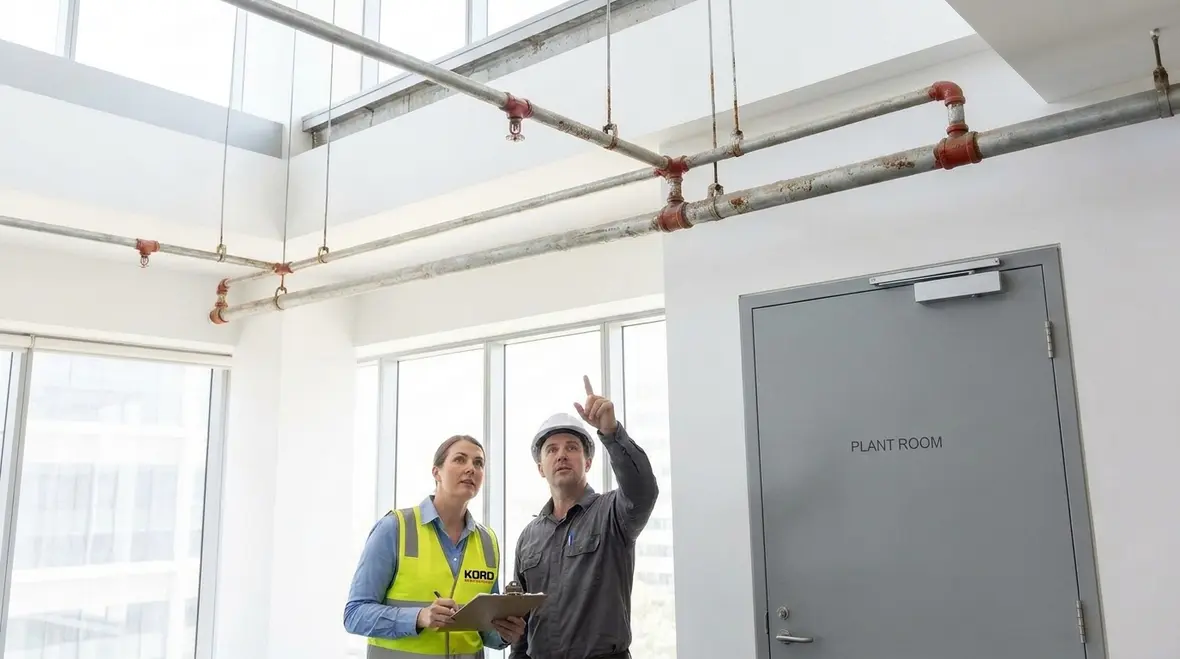
Fire sprinkler systems sit behind walls and ceilings, which means many issues stay hidden until they become expensive. Therefore, property managers should treat inspection as a core facilities task, not an occasional chore. In practice, compliance depends on the site type, risk profile, and the history of maintenance. As a result, a plan that ignores timelines tends to fail at the worst moment. And yes, that moment often arrives right after everyone forgets there was ever a due date. That is when “it should be fine” turns into “how did this happen?”
Additionally, inspection does more than satisfy the paperwork. It confirms that the system design still matches the current building reality. For example, new storage racks, fit outs, partitions, or ceiling changes can affect coverage and obstruction risk. Consequently, inspection becomes a bridge between operations and fire safety engineering, ensuring the system performs as intended.
This is also where reporting earns its keep. A compliance record is not just a box for auditors, it is a running story of the building’s fire protection health. When documentation is complete and easy to read, property managers can see trends, compare repeat defects, and avoid paying twice for the same oversight. That is far more useful than a vague note buried three PDFs deep in someone’s downloads folder.
On busy commercial sites, inspections are often triggered by more than a calendar reminder. Lease renewals, insurance reviews, tenant fit outs, contractor damage, and portfolio reporting cycles can all bring sprinkler compliance back to the top of the list. The smart move is not to wait for pressure to build. It is to create a schedule that keeps the site ahead of those moments, so fire safety stays boring in the best possible way.
What an effective inspection should include on commercial sites
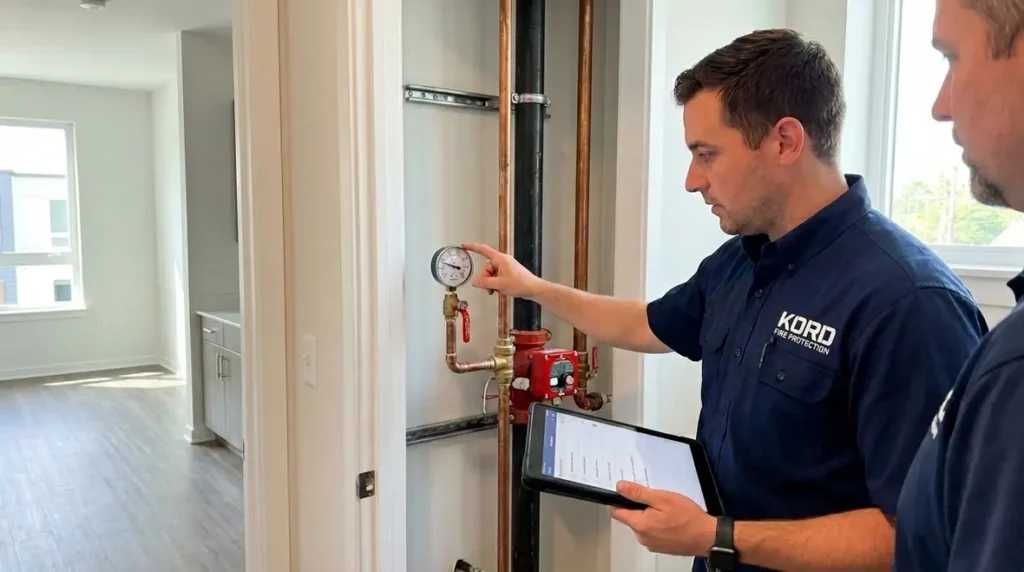
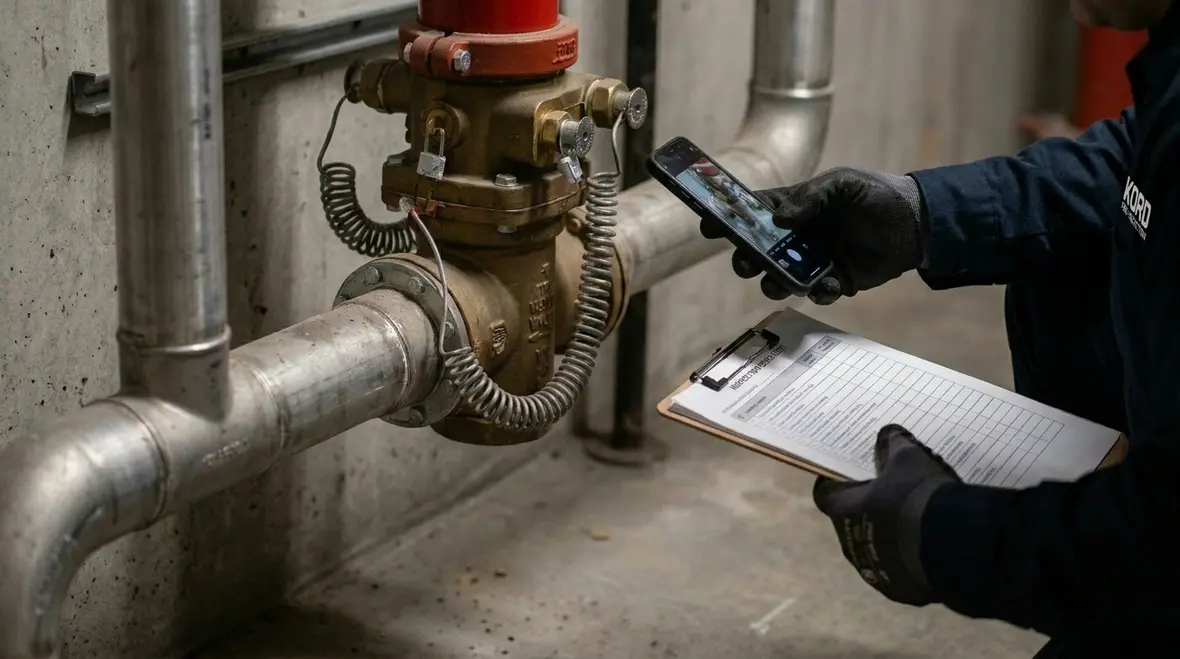
A strong process checks more than sprinklers in isolation. It verifies the whole chain of performance: water availability, detection and control interface, and physical condition. To keep things clear, property managers should expect a documented inspection that covers key components and outcomes. Moreover, the inspection should identify defects, provide severity notes, and recommend corrective actions with realistic timelines.
Common areas that deserve close attention include the following:
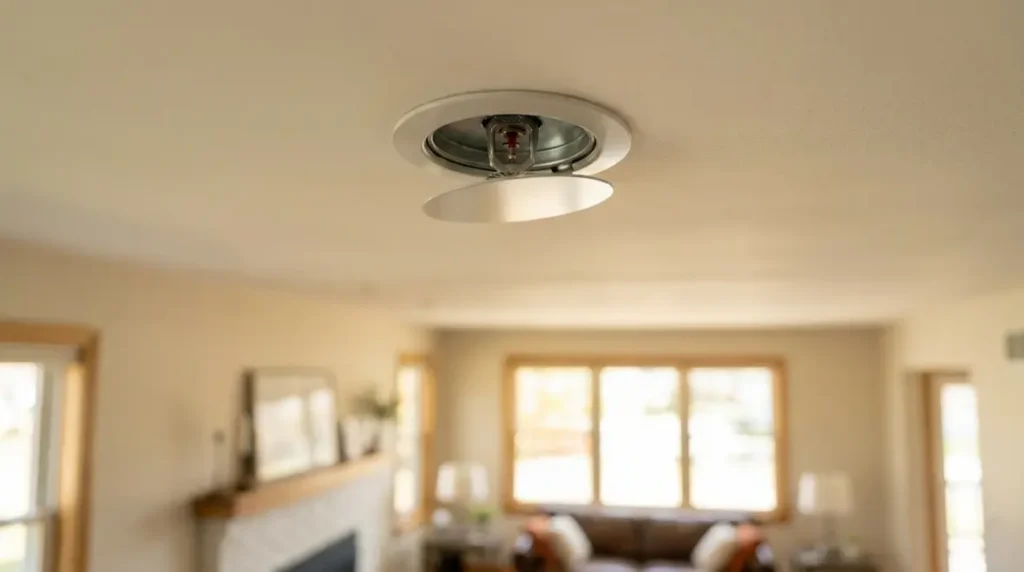
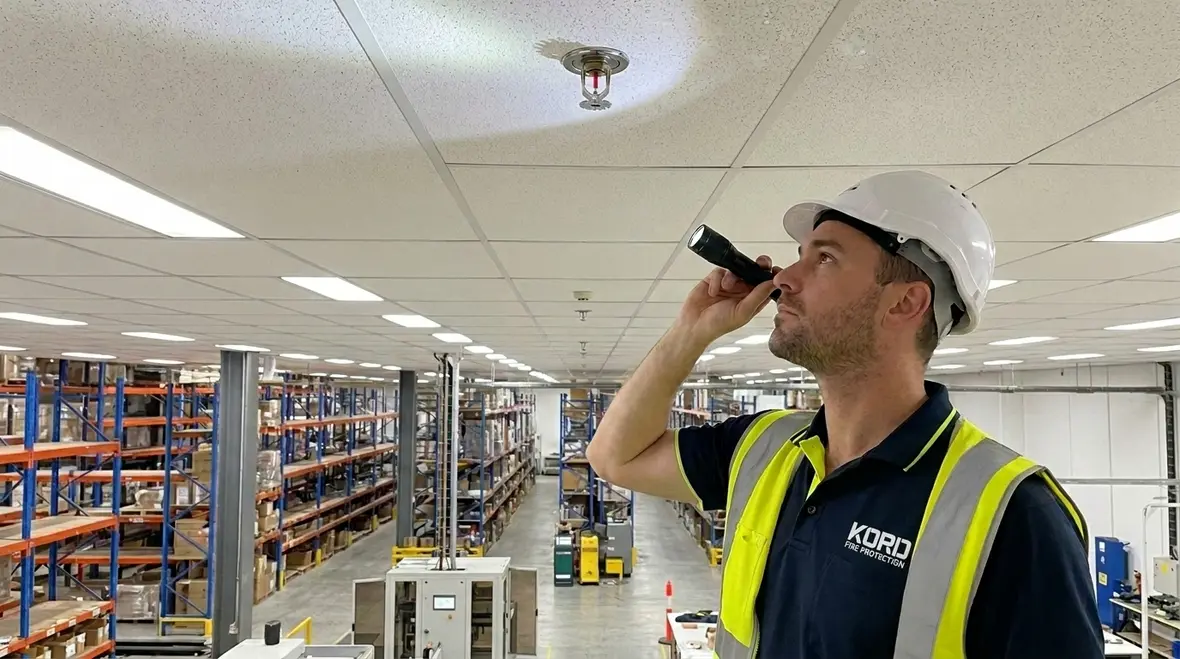
- Sprinkler condition such as corrosion, paint overspray, mechanical damage, and evidence of misuse
- Pipework and hangers including leaks, unsupported sections, and signs of movement
- Valve assemblies such as tamper seals, supervisory switches, and correct configuration
- Water supply including pump performance indications and pressure related considerations
- Flow and alarm interfaces where applicable, ensuring signals route correctly
- Obstructions caused by ongoing works, storage changes, or ceiling modifications
Then, after inspection, the property manager should receive clear records. Because without evidence, “we checked it” is just a phrase, not a system state. Furthermore, good reports help tenant onboarding and lease transitions by showing when checks occurred and what follow ups are required.
Why reporting quality matters as much as the inspection itself
A rushed inspection with weak reporting creates almost as many problems as a missed inspection. If the report is vague, property managers cannot prioritise actions or explain risks to owners and tenants. If findings are clear, dated, and organised, the site team can make decisions quickly. That clarity is especially valuable when a defect needs quotes, access coordination, or follow up across several tenancies.
Near the top of a compliance workflow, it also helps to connect inspection findings with related site services. For facilities trying to keep documentation consistent across assets, a broader look at sprinkler service planning across Australia can support more standardised scheduling and reporting expectations.
How property managers can prepare sites before the team arrives
Preparation reduces delays and keeps operations steady. First, facilities teams should compile the latest drawings, previous inspection reports, and as built notes where available. Next, they should flag recent works, including partition changes, rack upgrades, and ceiling retile projects. Even small changes can alter sprinkler clearance requirements.
It also helps to coordinate access. For example, if the site has multiple tenancies, the manager should confirm who controls key areas, plant rooms, and ceiling spaces. Additionally, safety inductions and work permits should be arranged early so inspection crews do not spend their time waiting around. And because time is money, the best inspections feel like a well rehearsed show: everything runs, everyone knows their mark, and nobody has to improvise under fluorescent lights.
| Property manager actions | Inspection outcomes they support |
| Provide current site layout and prior reports | Reduces confusion, speeds verification, supports audit trails |
| List recent alterations and tenant changes | Highlights obstruction and configuration risk |
| Confirm access to plant rooms and ceiling voids | Ensures complete coverage, avoids repeat visits |
Finally, property managers should agree on follow up accountability. When defects appear, the response plan should name who fixes what and by when. Otherwise, the report becomes a folder nobody opens until the next due date.
Another practical step is to notify tenants in advance about access windows, ceiling checks, and any testing activity that might affect routine operations. This sounds basic because it is basic, but it saves a shocking amount of friction. Nothing slows down inspection work like arriving on site only to discover the one person with access is on leave and everyone else is guessing where the plant room key lives.

Common sprinkler issues that quietly grow into major problems
Some faults show up early, yet many develop slowly. Therefore, property managers benefit from knowing where to look during inspections and maintenance coordination. One of the most common issues is corrosion, especially in humid plant areas or spaces exposed to moisture cycles. Another frequent challenge is damage from works and access activities. When subcontractors treat ceilings like storage shelves, sprinklers can take the hit.
Paint, signage, and “temporary” covers can also cause trouble. If a sprinkler has been painted or covered, it may not discharge as intended. Then there is the issue of obstructions. As tenants expand storage, they sometimes block discharge paths without realising they have changed the fire scenario. Consequently, the system can still exist, but it may not operate effectively for the designed hazard.
Valve and supervision issues can also slip through. For instance, supervisory switches may be misconfigured or alarms may not reflect the actual state after maintenance. In addition, poor housekeeping around valves and access points delays corrective action because people do not want to get close to what they cannot see. Yet fire systems demand visibility, not guesses.
In short, the best property managers treat inspection findings as operational intelligence. They use the results to drive maintenance priorities, coordinate tenant works, and prevent recurring faults.
Small oversights that create large compliance headaches
Many sites do not fail because of one dramatic fault. They fail because of several small, unresolved issues that stack up over time. A missing identification tag here, obstructed access there, an undocumented adjustment after maintenance, and suddenly the site has a reporting problem as much as a system problem. None of it feels urgent in isolation. Together, it becomes exactly the kind of mess that turns an ordinary audit into an uncomfortable meeting.
Why Kord Fire Protection helps reduce risk for Sydney and across Australia
Property management teams often juggle contractors, tenant communications, and compliance deadlines all at once. Meanwhile, fire sprinkler inspection Sydney can feel like one more moving target. That is where Kord Fire Protection becomes a vital partner. Our approach supports commercial sites that need consistent outcomes, clear reporting, and follow up that keeps projects moving.
Kord Fire Protection focuses on practical inspection delivery and documentation that helps property managers make decisions quickly. Additionally, we work with facilities teams to plan access, coordinate with ongoing works, and reduce disruption to trading operations. Because for retail and industrial settings, downtime is rarely “just a day.” It impacts customer flow, delivery schedules, and staff routines.
Most importantly, Kord Fire Protection understands the compliance rhythm. So instead of forcing property managers into reactive scrambles, we help them build a dependable inspection schedule and close actions in a way that makes sense for multi tenancy and multi site portfolios. In other words, we take the fire safety job seriously, but we keep the process calm. Unlike that one blockbuster movie where everyone panics at the last second, fire safety should never rely on last minute heroics.
Featured snippet FAQ
Take action now to protect people, assets, and budgets
Property managers who plan fire sprinkler inspection Sydney early avoid the costly chaos that follows missed timelines, unclear records, and unresolved defects. Kord Fire Protection helps commercial facilities keep systems reliable and documentation audit ready, with a process that fits real operations across Australia. If a due date is approaching, or a tenant change has altered the building, now is the moment to book a thorough inspection and close actions with confidence.
Call Kord Fire Protection today to get your inspection plan underway and your compliance under control.