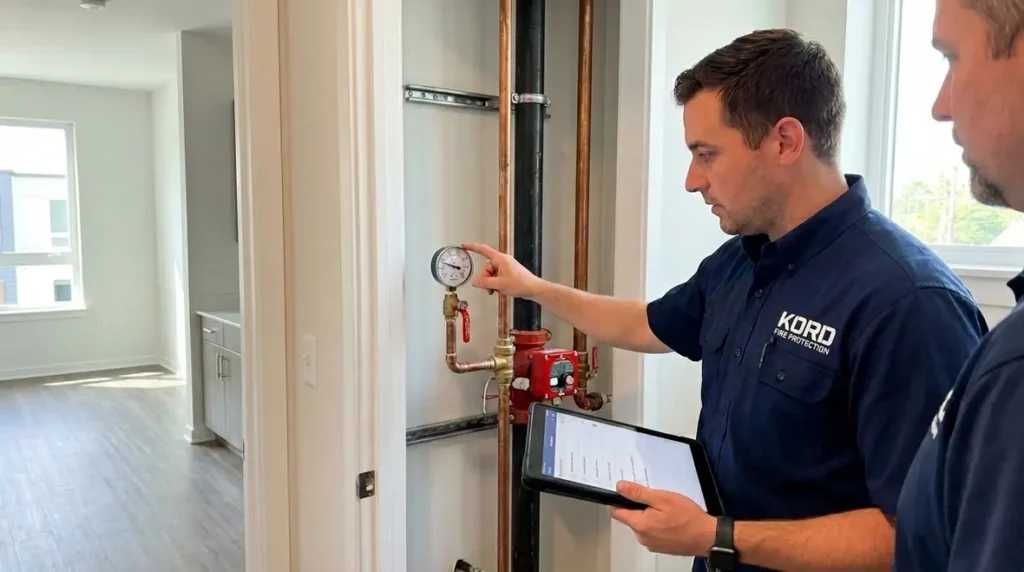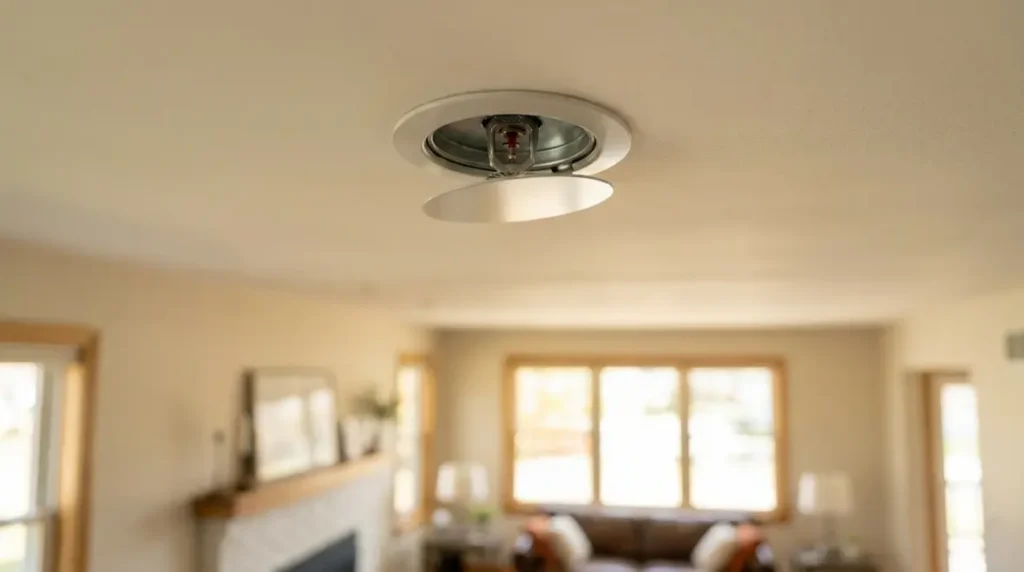
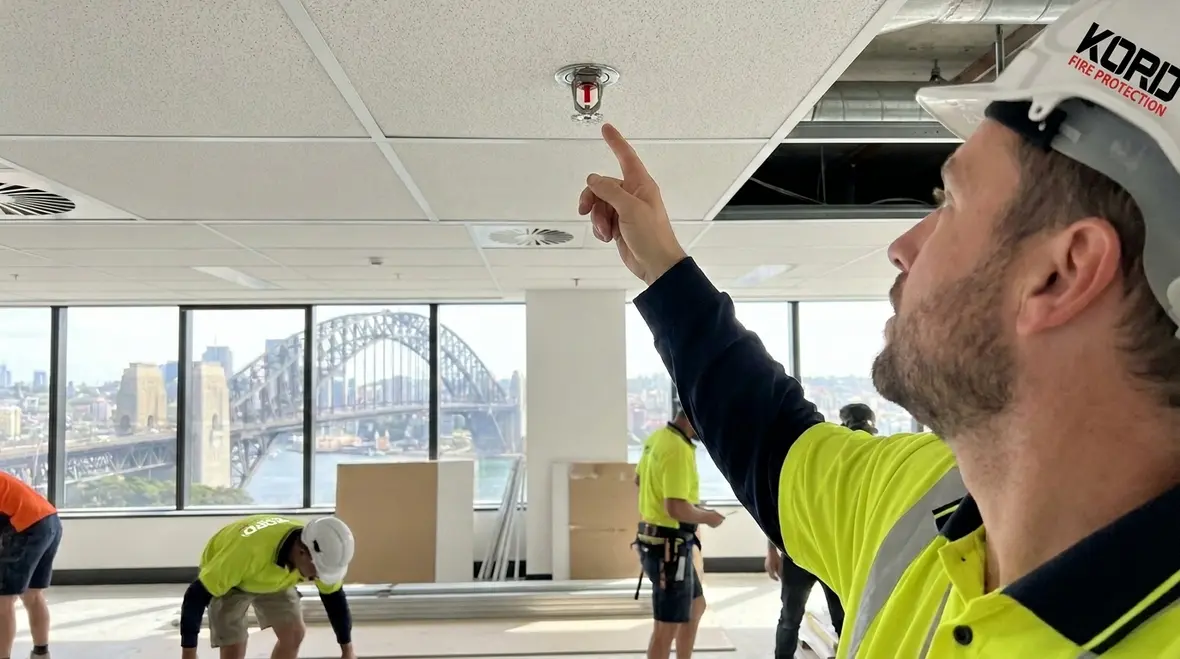
Fire Sprinkler Installation Sydney With Kord Fire Protection
Quick Answer: Fire sprinkler installation for commercial buildings in Sydney keeps people safer and helps owners meet fire safety obligations. A proper system design, installation, and ongoing service matter more than picking “the cheapest pipes.” Kord Fire Protection supports businesses with planning, compliant work, and long term care across Australia.
When a commercial site needs fire sprinkler installation Sydney, the stakes rise fast: life safety, business continuity, insurance outcomes, and compliance. Therefore, this guide explains what decision makers in industrial, retail, and multi site facilities should expect. It also shows how kord fire protection can become a vital partner before, during, and after installation. And yes, it is as serious as it sounds. Still, even “boring” compliance can be made a little more human.
If you are also planning broader system support, it helps to understand how Australian fire sprinkler services fit into design, installation, and long term maintenance across commercial properties.
Why commercial buildings rely on sprinkler systems
In a commercial context, a fire is not just a dramatic event, it is a fast moving disruption. Sprinklers control a fire in its early stage, which helps limit heat, smoke spread, and structural damage. As a result, evacuations become safer and firefighting becomes more effective. Moreover, sprinklers can reduce downtime, protect inventory, and lower the total cost of an incident.
Different building types need different protection strategies. For instance, industrial spaces may carry hazards like oils, solvents, or high rack storage. Meanwhile, retail fit outs can involve faster flame spread due to packaging, signage materials, and customer density. Therefore, fire protection teams must assess actual risk, not just follow a generic checklist.
Protection has to match the real world
Also, it is worth remembering that the goal is not “sprinkler coverage everywhere like sprinkling seasoning.” The goal is correct design, correct placement, correct hydraulic performance, and correct maintenance. That sounds less glamorous, sure, but it is exactly what keeps a system useful instead of decorative.
How the right design gets built before the first pipe is installed
Good installation starts long before a contractor picks up a wrench. First, designers review building plans, use classifications, ceiling heights, fire compartments, and the presence of plant rooms, ducts, and sprinkler obstructions. Then, they match the system type and layout to the hazards in each area.
Next, engineers calculate water supply requirements and pressure needs. This includes assessing the mains connection, tank or pump capacity, and the ability to deliver required flow rates at the needed duration. Without that, the system might look complete and still fail when it counts. And while paperwork is not exciting, it is what keeps the system honest.
In addition, they must plan around practical realities. Services such as lighting, sprinkler guards, cable trays, and acoustic tiles change the layout. So, designers coordinate with builders and mechanical trades to avoid late changes that delay commissioning. As a transition, this early coordination often saves money because it reduces rework.
Design questions smart owners ask early
- What hazard classifications apply to each zone?
- How will water supply, flow, and pressure be proven?
- Where could ductwork, lighting, or storage layouts create obstructions?
- How will the design coordinate with the builder and other trades?
Installation steps for commercial sites in Sydney
Once design and approvals are in motion, installation proceeds in a controlled sequence. First, the team establishes layout levels and verifies ceiling voids and obstructions. Then, they install mains, pipework, branches, and fittings in line with the approved drawings.
After that, they mount sprinkler heads at the correct spacing and orientation, ensuring alignment with the ceiling grid and the actual room geometry. In commercial fit outs, even small offsets can create coverage gaps or false distributions. Therefore, experienced installers check and recheck.
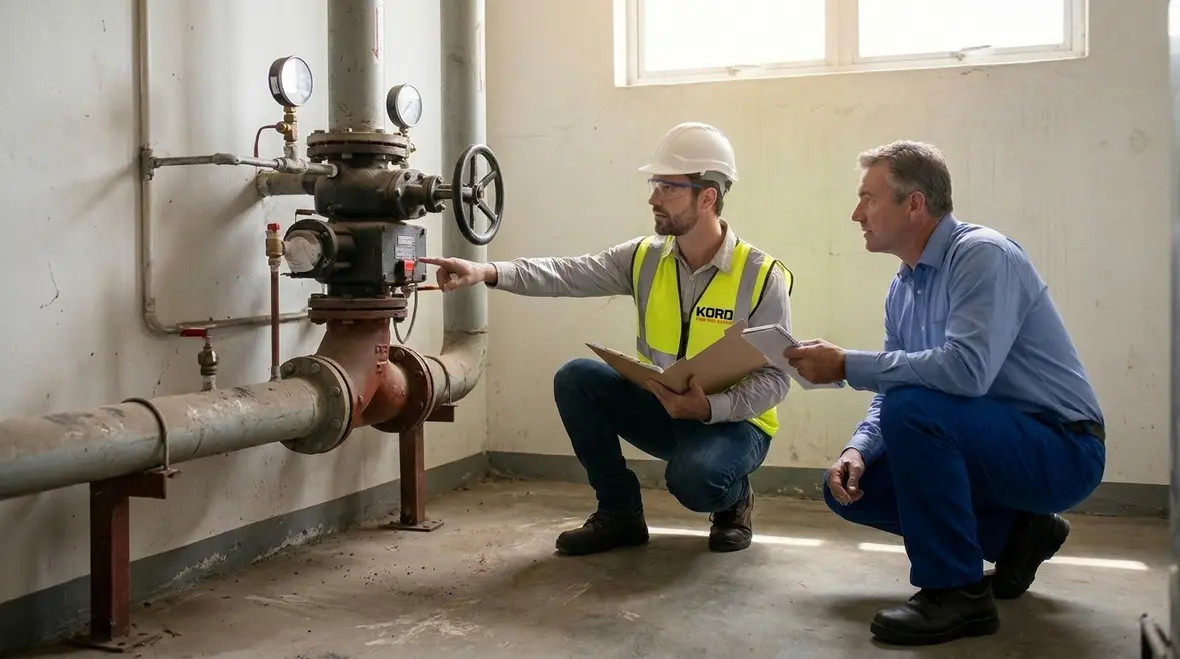
Next, they install associated components such as isolation valves, drains, alarms, and flow switches where required. These devices do not just “sit there.” They send signals and help the system perform as intended during a fire event.
Finally, they pressure test and conduct system checks. Then comes commissioning, documentation, and handover. In other words, a sprinkler system is not finished on install day. It becomes finished when it proves it works.
What a clean installation process usually includes
- Layout verification and set out
- Pipework, branches, and fitting installation
- Sprinkler head positioning and spacing checks
- Valve, drain, alarm, and switch installation
- Pressure testing, commissioning, and documentation handover
Compliance, testing, and ongoing service that protects the asset
Commercial owners do not only buy installation. They buy ongoing confidence. Therefore, testing and maintenance programs matter throughout the sprinkler system life. This includes inspection routines, maintaining valve accessibility, and managing modifications when tenants change layouts.
Over time, businesses refurbish, expand, or reconfigure storage and offices. As spaces change, fire protection performance can change too. That means the system may require minor adjustments or design updates. If the business makes changes without involving fire protection professionals, the sprinkler system can become a “historical artifact,” like an outdated menu nobody reads.
Consequently, a strong service partner tracks compliance documents, coordinates with facility managers, and supports regulatory reporting requirements. They also help manage the practical side: downtime planning, access requirements, and site safety during maintenance. With the right cadence, the risk profile improves and the surprises stay small.
Where kord fire protection fits as a partner
Kord Fire Protection supports commercial and facilities teams across Australia, and that includes installation support and long term fire safety involvement for businesses that need fire sprinkler installation Sydney style outcomes. In practice, this means Kord’s approach can move beyond “install and disappear.” Instead, the company helps clients plan the full lifecycle: design coordination, fit out realities, testing readiness, and service planning.
Moreover, the team acts as a practical bridge between multiple stakeholders: facility managers, builders, tenants, and compliance requirements. As a result, communication becomes clearer, schedules become more realistic, and installation decisions align with operational needs.
Kord Fire Protection also understands that industrial and retail sites bring different challenges. Industrial spaces may require careful coordination around plant and high rack arrangements. Retail sites often require disruption control so trading stays as stable as possible. Therefore, the service approach stays flexible, while the technical outcome stays strict.
In short, the company positions itself as a vital partner because it focuses on performance, documentation, and ongoing risk management. And because nobody wants the end result to feel like a pop quiz on a day they were trying to run payroll.
Cost drivers and what owners should ask before signing
Commercial sprinkler projects vary in cost due to design complexity, system type, building geometry, water supply constraints, and site access. So, owners should focus on cost drivers that truly affect performance. First, ask about the water supply plan and how the system will meet required flow and pressure. Second, ask how the design handles ceiling obstructions, high racks, and ductwork.
Third, confirm the installation plan addresses phasing for live operations, if applicable. Fourth, request clarity on testing, commissioning, and documentation deliverables. Finally, ask how the business will manage modifications after installation, such as tenant fit outs or warehouse reconfiguration.
When these questions get answered early, procurement decisions become smarter. And when they do not, the project can turn into a “surprise party,” where the surprises usually involve time and extra cost.
Key design checks
- Water supply and required flow
- Ceiling heights and obstructions
- Hazard classification by zone
- System layout coordination
Key installation and service checks
- Pipework alignment and fittings
- Pressure testing and commissioning
- Valve access and alarm devices
- Ongoing maintenance schedule
FAQ
Conclusion
For commercial sites, fire safety cannot rely on guesswork, wishful thinking, or last minute duct tape solutions. Businesses across industry and retail need sprinkler systems that are designed right, installed correctly, and supported through ongoing service. Kord Fire Protection can help as a reliable partner, aligning technical performance with real site schedules and compliance expectations. If your building needs a dependable plan, contact kord fire protection today and move forward with confidence.