Fire Sprinkler Systems Hobart and Darwin Compliance Guide
Quick Answer: Fire sprinkler systems in Hobart and Darwin must match local building rules, climate risks, and site hazards. A proper design, installation, testing, and maintenance plan protects people, assets, and business continuity. With Kord Fire Protection as a partner, facilities gain faster compliance support and calmer audit outcomes.
Fire safety is not the part of the job anyone cheers for, yet it quietly does the heavy lifting. In Tasmania, fire sprinkler systems Hobart must suit building codes, water supply realities, and occupancy hazards. In the Top End, systems face heat, humidity, corrosion risk, and fast-changing conditions. And across Australia, the goal stays the same: protect lives, limit property damage, and help organisations keep operating when the unexpected shows up. So, this guide lays out how commercial and industrial sites in Hobart and Darwin can plan sprinkler work the right way, and why Kord Fire Protection can become a vital partner.
For sites reviewing broader system planning, Australian fire sprinkler services can also provide useful context near the start of the process, especially when a facility needs a clearer view of how design, testing, maintenance, and compliance fit together.
Regional requirements for Hobart and Darwin
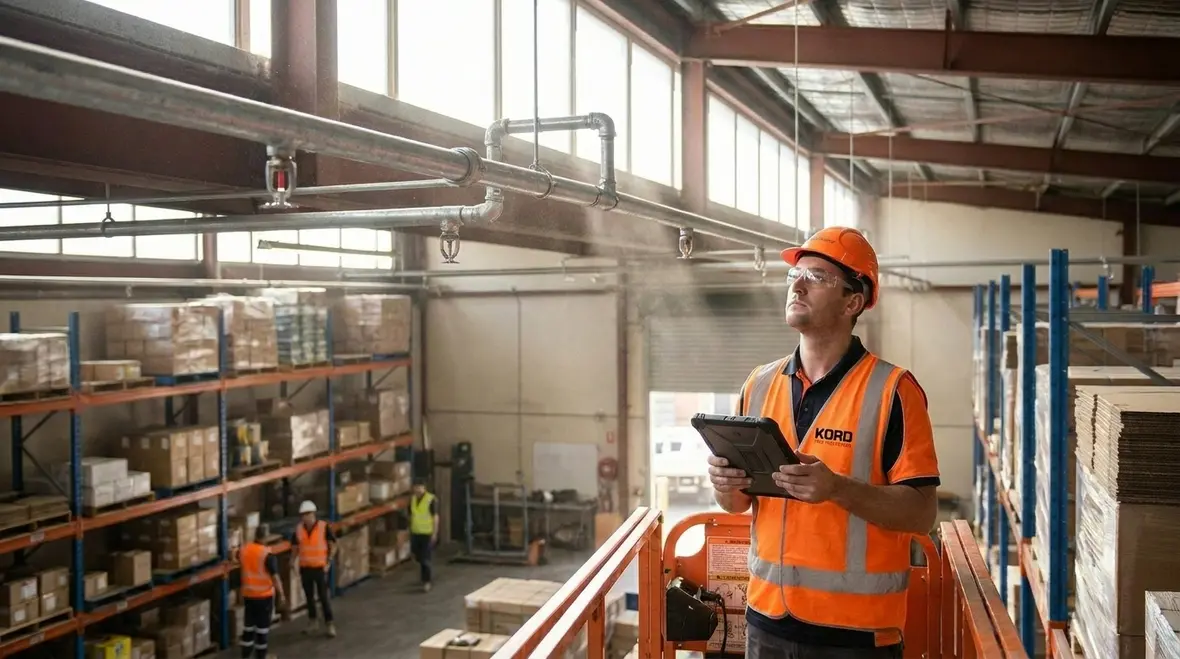
In practice, the regional difference matters because the environment does not negotiate. Hobart typically deals with cooler conditions and specific site constraints like access routes and water infrastructure limits. Darwin, meanwhile, pushes harder on corrosion protection, heat load considerations, and moisture management. Therefore, designers and installers should start by confirming local water authority details, building classification, and the intended use of each space.
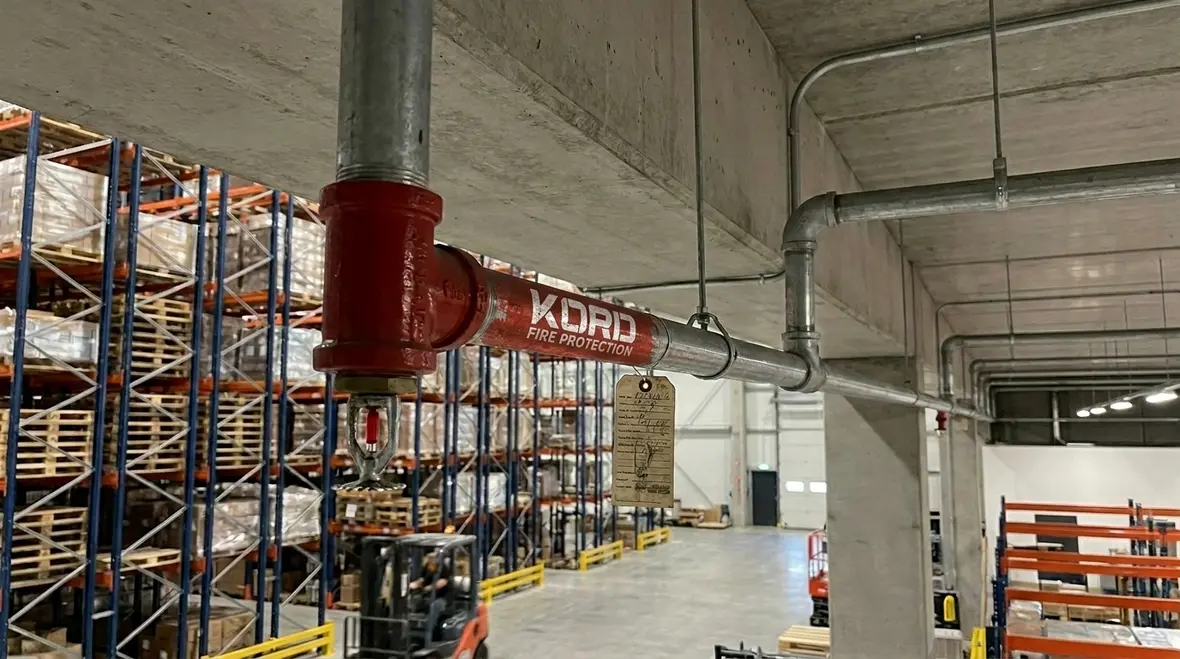
Next, they must align the system with the fire strategy for the building. That means thinking beyond pipework and nozzles. It involves smoke control assumptions, escape routes, and how the building contents behave under heat. If the site uses high-rack storage, bulk retail stock, workshops, or industrial processing equipment, the system must reflect those hazards rather than relying on standard layouts.
And yes, people do sometimes treat compliance like a pop quiz they can cram for later. That is usually when paperwork turns into a nightmare. Doing it properly up front avoids delays that can stretch into weeks.
Why the location changes the design conversation
A Hobart warehouse, an office tenancy in Darwin, and a mixed-use retail site are not solving the same problem even if all three need sprinklers. Ambient conditions, internal hazards, and service access all shift what good planning looks like. A team that treats every property like a template job can miss the small details that later become expensive defects, failed inspections, or rushed upgrades. That is why local context belongs in the first design meeting, not buried in the final paperwork pack.
Design factors that affect performance and approval
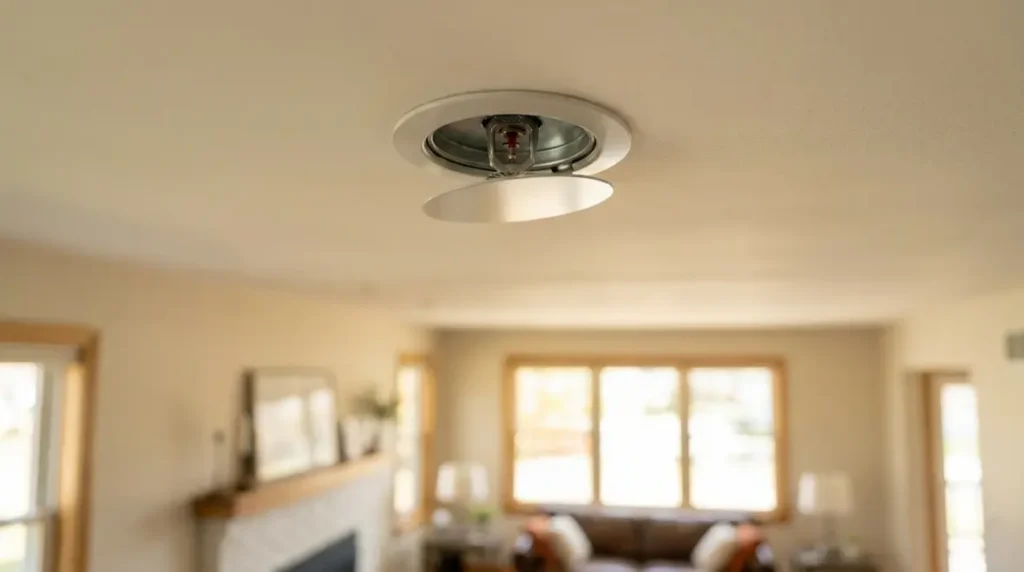
A dependable sprinkler system is not only about meeting a checklist. It is about matching the design to the real risks inside the facility. First, the system type and layout must fit the ceiling geometry, obstructions, and the fire load. Then, the design needs to consider how quickly heat will spread in each zone. After that, hydraulics determines pipe sizes, pressures, and the number and placement of sprinklers.
For industrial and commercial sites, these points often shape the final design:
- Occupancy and hazard classification: Light hazard storage differs from high hazard manufacturing, and retail can vary from boutique spaces to dense stocking areas.
- Compartmentation: Smoke barriers, partitions, and concealed spaces change how heat and smoke travel.
- Water supply reliability: Static pressure, flow rate, and reliability affect the system’s ability to operate when it matters.
- Corrosion and material choice: Coastal or humid environments in Darwin may require additional consideration for long-term durability.
- Future fit out plans: A facility that will expand, reconfigure, or change storage height needs a plan that avoids costly rework.
Because approval processes follow the evidence, documentation matters. Calculations, product data, and compliance records should be prepared early and reviewed before installation starts. Otherwise, the job becomes a game of chasing details after the fact, which is the kind of sport no one wins.
Approval is easier when the evidence is tidy
The technical side gets most of the attention, but approval pathways often slow down because the supporting information is scattered or incomplete. Product data, hydraulic calculations, layout drawings, and records of variations should line up with the actual installation. When they do, review and sign-off tend to move more smoothly. When they do not, everyone starts digging through email chains like amateur archaeologists, and somehow nobody enjoys that adventure.
Installation steps that reduce disruption on busy sites
Once the design is set, the installation needs a practical plan that protects operations. Facilities in retail, industrial, and multi-tenant commercial buildings cannot always shut down during fit-out windows. Therefore, the contractor should coordinate isolation requirements, water shut-off scheduling, and access routes before work begins.
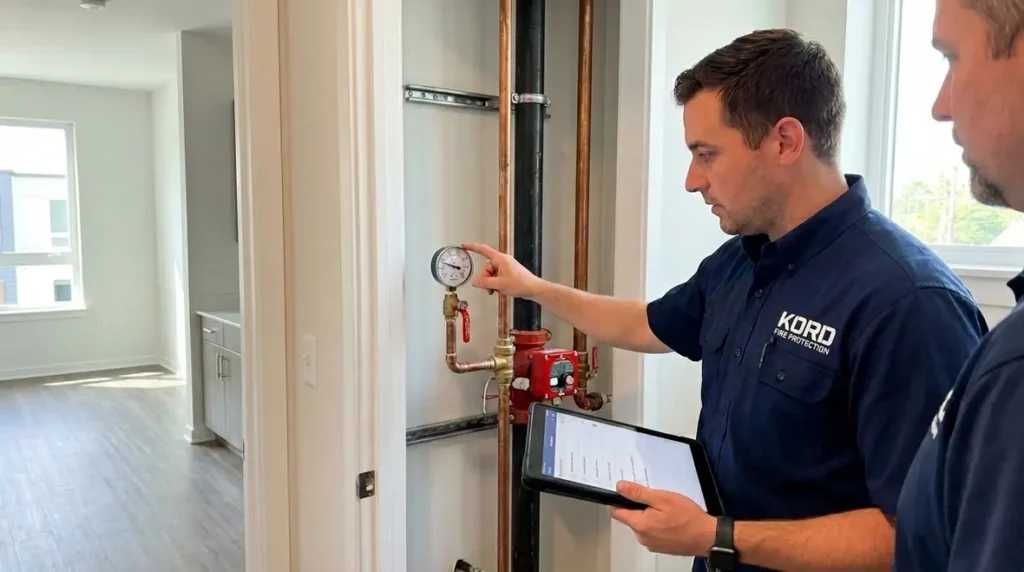
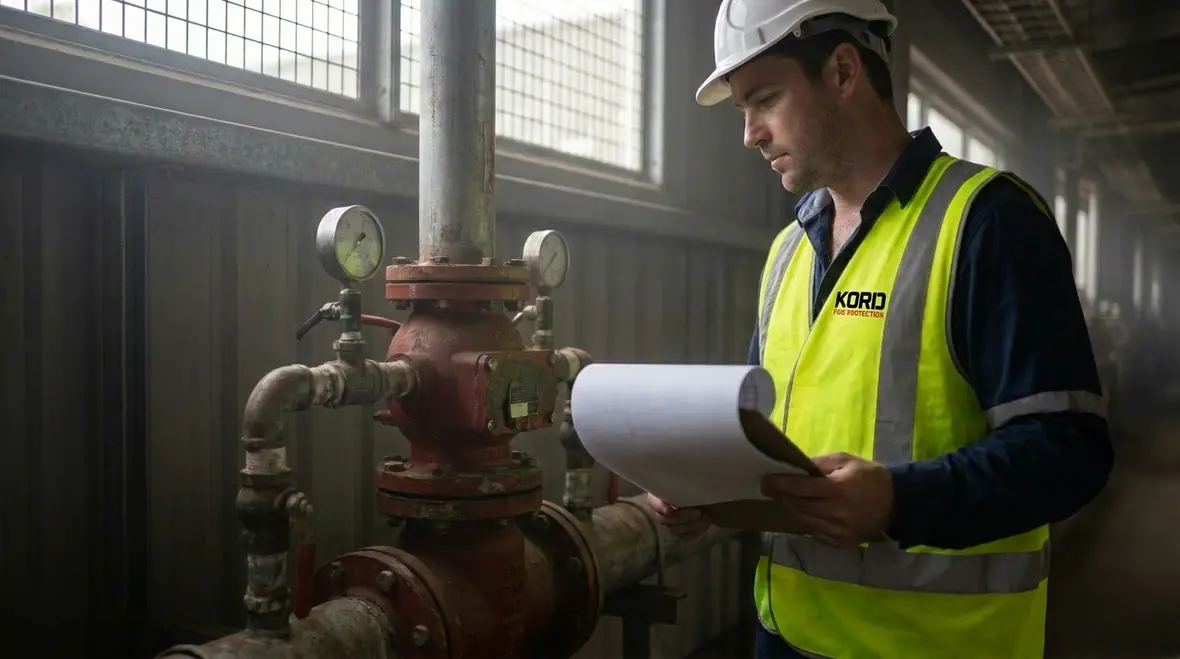
During installation, quality control should happen continuously. That includes verifying pipe runs, checking sprinkler orientation, confirming control valves and gauges, and ensuring all components install to the specified tolerances. Moreover, workmanship affects performance. Misalignment, poor sealing, and incorrect connections can cause delays during commissioning.
Next comes commissioning. Pressure tests, flow tests, and verification of control and alarm interfaces confirm the system operates as designed. Then, the site should receive clear handover documentation so facility teams understand how the system works and how it should be managed.
In short, installation that runs on time usually relies on good staging and clear communication. And if the building managers feel calmer by the end of the job, that is not luck. It is process.
Planning around live operations
Busy sites do not stop being busy just because pipework is arriving. Install teams need staging plans that account for access permits, tenancy coordination, after-hours windows, and areas that cannot be taken offline without consequence. Good sequencing limits disruption, protects revenue, and lowers the odds of emergency last-minute decisions. That calm feeling people notice at the end of a smooth project usually started with a schedule that respected reality from day one.
Ongoing maintenance and compliance across Australia
A sprinkler system is not a set and forget asset. It is a life safety system that needs routine inspections, testing, and prompt rectification of defects. For businesses, planned maintenance also means fewer surprises during audits and less downtime when issues surface.
Maintenance typically includes visual inspections for obstructions, checks on valves and gauges, monitoring of alarms and pump sets where applicable, and reviewing records to ensure service history stays up to date. Additionally, any changes to storage layouts, ceilings, lighting, or racking can alter sprinkler performance and should trigger a review of coverage and clearances.
Because Hobart and Darwin climates differ, the maintenance emphasis can shift. For example, corrosion control, drainage considerations, and humidity-related impacts may require closer attention in Darwin. Meanwhile, Hobart sites still benefit from strict readiness practices, particularly around freezing risks in certain service environments and maintaining clear access for inspectors.
This is also where a strong local partner can help. Kord Fire Protection can align service schedules with site needs, support compliance reporting, and assist with upgrade planning before regulations or risk profiles force rushed decisions.
Dual column: audit readiness for facilities teams
What facilities should track
- Installation certs and as-built drawings
- Commissioning test records and results
- Routine inspection and maintenance logs
- Valve tamper checks and defects history
- Change records for fit outs and storage
What teams should ask for
- Clear service schedules and next due dates
- Plain-language defect reports and actions
- Recommendations for upgrades or additions
- Support during compliance audits
- Emergency response guidance when faults occur
When these items stay organised, audits feel less like a paperwork duel and more like a professional review. And yes, there is a difference.
Choosing Kord Fire Protection as a vital partner
Regional work across Australia demands more than technical knowledge. It also requires coordination, documentation discipline, and the ability to adapt designs to real site constraints. Kord Fire Protection supports industrial, retail, commercial, and facilities across multiple facets of the Australian market. And importantly, they can partner with clients before installation, during commissioning, and throughout maintenance.
They help teams plan upgrades that avoid interruptions, reduce rework, and keep compliance evidence tidy. Therefore, facility managers gain a dependable pathway from design intent to real-world performance. In a process where one missing record can delay acceptance, having a partner who handles details with care can save time, money, and stress.
A partner that helps before, during, and after the install
The most useful fire protection partners are not just there for the obvious project milestone. They help shape scope early, keep commissioning on track, and continue supporting maintenance and upgrades after handover. That continuity matters because buildings change, tenants change, storage changes, and risk never really sits still. When support is consistent, compliance becomes easier to manage and a lot less dramatic.
FAQ
Conclusion
Fire safety planning in Hobart and Darwin needs clear design choices, careful installation, and disciplined maintenance. When businesses treat fire sprinkler systems Hobart and Northern Territory requirements as a real risk management project, they protect people and assets while staying audit ready. For clients managing industrial, retail, and commercial facilities, Kord Fire Protection helps coordinate the work, document the evidence, and keep systems performing over time. Reach out to discuss your site and next steps.