Fire Sprinkler Systems Perth Installation and Servicing
Quick Answer: Fire sprinkler systems in Perth protect people, property, and operations by detecting heat and delivering water fast enough to control a fire. Proper installation, correct pipe sizing, and routine servicing matter. Kord Fire Protection can plan, install, test, and maintain compliant systems across industrial and commercial sites so uptime stays high and risk stays lower.
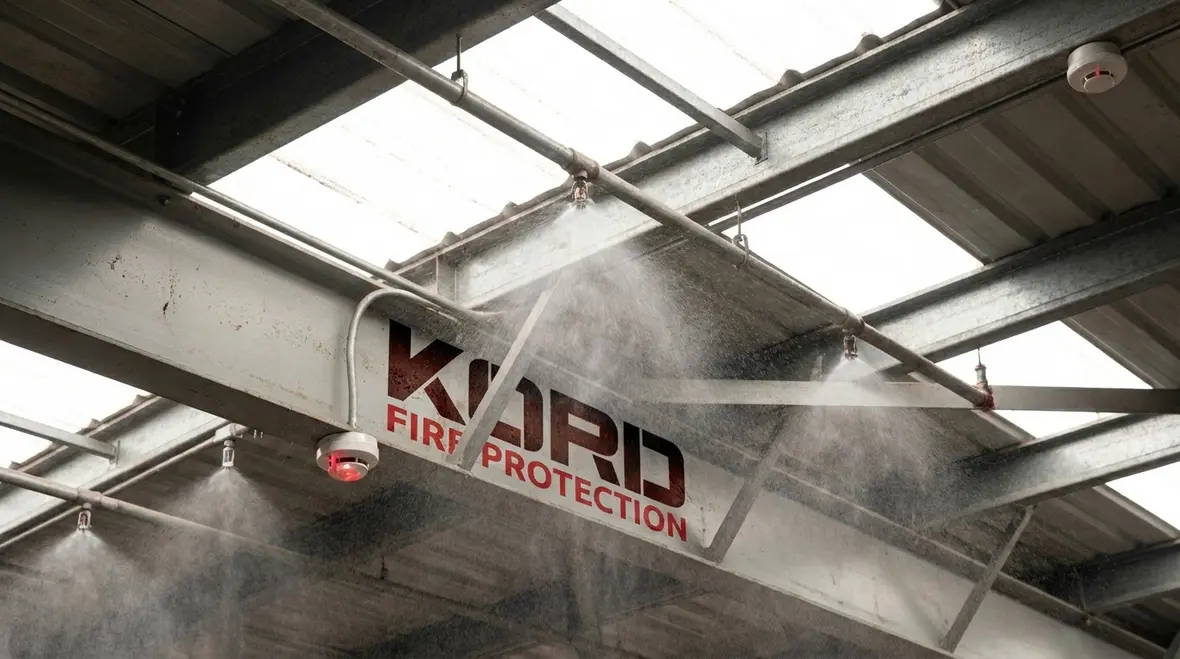
Fire does not ask permission, and it rarely waits for a “good time.” That is why fire sprinkler systems Perth teams focus on fast design, careful installation, and steady servicing schedules. In workplaces across Australia, from warehouse lines to retail fit outs and busy facilities, these systems act like quiet guardians. They sit in the background until something goes wrong, then they work on command. And unlike a celebrity apology tour, they do not take weeks to start. They respond immediately, when temperature rises and sprinklers activate near the heat source.
For sites also reviewing wider water-based fire protection needs, Kord Fire Protection provides Australian fire sprinkler services that fit naturally alongside installation, testing, and long-term maintenance planning.
Why sprinkler systems matter in Perth commercial environments
Fire sprinkler systems protect more than walls and ceilings. They help reduce fire growth, limit spread, and buy time for occupants and firefighters. For industrial and commercial sites, that usually translates into less downtime and fewer cascading losses. However, the benefit only holds when the system matches the building’s hazards and real-world layout.
For example, a process area with heat, vapors, or stored combustibles needs a design that considers water demand, spacing, and protection areas. Meanwhile, retail and office-adjacent zones often need a plan that supports ceiling types, obstructions, and quick access for inspections. Consequently, the “same system for everyone” approach fails in the real world.
When Kord Fire Protection becomes involved early, it helps teams avoid common surprises like inadequate coverage, mismatched sprinkler types, or documentation gaps that slow approval. In other words, they turn a stressful compliance task into a controlled project, the way a good manager handles meetings: with structure, calm, and a clear end date.
Planning an installation that actually fits the site
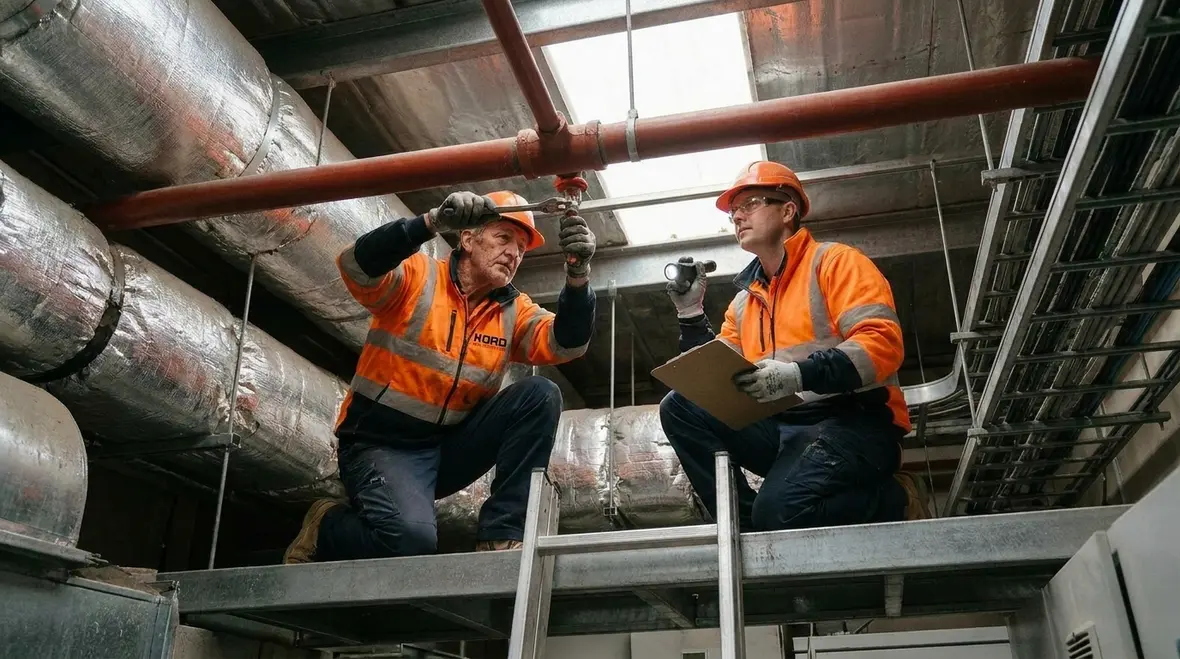
Installation starts long before pipes go anywhere. First, the contractor reviews site plans, ceiling heights, room use, and any special hazards. Then they confirm water supply capacity, hydrant connections where applicable, and the route paths for piping so the system stays serviceable.
Next, designers select sprinkler types and spacing based on hazard level. They also account for obstruction rules, so sprinklers receive the right discharge pattern. In addition, they verify alarm integration requirements, pump operation needs, and any interface with fire detection systems.
At this stage, the project can also benefit from practical sequencing. For example, completing pipe routing around structural beams early can prevent ceiling rework later. Therefore, crews can install, test, and close up without creating new delays. Kord Fire Protection supports this planning mindset, because strong installation design reduces the chance that future servicing becomes a scavenger hunt with labels written in disappearing ink.
What good planning usually covers
- Hazard identification for each area, not just the overall building.
- Water supply checks that confirm the system can actually deliver what the design expects.
- Coordination with ceilings, lights, cable trays, HVAC, and structural steel.
- Access planning for valves, test points, and future maintenance activity.
- Documentation that stays readable, traceable, and useful after handover.
Step by step installation process
A proper install follows a methodical sequence. And yes, it can feel slow to people who want instant results, but fire safety does not run on “vibes.” It runs on correct installation.
- Site survey and verification: Crews confirm measurements, ceiling conditions, and existing services.
- Material selection: They use approved components, including sprinklers, valves, gauges, pipework, and supports.
- Pipe installation and supports: Teams fix pipe supports correctly so alignment and spacing remain within specs.
- System integration: They connect alarms, pumps, and control panels based on the design.
- Pressure and flow testing: They verify hydraulics and ensure the system performs under expected conditions.
- Obstruction and coverage checks: They confirm sprinklers are positioned so discharge is not blocked.
- Commissioning: Teams validate alarms, water supply performance, and readiness for operation.
- Documentation handover: They provide records so future compliance and servicing stay clean.
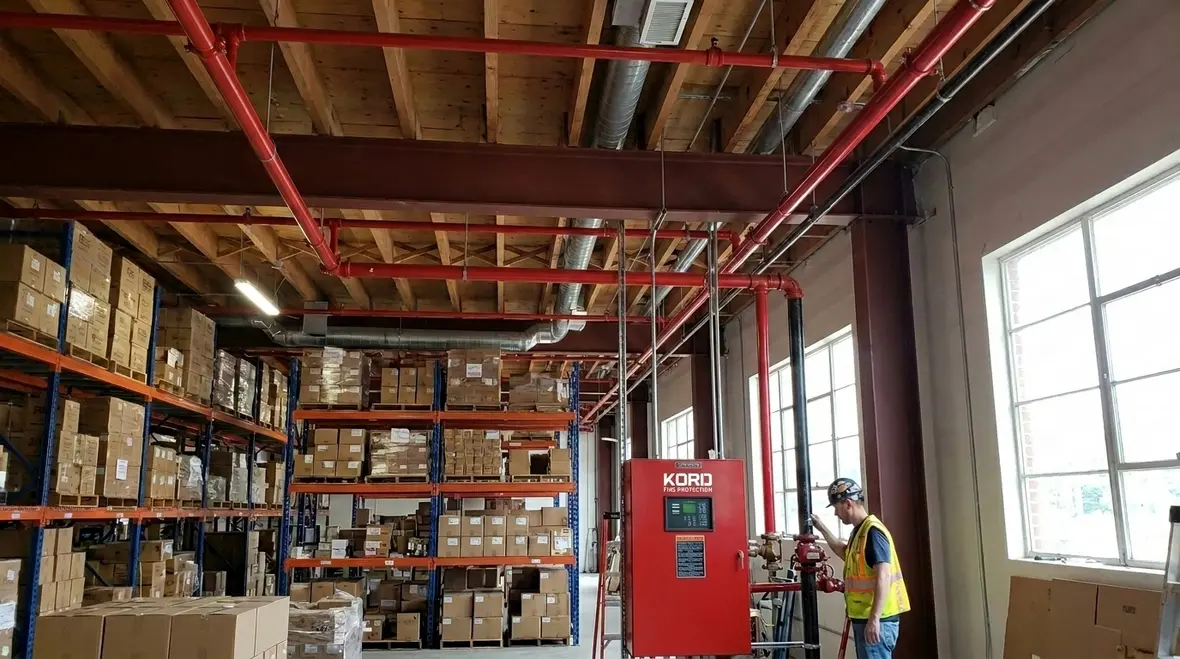
In commercial and industrial buildings across Australia, these steps matter because systems often sit near complex services like HVAC ducts, sprinkler soffits, cable trays, and structural upgrades. As a result, even small routing decisions affect performance and access for future maintenance.
When Kord Fire Protection handles the job, they treat installation as a long-term asset. That means they think ahead about where isolations sit, how components can be tested later, and how documentation will support ongoing compliance.
Why commissioning is not the boring final checkbox
Commissioning is where assumptions meet reality. If alarms, pumps, valves, interfaces, and flow paths are not tested properly, the system may look impressive on paper while behaving like a confused intern during an emergency. Good commissioning confirms performance before the building depends on it.
Servicing schedules and what technicians should check
Once installed, fire sprinkler systems Perth still need attention. Heat and time do not negotiate. Corrosion, leaks, mechanical wear, and blocked flow paths can creep in. Regular servicing helps prevent “silent failures” that look fine until a real event occurs.
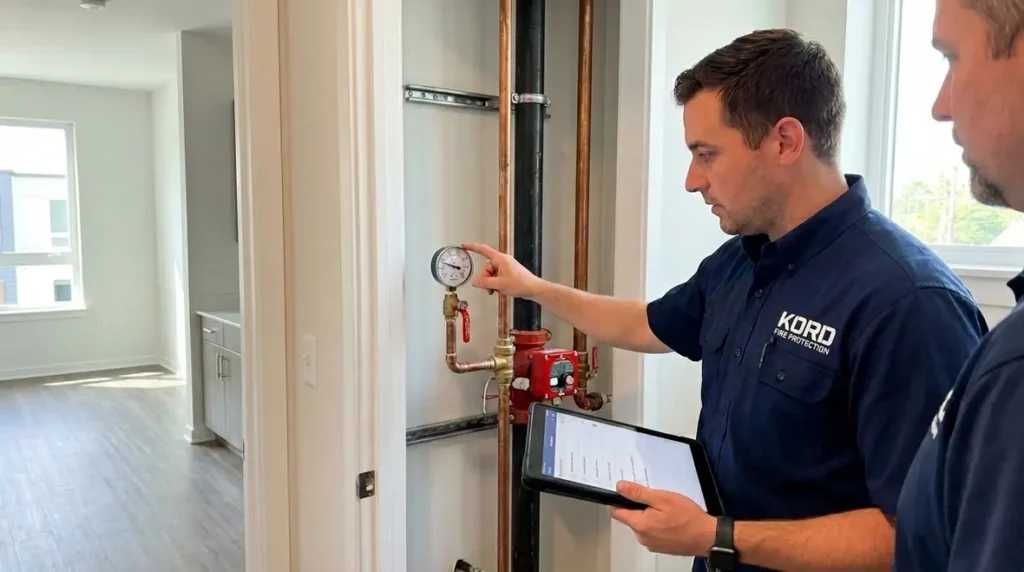
Typical servicing includes inspection, testing, and maintenance of key components. Technicians check system condition, verify alarms and pump operation, and inspect sprinkler heads for damage, painting, or obstructions. They also confirm control valve positions and test water flow pathways.
For facilities with ongoing trades, a strong servicing plan reduces interruptions. Instead of waiting for a problem to appear, teams schedule checks around operational cycles. Therefore, production and retail operations keep moving.
Kord Fire Protection can support this with consistent records, clear recommendations, and practical fixes. In many sites, that turns servicing from an annual scramble into an organized routine. And if someone tells the team “we will do it later,” Kord Fire Protection quietly reminds them that later is where paperwork goes to multiply.
What technicians usually review during service visits
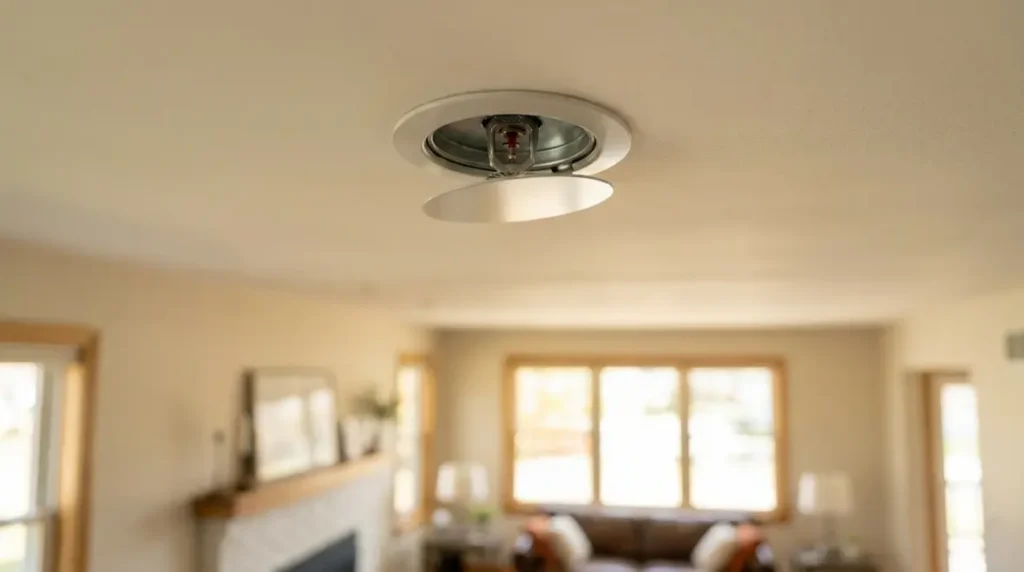
- Condition of sprinkler heads and whether anything blocks discharge.
- Valve positions, signage, and access around controls.
- Evidence of leaks, corrosion, accidental damage, or unsupported pipework.
- Alarm interfaces, pumps, gauges, and test arrangements.
- Records that show what changed, what passed, and what needs attention next.
Common compliance and performance issues to avoid
Even good systems can underperform if they suffer from preventable issues. One common problem is poor water supply understanding. If the system design does not match the real flow capacity, performance can drop when it matters most.
Another issue is incorrect sprinkler placement due to ceiling changes, additional services, or fit out upgrades. Meanwhile, valve tampering, blocked access, and missing labels create maintenance delays and increase risk during testing.
Also, some sites overlook documentation updates after renovations. When records stay outdated, future inspections become slower and less accurate. Consequently, compliance reviews cost more time and money than they should.
Kord Fire Protection helps teams stay ahead by improving project handover quality and supporting ongoing servicing that keeps details current. That matters across industrial, retail, and facilities work where tenant changes and refurbishments happen often.
Choosing a partner for sprinkler work across Australia
Facilities teams do not need a contractor that only installs and disappears. They need a partner who understands the full cycle: planning, installation, commissioning, then servicing and documentation. That is where Kord Fire Protection becomes valuable. They bring structured processes, calm project management, and the practical know-how that keeps systems aligned with how buildings actually operate.
In multiple facets across Australia, Kord Fire Protection supports teams that manage risk while protecting uptime. They help coordinate service access, maintain records, and reduce delays during inspections. Most importantly, they help the system stay ready when the environment changes.
And if fire safety planning feels like a never-ending form, that is because it involves many moving parts. With the right partner, those parts stop moving in circles and start moving in the direction of compliance.
FAQ
Conclusion
Fire sprinkler systems protect what matters most, and they only deliver real safety when installation and servicing stay accurate over time. Kord Fire Protection helps industrial, retail, and facility teams plan correctly, install cleanly, and maintain readiness without disrupting operations. If a project is starting soon or a servicing date is approaching, they can step in as a steady partner. Contact Kord Fire Protection to schedule an assessment and keep risk under control.