Fire Sprinkler Maintenance Brisbane With Kord Protection
Quick Answer: Facility teams in Brisbane should treat fire sprinkler systems like lifesaving equipment, not a “set and forget” feature. Regular inspection, testing, and prompt repair keep coverage reliable, reduce downtime, and support compliance. Partnering with Kord Fire Protection helps coordinate inspections, documentation, and real-world site needs.
In industrial and commercial spaces, fire sprinkler maintenance Brisbane is the kind of work that quietly holds everything together. It does not make headlines, but when sprinklers fail, the building does not care about excuses. Early detection of pressure issues, valve problems, corrosion, and blocked heads can prevent costly downtime and stressful emergency response.
And yes, even if the sprinkler line looks fine from the outside, systems can degrade in ways that only proper testing reveals. Think of it like a superhero costume: it may look intact until the moment it needs to work. Facility managers should build maintenance into the rhythm of operations, then trust the process.
That is also why early planning helps. When maintenance is scheduled instead of improvised, site teams spend less time chasing paperwork, fewer mornings reacting to defects, and far more time keeping operations steady. If you are reviewing your wider fire strategy, Kord Fire Protection’s Australian fire sprinkler services page gives a practical overview of how system support fits into industrial and commercial environments.
Why maintenance matters in real facilities
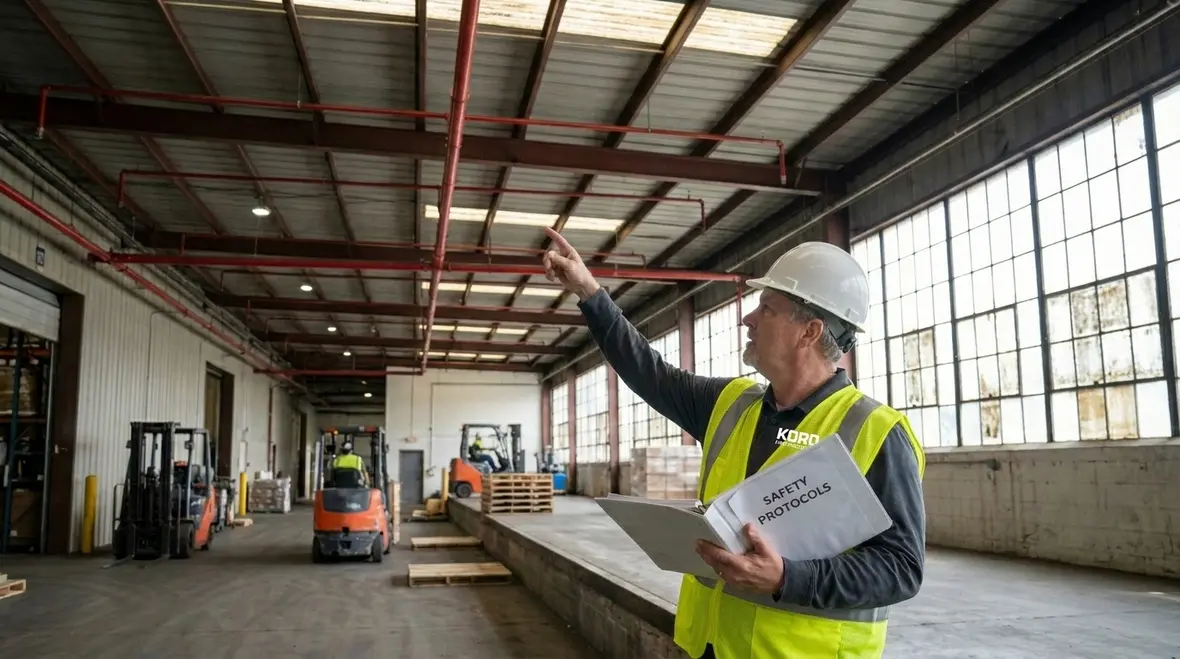
Facility teams across Australia often run multiple priorities at once, which is exactly why sprinkler maintenance must stay structured and documented. Sprinkler systems rely on water supply performance, unobstructed discharge areas, and correct system pressure. If any one of those slips, the rest of the system can underperform during a real incident.
Regular maintenance supports these outcomes:
- Reliability: It confirms that the system can deliver the right water flow at the right time.
- Compliance: It helps demonstrate that the site follows required inspection and test expectations.
- Risk reduction: It lowers the chance of hidden defects and overlooked damage after changes to the site.
- Operational stability: It reduces emergency callouts that disrupt retail fit outs, warehouse operations, and plant schedules.
Moreover, maintenance does not only mean checking heads. It also includes the less glamorous parts: valves, gauges, water supplies, alarm interfaces, and the supporting pipework environment. If the building constantly shifts due to upgrades, storage changes, or new partitions, the sprinkler system needs to keep up. Otherwise, it is like updating your software but ignoring the security settings. Convenient, until it is not.
Maintenance is easier when it becomes routine
The smartest facilities do not leave sprinkler checks floating in someone’s memory. They anchor them to operating rhythms, contractor visits, shutdown windows, and reporting cycles. Once that happens, maintenance stops feeling like an interruption and starts acting like part of the building’s normal immune system. Not glamorous, no. Useful, absolutely.
What facility teams should schedule and track
A strong maintenance plan uses clear schedules and a living paper trail. First, the team should set a routine for inspections and testing that matches the site risk profile and the system type. Then, it should assign responsibility for record keeping so that documentation never turns into a scavenger hunt.
Typically, teams track these areas:
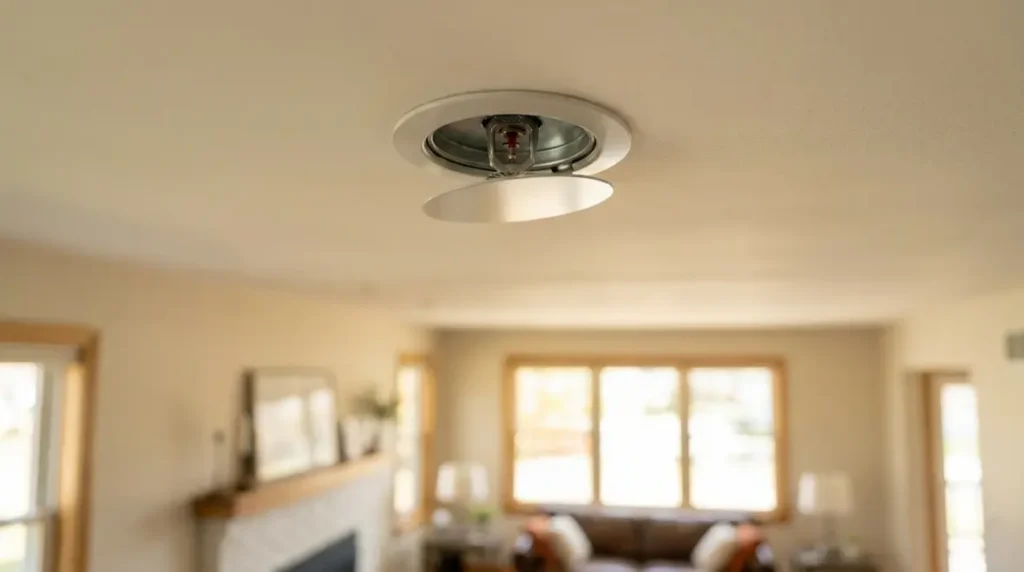
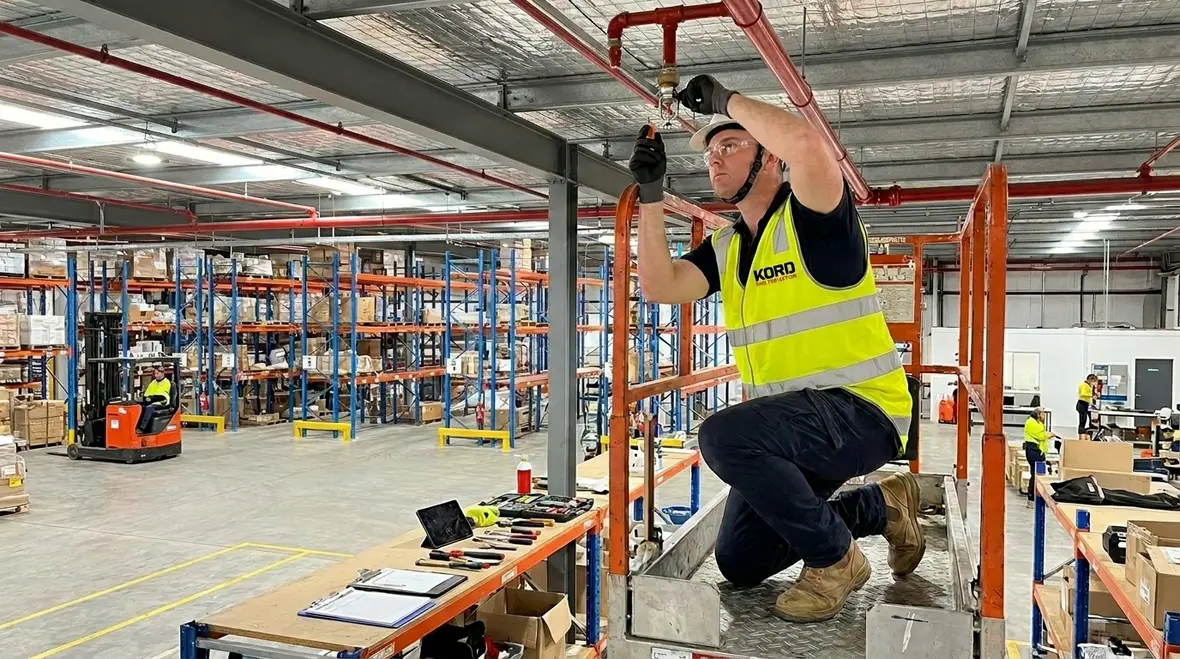
- Visual inspections: Confirm sprinkler heads remain upright, unobstructed, and undamaged. Look for paint overspray, impact damage, and contamination.
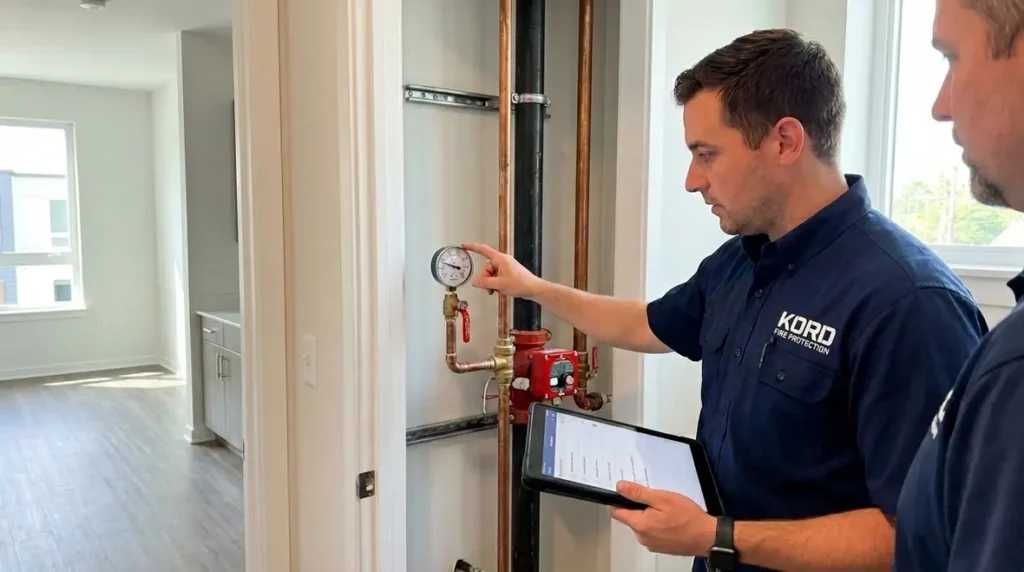
- Valve and control testing: Verify that isolation valves, alarm valves, and associated switches function correctly.
- Water supply checks: Ensure pumps, tanks, and mains supply performance stays within expected limits.
- Alarm and flow monitoring verification: Confirm reporting and actuation interfaces behave as designed.
- System condition after works: After fit outs, rack installs, or ceiling changes, recheck spacing, coverage, and clearances.
Next, the maintenance team should set up a “change trigger” process. Whenever a facility alters storage heights, adds plant, reroutes services, or changes ceiling voids, it should trigger a sprinkler system review. In many workplaces, these changes happen daily, and sprinklers are not immune to new cable trays and “temporary” storage that becomes permanent. Facility teams should capture those moments before they become problems.
Documentation should be useful, not decorative
A maintenance log only helps if people can actually use it. Reports should be easy to retrieve, defect actions should be clear, and retesting should not be hidden in six unrelated folders named Final Final Updated. When auditors, managers, or insurers need answers, well-kept records save time and lower stress fast.
How to spot warning signs before they become emergencies
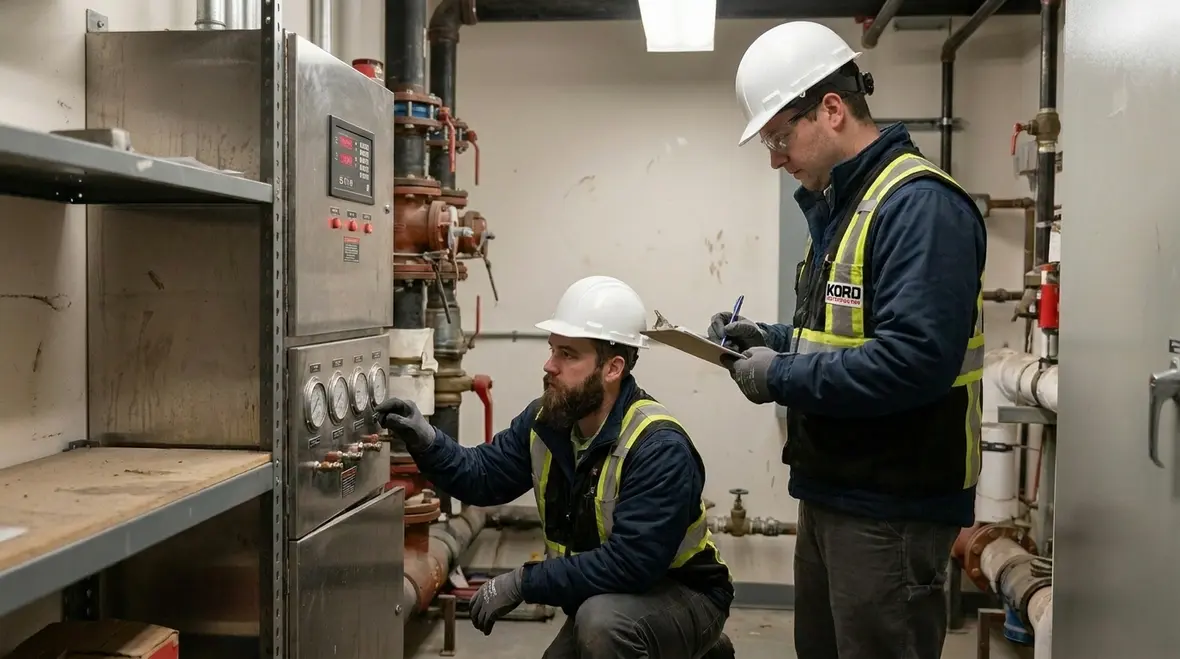
Even without fancy equipment, teams can notice indicators that signal a sprinkler system needs attention. However, the best results come when they combine good site observations with professional testing. That way, they catch both obvious issues and hidden defects.
Common warning signs include:
- Frequent water pressure fluctuations: Changes can affect flow rates during discharge.
- Discoloration or corrosion: Pipework, supports, or nearby areas may show early deterioration.
- Sprinkler head damage: Dents, cracks, bent deflectors, or missing caps need immediate action.
- Frequent false alarms: These can point to valve sensitivity, water flow issues, or incorrect interface behaviour.
- Obstruction after upgrades: New signage, racking, partitions, or insulation can block discharge patterns.
Then there are the “quiet culprits.” If the building has undergone renovations, new trades often install services around sprinkler lines without full awareness of coverage requirements. Additionally, environments with dust, humidity, or chemical exposure may accelerate corrosion. In those cases, visual checks alone do not tell the full story. Testing and condition review still matter, even if the heads look fine, because corrosion rarely announces itself politely.
Some issues also hide in plain sight. A deflector bent by stock movement, a valve left in the wrong position after works, or an innocent looking sign placed directly where water needs to discharge can all chip away at performance. Nothing here sounds dramatic until the day the system is asked to earn its keep.
Keeping compliance strong across industrial and retail sites
Industries and retail operations often move at different speeds, yet both rely on dependable fire protection. Warehouses handle heavy loads, loading docks, and changing storage layouts. Retail sites face frequent fit outs, ceiling changes, and tenant-driven modifications. In both cases, the sprinkler system must maintain protection coverage while the site evolves.
Facility teams can strengthen compliance by building maintenance into their broader safety management. They should:
- Align documentation: Keep inspection reports, test records, and defect logs in a consistent format.
- Coordinate with contractors: Ensure fit out teams understand sprinkler constraints before they start drilling.
- Use a clear fault process: Define timelines for repair, retesting, and sign off after defects are found.
- Plan downtime wisely: Schedule work around business hours to reduce disruption to trading and production.
Next, an often overlooked point: compliance is not only about passing inspections. It is also about demonstrating control. When a facility can show that it monitors, tests, and acts, it reduces uncertainty during audits and incident reviews.
Site changes are where good intentions go to get tested
Industrial and retail sites rarely sit still. Shelving rises, tenancies shift, cable trays multiply, and someone always seems to have a brilliant idea involving a new partition wall. Every one of those changes can affect sprinkler performance, so maintenance planning needs to move at the same pace as the building. Otherwise, yesterday’s compliant layout becomes today’s awkward surprise.
Why Kord Fire Protection can support facility teams
Maintenance works best when it is coordinated, practical, and tailored to the site. This is where Kord Fire Protection becomes a vital partner for organisations seeking fire sprinkler maintenance Brisbane. Our approach supports facility teams with job-ready planning, clear communication, and a focus on real operational needs across industrial, retail, and commercial environments.
Our team helps by:
- Providing structured inspections and testing that support ongoing system reliability.
- Managing documentation so records do not become a last minute scramble.
- Identifying defects early to reduce downtime and emergency repair costs.
- Responding to site changes after works so protection coverage stays aligned.
In other words, Kord Fire Protection does not treat sprinkler systems like paperwork. We treat them like life safety equipment. And while no one wants another vendor visit, facility teams usually find the process calmer and more predictable once a professional partner takes the lead. Because if the system has to work, it should not rely on luck, hope, or “someone probably checked that last year.”
That practical support matters most on busy sites where maintenance has to fit around deliveries, staff movement, tenant expectations, and production schedules. A good partner helps the work happen without turning the day into chaos, which is honestly a service people appreciate more than they say out loud.
FAQ on sprinkler maintenance for facilities
Next steps for Brisbane facilities that take safety seriously
Fire protection should not become a seasonal hobby. Facility teams that plan inspections, track documentation, and act on defects early keep operations safer and downtime lower. If your site has ongoing works, changing layouts, or multiple tenancies, now is the time to lock in a maintenance approach. Contact Kord Fire Protection to build a dependable sprinkler maintenance plan for your assets. You will gain clarity, compliance support, and peace of mind.