Fire Sprinkler Testing Adelaide for Property Managers Compliance
Quick Answer: Property managers in Adelaide should schedule fire sprinkler testing to confirm systems activate, detect failures early, and meet compliance expectations. Proper testing also reduces downtime and protects assets across industrial, retail, and commercial sites. A qualified provider documents results and supports rapid repairs when needed.
Fire safety should not feel like a surprise party you never agreed to attend. Yet without fire sprinkler testing Adelaide, many buildings run on hope, paperwork, and the occasional “it seemed fine last time” theory. For property managers, the goal is simple: verify that the system works, prove it on paper, and keep occupants and assets protected across industrial, retail, and commercial facilities throughout Australia. This guide walks through what property managers should plan, how they should coordinate testing, and where strong partners like Kord Fire Protection bring real value. For broader system support across portfolios, property managers can also review Australian fire sprinkler services to understand how testing, maintenance, and repairs fit together.
What property managers must know before testing
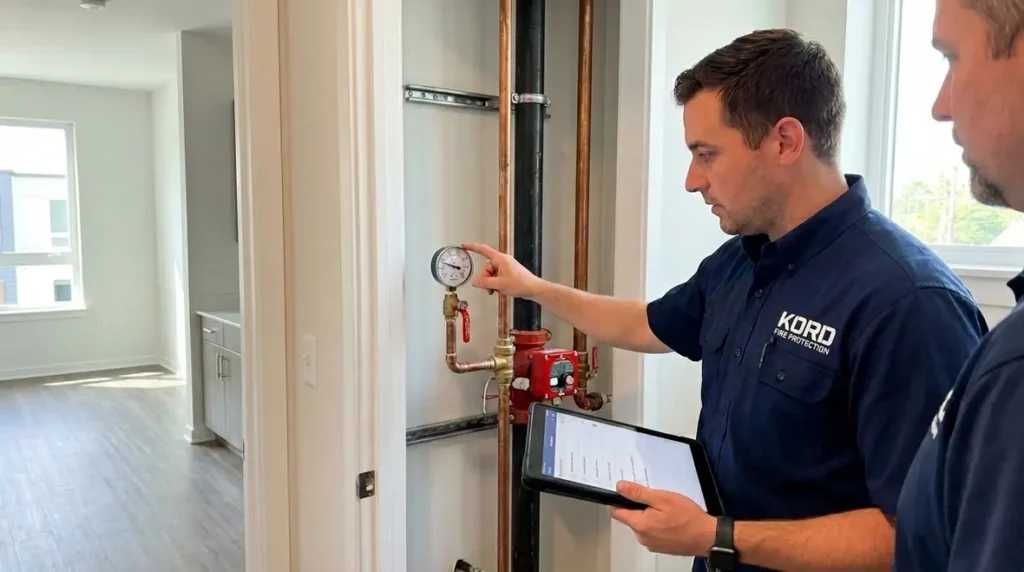
Testing a sprinkler system is not just a technical exercise. It is a business task that affects operations, access, and risk. First, the manager should confirm the exact type of system on site, such as wet, dry, pre action, or foam capability, then match the testing scope to that system. Next, they should review prior inspection reports to identify recurring issues, like valve tampering, pressure fluctuations, or unreliable water supply data.
Because fire systems work on schedules and standards, the testing plan needs clarity. The manager should ask for documented procedures, safety controls, and a timeline that supports tenant activities. After all, nobody wants testing day to collide with a high value inventory delivery. And yes, delays happen, but they should not happen unplanned.
Start with system history, access, and recurring faults
A well prepared test starts long before a technician touches a valve. Property managers should gather building drawings, previous inspection notes, impairment records, and any correspondence related to unresolved defects. This background helps the testing team focus on weak points instead of walking in cold and hoping the site tells its own story. Hope is not a testing strategy. It is more like an expired sticky note pretending to be a maintenance plan.
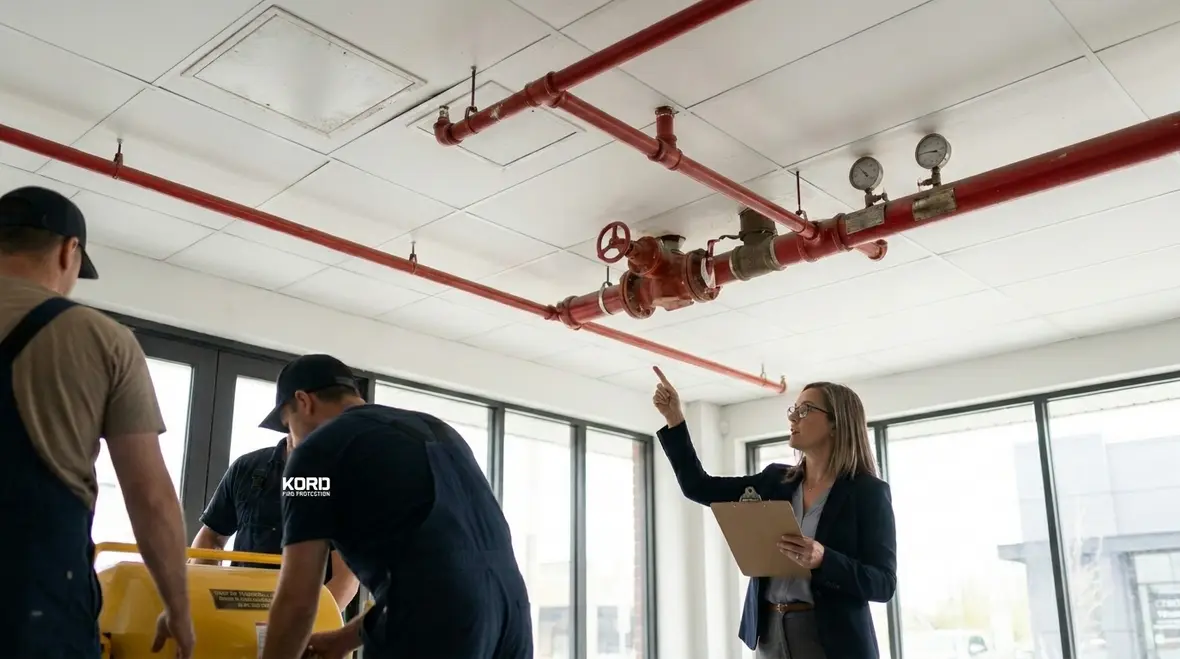
Access planning matters just as much. Plant rooms, riser cupboards, roof spaces, storage aisles, and alarm interfaces all need to be reachable on the day. If testing requires escorts, permits, after hours access, or tenant notification, that coordination should happen early. The smoother the access, the smoother the verification process, and the less likely the site ends up improvising under pressure.
How testing supports compliance and risk control
Sprinkler systems protect property by controlling fire growth, and testing proves that the system can do its job. When testing is performed correctly, property managers can reduce downtime risk, avoid costly failures, and demonstrate due diligence. In practice, testing helps identify problems early, including weak alarm interfaces, blocked sprinkler lines, incorrect pressure readings, or issues with supervisory signals.
Furthermore, compliance depends on more than “did it pass.” Property managers must ensure documentation is complete and traceable. That includes system details, results, observations, and corrective actions. Then the manager stores records so they are ready for audits, insurance reviews, or regulatory checks. If a manager treats documentation like a spare tire, they will be grateful the day it matters.
Good records are part of the protection strategy
The paper trail does real work. Accurate reports help managers show that the system was tested, what conditions were observed, and which actions were taken afterward. This is useful not only for compliance conversations, but also for budgeting, contractor management, and insurance dialogue. A report that clearly links a defect to a risk level makes faster decisions possible, which is exactly what a busy property team needs.
Scope of work: what gets tested and why it matters
Different buildings require different approaches, but testing usually covers key performance points. Here is what property managers should expect as part of a strong process.
- Flow and pressure assessment to confirm the system meets the required water supply performance.
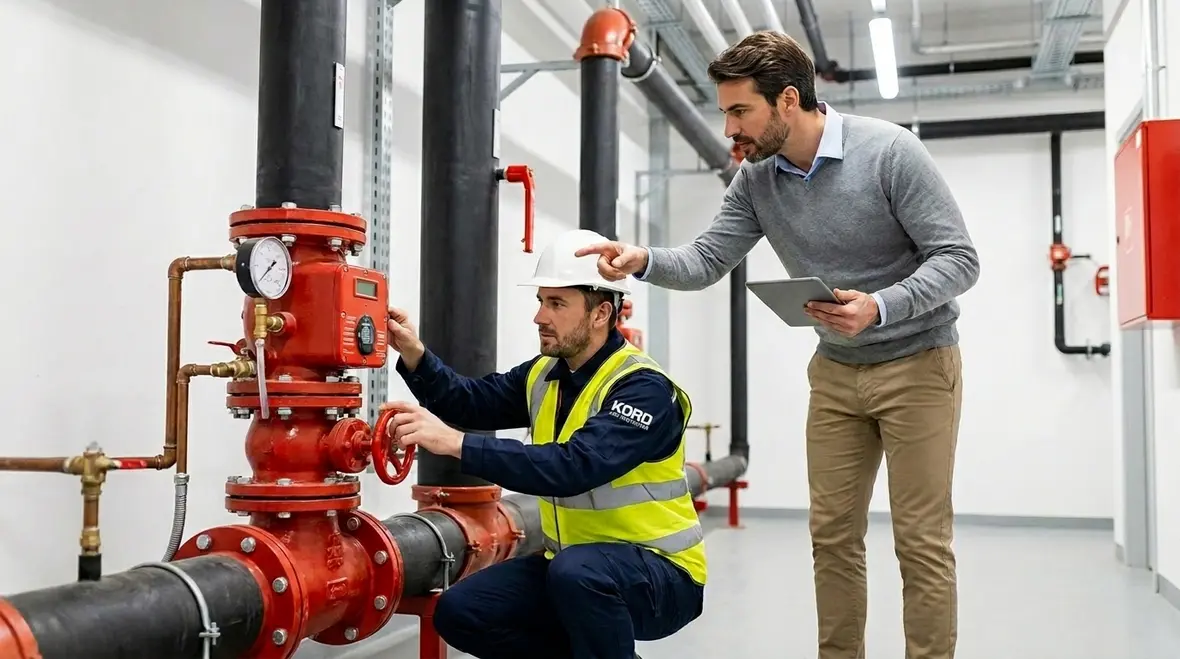
- Valve and control inspection to verify supervisory conditions, correct positions, and reliable operation.
- Alarm interface checks to ensure signals reach the right panels and monitoring pathways.
- Drain and test connections verification to confirm access paths work safely during testing.
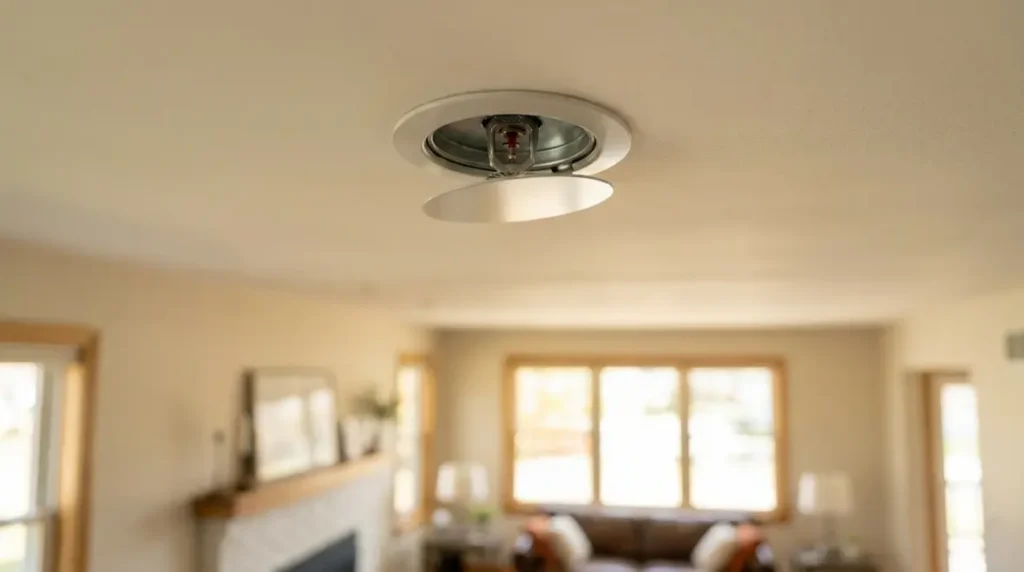
- Visual inspections of sprinklers and pipework to detect damage, corrosion, obstruction, or improper alterations.
- Hydraulic and operational confirmation where needed, based on the site layout and system design.
However, the real value comes from the “why” behind each task. For example, pressure that looks acceptable during one window may still fail under a real discharge scenario. And valves can appear fine, until their behavior under test reveals sluggish operation. So the testing plan should include realistic checks that reflect how the system will respond in an emergency.
Why each testing point matters to operations
Each checkpoint tells property managers something practical. Flow testing helps verify whether the system can deliver enough water where it counts. Valve inspections reduce the risk of hidden impairments. Alarm interface checks support timely notification and response. Visual inspections catch corrosion, impact damage, blocked heads, or unauthorised changes that quietly undermine system performance. None of this is glamorous, but neither is discovering a problem during an actual fire event.
For larger sites, the scope may also need to reflect tenancy changes, warehouse racking updates, plant modifications, or added hazard areas. Buildings evolve. Fire protection needs to keep up. A strong provider tests the installed system that exists today, not the one everybody remembers from an old drawing set in a folder marked “final final use this one.”
Scheduling, safety, and coordination for busy sites
Industrial and retail facilities do not pause operations just because the fire system wants attention. Therefore, property managers should plan testing with tight coordination. They should schedule around production shifts, store trading hours, and delivery windows. Then they should define access routes for technicians and confirm permits for any work that affects fire egress, high risk areas, or critical plant zones.
Next, they should communicate with tenants and site stakeholders early. Clear notices reduce confusion, protect customer experience, and help staff understand why certain areas may need temporary controls. Meanwhile, a professional provider will apply safety measures, manage water discharge responsibly, and follow controlled procedures so operations keep moving.
As a pop culture reference, this is the difference between a planned heist and a “quick grab” that ruins the whole movie. One is coordinated. The other is chaos with a red face. Testing belongs in the first category.
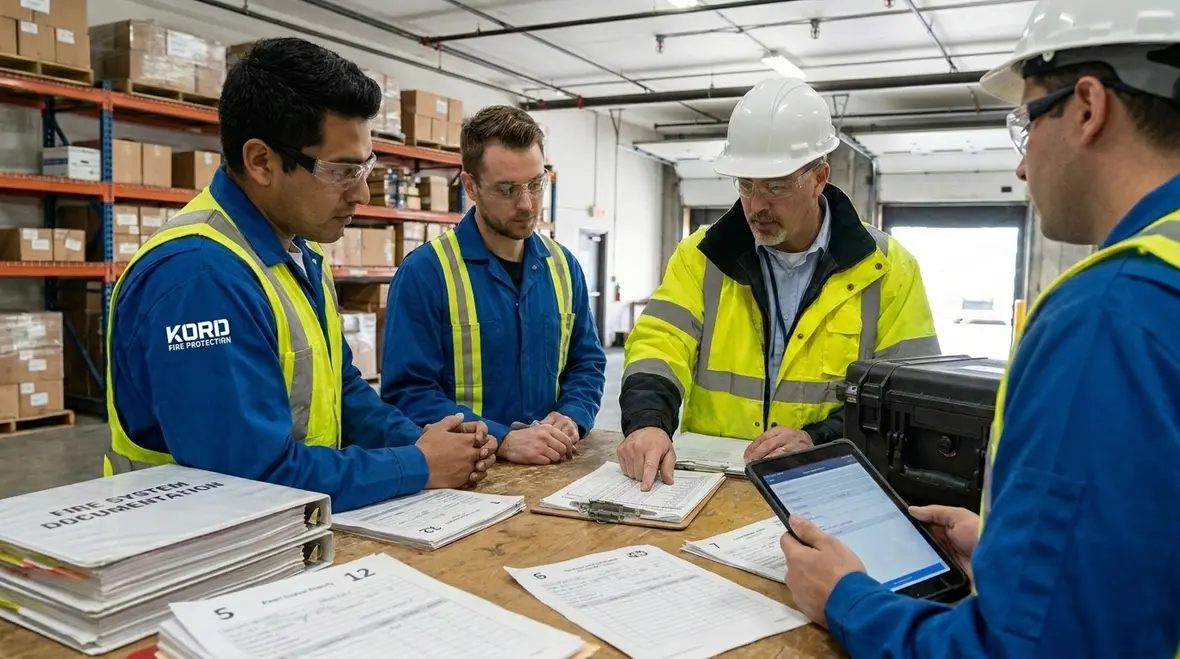
Communication keeps disruption short and controlled
Testing rarely causes problems when people know what is happening, when it is happening, and what temporary conditions apply during the work. A short notice to tenants, site teams, and security can prevent confusion, false assumptions, and unnecessary interruptions. It also helps customer facing businesses keep service levels steady instead of fielding avoidable questions all morning.
For complex assets, managers may also coordinate with maintenance contractors, monitoring providers, building engineers, and operations leaders on the same day. That way if an issue appears, the right people are already engaged and decisions happen faster. This is one of those small planning steps that pays off far more than it costs.
Reporting, rectification, and keeping assets protected
After testing, the property manager should not just receive a vague result. They should receive a clear report that outlines what was tested, what was observed, and what needs rectification. Strong reporting links findings to operational risk and provides recommended next steps, including timelines for repairs and retesting where required.
Then the manager should maintain an action tracker so issues do not drift into the long grass. Common rectification items can include valve adjustments, repairs to alarm interfaces, correcting compromised pipework, or removing obstructions. Once rectifications complete, the site should re verify relevant components so the system returns to full reliability.
In addition, property managers should use the testing history to guide future budgets. Instead of reacting to failures, they can plan for worn components and address patterns before they escalate. Over time, this approach improves system performance and reduces unplanned downtime across multi site portfolios.
Turn test findings into an ongoing asset plan
One of the smartest things a property manager can do is treat sprinkler testing results as trend data, not isolated paperwork. If the same issue keeps returning, that points to a broader maintenance need, a design concern, or an operational habit that needs correction. Over time, these patterns inform better spending decisions and reduce the surprise factor that nobody enjoys when budgets are already tight.
Why Kord Fire Protection can support long term reliability
Property managers often juggle contracts, tenants, compliance deadlines, and asset protection. That is where a steady partner makes a measurable difference. Kord Fire Protection can become a vital partner by coordinating testing, producing clear documentation, and supporting rectification planning across facilities that need consistent outcomes. For organisations managing industrial, retail, and commercial spaces, reliability matters as much as speed, because fire systems do not perform “maybe.”
Moreover, Kord Fire Protection helps property managers approach testing like a managed service rather than a once a year scramble. They can align work with site access realities, provide practical reporting for decision makers, and support continuous improvements based on test findings. In other words, they help owners and managers run a fire safety program that feels calm, not chaotic.
That matters because consistency is often the hardest part of compliance across multiple properties. One site has perfect records but poor coordination. Another has good contractors but unclear follow up. Another has tenants who treat access notices like optional fan mail. A provider that brings structure, communication, and technical clarity across the portfolio helps reduce those gaps and make the whole process easier to manage.
FAQ
When property managers take fire sprinkler testing Adelaide seriously, they do more than satisfy a requirement. They protect people, protect business continuity, and reduce the likelihood of expensive surprises during an incident. For facilities across Australia, the best outcomes come from clear schedules, thorough testing, precise reporting, and prompt rectification. If your portfolio needs dependable support, contact Kord Fire Protection to plan your next testing cycle with confidence. Let us keep your systems ready, and your teams calmer than a late night rerun.