Fire Sprinkler Testing in Australia by Kord Fire Protection
Quick Answer: In Australia, fire sprinkler testing checks that sprinklers, pipework, alarms, pumps, water supplies, and controls work exactly as required. Technicians verify flow, pressure, coverage, and documentation so the system performs in an actual fire, not just in a spreadsheet. Kord Fire Protection helps facilities stay compliant and ready.
Fire sprinkler testing matters in Australia because it turns “we have sprinklers” into “they will work when it counts.” At Kord Fire Protection, our fire sprinkler testing service helps industrial, retail, and commercial facilities across Australia confirm that installed systems remain functional, inspected, and fit for purpose. And yes, it is a bit like checking a seatbelt before a long drive, except the consequences are a lot less forgiving.
For facilities also reviewing broader suppression readiness, Australian fire sprinkler services can provide useful context around how testing fits into long term system performance, maintenance planning, and compliance confidence across different building types.
Below, third person guidance breaks down what gets checked, what usually triggers maintenance work, and why choosing the right partner makes a measurable difference to safety, downtime, and compliance outcomes.
What Kord Fire Protection checks first during onsite inspections
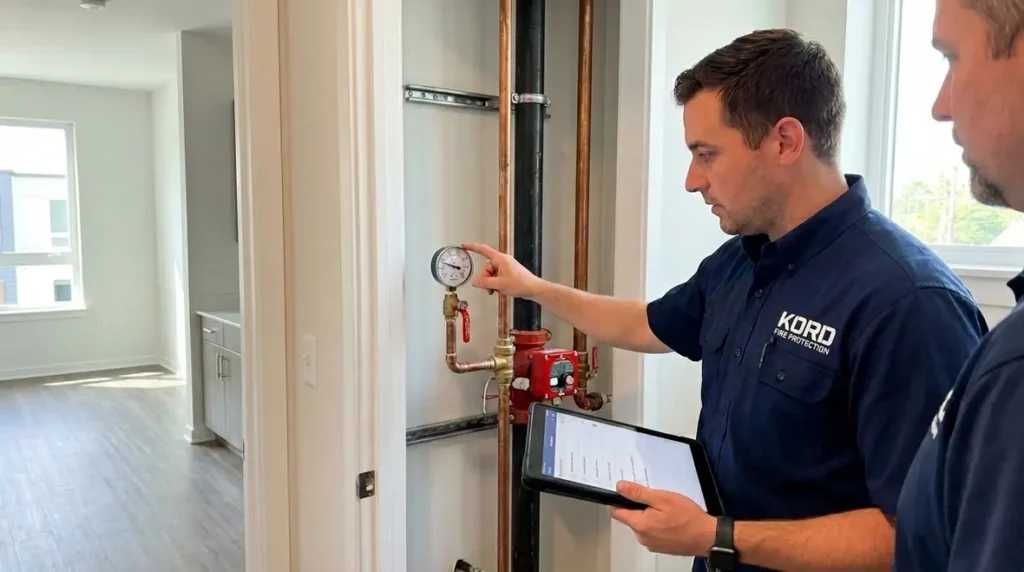
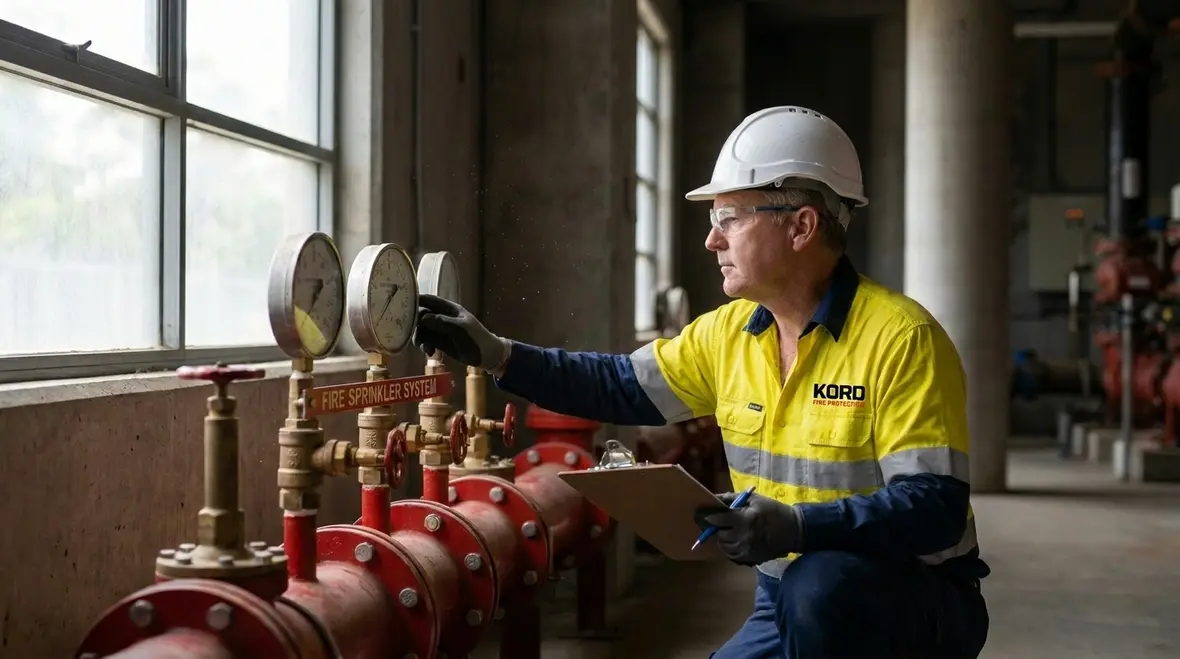
Before any water ever moves, the testing process starts with understanding the system as it exists today. Therefore, technicians review site documentation, previous test records, and the as built layout. They then inspect the installation for visible issues such as damaged heads, blocked pipe sections, corrosion, incorrect modifications, or signs of tampering. In addition, they confirm that the system zones and control valves still match the current building configuration.
Next, they verify the water supply and system components at the heart of performance. For example, pumps, pressure switches, mains isolation valves, and backflow prevention devices must operate within required ranges. This matters because even one lazy component can delay or weaken the delivery of water during an emergency.
Finally, the technician prepares the test plan around the facility’s operational needs. In many commercial environments, they schedule checks to reduce disruption. After all, nobody wants “fire testing” to become “unexpected production downtime.”
Why early inspection steps matter before performance testing begins
This first stage does more than tick boxes. It makes sure the later performance checks actually mean something. If drawings are outdated, a valve has quietly been left in the wrong position, or a section of pipework has been modified without proper review, then even a technically successful test can hide a practical problem. Good technicians catch those issues first so the rest of the process is grounded in reality, not assumptions.
System integrity checks that prove the pipework and valves will respond
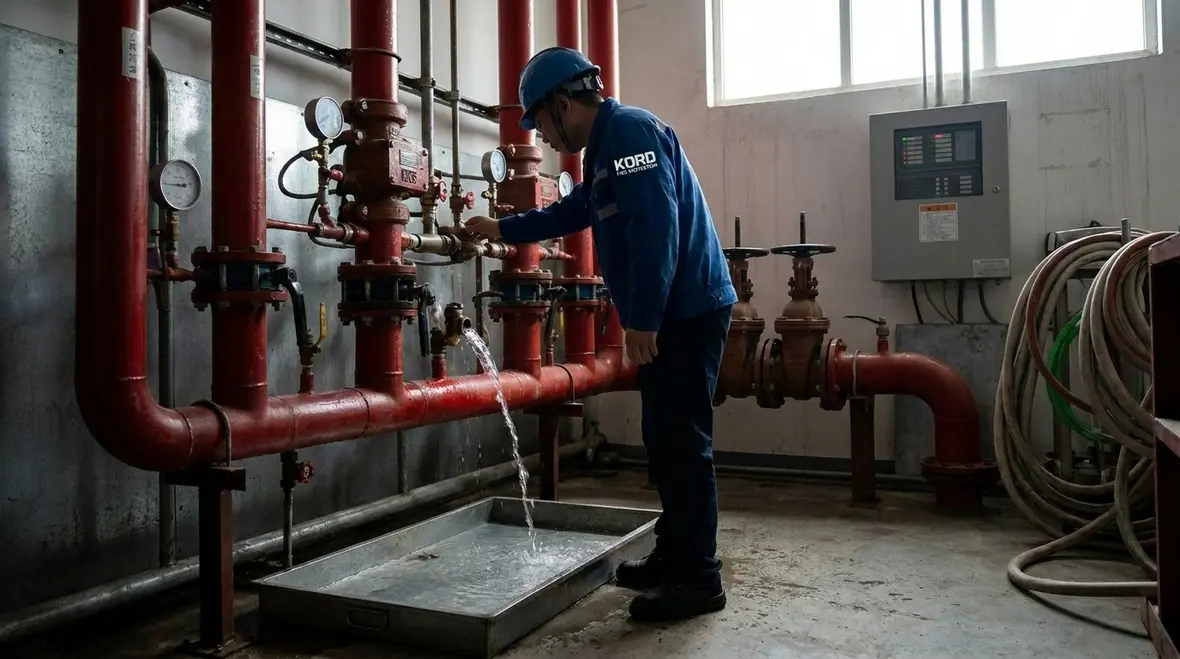
Fire sprinkler testing does not just look for leaks; it confirms that the system can deliver water as designed. Technicians inspect pipe supports, joints, and any risk of obstruction. They also check that valves move freely and seal properly, because valves that stick can cause failure at the worst time.
Typically, checks include
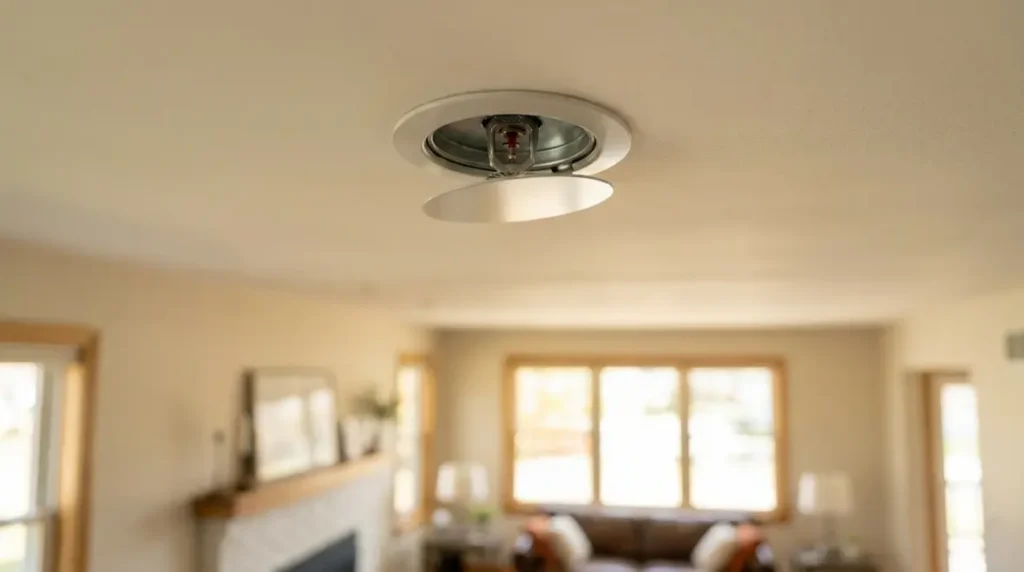
- Condition checks of sprinkler heads and caps to ensure no physical damage or blockage
- Verification of the correct position and condition of control valves
- Inspection of pipework for corrosion, impact damage, or improper alterations
- Assessment of drain points and alarms related to water flow detection
Where systems have multiple zones, testing also confirms that each zone responds correctly to actuation signals. This is important in large facilities where one part of the system can fail while others still appear “fine.”
Common faults that testing often uncovers
A surprising number of sprinkler issues are not dramatic. They are small, annoying, and absolutely capable of becoming big problems later. Corroded fittings, painted over heads, obstructed coverage areas, partially closed valves, and undocumented layout changes are all examples. None of them look particularly cinematic on inspection day, but each one can affect how the system performs when fire, heat, and time are all working against the building.
Flow and pressure verification for sprinkler performance under demand
Once the system integrity passes the basics, the testing shifts to performance. Technicians verify flow and pressure characteristics because sprinkler systems rely on predictable water delivery. Moreover, they compare results to design requirements and manufacturer limits.
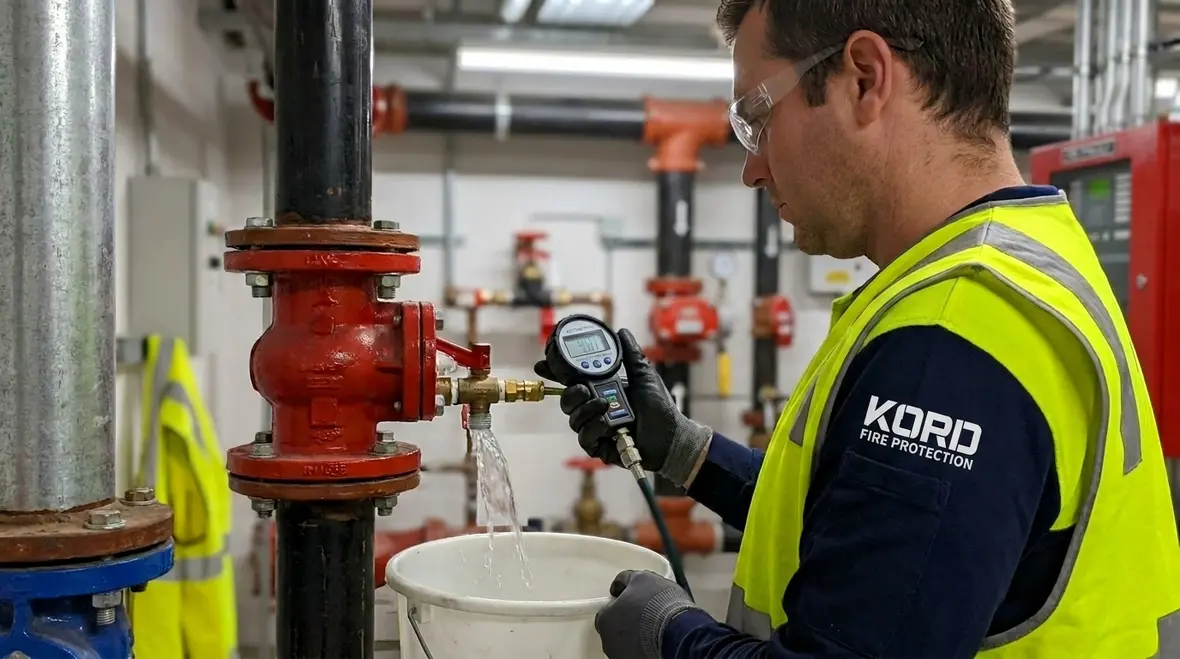
During testing, a controlled method ensures water delivery characteristics are measured without turning the site into a water feature. Therefore, operators monitor gauges, observe pressure stability, and confirm that water reaches the correct points.
Where pressure reduction or pump performance affects delivery, technicians evaluate pump starts, pump speed control, and the ability to maintain pressure. In addition, they validate alarm operation tied to system flow so the facility receives the right signal at the right time.
In straightforward terms, this stage answers a simple business question: will the system perform at the moment it needs to, or will it behave like an expensive gadget in a drawer?
How flow data helps facilities plan maintenance properly
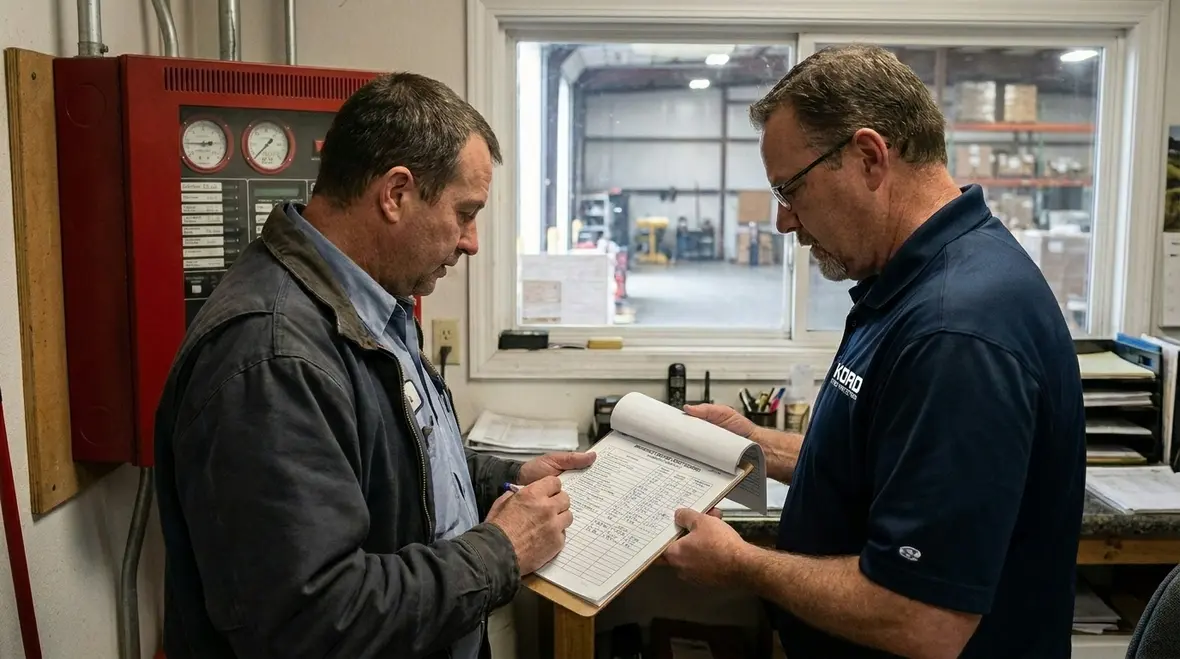
Numbers on a test sheet are only useful if someone can interpret what they mean. Stable pressure, expected flow, and reliable pump response can confirm the system is doing its job. On the other hand, inconsistent readings can point to wear, blockages, supply issues, or control problems that deserve action before they turn into downtime or compliance headaches. This is why good testing is not just measurement. It is interpretation with consequences.
Alarm, pump, and control interface testing for reliable emergency action
Sprinklers do not work alone. They interface with alarms, control panels, and pump systems that trigger emergency responses. As a result, fire sprinkler testing includes verifying how signals travel through the system.
Technicians commonly test
- Pump start and stop logic to confirm it matches the control system design
- Pressure switch operation and alarm activation timing
- Flow switch signals and interface to the monitored fire panel
- Control valve supervisory signaling, so staff see faults early
For facilities with remote monitoring or multiple security layers, the testing also checks that supervisory and fault signals reach the right reporting path. This helps prevent the classic problem of an alarm that fires, but only nobody notices. Transition matters here: early fault visibility allows planned maintenance instead of rushed repairs.
Why interfaces matter just as much as sprinkler hardware
A sprinkler system can have sound pipework and adequate water supply, yet still underperform as an emergency response system if the control interfaces fail. Delayed pump starts, missing panel signals, or supervisory faults that never reach the right people all reduce confidence when seconds matter. Testing those links helps confirm the system responds as one coordinated setup rather than a collection of separate parts hoping for the best.

Documentation, compliance, and reporting that facilities actually use
After testing, the job does not end when the equipment stops running. It continues through reporting. Therefore, technicians compile results, record measured values, note observed defects, and document the status of each part of the system.
In Australia, facilities need clear records that support compliance and maintenance planning. Good reporting typically includes
- Test outcomes for each sprinkler zone and system component tested
- Measured pressures, flow indicators, and verification notes
- Details of any non conformances or required remedial work
- Recommendations for maintenance intervals and follow up tasks
Additionally, Kord Fire Protection supports facilities by translating technical findings into actionable next steps. That means the report helps operations managers understand risk, rather than just collecting numbers that read like a foreign language. In other words, the documentation should guide decisions, not collect dust.
How businesses can reduce disruption while meeting testing cycles
Industrial and commercial sites often run on tight schedules. Consequently, the testing approach should respect production, retail trading hours, or tenant access requirements. Skilled providers plan the work so testing happens with minimal impact.
Kord Fire Protection typically coordinates
- Testing windows aligned to site operations and building access rules
- Isolation procedures that maintain safety while work occurs
- Clear communication to stakeholders before, during, and after testing
- Follow up scheduling for repairs so issues do not drag on
When companies treat testing as a planned activity instead of an emergency, the facility keeps control. Therefore, downtime reduces, stakeholder confusion reduces, and the system stays in a better state between testing events.
FAQ about sprinkler system verification in Australia
Ready to stay audit ready with Kord Fire Protection
Fire sprinkler testing keeps systems reliable, and it protects people, assets, and operational continuity. If a facility wants fewer surprises and clearer compliance outcomes, it needs a partner that delivers thorough checks and practical reporting. Kord Fire Protection works with industrial, retail, and commercial sites across Australia to test, document, and plan next steps with confidence. Book an onsite assessment today and keep your system ready for real emergencies, not just the next deadline.