Fire Sprinkler Maintenance for Commercial Safety in Australia
Quick Answer: Fire sprinkler maintenance keeps commercial buildings ready to protect people, property, and operations. It includes inspections, cleaning where needed, testing key components, and keeping records for compliance. When done well, it reduces false activations and helps sprinklers perform as designed during a real fire. Kord Fire Protection supports this work across Australia.
For broader system planning, teams often pair maintenance with Australian fire sprinkler services to keep installation, inspection, and ongoing performance working together instead of drifting into separate silos.
Why fire sprinkler maintenance matters for commercial safety
Commercial sites cannot afford a “we will check it someday” mindset. That is exactly why fire sprinkler maintenance belongs on every facilities manager’s calendar, not just after an incident. When systems sit idle, dust, corrosion, vibration, and minor building changes can quietly chip away at reliability. And yes, pipes do pick up grime, even if nobody can see it. In Australia, where weather swings and busy industrial workflows are common, proactive upkeep helps sprinklers respond when they must.
Our company, Kord Fire Protection, helps industrial, retail, and facilities teams keep protection systems dependable. We partner with you to plan visits, document findings, and address issues before they turn into expensive downtime or stressful compliance conversations. The goal stays simple: keep the system ready, keep your people safe, and keep your operations moving.

What a proper inspection cycle includes
A strong maintenance program does not treat the sprinkler system like a one-time job. Instead, it follows a steady cycle that matches how the building actually operates. Typically, teams check water supply readiness, sprinkler condition, valve supervision, and system integrity. They also review records to confirm past work stayed aligned with the site’s configuration.
Key checks that keep the system ready
Here is what a thorough cycle often covers, and why each part matters:
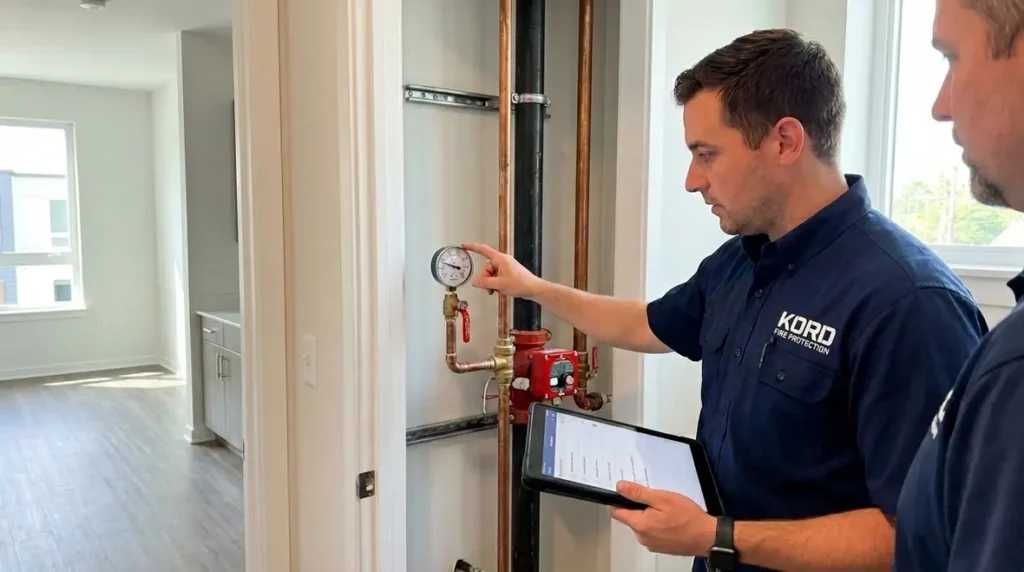
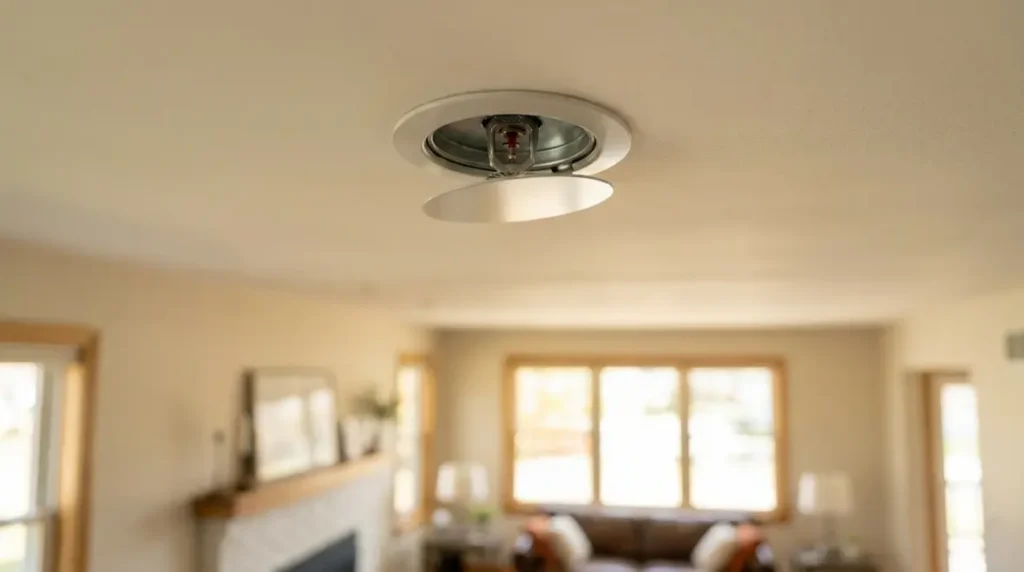
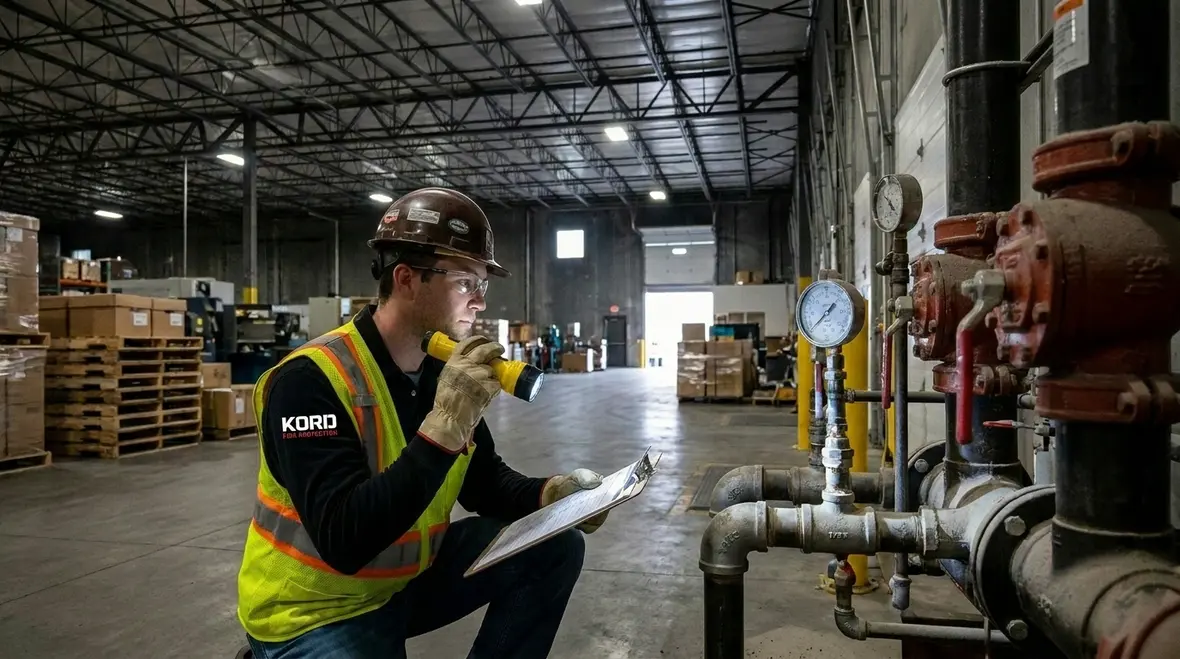
- Visual checks of sprinklers and pipework so staff can spot paint damage, physical obstruction, leaks, and signs of corrosion early.
- Inspection of valves and gauges to confirm the system stays in the correct state for fire response.
- Verification of water supply since pumps, tanks, and mains performance must meet demand during an emergency.
- Assessment of alarms and monitoring so the building responds quickly, not slowly with “maybe later” energy.
- Record review and change tracking to ensure any renovations or new racks did not create hidden risks.
Because commercial spaces evolve, maintenance must adapt too. Therefore, Kord Fire Protection builds service plans that respect loading docks, production schedules, retail foot traffic, and the layout changes that happen faster than paperwork. That practical rhythm matters because a maintenance plan only works if it can survive the chaos of a normal week. The best programs are not theoretical masterpieces sitting in a folder somewhere. They are workable, repeatable, and tied to how the site actually functions day after day.
How recurring issues show up before problems become expensive
Most sprinkler system failures do not arrive with fireworks. They sneak in through patterns. So, instead of waiting for obvious damage, teams look for early indicators during fire sprinkler maintenance visits and ongoing compliance checks.
Common warning signs worth catching early
Common trouble signals include:
- Frequent alarms that later prove unrelated to fire. This can point to supervision faults, valve issues, or sensor sensitivity.
- Recurring pressure drops during routine checks. Over time, small leaks or supply constraints can reduce performance.
- Corrosion at joints that worsens after humidity swings. Even mild corrosion can restrict flow in critical moments.
- Physical obstructions from racking changes, stored goods, or temporary partitions.
- Sprinkler appearance issues such as paint overspray. This matters because sprinklers must activate properly under the right heat conditions.
And here is the part that makes facilities teams sigh: once a building has frequent changes, the system can drift out of alignment without anyone noticing. However, with a disciplined approach, teams can keep the system consistent with current operations. Kord Fire Protection supports this by coordinating inspections with site realities and making sure documentation matches the true condition of the system.
This is also where small findings become valuable instead of annoying. A minor pressure irregularity today may be the clue that prevents a major repair later. A blocked head above new shelving may seem harmless until somebody remembers that fires rarely wait for a convenient moment. Good maintenance is not dramatic. It is observant, methodical, and just a little suspicious of anything that suddenly looks “probably fine.”
Maintenance in industrial, retail, and facilities environments
Different buildings behave differently. That means fire sprinkler maintenance cannot look the same everywhere. Industrial sites often deal with vibration, chemical storage concerns, and ceiling obstructions from equipment. Retail spaces face ceiling modifications, signage installation, and ongoing fit-outs that move walls and services around. Meanwhile, facilities with mixed tenants can experience changes that complicate access and scheduling.
Planning for real site conditions
To handle these realities, Kord Fire Protection considers practical factors during planning, including:
- Access and staging to limit disruption to production lines or customer areas.
- Risk-based inspection priorities focusing first on areas more likely to collect obstruction or moisture.
- Coordination with contractors so sprinkler and ceiling work stays compatible with fit-outs.
- Targeted fault finding so troubleshooting does not drag on and idle operations do not stretch.
In other words, the service becomes less about checking boxes and more about protecting the site you actually run. And if someone tells you “it passed last year, so it is fine,” that person is about as reliable as a vending machine that only works when you are patient. Kord Fire Protection helps you keep the system dependable through consistent follow-through.
That flexibility matters across Australia because no two commercial sites share the exact same workflow, occupancy pattern, or access headache. A warehouse on a tight dispatch schedule has different constraints from a shopping centre mid-refit or a multi-tenant facility juggling contractors, deliveries, and tenancy changes all at once. Maintenance needs to fit around those pressures while still keeping the system visible, testable, and ready to respond.
Compliance, documentation, and audit readiness across Australia
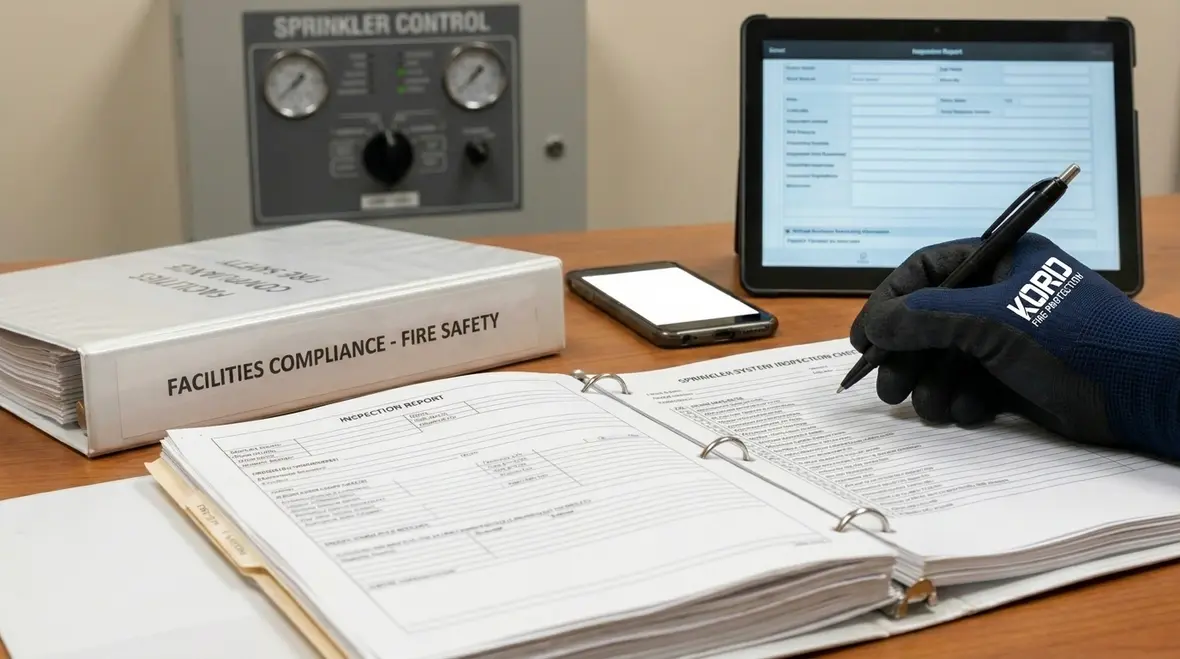
Commercial operations require more than good intentions. When regulators or insurers ask for proof, you need clear records that show what was done, when it was done, and what the findings mean. Therefore, documentation becomes as important as the physical work.
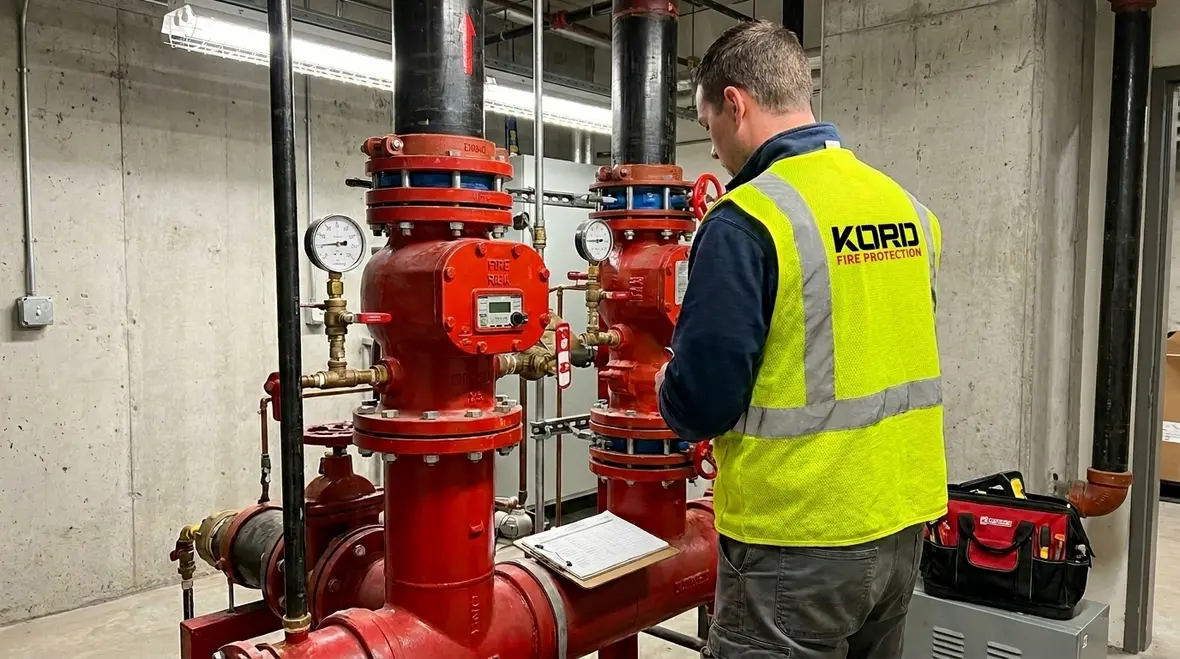
A strong maintenance approach helps teams stay audit-ready by producing straightforward reports that link inspections to corrective actions. For example, when Kord Fire Protection conducts inspections, it records the condition of key components, identifies defects, and recommends next steps. Then, it tracks remediation so issues do not linger like stale coffee at the back of a cupboard.
Because buildings operate under real time pressure, clear documentation also supports internal decision-making. Facilities teams can plan repairs, budget effectively, and keep timelines realistic, especially when access constraints exist. Ultimately, audit readiness reduces stress, protects relationships, and keeps you moving.
Why records matter after the inspection ends
Good reporting also closes the gap between “we saw an issue” and “we actually fixed it.” That sounds obvious, but anyone who has chased outstanding maintenance across multiple teams knows paperwork can become its own obstacle course. Clear records help make priorities visible, support budgeting discussions, and stop defects from being rediscovered over and over like an especially unhelpful office tradition.
How Kord Fire Protection becomes a vital partner
Maintenance works best when the provider behaves like part of the team, not a visitor who drops off a report and disappears into the ether. Kord Fire Protection positions itself as a vital partner by combining dependable service, practical scheduling, and careful attention to what commercial sites actually need.
They help organisations manage system performance across multiple facets, including industrial, retail, and multi-use facilities across Australia. Moreover, they support the handoff between inspection results and action plans, so your team does not have to interpret every technical finding alone.
In short, Kord Fire Protection helps clients reduce risk, stay compliant, and protect operations without chaos. Because when your fire protection system performs correctly, you get the benefit most businesses really want: fewer surprises.
Featured snippet style answers
- What is fire sprinkler maintenance? It is the planned inspection, testing, and servicing of sprinkler system components to keep them working correctly for an emergency.
- Why is documentation important? It proves what was checked, what was found, and what repairs were recommended or completed for compliance and audit readiness.
- How does Kord Fire Protection help facilities teams? It provides reliable maintenance, clear reporting, and practical support to keep systems dependable across industrial and retail environments.
FAQ
Final CTA
Commercial sites need fire sprinkler systems that stay ready, not systems that rely on luck. If your building operates in industrial, retail, or multi-tenant conditions, Kord Fire Protection can help you plan fire sprinkler maintenance with real-world scheduling and clear documentation. Contact Kord Fire Protection to discuss a maintenance approach that fits your site, supports compliance, and reduces operational disruption. Let’s keep your protection system performing the way it was designed to.