AS 1530 Fire Testing Explained for Compliance Success
Quick answer (40-60 words)
AS 1530 fire testing helps classify how building materials behave in fire, supporting compliance and safer design. It evaluates heat exposure, flame spread, and smoke risk so projects can meet Australian standards. For industrial, retail, and commercial sites across Australia, Kord Fire Protection helps clients plan, coordinate, and evidence the right fire test pathways.
AS 1530 fire testing explained for busy stakeholders
AS 1530 fire testing is a structured way to see how a material reacts when heat and flame arrive, not after someone says, “We’ll check it later.” Early clarity reduces design rework, speeds approvals, and supports informed procurement. In practice, the standard helps teams choose materials based on real test results, so fire safety measures do not rely on vibes, faith, or guesswork.
Because Australia’s built environments include high-load risks, long asset life cycles, and strict compliance expectations, the way test evidence is handled matters. Therefore, a consistent approach helps facilities, contractors, and asset owners present credible documentation during compliance checks, tenant fitouts, refurbishments, and upgrades.
Where projects also need broader fire safety support, Kord Fire Protection can align testing pathways with practical compliance planning across industrial, retail, and commercial environments. That matters when teams are trying to connect specifications, procurement, and site realities without creating a paperwork mountain halfway through the job.
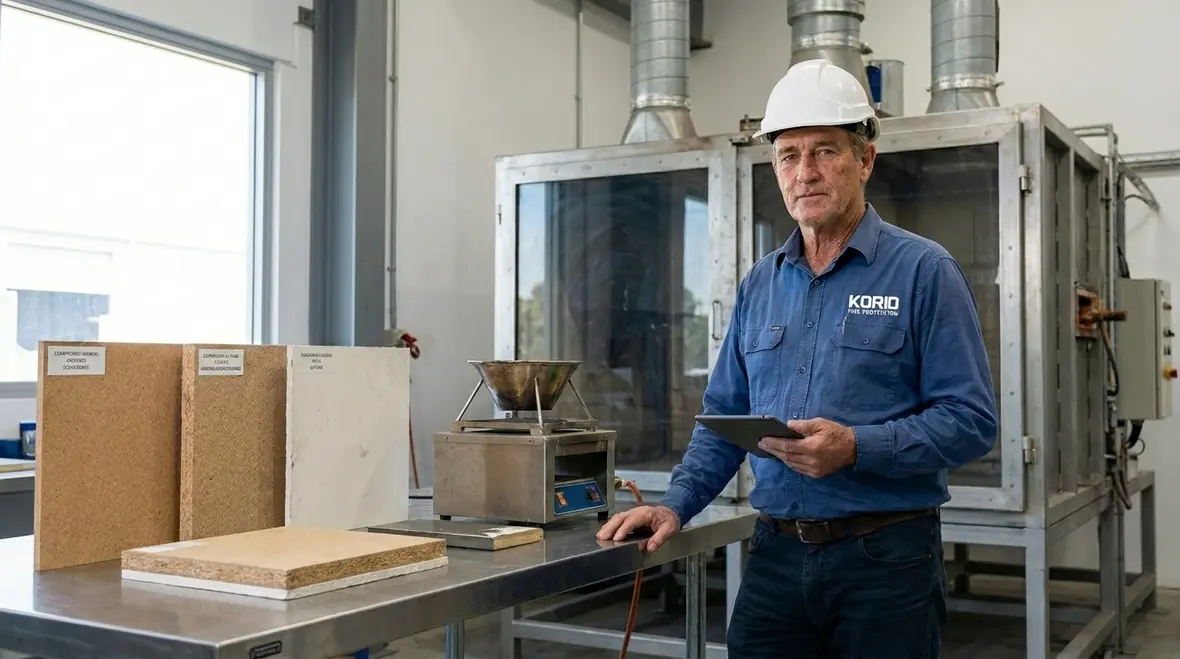
What AS 1530 testing measures and why it matters on real projects
What the testing is actually looking for
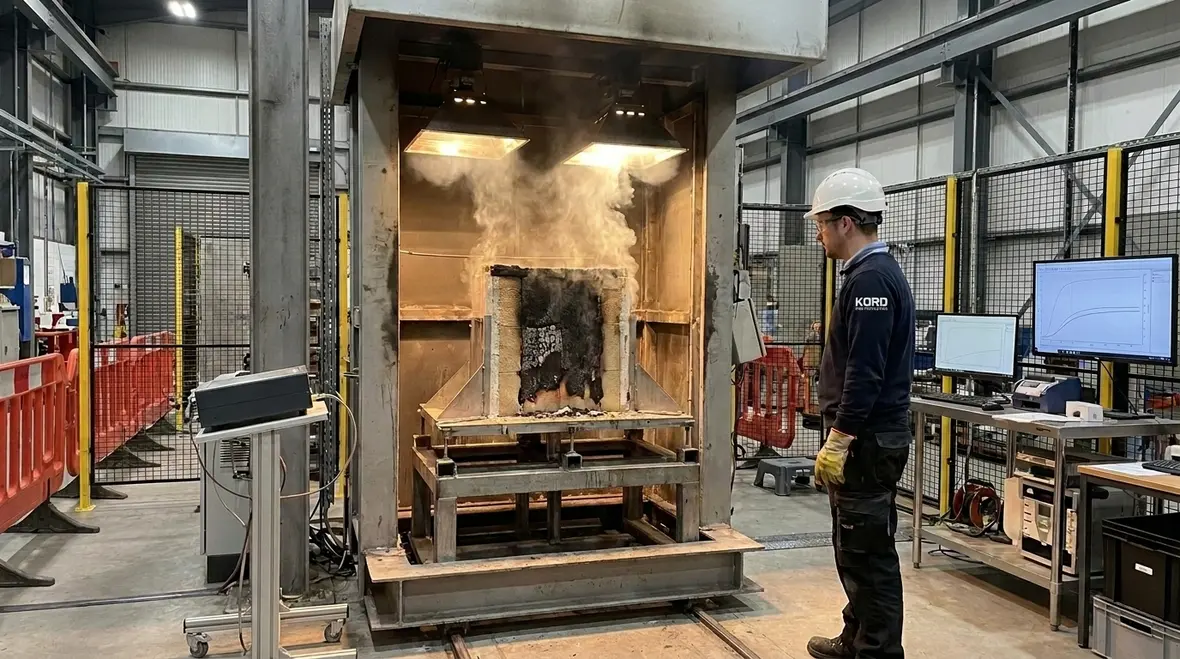
AS 1530 is not one single “magic number.” Instead, it covers methods that evaluate specific fire performance aspects using controlled test setups. As a result, the outputs support classification and decision making for design and construction. Teams typically need to answer practical questions, such as how a product contributes to fire growth, how it behaves under heat exposure, and how it may affect compartment conditions.
For industrial, retail, and commercial sites, this matters because fire risk moves fast in large spaces. Warehouses, retail fitouts, plant rooms, service corridors, and switch rooms often involve materials that experience heat, radiant transfer, and airflow effects. Consequently, the test method selected must align with the use case and the way the material is installed.
It also matters for supply chain planning. If a project relies on a product family that lacks relevant evidence, delays can appear late, and everyone looks stressed like they just found an invoice for last year’s holiday. With proper planning, evidence gaps can be resolved early through the right testing and documentation route.
Why this matters on live projects
On real projects, the challenge is not just understanding a test report. It is making sure the tested product, the specified product, and the installed product are all telling the same story. When they are not, compliance gets messy fast. A neat folder of reports means very little if the system on site has drifted away from what the evidence actually covers.
How the testing process supports compliance and documentation
From scope to evidence trail
Fire compliance is more than a pass or fail. It requires the right evidence in the right format, tied to the right product details. Therefore, teams benefit from a methodical workflow that connects test reports to specifications, risk assessments, and approval submissions.
First, a project team confirms what is being assessed. That might include linings, membranes, coatings, facade elements, or other building products depending on the scope. Then, they match the material against the intended installation details. Small differences can change outcomes, so assumptions do not help.
Next, they manage the evidence trail. For example, clients often need to demonstrate that the material used in the field aligns with what the test report covered. In addition, they may need documentation to support internal safety cases, asset management records, and future tenant queries.
Finally, they integrate results into the design narrative. When the story is clear and consistent, approvals and inspections become smoother. In other words, the site gets fire safety confidence without turning every upgrade into a mini courtroom drama.
Keeping the paperwork useful, not just present
Good documentation is not about volume. It is about traceability. Stakeholders need to know what product was tested, how it was installed, what limitations apply, and where that evidence sits in the broader compliance record. If this is handled early, teams spend less time chasing old emails and more time moving the project forward.
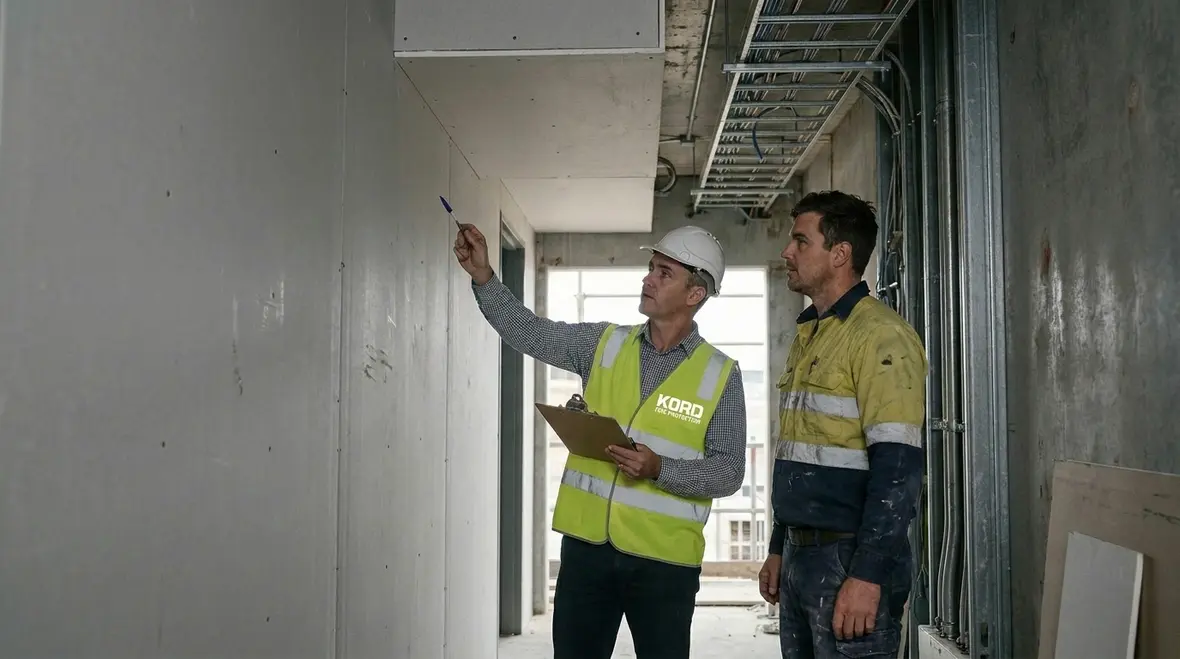
Common materials and where fire performance decisions show up
Many facilities face repeated challenges because materials get swapped, upgraded, or value-engineered across different stages. Hence, understanding where fire performance decisions surface helps stakeholders act early.
Wall and ceiling linings
These often appear in office areas, retail ceilings, and industrial amenities. Fire behaviour can affect compartmentation and smoke conditions, so teams need evidence that aligns with the actual system.
Floor coverings and coatings
Where heavy foot traffic or rolling loads exist, products may include layered constructions. Therefore, testing evidence must reflect the real build-up, not a simplified description.
Facades and external building elements
Commercial sites, distribution hubs, and retail centres may include external cladding and membranes. Heat exposure and flame interaction outdoors can complicate things, so results must connect to the relevant application.
Services areas and corridors
Even in large industrial buildings, fire compartment boundaries and service routes matter. As a result, fire performance choices influence how the building supports emergency response and fire brigade tactics.
When procurement, design, and installation teams coordinate using evidence, the project avoids last-minute product substitutions. And yes, last-minute substitutions usually arrive with a new color, a new spec sheet, and the same old panic.
How Kord Fire Protection becomes a vital partner with AS 1530 fire testing
Kord Fire Protection works alongside clients to turn fire test requirements into a practical business outcome. While testing provides the technical evidence, coordination often decides how smoothly the project moves. Therefore, Kord Fire Protection helps bridge the gap between design intent, procurement reality, and compliance evidence.
Our team supports clients across industrial, retail, and commercial facilities throughout Australia, where timelines are tight and accountability is real. We can help with scoping the required fire testing pathway, aligning product information, and ensuring documentation stays clear and defensible.
In addition, Kord Fire Protection helps teams manage the real-world details that cause delays. Those details include product variants, system build-ups, and the difference between “what was ordered” and “what was installed.” When evidence is organised from the start, the project reduces rework and strengthens audit readiness.
Put simply, Kord Fire Protection helps clients treat AS 1530 fire testing like a strategic step, not an emergency expense. Because nobody wants to discover compliance issues when the asset is already operating. That is the kind of surprise that makes meetings last longer than they should.
Planning for audits, upgrades, and ongoing facility change
Keeping evidence useful over time
Facilities rarely stay still. They expand, refurbish, re-fit retail areas, and refresh industrial processes. Consequently, fire safety evidence must stay usable over time. When teams plan properly, the compliance record remains current and relevant.
During audits, stakeholders often look for consistency between approved designs, installed materials, and test evidence. Therefore, Kord Fire Protection and client teams can support evidence handling so the documentation is easy to retrieve. That reduces friction during compliance reviews and helps asset owners maintain confidence in their fire safety approach.
For upgrades, teams should review what changes and whether the original evidence still applies. For example, a replacement lining product or a different coating system may require new documentation. If teams ignore this, they risk using outdated assumptions. And in fire safety, outdated assumptions tend to age badly, like a forgotten safety drill from ten years ago.
FAQ: AS 1530 fire testing and next steps
Conclusion: Make fire testing a proactive advantage
AS 1530 fire testing gives teams evidence, not guesswork, and it supports safer decisions across industrial, retail, and commercial facilities across Australia. However, the value only lands when documentation, product details, and installation realities line up. Kord Fire Protection helps clients coordinate the process so projects move with confidence, audits feel lighter, and upgrades do not turn into fire safety surprises. Reach out to Kord Fire Protection and start planning your pathway today.