AS 2118 Fire Pump Requirements for Sprinkler Systems
Quick Answer: AS 2118 sets the Australian rules for fire pump systems used with sprinkler installations, including design, installation, testing, and ongoing maintenance. It helps ensure pumps deliver reliable water pressure and flow when it matters most. Kord Fire Protection can guide facilities through compliance, commissioning, and service so systems stay audit ready.
In Australia, sprinkler systems only perform as well as their water supply, and that is where AS 2118 comes in. Within the first systems checks, AS 2118 Fire Pump Requirements influence how fire pumps are selected, connected, controlled, and verified for real-world operation. From industrial plants to retail complexes and commercial facilities, these rules help reduce the risk of weak pressure, delayed starts, and “it worked once” failures that nobody wants on inspection day.
And yes, fire pumps can feel like a sleepy machine until a test starts or a fault appears. Then suddenly everyone is wide awake. Kord Fire Protection helps organisations move from checkbox compliance to practical reliability, with a steady, methodical approach that keeps sprinkler systems ready for emergencies. For facilities planning inspections, upgrades, or routine support, Kord Fire Protection’s fire protection maintenance services fit naturally into keeping pump and sprinkler infrastructure dependable over time.
How sprinkler fire pumps fit into a compliant water supply
Most people think sprinkler design ends at pipework and sprinklers. However, a sprinkler system relies on continuous, correctly pressured water delivery. Therefore, the fire pump becomes a critical link in the chain, particularly where mains water cannot meet demand, where the system requires boosted pressure, or where stored water is involved.
In practical terms, a compliant fire pump setup must do several things. First, it must start quickly when the system calls for water. Next, it must deliver the right flow and pressure for the required duration. Then, it must do so without unstable pressure swings that can affect sprinkler performance. Finally, it must remain dependable through ongoing maintenance and testing.
Because facilities operate differently across Australia, a one-size-fits-all approach fails. Industrial sites may have variable demand, dirty suction conditions, or long pipe runs. Retail centres may face frequent fit outs that alter hydraulics over time. Facilities managers need a system that stays correct after real world change, not just at handover.
Why the pump is more than a backup box in a room
A fire pump is easy to ignore when nothing dramatic is happening. It sits there, minding its own business, giving off strong “please do not make me famous today” energy. But in a sprinkler system, its role is direct and unforgiving. If demand rises and the water supply cannot keep up, the pump has to respond properly, every time, without bargaining, delay, or random mood swings.
Key AS 2118 fire pump expectations for sprinkler installations
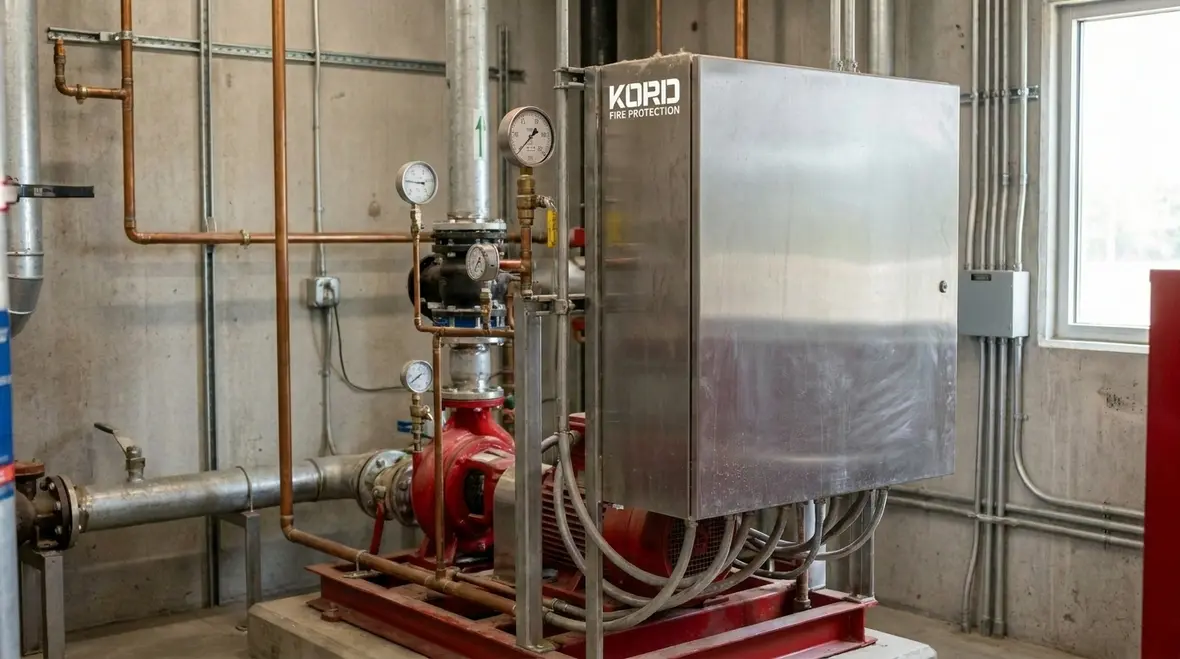
Fire pumps used with sprinkler systems must meet strict performance and reliability expectations. Under AS 2118, organisations focus on the pump’s ability to perform under fire conditions, while also meeting installation and control requirements that help prevent common failures.
Those expectations typically include selecting pump equipment that matches the hydraulic demand of the sprinkler design, installing it so it remains stable and accessible, and ensuring controls respond correctly to system demand. Additionally, pump starting methods and alarms need to operate as intended so that faults do not quietly hide until an emergency.
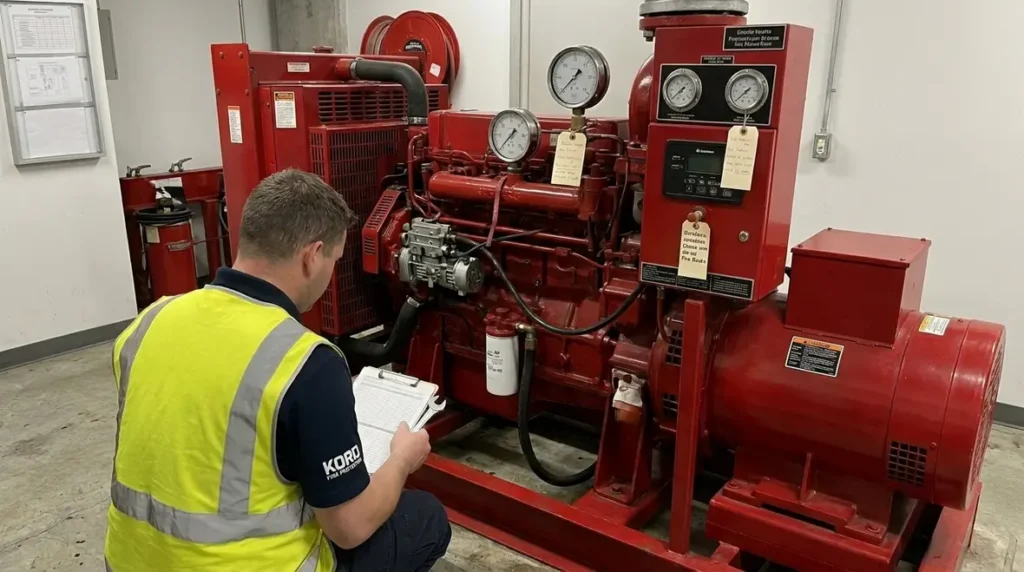
Even if the pump looks “fine” to the casual observer, the real proof comes from controlled tests and proper commissioning. As a matter of good practice, facilities should treat commissioning like a first day on the job. If the system does not demonstrate correct start, correct pressure, and correct operation, then it does not get a pass.
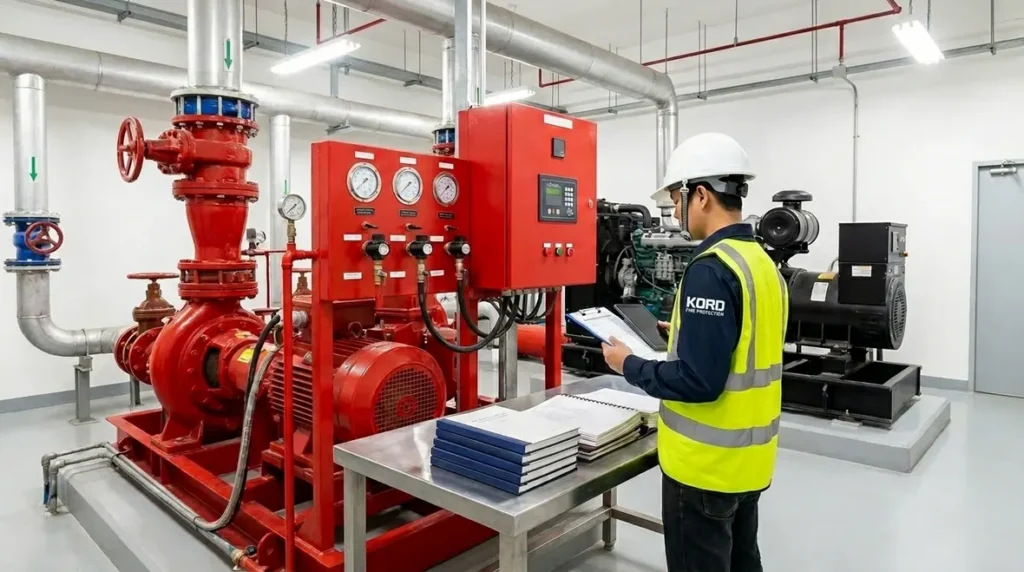
Kord Fire Protection supports this work by translating the standard into clear, facility-ready outcomes. Instead of vague advice, the team helps coordinate documentation, evidence gathering, commissioning checks, and service planning, so the system performs and the paperwork follows through.
What good commissioning actually proves
Commissioning is where assumptions stop talking and the system starts answering questions. Does the pump start when demand appears? Do alarms report faults clearly? Does the pressure performance line up with what the sprinkler design actually needs, not what everyone hopes it needs? Good commissioning produces evidence, not vibes.
Design and installation checks that prevent bad surprises
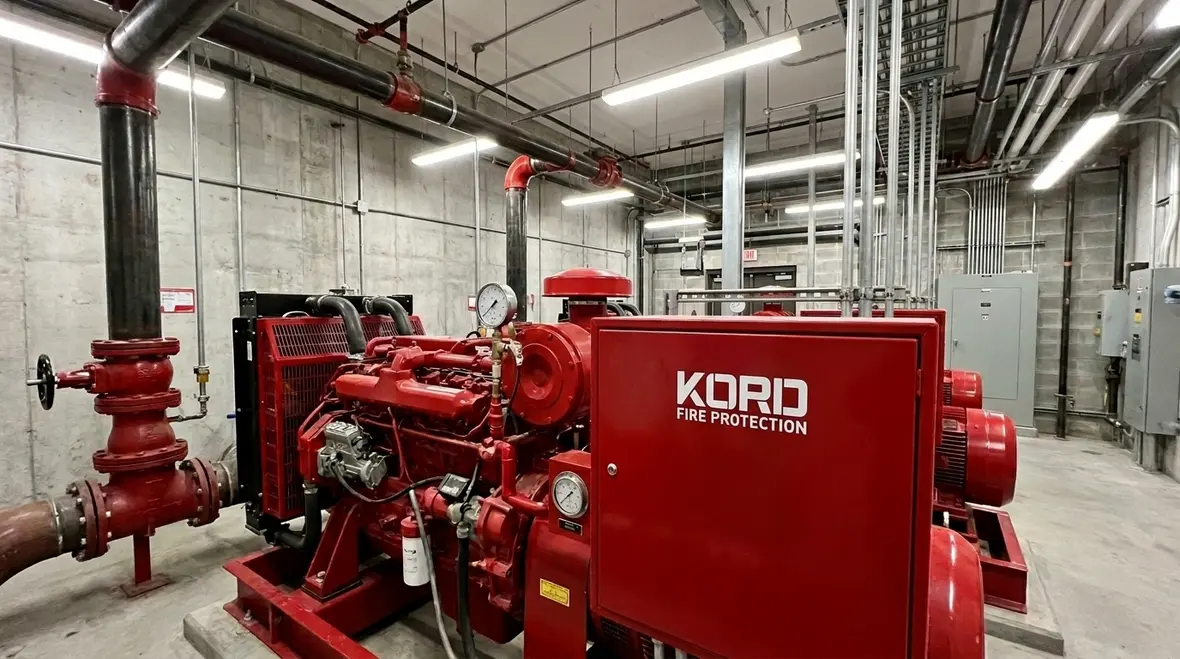
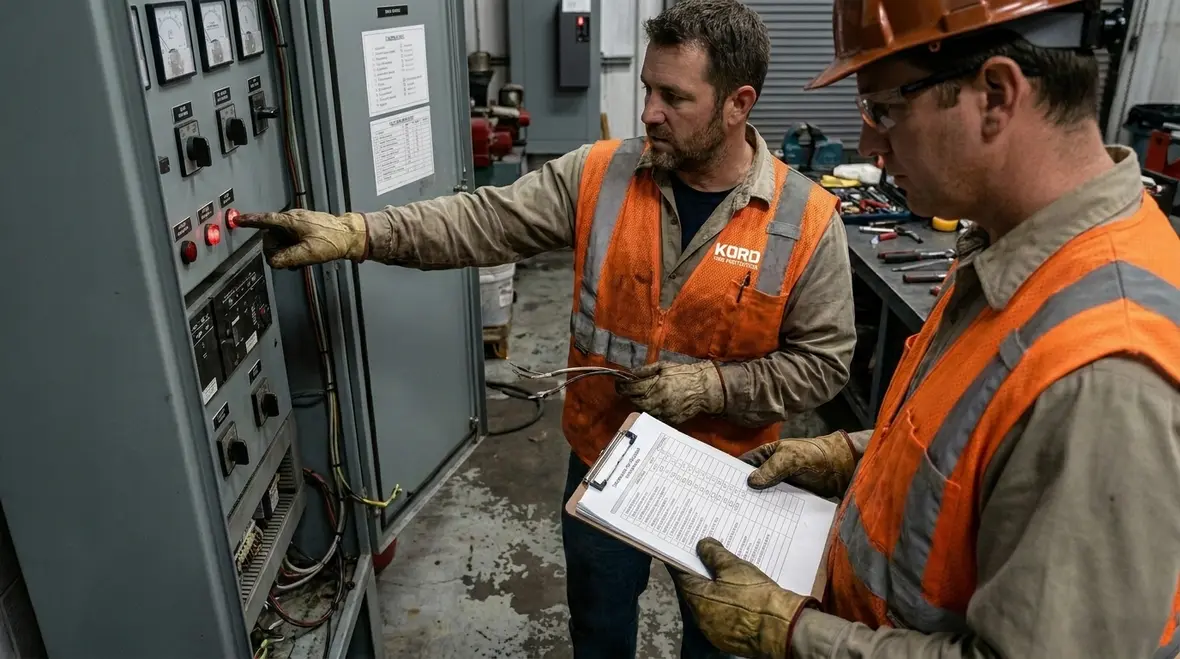
Many sprinkler failures come from avoidable issues around design assumptions and installation details. Therefore, compliance efforts should include a deliberate review of pump location, suction conditions, pipework arrangements, and control interfaces.
For example, suction supply must remain reliable. If suction conditions are poor, cavitation can damage pumps and reduce effective performance. Likewise, pipework must avoid restrictions and awkward layouts that increase friction losses. Then, control wiring and detection interfaces must align with the sprinkler system logic so that the pump starts when expected.
Access and protection matter too. Pumps need safe working clearances for maintenance. Electrical and mechanical components require suitable protection against the environment that industrial and commercial sites actually have, including dust, vibration, humidity, and the occasional “we’ll get to it later” maintenance backlog.
Here is where Kord Fire Protection becomes a vital partner. The team does not just point to issues; it helps facilities fix them with a practical plan. They coordinate the right checks before commissioning, clarify what evidence inspectors expect, and ensure the install supports safe ongoing service.
The quiet problems that grow legs later
A surprising number of non conformities start small. A control interface is wired in a way that almost makes sense. A valve arrangement seems fine until flow changes. A room layout leaves maintenance access just awkward enough that routine checks get delayed. Nobody throws a parade for these issues at handover, but they come back with enthusiasm during audits and faults.
Testing, commissioning, and ongoing service that stays audit ready
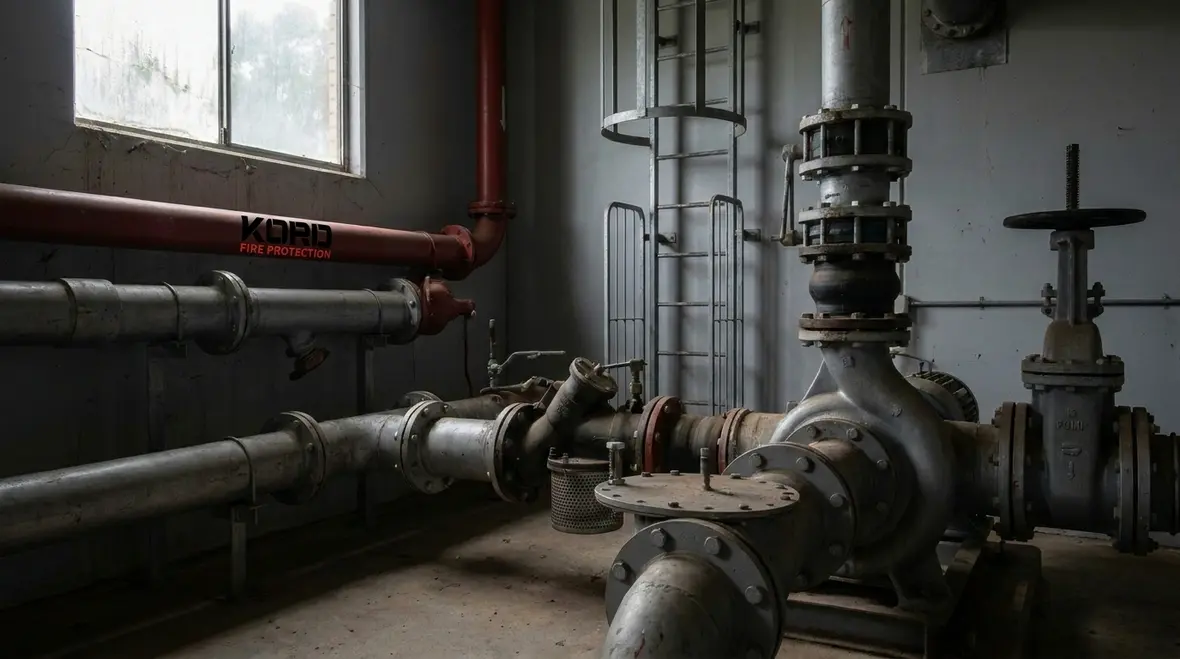
Once the system is installed, the job does not end. Fire pump systems demand evidence of performance through commissioning and ongoing testing. Therefore, facilities should plan tests that verify pump start response, duty operation, and overall hydraulic performance in line with the sprinkler system needs.
Commissioning should confirm that the pump control sequence works correctly, alarms function, and the system transitions as designed. After that, ongoing service maintains reliability. Pumps can shift over time due to wear, changes in site conditions, or adjustments in the building.
And because real facilities rarely stay the same, ongoing service should track changes. A retail tenancy expansion, a new sprinkler zone, or a plant modification can change the hydraulic demand profile. When that happens, the pump performance expectations must still match the system demand.
Kord Fire Protection helps facilities build a service rhythm, so tests do not arrive like an unexpected pop quiz. Instead, the facility knows what will be checked, when it will be checked, and what records will be produced for compliance and assurance. If your broader system strategy also needs alignment, Kord Fire Protection’s fire sprinkler system services sit neatly alongside pump reviews, testing, and long-term maintenance planning.
Common non conformities in the field and how to reduce them
Even with good intentions, teams can stumble into recurring issues. These often include mismatches between pump selection and actual sprinkler demand, incomplete documentation, missed commissioning checks, incorrect control logic, or service schedules that do not reflect real operational needs.
Some sites also experience “paper compliance,” where records exist but performance verification does not fully match the system’s installed reality. That is the engineering version of saying you studied, while the exam asks questions you never saw. Inspectors tend to notice patterns, and corrective actions cost more when problems appear late.
Another frequent challenge involves change management. When facilities make modifications, sprinkler hydraulics can shift quietly. If nobody updates pump setpoints, testing evidence, or control interfaces, the system can drift away from the intended performance profile.
Kord Fire Protection reduces these risks with a hands-on approach. They help facilities align design intent, installation details, testing outcomes, and service records. In other words, they keep the system truthful. When a test says it performed, it did perform.
Planning for industrial, retail, and facilities across Australia
Australia’s mix of climates, building types, and operational pressures means sprinkler fire pump setups need sensible local planning. Industrial facilities may require robust mechanical resilience and careful contamination management. Retail and commercial sites often demand minimal downtime and clear coordination with building operations.
Therefore, a strong compliance plan accounts for access constraints, seasonal demand changes, and the realities of shutdown windows. It also considers staff capability. Facilities need clear handover information so operations teams understand what alarms mean and what actions to take.
Kord Fire Protection works with industrial, retail, and commercial facilities across multiple states. Their role often includes planning service intervals, coordinating testing access, and providing clear reporting that supports internal governance and external inspection needs.
A practical compliance mindset beats last minute panic
The strongest sites do not treat fire pump compliance as a once-a-year scramble powered by coffee and regret. They build a repeatable process. Records stay current. Testing follows a rhythm. Changes are reviewed before they become expensive surprises. That approach is not flashy, but it is very effective, and unlike panic, it scales well.

FAQ
Conclusion
Fire pump reliability is not luck. When sprinkler systems depend on boosted water supply, AS 2118 expectations must translate into real performance, verified tests, and service records you can stand behind. Kord Fire Protection helps industrial, retail, and commercial facilities across Australia stay compliant and dependable, without dragging the job out or drowning in paperwork. If a fire pump system is due for review, commissioning, or service, contact Kord Fire Protection now.