AS NZS Fire Pump Installation Deficiencies and Fixes
Quick Answer: Fire pump installations that miss AS/NZS requirements can fail when they matter most. Kord Fire Protection helps clients across industrial, retail, and commercial sites spot common defects early, fix commissioning issues correctly, and keep systems reliable through proper documentation, testing, and ongoing service. Because “almost compliant” is still not compliant.
Why AS/NZS fire pump standards matter on real sites
On Australian facilities, a fire pump is not a box on a shelf. It is the difference between a controlled response and a chaotic one. That is why AS/NZS expectations shape how pumps must be installed, set up, and proven. When teams ignore details, deficiencies grow quietly, then show up at the worst possible time, like a pop quiz nobody studied for.
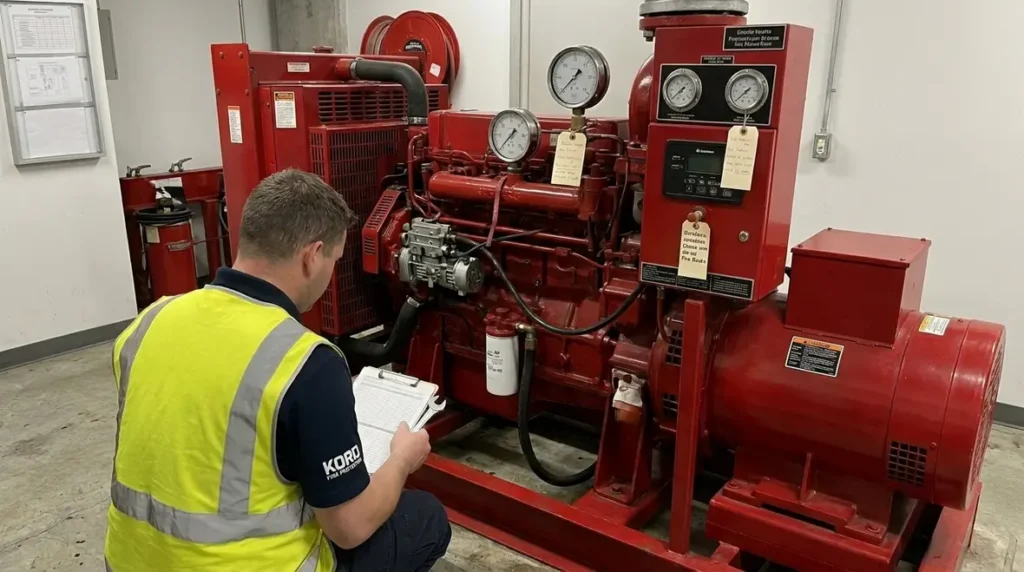
In practice, AS/NZS fire pump installation deficiencies often appear in the gaps between design intent and on site reality. Even when the equipment looks fine, performance can still fall short. The smartest approach combines careful inspection, correct rectification, and disciplined commissioning records, supported by practical fire protection servicing that keeps the system honest over time.
That is also why clients benefit from working with a team that understands the whole lifecycle, not just the shiny handover moment. Kord Fire Protection supports sites with installation reviews, testing, rectification, and ongoing maintenance thinking, so the pump is not simply installed, but actually proven ready for the day it is asked to perform.
Where installation deficiencies usually hide
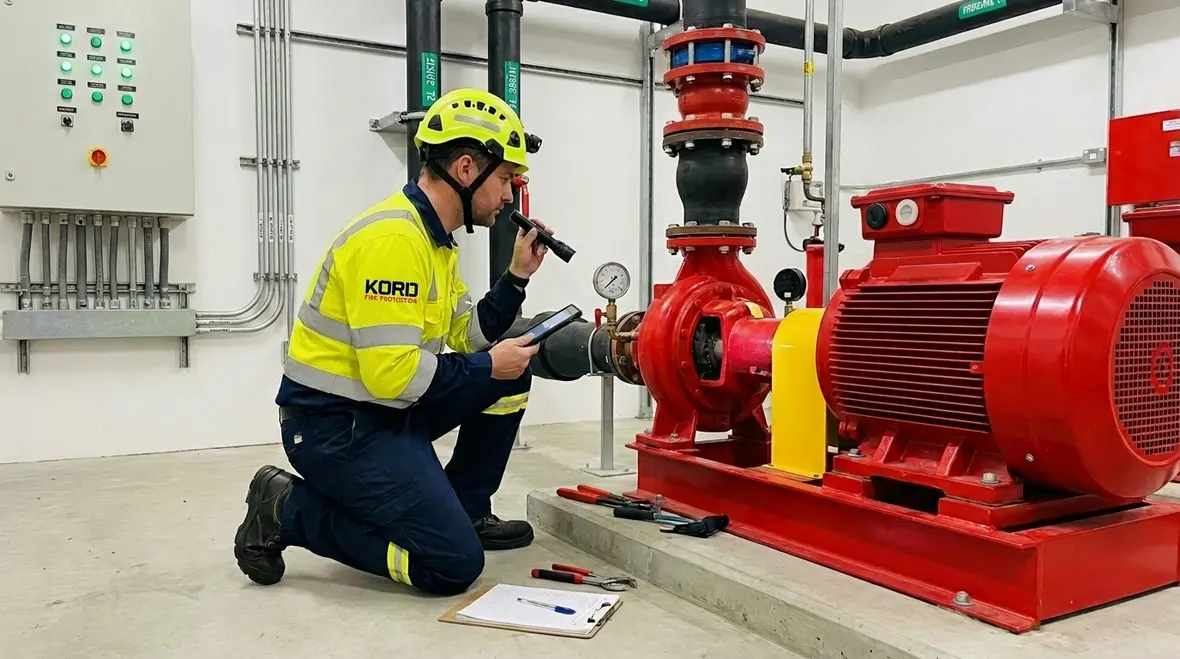
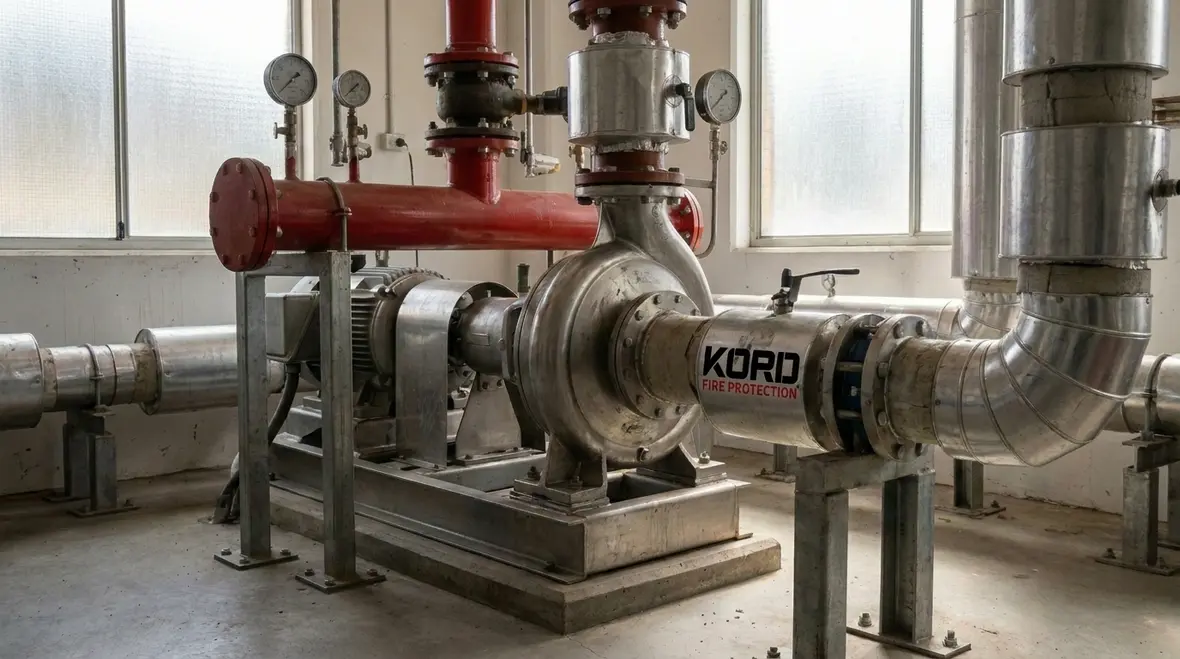
Fire pump problems rarely announce themselves with flashing lights. Instead, they hide inside typical installation shortcuts and incomplete handover. Weak pipe supports, incorrect orientation, or shortcuts in electrical termination can all affect pump operation long after sign off. Then the system “runs,” but it does not run as required under fire flow conditions.
Common defect zones that deserve a closer look
- Pipework and supports that do not meet alignment and restraint needs, leading to stress at vibration points
- Isolation valves that end up in the wrong position or do not open freely when called
- Incorrect sensor placement that misreads pressure and triggers the wrong controller response
- Strainers and suction arrangements that restrict flow or trap air
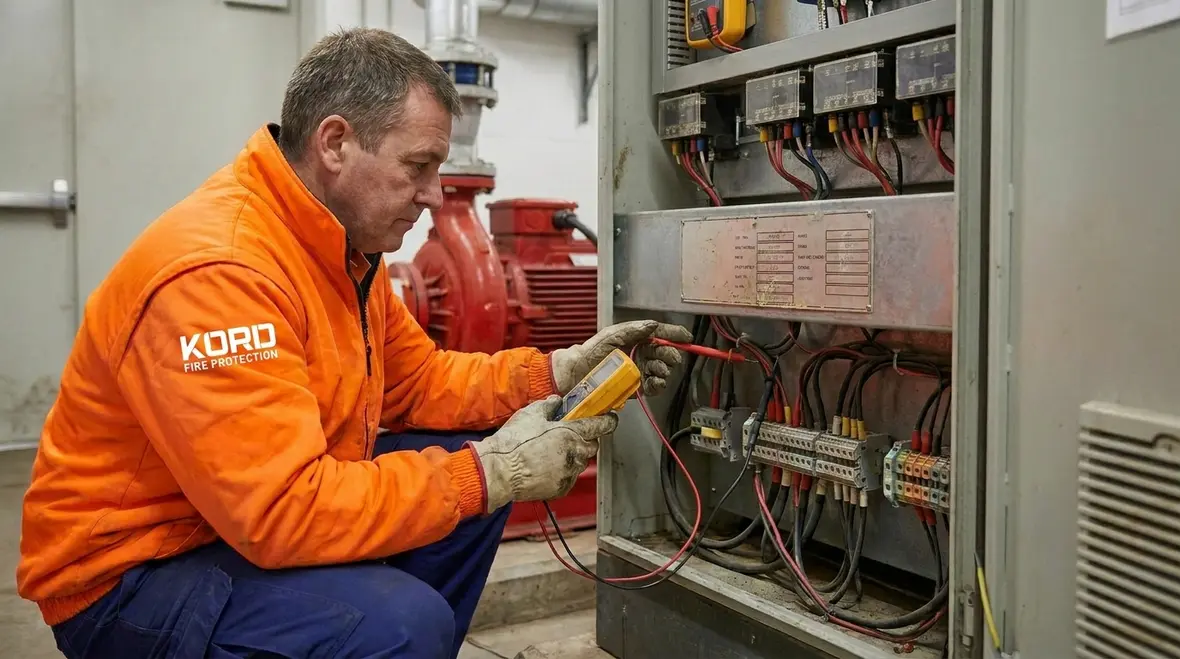
- Electrical terminations that look tidy but fail insulation checks or create unstable control signals
- Flow testing gaps where commissioning only verifies start and stop, not the full duty range
Documentation can be part of the problem too. If the as built set does not match installed reality, maintenance teams become guessers, not responders. That is a risky position to put anyone in, especially when future service personnel may never have seen the original installation sequence or controller setup discussions.
Many of these deficiencies are not dramatic by themselves. A support is slightly off. A setting is almost right. A drawing is close enough to pass a quick glance. But stacked together, these small issues can change how the pump starts, how pressure stabilises, and how the wider fire protection system behaves under load. “Close enough” is usually where expensive lessons begin.
How the deficiencies impact reliability during an event
Fire pump installation deficiencies affect more than paperwork. They directly influence suction conditions, pressure stability, and pump controller behaviour. A system may start but fail to deliver the required pressure at the right flow. That is where safety margins get eaten first.
For instance, poor suction design can cause cavitation or air ingestion. That can reduce performance and damage components over time. Meanwhile, controller settings that do not match the actual system hydraulics can lead to delayed ramping or premature shut down. In short, the pump becomes a dramatic actor who enters early but delivers the wrong lines.
Across industrial, retail, and commercial facilities, these failures create knock on issues. Sprinkler systems, hydrants, and hose reels rely on predictable pressure. If the fire pump does not maintain it, coverage and response times suffer, and emergency planning starts to wobble. Reliability is not just about the pump itself. It is about what every connected fire system expects from that pump when the pressure is on, literally.
Why hidden defects become visible under demand
This is why low stress testing can create false confidence. A pump may appear healthy during a simple start sequence while still struggling once the duty point is challenged properly. Until flow, pressure response, alarms, and controller logic are all tested together, the true behaviour of the installation can remain suspiciously polite.
What good commissioning and testing looks like
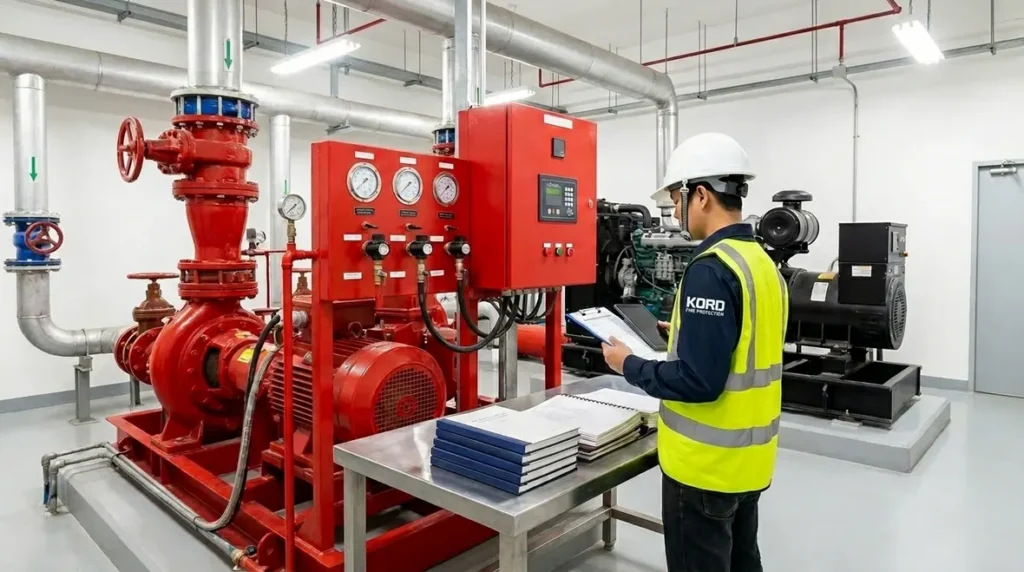
Fixing installation gaps needs more than tightening a bolt. Kord Fire Protection focuses on commissioning and testing that verify real performance. This includes checks that confirm the pump meets duty requirements under expected conditions, not only during a basic start.
The full performance chain should be verified
- Functional testing for pump start, stop, and automatic operation logic
- Pressure verification to confirm accurate controller response
- Flow and duty point testing to prove the system performs across the range
- Electrical and control verification to confirm protection, sequencing, and stable signals
- Operational checks for alarms, monitoring points, and readiness indicators
- As built documentation validation so the maintenance team works from the truth
After testing, the process needs to produce clear evidence. When inspectors, contractors, facility teams, and engineers review a job, they need more than “it was run once.” They need results that align with AS/NZS expectations and with the site’s actual hydraulic design.
Good commissioning also makes future servicing easier. Clear test results, confirmed set points, updated drawings, and accurate records reduce confusion later. They also shorten troubleshooting time because the next technician is not walking in blind, armed only with optimism and a half faded markup from three years ago.
Why some clients miss issues until audits or maintenance visits
Many teams do not discover deficiencies until an audit, a call out, or a routine maintenance window. That delay happens for a few practical reasons. Early testing may not cover the whole performance envelope. Handover can be incomplete, leaving maintenance crews with partial diagrams and unclear set points. Minor defects can also sit unnoticed because the pump performs in limited scenarios.
Meanwhile, real facilities change. Pipe alterations, expanded rack systems, added tenants, new fuel load calculations, and modified fire zoning can all affect how a pump behaves. When those changes happen without verifying pump performance, the system drifts away from the approved intent.
That is why regular review matters. Instead of chasing problems after they grow teeth, clients benefit from a structured approach that ties installation, documentation, and performance together. It is far cheaper to catch a mismatch during testing than to explain it during an inspection, a shutdown, or the kind of emergency nobody wants as a practical demonstration.
How Kord Fire Protection partners with the job from start to service
Kord Fire Protection supports clients across industrial, retail, and commercial facilities by bringing installation awareness, commissioning discipline, and practical service outcomes into one team. Stakeholders get fewer surprises and clearer accountability. When a deficiency exists, Kord Fire Protection treats it like a root cause issue, not a “we will watch it” situation.
Ways Kord Fire Protection can support the project lifecycle
- Pre commissioning reviews to spot installation mismatches before they become embedded problems
- Commissioning support focused on verified duty performance and stable controller behaviour
- Deficiency rectification that addresses the technical cause, not just the visible symptom
- Ongoing service and testing so the system stays aligned with approved intent over time
- Documentation alignment to ensure as built records match the real installed system
Because let’s be honest, a fire pump does not care that the job was busy. It cares that it works. That mindset matters during installation, at commissioning, during future testing, and every time someone assumes the paperwork probably reflects reality.
| Deficiency signal | What Kord Fire Protection checks |
| Inconsistent pressure readings during testing | Controller logic, sensor placement, calibration accuracy, and duty point performance alignment |
| Startup occurs but pressure fails to stabilise | Suction conditions, air management, pipe alignment, and flow resistance causes |
| Documentation does not match equipment or set points | As built validation, sequence confirmation, and correct record updates for maintenance teams |
| Electrical alarms during functional checks | Terminations, protection devices, wiring correctness, and control circuit stability |
FAQ: AS/NZS fire pump installation and deficiency questions
Conclusion: secure performance before the next inspection
When AS/NZS requirements meet real site conditions, fire pumps perform. When installation deficiencies slip through, reliability erodes quietly. Kord Fire Protection helps industrial, retail, and commercial facilities in Australia identify root causes, correct them, and back the results with clear commissioning and service evidence. If you want fewer surprises and stronger defensibility, contact Kord Fire Protection today to review your pump system and testing approach.