Commercial Fire Sprinkler Systems in Australia Help Protect
Quick Answer
Commercial fire sprinkler systems help protect people, property, and operations across industrial, retail, and commercial sites in Australia. A good design, compliant installation, and ongoing inspections reduce risk, help meet obligations, and keep business moving when others panic. Kord Fire Protection can support businesses as a trusted partner from planning to maintenance.
Commercial fire sprinklers sit in the background like a reliable mate who never complains, even when the heat rises. In the first place, they protect lives and limit damage, and they do it with a clear, proven approach rather than hope and prayer. However, Australian businesses cannot treat sprinkler systems like a set-and-forget purchase. They must be designed for the site, installed to the right standards, tested properly, and maintained over time as buildings change. And that is where Kord Fire Protection becomes more than a contractor. They can act as a vital partner who helps teams plan, comply, and respond with confidence.
Early in that process, businesses often benefit from understanding how system design connects with long term upkeep. Australian fire sprinkler services can tie planning, installation, inspection, and maintenance together in a way that keeps protection practical instead of patchy.
Why Australian workplaces rely on sprinkler protection
Australia’s commercial and industrial environments can turn risky fast. Dust, storage heights, process equipment, flammable packaging, and even busy retail fitouts can create conditions where fires grow quickly. Therefore, relying on passive prevention alone often falls short. Sprinkler systems add a fast response that controls fire spread before it becomes a spectacle on every news channel.
Moreover, a well managed sprinkler system supports business continuity. When a fire starts, every minute matters. Sprinklers work to cool and extinguish while allowing safe evacuation and giving firefighters time to attack the incident strategically. Consequently, companies protect critical assets such as cold rooms, production lines, racks, and inventory that can be expensive to replace.
Protection that does more than tick a box
That matters because many businesses do not just need compliance on paper. They need systems that perform under pressure, fit daily operations, and support safe evacuation without turning the site into a logistical mess. In practical terms, sprinklers help reduce the chance that one incident becomes a full scale shutdown, a long insurance process, and a painful lesson everyone remembers for the wrong reasons.
How commercial fire sprinkler design fits real sites
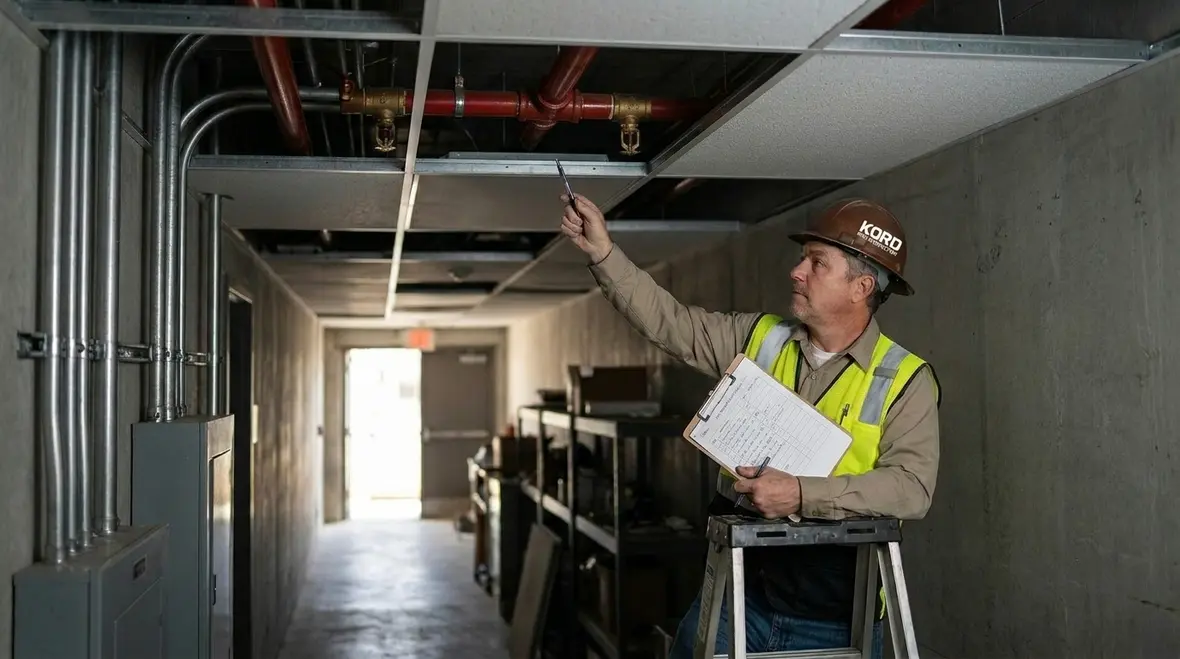
When businesses ask how systems “should” look, they often imagine one universal solution. Yet, the real world does not work like that. A design must reflect the building, the hazards inside, and the way people move through the space. For example, an industrial warehouse with high piled storage behaves differently to a retail tenancy with mixed occupancies and open displays.
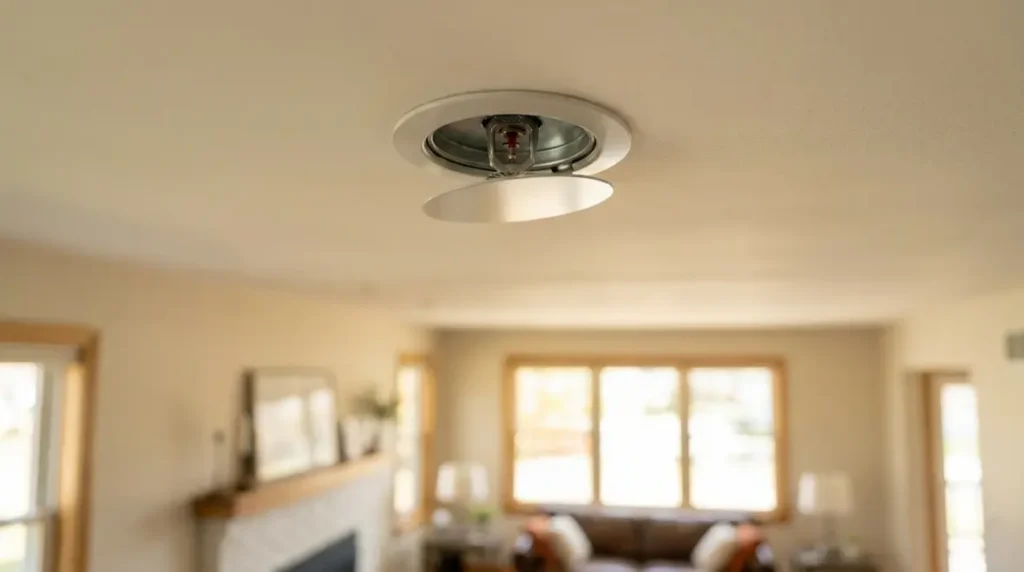
In practice, engineers consider water supply, pipe routing, density requirements, and the type and layout of sprinkler heads. They also account for ceiling obstructions, mezzanines, and service corridors. At the same time, they factor in smoke control, compartmentation, and how a fire might develop. In other words, design is not just about pipes and heads. It is about how fire behaves in that specific workplace.
Next, businesses should align design with operational realities. If a facility frequently upgrades equipment, changes storage practices, or refits stores, then the sprinkler approach must allow for future modifications. Otherwise, teams end up playing catch up with rework, shutdowns, and compliance headaches. Nobody wants the kind of project that drags on like a slow action movie sequel nobody asked for.
Design choices that age well
A thoughtful design also makes later decisions easier. Clear pipe routes, accessible valves, sensible zoning, and room for future changes can save a site from awkward retrofits down the track. It is much easier to accommodate growth when the original design respected the way the building would actually be used, rather than pretending everything would stay frozen forever.
Key installation steps that prevent costly mistakes
After design comes installation, and this is where quality shows up later, not in a brochure. To reduce failures and call outs, installers must follow approved drawings and ensure correct workmanship. That includes proper alignment, secure supports, correct pipe sizing, and correct sprinkler type selection.
Additionally, pressure testing and commissioning matter. Even if the system looks perfect during installation, it still needs verification that it will function as intended during a real emergency. Therefore, the process typically involves hydrostatic or air testing where required, followed by commissioning checks, and then documented sign off.
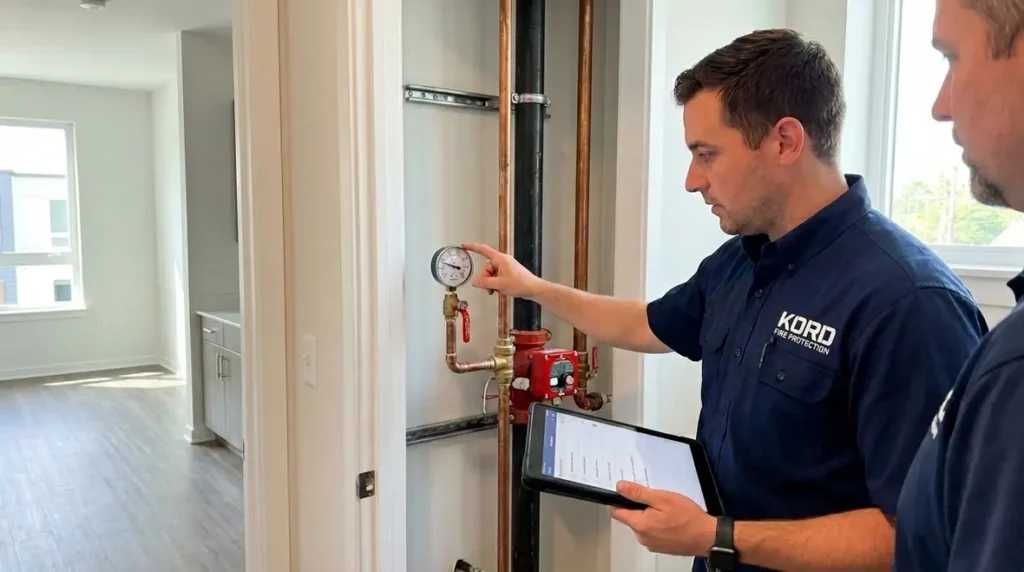
Also, coordination plays a major role. Facilities teams usually run tight schedules. Trades overlap. Services compete for ceiling space. If installation clashes with electrical, mechanical, or ducting work, then delays and rework can follow. Kord Fire Protection can help reduce this friction by supporting a coordinated approach, so the sprinkler system does not get treated like an afterthought that arrives last and leaves early.
Commissioning is where confidence is earned
This stage is often less glamorous than design meetings and less visible than shiny finished spaces, but it is where confidence gets earned. Proper checks, clear documentation, and a disciplined handover help ensure the system is not only installed, but truly ready to respond when needed. That distinction matters more than any polished brochure ever will.
Inspection, testing, and compliance across the lifecycle
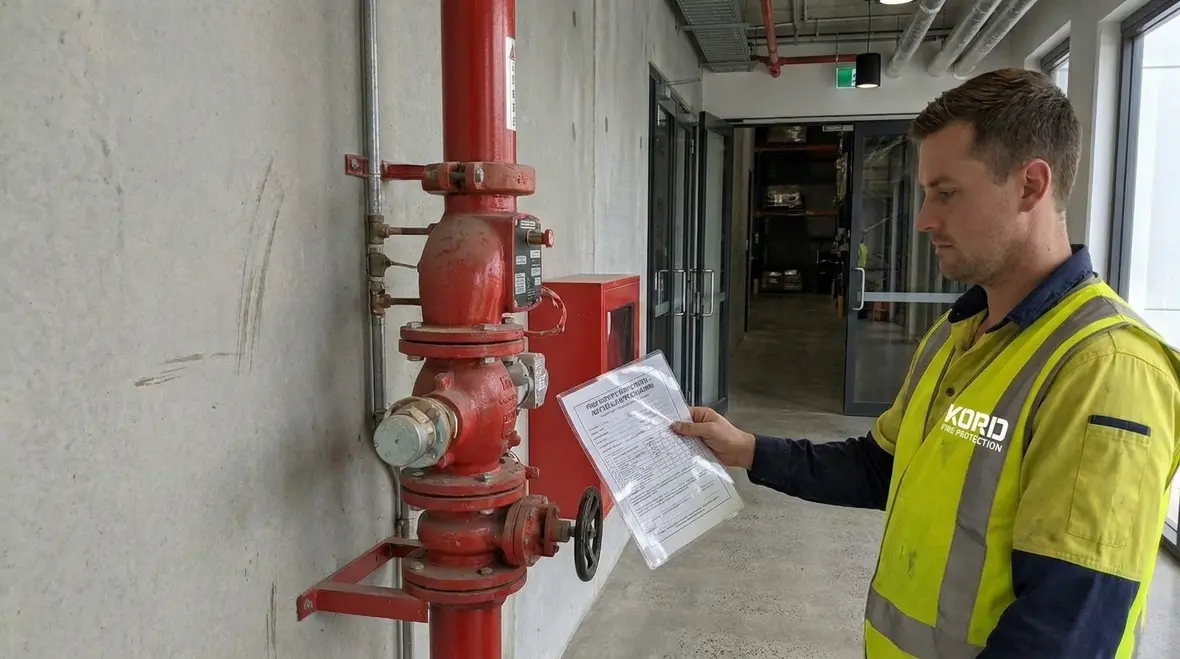
Sprinkler systems do not protect businesses by magic. They protect when they remain in reliable condition. For that reason, inspection and testing must follow a routine that fits the building and its usage. Over time, sprinkler performance can be affected by corrosion, mechanical damage, paint overspray, storage changes, ceiling alterations, and even building renovations.
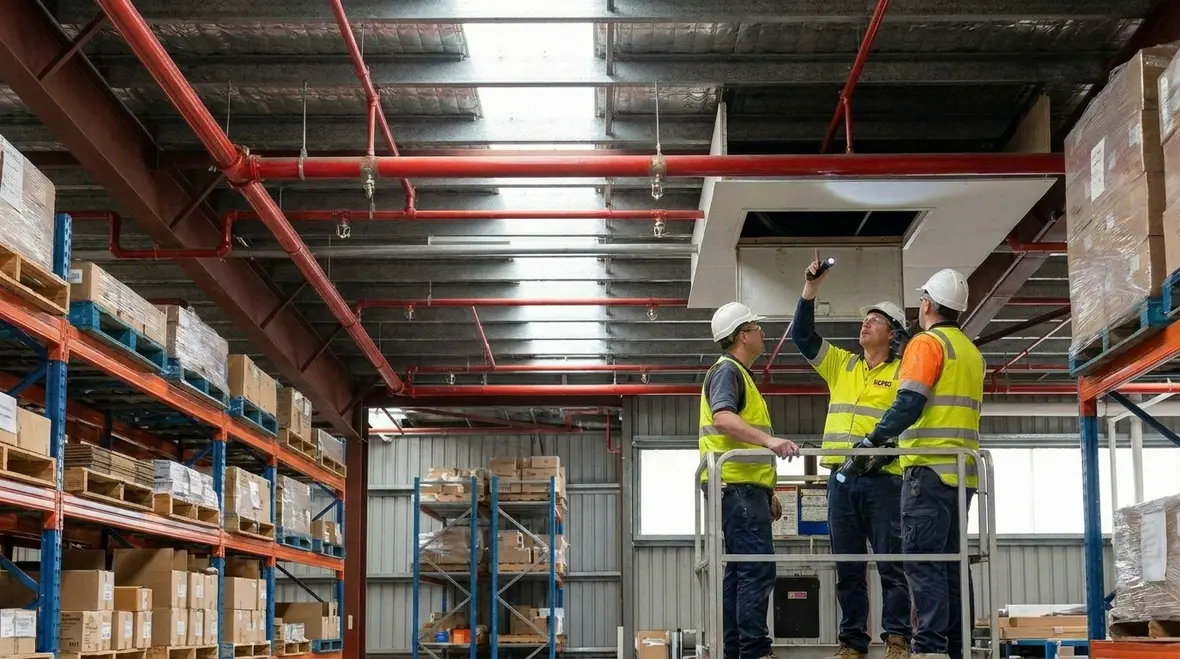
Accordingly, inspections should check physical integrity, identify obstructions, confirm signage and access, and verify that heads remain unobstructed. Where required, testing verifies flow and performance, and documentation keeps a clear record for audits and insurers.
At the same time, businesses should treat maintenance as a risk management activity, not a tick-box exercise. A site manager does not want to discover a problem after the system has sat untouched for years. Instead, planned service helps catch issues early, schedule access safely, and avoid operational disruption.
Routine service keeps surprises off the calendar
Regular inspections also create a useful trail of evidence. That can support audits, insurer conversations, management reviews, and planning for future works. More importantly, it helps teams act on small issues before they become large ones. Nobody enjoys finding out a neglected component has become the star of the problem.
Common issues in industrial and retail sites, and how to address them
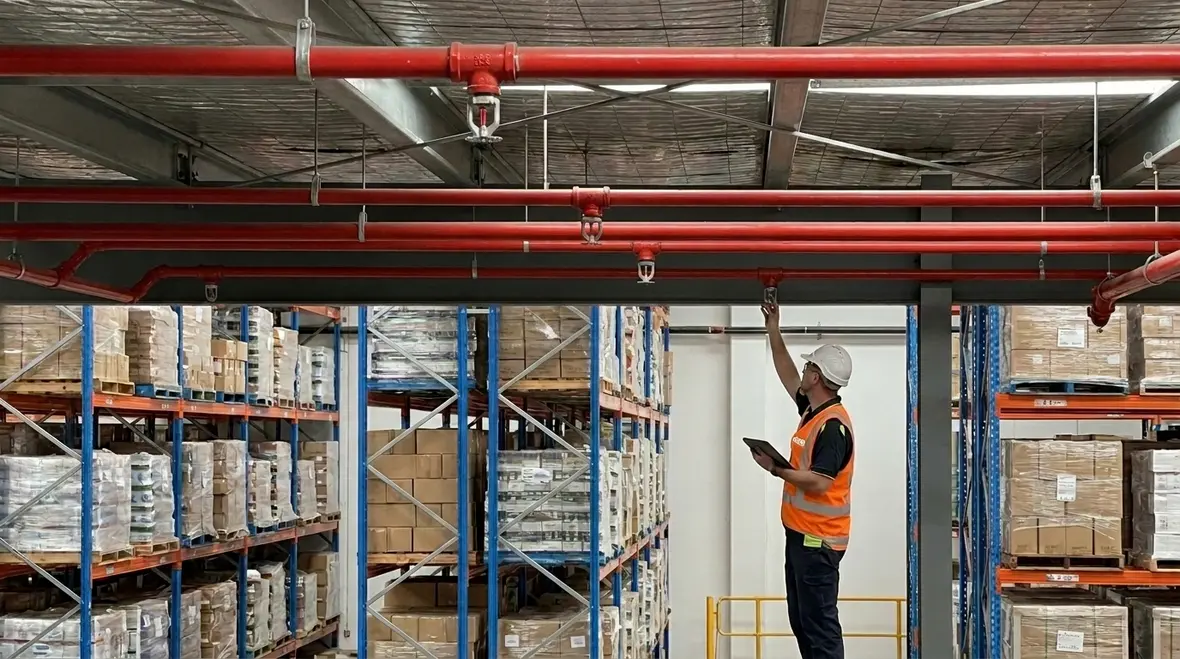
Different workplaces face different headaches, and sprinkler systems see them all. In warehouses, high piled storage and changes in racking can alter clearance and affect protection coverage. In retail, ceiling modifications, suspended displays, and fast fitouts can create obstructions that interfere with water distribution.
In industrial settings, vibration and corrosive environments can impact pipe condition and valves. Furthermore, rapid process changes can increase hazard levels in ways that were not present when the system was first designed. When hazards shift, sprinkler performance may need a review so it still matches the risks.
Therefore, businesses benefit from proactive assessments. Kord Fire Protection can support this by reviewing system condition, monitoring site changes, and recommending upgrades where necessary. This partnership approach helps teams stay ahead of compliance drift and avoid the classic “we will deal with it later” mindset, which always shows up later, usually with interest.
Site changes are often the hidden problem
A sprinkler system might have been perfectly suited to the building on day one, then gradually become mismatched as layouts, storage methods, stock profiles, and equipment changed around it. That is why periodic reviews matter. Fire risk does not stay politely still while the business evolves.
Why Kord Fire Protection acts as a partner, not just a provider
Some companies treat sprinkler work like a transactional errand. Yet commercial operations need something steadier: a partner who understands how maintenance, upgrades, documentation, and scheduling connect. Kord Fire Protection can help Australian businesses manage sprinkler systems end to end, so facility teams do not have to coordinate chaos across multiple vendors.
In practice, Kord Fire Protection supports planning for installation, integrates with site workflows, and helps manage ongoing obligations through inspection and service. Meanwhile, they keep documentation clear, so businesses can show evidence of due diligence when needed. As a result, decision makers spend less time chasing paperwork and more time running the business.
And yes, the occasional joke is allowed, but the stakes are real. A fire does not care about your busy calendar, your marketing launch, or your warehouse busy season. A reliable sprinkler system, backed by sound service, gives the business a better chance of staying on its feet.
FAQ: Commercial fire sprinklers for businesses
Ready to protect your site with confidence
Commercial fire sprinklers should protect your business, not create last-minute surprises. Kord Fire Protection helps Australian industrial, retail, and commercial facilities plan, install, inspect, and maintain sprinkler systems with clear documentation and practical scheduling. If your site is expanding, changing fitouts, or you simply want better risk control, reach out for an assessment. Let the right partner handle the details, so your team can stay focused on operations, not emergencies.