Fire Suppression Systems in Australia by Kord Fire Protection
Quick Answer: A fire suppression system is an engineered setup that detects fire and releases an extinguishing agent fast enough to control flames and protect people, equipment, and buildings. In Australia, businesses rely on these systems to meet safety duties and reduce downtime. For reliable installs and ongoing service, Kord Fire Protection helps make compliance practical, not just “paperwork”.
In plain terms, what is a fire suppression in the context of Australian businesses? It is a designed system that responds when fire begins, usually by detecting heat, smoke, or flame, and then releasing an agent such as water, foam, gas, or dry chemical. This is not guesswork, and it is not a “pray it works” approach. Instead, it is a planned line of defence that supports faster control of a developing incident.
Now, because workplaces do not get to choose when a fire starts, the system must do its job reliably, day after day, even when life is messy and calendars are packed. If a business wants less chaos and more certainty, Kord Fire Protection can become a vital partner in designing, installing, and maintaining these systems across industrial, retail, and commercial facilities across Australia. If you are also reviewing broader site protection planning, fire suppression systems are a practical place to start when comparing options and service needs.
What a fire suppression system does in the real world
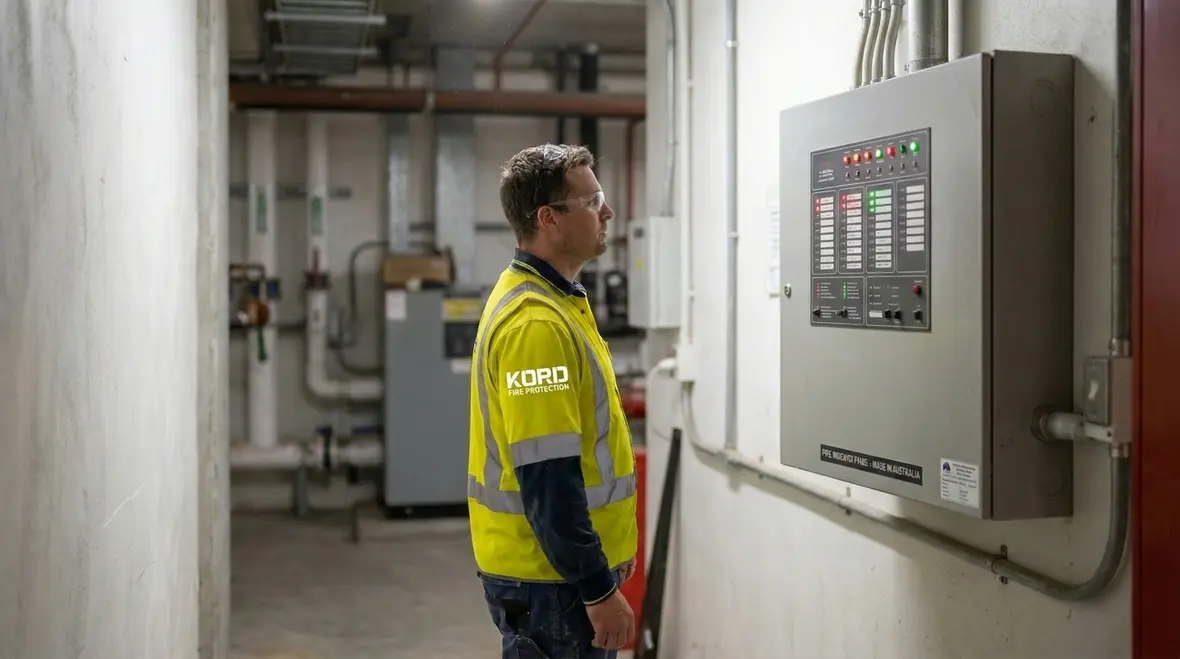
A working fire suppression system combines detection, control, and discharge so a business can respond in seconds, not minutes. First, sensors or detection devices identify conditions that match fire signatures. Next, a control panel confirms the alarm logic and triggers the release sequence. Then, the agent attacks the fire by cooling, smothering, interrupting the chemical reaction, or displacing oxygen, depending on the method.
Because the system must match the hazard, the design matters. For example, an electrical room does not get the same solution as an area with flammable liquids. Therefore, a business should not treat suppression like a one size fits all product. It is more like tailoring a suit for a shift worker. It might look similar from far away, but fit and function decide whether it keeps the person alive when things get hot.
Core functions that make the system work
- Detection triggers the response using heat, smoke, or flame signals
- Control manages timing, zones, and safe release logic
- Discharge releases the correct agent at the correct rate
- Monitoring supports alarms and reporting for compliance
That sequence sounds tidy on paper, but in the real world it needs to work while people are moving, doors are opening, equipment is running, and operations are doing their usual best impression of organised chaos. A properly designed system helps reduce the time between ignition and control, which can make the difference between a contained event and a very expensive story people keep telling at toolbox meetings.
Common suppression types used across Australian workplaces
Businesses choose suppression methods based on fire risk, occupancy, and the “stuff” that needs protection. In industrial sites, hazards can include machinery, dust, stored materials, and flammable liquids. In retail and commercial facilities, risks often involve electrical equipment, storage rooms, and fast-spreading combustibles. Because each setting behaves differently, a suppression plan must reflect the hazard profile.
Sprinkler systems remain common for many commercial and industrial buildings. They discharge water directly or via sprinkler heads designed for specific temperature and coverage.
Foam systems protect flammable liquid risks such as fuels, solvents, and certain chemical storage. Foam blankets the surface to reduce vapour release and keep the fire from re-igniting.
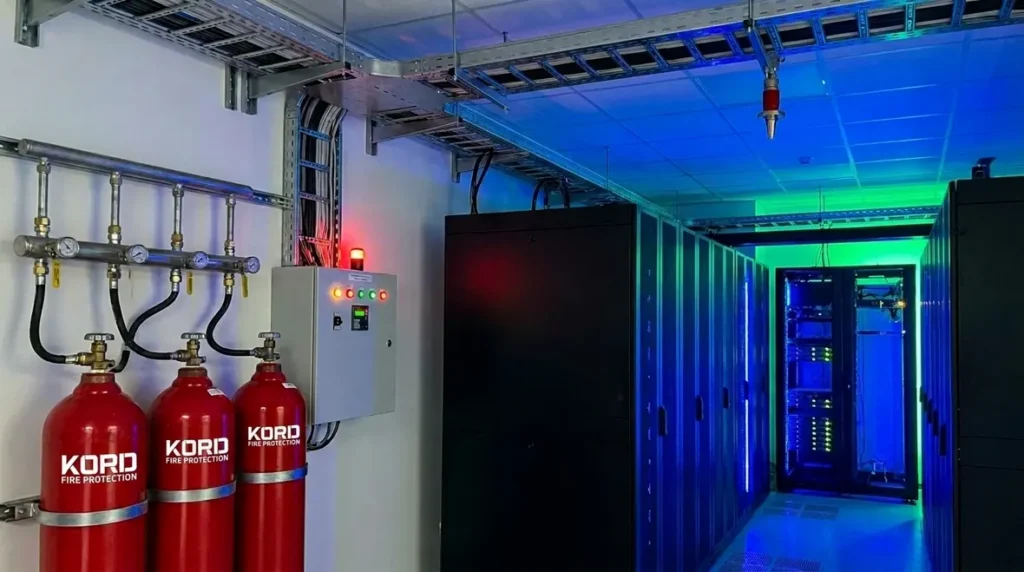
Gas suppression can suit areas where water damage is unacceptable, such as server rooms, switchboards, or tightly enclosed spaces. These systems typically use clean agent gases that reduce oxygen or interfere with chemical reactions.
Dry chemical systems are often used for specific hazards where fast knockdown is needed. They work by interrupting the reaction and forming a barrier on burning surfaces.
And yes, the most important word here is “right”. A suppression agent picked for the wrong hazard can still make noise, but it will not perform like it should. Kord Fire Protection focuses on matching the system to the risk, so the building does not end up with a solution that works like a smoke machine during a fire drill. Dramatic, but not helpful.
Choosing the right method for the hazard
This is where context matters. A warehouse storing ordinary combustibles may suit one approach, while a plant room with electrical assets or a process area with liquids will point in another direction. The “best” system is not the one with the fanciest brochure. It is the one designed around the actual fire load, the building layout, the asset value, and the operational consequences if things go wrong.
How design, installation, and compliance work together
In Australia, businesses operate under strict safety expectations. A suppression system should not be installed as a quick fix. Instead, it should follow an engineering approach that considers water supply, pipe sizing, discharge rates, detection zoning, and performance requirements.
First, a risk assessment identifies what can burn, how it can spread, and what people need during an incident. Then, the design team determines coverage areas, agent quantity, release controls, and placement of components. After that, installation brings the design to life with correct materials, fittings, supports, and leak control.
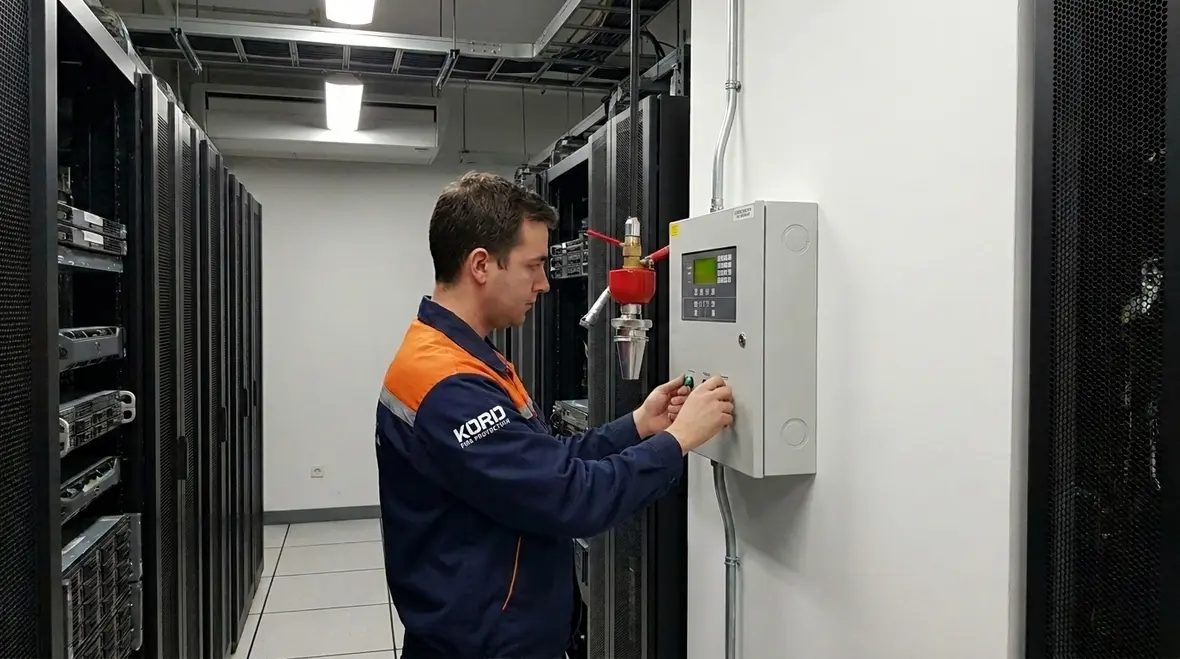
Next comes commissioning. This step verifies that the detection triggers, the control logic operates safely, and the discharge performs as expected. Finally, inspection and testing schedules keep the system ready. Because a system that looks good can still fail under load, testing provides proof.
Kord Fire Protection supports this full process so businesses avoid the “install and forget” trap. Instead, teams receive clear documentation, service planning, and practical advice that fits real operational schedules across Australia.
- Risk assessment sets the foundation for the right hazard approach
- Engineering design defines performance goals and coverage
- Qualified installation ensures correct configuration and safe supports
- Commissioning confirms triggers and discharge behaviour
- Maintenance preserves readiness over time
Good compliance is not just about having a folder full of forms that nobody reads until an audit appears. It is about making sure the installed system genuinely reflects the site, the hazards, and the way the facility operates every day. If the building changes, the fire strategy often needs to change too. Walls move, tenancies shift, equipment gets upgraded, and suddenly yesterday’s design assumptions are looking a bit optimistic.
Maintenance that protects uptime, not just paperwork
Suppression systems live in the background until the day they do their job. However, that background work still matters. Over time, components can degrade, valves can stick, nozzles can block, and detection paths can change due to ongoing site fit-outs. Therefore, planned maintenance and inspections keep the system reliable.
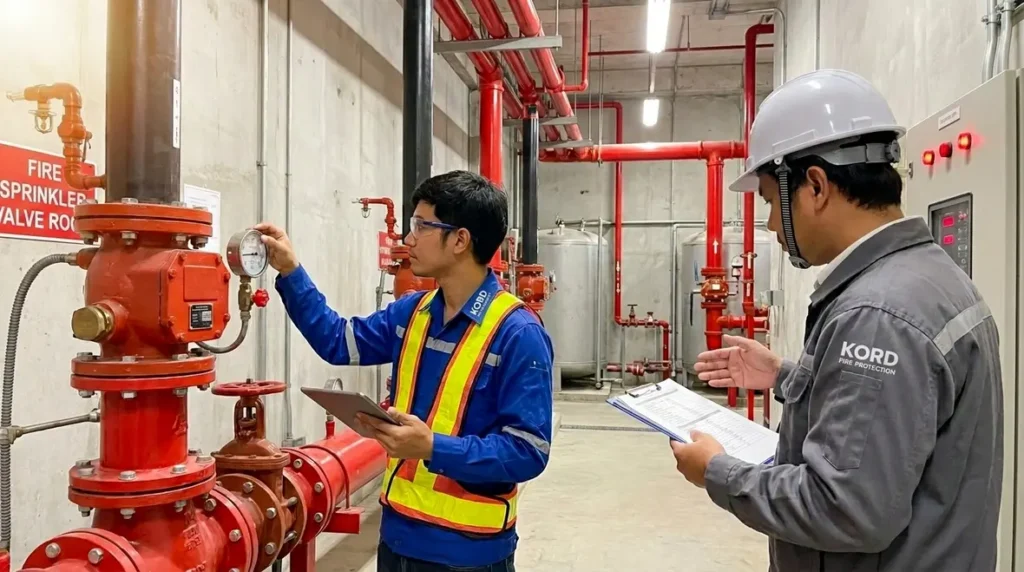
Maintenance typically includes functional checks, visual inspections, scheduled tests, and condition reporting. For example, technicians may verify valve operation, check control panel logs, inspect pipework for corrosion, and ensure detection devices remain clean and correctly positioned. Where required, testing also confirms pressure and flow performance.
In facilities, downtime is expensive. That is why a business benefits from service planning that respects production windows. If a technician schedules work well, the system stays compliant and operations keep running. Kord Fire Protection treats maintenance like a business service, not a last-minute interruption. The goal is simple: fewer surprises, faster returns to normal operations, and better assurance that suppression will work when it must.
What reliable servicing really achieves
Reliable servicing protects more than equipment. It protects confidence. Site managers want to know the system has been checked properly, documented clearly, and scheduled sensibly. They do not want guesswork, vague notes, or a maintenance plan that lands in the middle of peak operations like an unwelcome surprise guest. Proper service keeps the fire strategy current and helps businesses avoid interruptions they could have seen coming.
Choosing a partner for fire suppression system jobs
When an organisation needs installation, upgrades, or service, the vendor matters. A strong partner helps align technical needs with practical outcomes. They should communicate clearly, document work properly, and respond quickly to issues that appear during routine inspections or after site changes.
For industrial, retail, and commercial facilities, the work may span multiple hazards, different floor plans, and varied compliance obligations. Therefore, it helps to choose a team experienced across industries and locations. Kord Fire Protection brings that capability and positions itself as a vital partner, helping businesses manage what they need today and what they will need after tomorrow’s fit-out.
Also, the best providers bring a calm attitude. When a job needs urgency, speed counts. When the job needs care, patience counts. Fire safety is not the place for guesswork. It is the place for a steady hand, strong workmanship, and follow-through.
The business impact of suppression that performs
A fire suppression system does more than fight flames. It supports business continuity by reducing fire damage and helping limit the area of impact. That can protect inventory, reduce repair costs, and shorten recovery time. Just as importantly, it can protect staff by buying time for evacuation and emergency response.
In retail, controlling a developing incident can mean fewer lost trading days and less disruption to customers. In industrial workplaces, suppression can protect critical assets, machinery, and production capacity. In commercial facilities, it can protect shared services and reduce long interruptions across tenants or departments.
However, performance depends on more than hardware. It depends on correct design, correct installation, correct maintenance, and clear documentation. When these elements align, a business gains confidence. When they do not, everyone pays the price later, usually with expensive lessons that no one budgets for. Kord Fire Protection helps businesses avoid those lessons by delivering suppression solutions that stay dependable.
Why the right system becomes an operational advantage
When suppression performs properly, the value shows up in places that matter to management as much as safety teams. There is less risk of prolonged shutdowns, less chance of severe asset loss, and a stronger basis for planning around continuity. In simple terms, a well-managed system helps businesses recover faster and keep bad days from becoming catastrophic ones. Nobody gets excited about that at first, until they need it. Then suddenly it is the smartest thing in the room.
Quick note on selecting the right scope
| Service need | What Kord Fire Protection typically supports |
| New builds and fit-outs | System design support, qualified installation, and commissioning |
| Existing system maintenance | Inspections, tests, condition reporting, and service scheduling |
| Upgrades after risk changes | Assessment of hazards, component upgrades, and performance improvements |
FAQ
Call to action
For industrial, retail, and commercial facilities across Australia, a dependable suppression system is an operational advantage, not a box to tick. Kord Fire Protection can support the full journey from system readiness to ongoing service, so your site stays safer and your downtime stays lower. If suppression performance matters to your people and your bottom line, contact Kord Fire Protection today for an obligation free discussion and a clear next step.