Fire Extinguisher vs Fire Suppression System in Australia
Quick Answer: A fire extinguisher vs fire suppression system is a simple way to think about it. Extinguishers respond fast for small fires when someone can safely act. Suppression systems protect bigger spaces automatically, reduce damage, and cover hazards that people cannot reach in time. For reliable compliance across Australia, Kord Fire Protection helps teams choose, install, and service the right solution.
If your site is reviewing broader protection planning, it is also worth exploring Kord Fire Protection’s approach to fire suppression systems so the bigger picture makes sense before a small incident decides to become everyone’s problem.
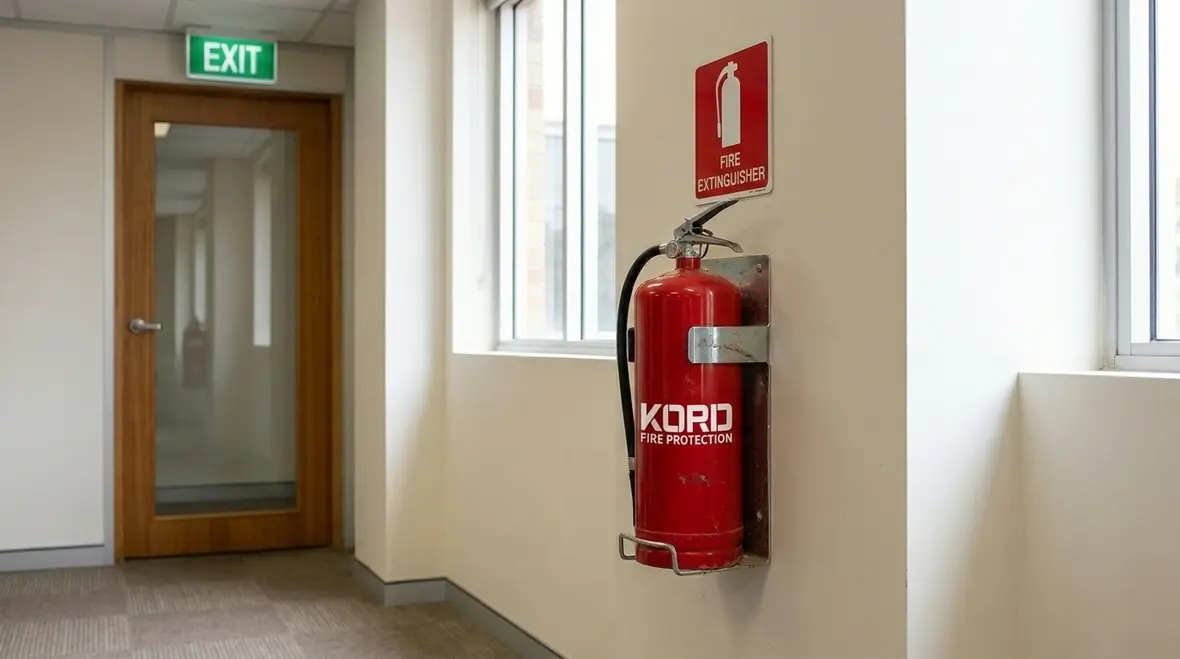
Fire extinguisher vs fire suppression system: the practical difference
In the real world, a fire extinguisher vs suppression system both aim to stop fire growth, but they do it in very different ways. Extinguishers give trained people a chance to control a small incident early. Suppression systems work whether anyone is ready or not, releasing water, foam, gas, or other agents based on heat or detection. And honestly, hoping a fire stays small is like hoping a loose conveyor belt “probably won’t” cause trouble. In busy industrial, retail, and facility environments across Australia, the smarter approach pairs the right device with the right risk.
Why the difference matters on real sites
The practical difference is not just portability versus automation. It is also about timing, coverage, and how much you are asking people to do during a stressful event. An extinguisher is a frontline tool, but only if someone sees the fire early, knows what they are looking at, and can get close without putting themselves at risk. A suppression system steps in when those conditions fall apart, which, to be fair, is often exactly when trouble gets serious.
That is why many Australian facilities think in layers instead of either-or choices. A visible extinguisher can support confident early action. A properly designed automatic system can control spread in the background, even if the area is empty, noisy, blocked, or simply moving too fast for human reaction. When the hazard is larger than a tidy little bin fire, the distinction becomes very real, very quickly.
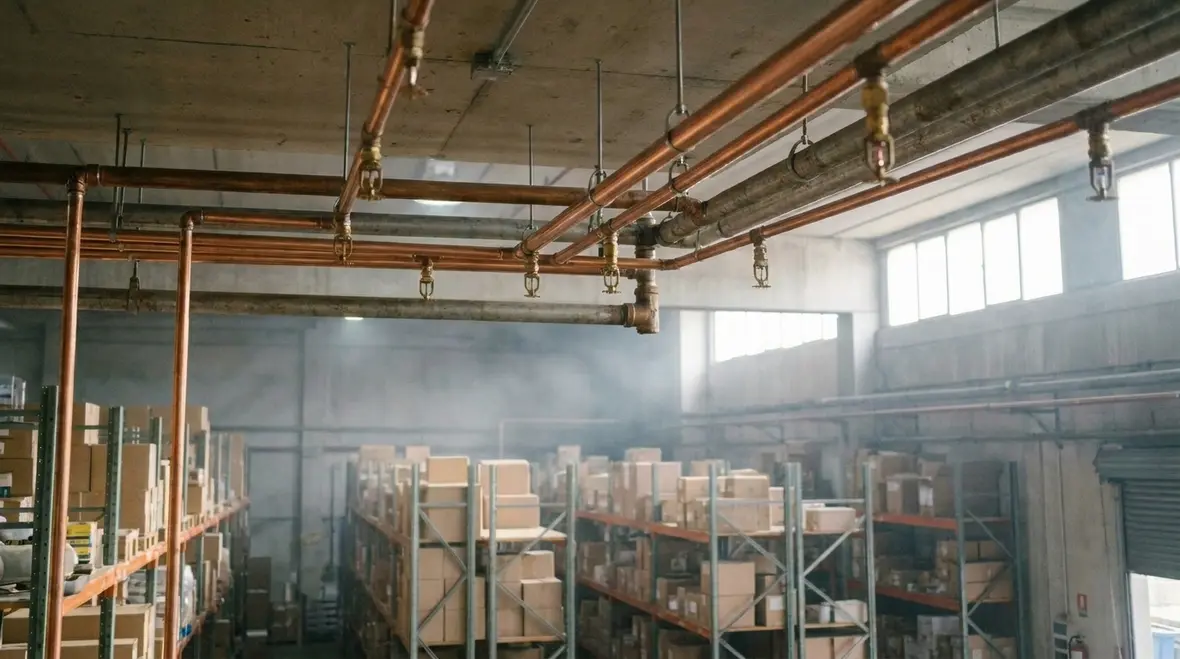
How fire extinguishers work for early response
Fire extinguishers are portable. They rely on a person to notice smoke, decide to act, and apply the correct agent to the correct location. Because of that, they shine in settings where staff can move quickly and where fires start in predictable areas.
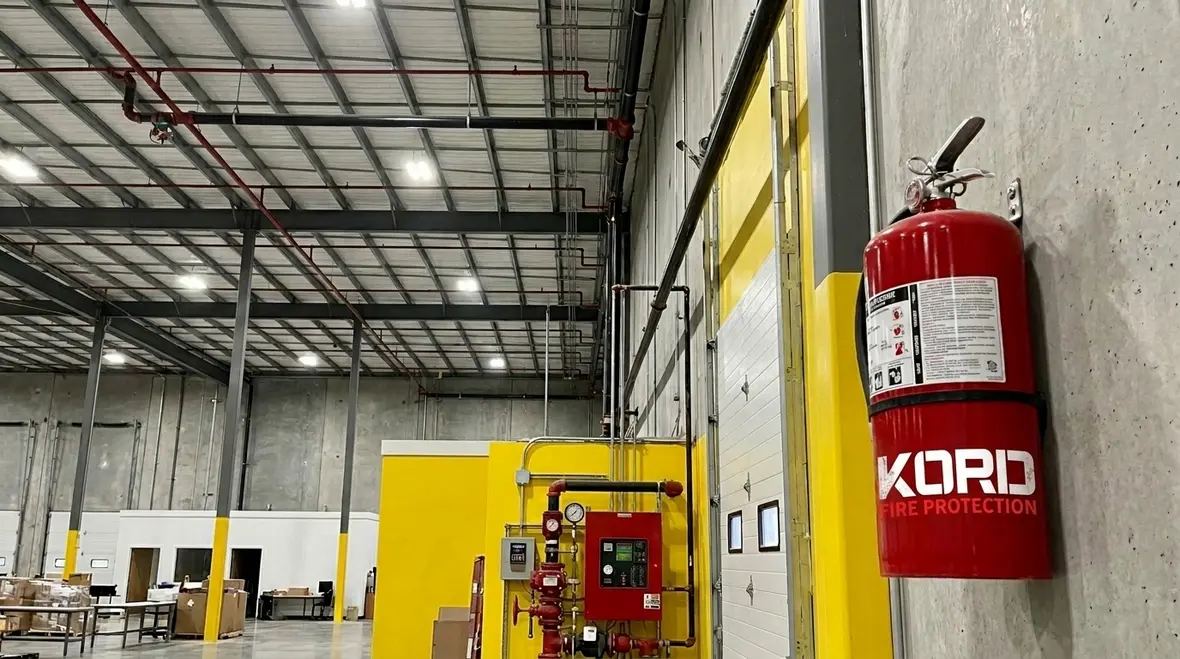
For industrial, retail, and commercial sites, extinguishers also act as a visible safety tool. However, visibility does not equal effectiveness. A unit can be mounted correctly and still fail when the wrong agent meets the wrong fuel, or when the fire grows before a person can reach it.
Typically, extinguishers help in these situations:
- Small, contained fires in accessible areas
- Incidents in low to moderate hazard zones
- Spill related flare ups where trained staff can respond immediately
Still, extinguishers have limits. They usually cover a narrow footprint, and they do not protect hidden voids, electrical cabinets, or high racks where flames can spread quietly. Therefore, Kord Fire Protection helps organisations map extinguisher placement to actual travel routes, hazard type, and occupancy, instead of relying on guesswork and “the last inspection said it was fine.”
Where extinguishers are strong and where they struggle
Their biggest strength is flexibility. A trained worker can grab an extinguisher and target a small problem before it builds heat, smoke, and panic. That makes them valuable in kitchens, workshops, plant rooms, stock areas, and everyday commercial spaces where a fast response can make all the difference. They are also relatively simple to deploy across a site and easy for teams to recognise.
But the struggle starts when fire spreads beyond one clear point of attack. If access is poor, visibility drops, or the fuel source is not what someone first assumes, the window for safe manual action shrinks fast. Extinguishers are important, but they are not magical. They do not replace planning, detection, maintenance, or the sort of system support that keeps a small drama from becoming a site-wide headache.
What fire suppression systems do automatically
A suppression system aims to control a fire without requiring immediate human action. Instead of a person pulling a handle, the system detects heat or fire conditions and then releases an extinguishing agent. As a result, it can limit spread during the critical early moments when escape and reaction time matter most.
Suppression systems come in several forms, depending on hazard and building use. Facilities often consider:
- Sprinkler systems for many general commercial and industrial spaces
- Foam or water based systems where flammable liquids exist
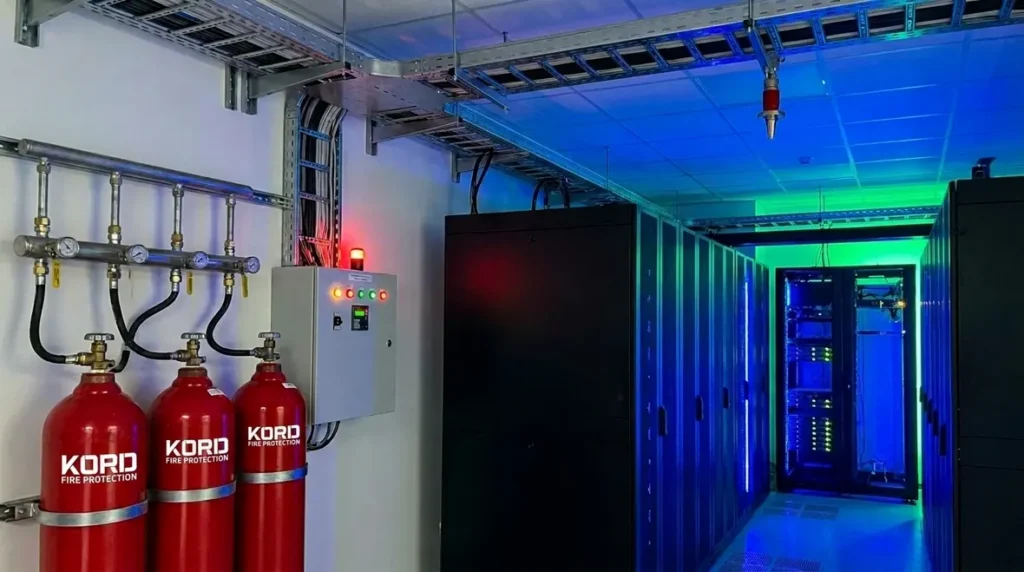
- Gas systems for areas where water damage is unacceptable
- Specialised systems for processes that create unique fire behavior
Because these systems operate automatically, they can reduce heat and smoke spread, protect means of egress, and lower the chance that fire damage forces long shutdowns. Meanwhile, a well designed system does not just “put out a fire.” It supports a site’s overall emergency plan by controlling the hazard, buying time, and reducing downstream losses.
Kord Fire Protection works with facilities across Australia to ensure suppression plans match risk, design intent, and ongoing service needs. After all, a system that is installed but not maintained is like a fire alarm that “kind of works.” It might make noise, but it still might not save the day.
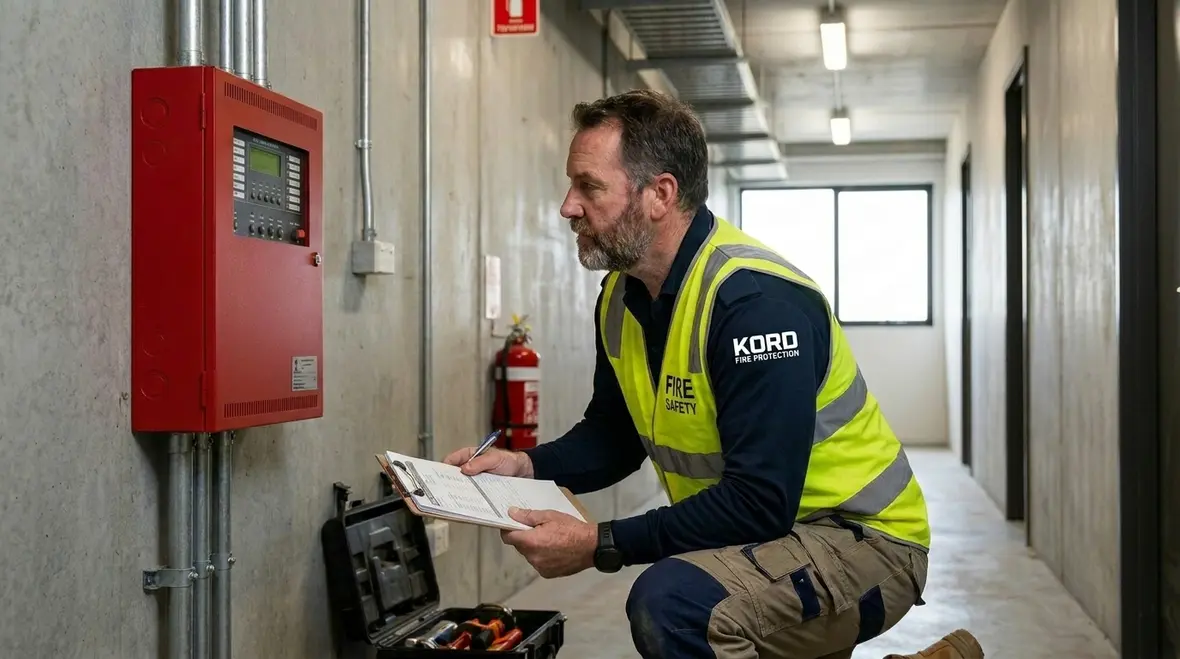
Automatic protection buys time when seconds go missing
The hidden advantage of automatic suppression is time. In a real emergency, seconds disappear into alarm checks, hesitation, radio calls, evacuation, and plain old confusion. Automatic systems do not pause to think about any of that. They respond to the conditions they are designed for and begin controlling the hazard while people focus on getting clear and following procedures.
That matters most in larger footprints, high storage areas, enclosed equipment spaces, and sites with after-hours operations. If a fire starts in an empty section overnight, a portable extinguisher is not going to march over there by itself. A suppression system, however, is built for exactly that sort of inconvenient reality.
When a site needs both: risk based selection
Most real facilities do not rely on a single tool. Instead, they use layered protection. Extinguishers handle small starts and give staff a first move. Suppression systems tackle larger, faster growth and hazards that staff cannot reach safely.
To choose the right mix, teams should evaluate hazard, fire load, detection ability, access, and operational constraints. In industrial settings, that often includes process equipment, storage layout, conveyor runs, and the way products and packaging behave under heat. In retail and commercial spaces, it includes customer flow paths, electrical load points, and areas where ignition sources cluster.
Key factors that often tilt the decision include:
- Whether flames can block exits or spread to other zones quickly
- Whether fire risks hide behind walls, ceilings, or equipment
- Whether staff can reach the seat of fire before the situation escalates
- Whether water or other agents could cause unacceptable business damage
And then there is the compliance reality. Different environments require different expectations for protection, inspection, and ongoing checks. Kord Fire Protection becomes valuable here by aligning equipment selection with site conditions, documentation needs, and practical maintenance workflows. It is not just about buying gear. It is about making it work when it counts.
A layered approach usually wins
In most facilities, the best answer is not choosing a favourite. It is assigning each form of protection the job it does best. Extinguishers support people in the first moments of a controllable event. Suppression systems protect the wider environment when the fire is too fast, too hidden, or too risky for close manual action. Together, they create overlap instead of blind spots.
That overlap is useful because sites change constantly. Layouts shift, stock moves, machinery is upgraded, and hazards rarely send a polite memo before evolving. A risk based selection process keeps protection tied to the actual operation, not just to whatever was installed years ago when the floorplan looked very different and someone still remembered where everything was.
Installation, placement, and ongoing maintenance in Australia
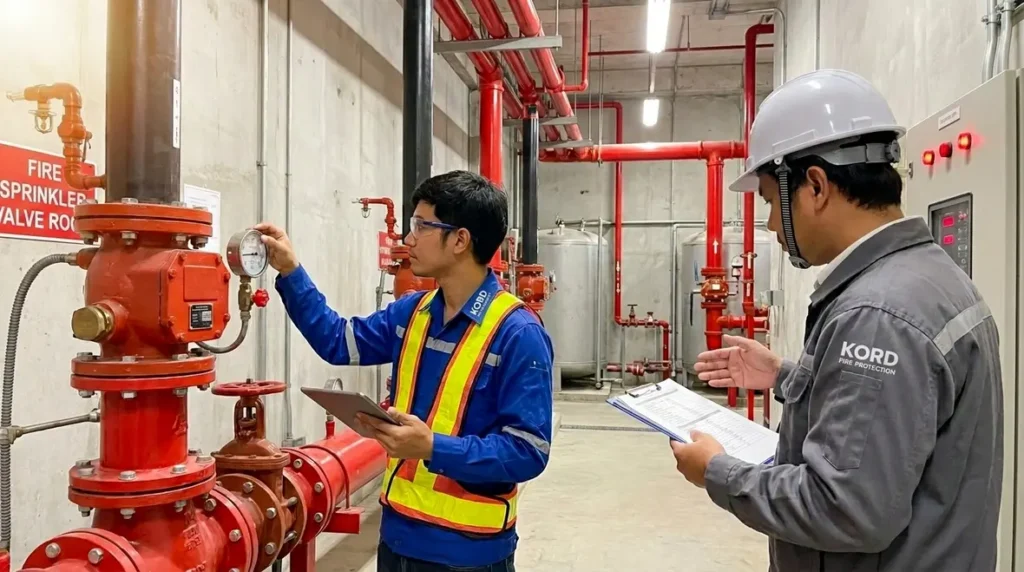
Even the best design fails if installation and upkeep slip. Extinguishers must sit in the right places, have correct signage where needed, and remain accessible. They also require routine inspection and service by qualified professionals.
Suppression systems demand their own discipline. Components must stay within approved tolerances. Pipework, valves, detection interfaces, and alarm integration need periodic checks. Agent integrity also matters for systems that use gas or foam, where performance depends on correct charge and controls.
Most facilities experience problems in the boring areas: moved stock, blocked access, modified partitions, extra equipment added to the hazard zone, and delayed maintenance schedules. Transitioning operations without updating fire protection is how organisations accidentally turn a safety plan into a historical document.
Kord Fire Protection helps industrial, retail, and commercial clients across Australia keep systems current. They support teams with practical servicing, audit readiness, and recommendations that fit day to day operations. In other words, they help the fire protection plan stay alive, not just survive paper audits.

Maintenance is where good intentions become real protection
Maintenance is not the glamorous part of fire protection, but it is usually the part that decides whether equipment performs properly under pressure. A beautifully specified system means very little if access is blocked, agents are out of tolerance, components are isolated, or site changes were never reflected in the protection design. This is where routine checks earn their keep.
For busy facilities, the challenge is consistency. People are juggling production, visitors, deliveries, contractors, and whatever urgent thing popped up five minutes ago. Fire protection can drift into the background unless someone keeps it tied to daily operations. That is why structured servicing and practical follow-up matter so much. The boring details are usually the ones that save the day.
How Kord Fire Protection supports fire safety outcomes
Choosing between fire extinguisher vs suppression system is only part of the job. The larger win is building confidence that the protection will perform in your specific environment. Kord Fire Protection acts as a partner that connects hazard understanding to the right solution, then supports it through installation and ongoing service.
For facility managers and safety leaders, partnership matters because the work does not stop at the first purchase order. It continues with inspections, maintenance planning, staff coordination, and updates when the site changes. When businesses operate across multiple departments and shifts, consistency saves time and reduces risk.
Kord Fire Protection also brings a calm, methodical approach to a topic that usually makes everyone nervous. After all, fire safety should feel like a steady seatbelt, not a surprise rollercoaster. Together, they help clients protect people, protect assets, and reduce downtime caused by incidents and by avoidable system failures.
FAQ
Conclusion and call to action
A fire extinguisher vs suppression system decision should start with risk, not guesswork. Extinguishers help staff act early, while suppression systems automatically control hazards that grow faster than people can react. For industrial, retail, and commercial facilities across Australia, Kord Fire Protection can guide the right mix, install properly, and maintain every component so it performs when it matters. If you want dependable protection and clear next steps, contact Kord Fire Protection today.