High Risk Facility Fire Extinguisher Rules in Australia
Quick answer: In Australia, high risk facility fire extinguisher rules focus on risk levels, correct extinguisher type, placement, signage, and inspection records. Facilities must match equipment to hazards such as flammable liquids, electrical risks, and processes that can escalate fast. Kord Fire Protection helps organisations meet compliance with calm, careful service.
When a high risk facility fire extinguisher plan gets it wrong, the problem does not politely wait for the next inspection date. Instead, fire grows, smoke spreads, and response time shrinks like a magician’s rabbit that never shows up. In Australia, this topic sits inside work health and safety expectations, fire safety duties, and standards that demand the right extinguisher, installed the right way, with proof it stays ready. In this article, third person explains what “high risk” really means for Australian sites, what facilities must document, and how Kord Fire Protection can become the vital partner that turns paperwork and training into dependable protection.
For a broader look at compliance habits that keep extinguishers dependable across active workplaces, see Kord Fire Protection’s fire extinguisher services. It fits naturally here because high risk facilities do not need generic advice. They need practical servicing, correct placement, and records that hold up when the pressure is on.
Understanding high risk facility hazards in Australian workplaces
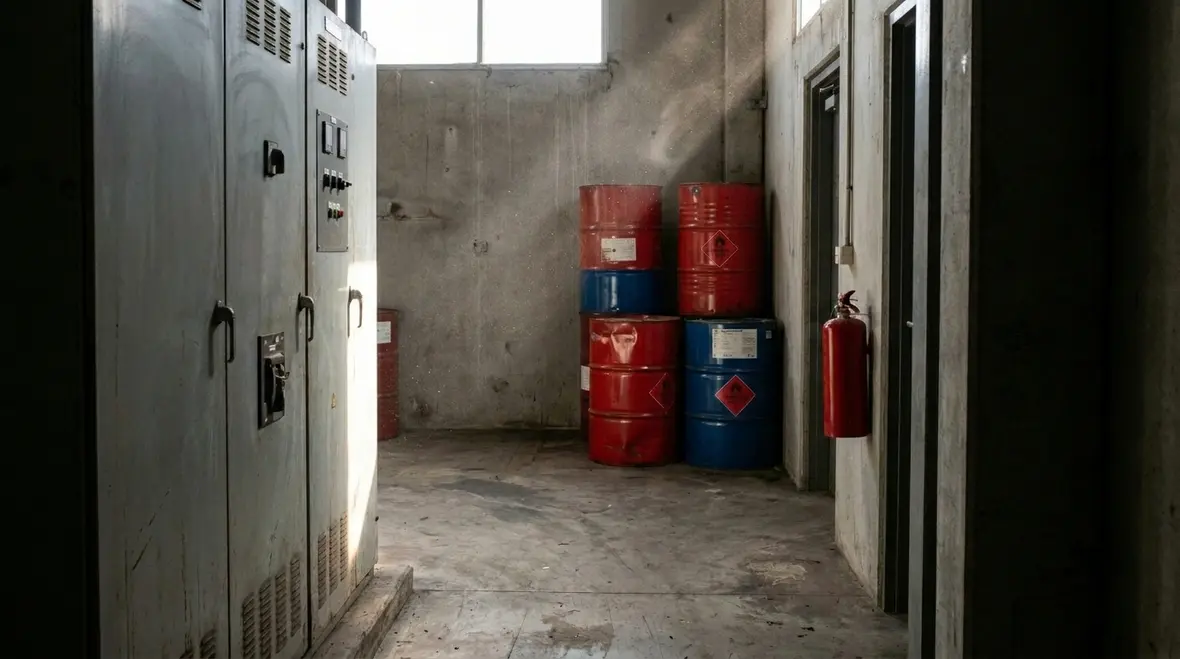
High risk is not a fancy label. It is a practical way to say that a fire could start more easily, spread faster, or burn in a way that ordinary extinguishers cannot control. Additionally, high risk conditions often include flammable liquids, dust, gas, high voltage areas, busy plant rooms, vehicle charging, and work where ignition sources appear frequently.
For industrial, retail, and commercial facilities across Australia, “risk” also includes human factors. Staff may be rotating shifts, contractors may be on site, and processes may change seasonally. Therefore, the high risk facility fire extinguisher requirements do not only care about the hazard list on paper. They also care about how the site behaves in the real world.
To keep it simple, think of risk as a chain reaction. Remove enough links, and the chain snaps. Ignore the right link, and the chain keeps moving, like a pop song that refuses to end at the exact chorus you wanted. That is why facilities need hazard reviews that look beyond one room or one checklist. A site can appear orderly in the morning and become a very different beast by afternoon once deliveries arrive, contractors start work, or production ramps up.
High risk facilities also tend to have overlapping hazards. A workshop may combine combustible materials, charging equipment, oils, electrical boards, and storage that slowly creeps closer to ignition points over time. In those environments, a generic extinguisher plan is about as useful as a paper umbrella in a hailstorm. The protection strategy has to reflect the actual behaviour of the workplace, not the fantasy version everyone wishes they ran.
What the legal and standards focus looks like for extinguishers
Risk based compliance is the real theme
Australia expects fire safety management that is risk based and documented. Fire extinguishers must match the hazard type, and the design of the system must allow people to reach hazards without delay. Importantly, duties usually land across the site operator and whoever controls the workplace, so facilities must keep records, maintain equipment, and ensure the setup supports immediate response.
Standards and guidance commonly require correct extinguisher selection, suitable rating, correct mounting, and safe access. Furthermore, the inspection and maintenance schedule must follow the required intervals and include documented checks. If an extinguisher is missing its tag, evidence of servicing is absent, or the wrong unit sits near the wrong hazard, the site loses more than compliance. It loses confidence at the moment someone pulls the pin.
In practice, this means facilities must treat extinguisher readiness as an operational function, not a yearly chore. Kord Fire Protection supports that approach by aligning extinguisher selection, placement, and ongoing service to the site’s actual hazards, rather than generic assumptions. That difference matters because compliance on paper can still fail in practice if the equipment is badly located, poorly maintained, or simply not suited to what might actually catch fire.
A strong compliance mindset also means assigning responsibility clearly. When everyone vaguely assumes someone else is handling inspections, signage, and service records, gaps appear. Then those gaps quietly sit there until an audit, incident, or near miss drags them into daylight. Nobody enjoys that moment. A managed service approach helps stop the old classic of “We thought that had already been done.”
Choosing the right extinguisher type for different fire classes
Selection has to match the hazard, not just the hallway
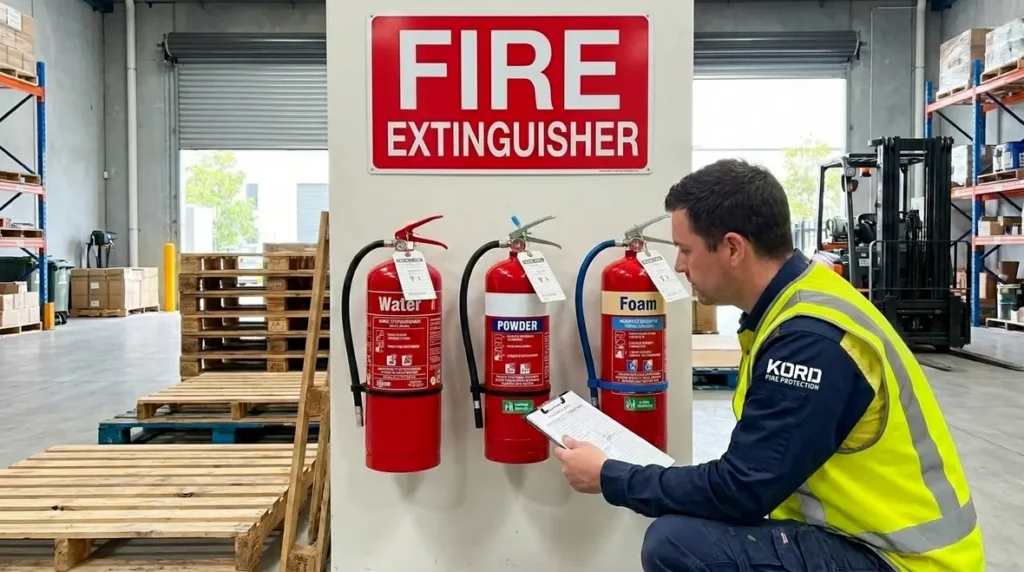
A facility does not face just one kind of fire. As a result, correct selection matters. Different fire classes need different extinguishing media and performance characteristics. For example, flammable liquids often require foam or dry chemical solutions, while electrical hazards may require agents that interrupt the reaction without creating dangerous residue in sensitive areas. Meanwhile, ordinary combustibles and paper based materials lean toward other extinguishing approaches depending on the scenario.
Also, the environment changes the choice. A dusty plant room behaves differently than a clean retail back office. Oil mist and vapours shift the risk profile. In addition, portable extinguishers must fit the way staff will use them. Heavy or complex units do not help if staff cannot operate them quickly and safely under stress.
Kord Fire Protection typically helps sites confirm the hazard mapping, ensure that the extinguisher type fits, and that the unit’s rating aligns with the scenario. That means fewer “close enough” placements, and more predictable outcomes when seconds matter. In high risk facilities, “close enough” is usually the sentence people say right before discovering it was, in fact, not close enough at all.
It is also worth remembering that one building may need multiple extinguisher types across different zones. An office area, loading bay, electrical room, and workshop may sit under the same roof while demanding very different first response tools. Sensible planning keeps the right unit near the right hazard instead of relying on wishful thinking and a brisk jog down the corridor.
Placement, signage, and access rules that people forget
Good equipment still fails if people cannot reach it
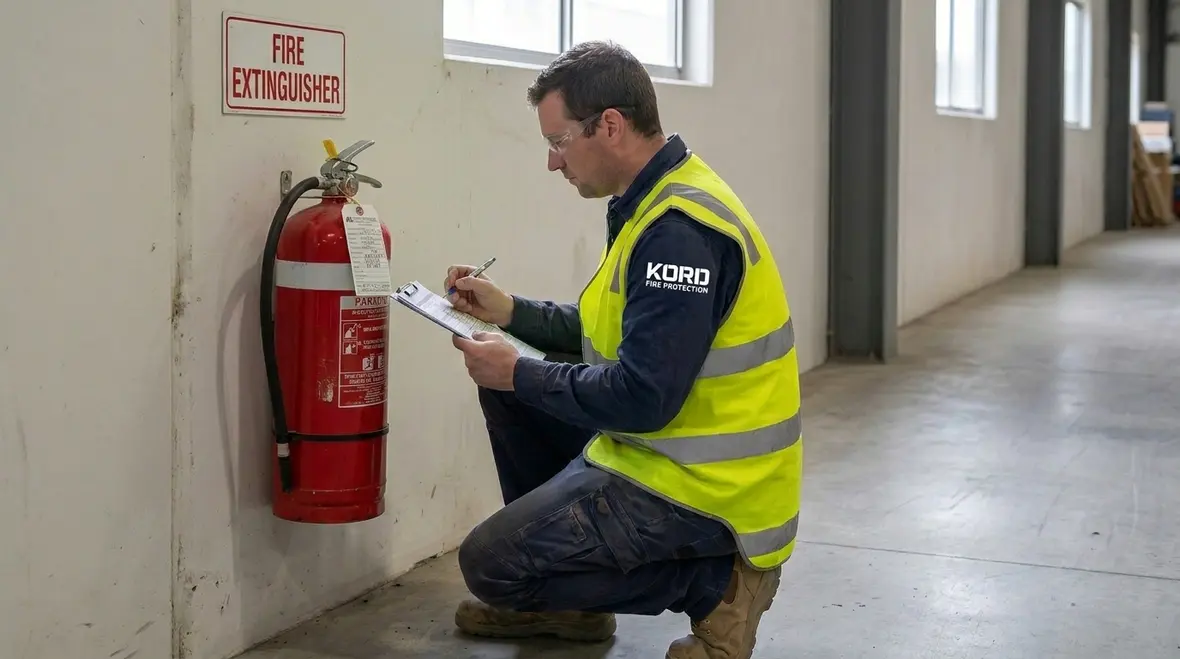
Even when the extinguisher is the correct type, poor placement can turn a lifesaver into a locked cabinet. Facilities must consider reach distances, obstruction control, and access paths that remain clear during normal operations. Moreover, signage must be visible, and mounting must support safe handling without blocking circulation.
High risk locations often need extra attention. For instance, equipment rooms, transfer areas, and zones near ignition sources must allow a quick route. Additionally, vehicle charging spaces, workshops, and storage bays require careful assessment since hazards can shift and increase after hours.
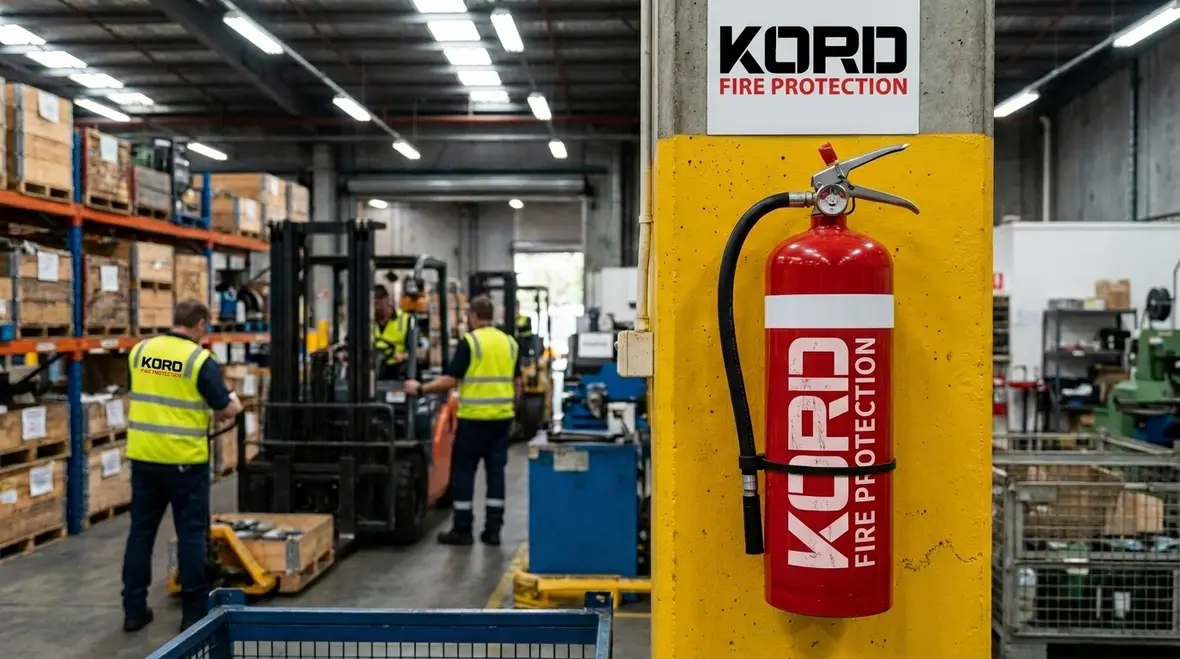
Here is a reality check: many organisations keep adding equipment, racks, or seasonal stock. Then, one day, the extinguisher ends up behind a pallet or tucked behind a “temporary” barrier that became permanent, because humans. Therefore, the service plan must include checks that look at the environment, not only the extinguisher canister.
Kord Fire Protection can support this by reviewing the layout as part of its service cycle and advising on practical placement adjustments. This keeps access reliable rather than hopeful. The best extinguisher in the world is not especially impressive if it is hiding behind surplus stock and a ladder no one remembers leaving there.
Inspection, maintenance, and records for ongoing compliance
Readiness must be visible in both the equipment and the paperwork
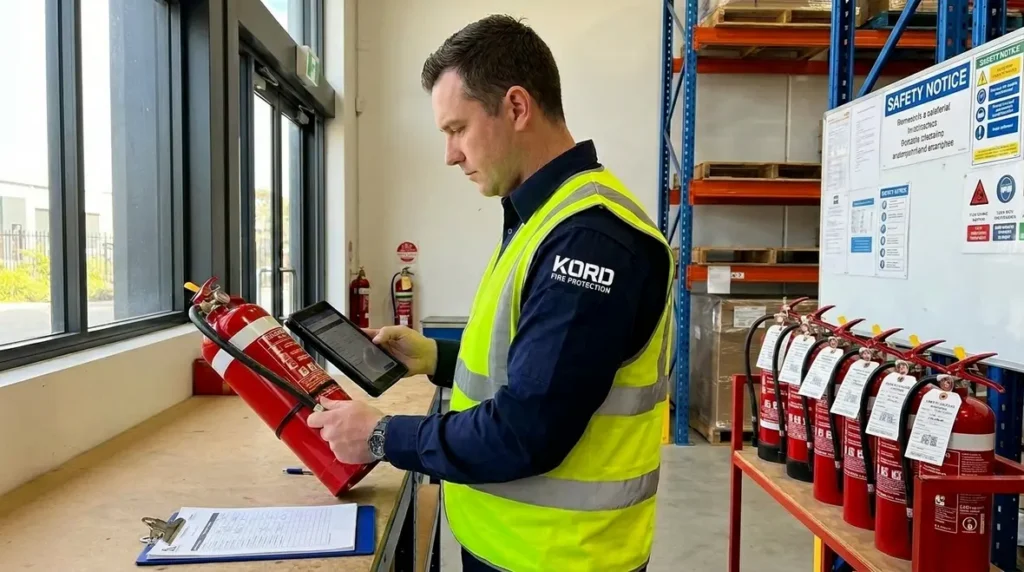
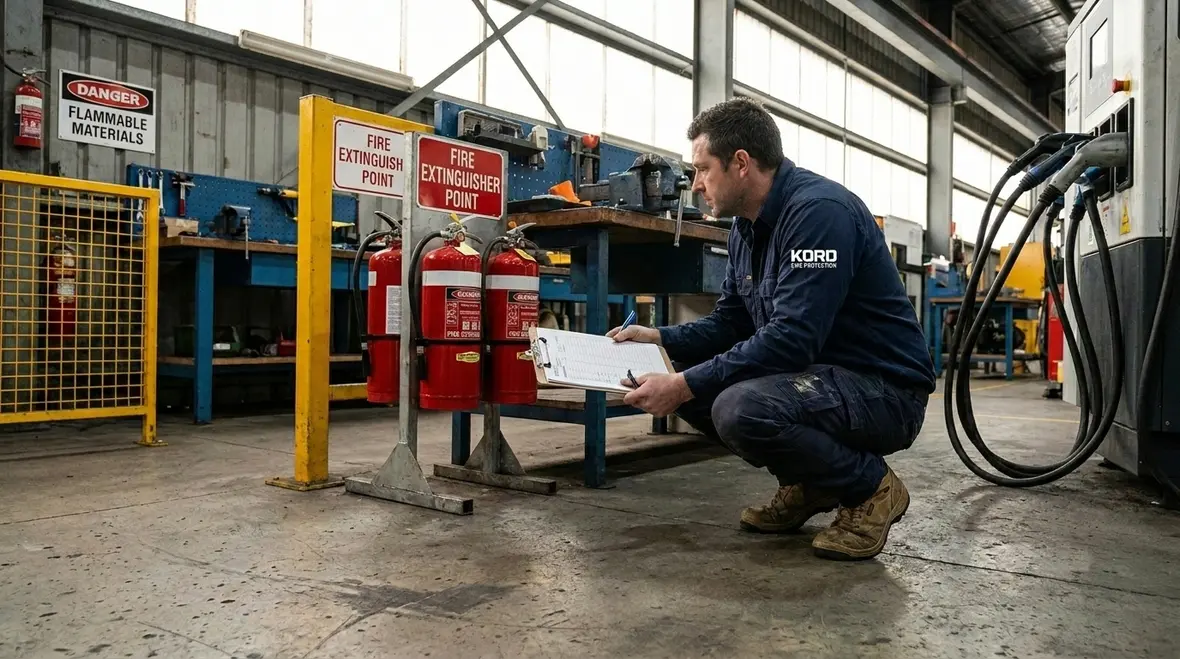
Compliance lives in documentation. A competent facility fire safety program maintains records that prove inspection, servicing, and corrective actions. Inspections generally include checking the condition, pressure indicators where relevant, safety seals, signs of damage or tampering, and readiness for use. Servicing and maintenance must occur at the required intervals and follow the required procedures, so extinguishers keep their performance.
Furthermore, high risk environments may demand more frequent attention based on usage patterns, exposure, and operational changes. Dust, vibration, heat cycles, and maintenance work can affect readiness. If staff use an extinguisher and it was not replaced properly, the “protected” status becomes a myth.
Kord Fire Protection helps organisations maintain clean, audit ready records and provides scheduled servicing that reduces disruption. In other words, the paperwork stops feeling like punishment and starts acting like proof. That shift is valuable for managers who already have enough moving parts to track without also becoming amateur detectives searching for missing service tags.
| Service focus | What facilities gain |
|---|---|
| Site risk review for extinguisher selection and placement | Units match hazards, access routes stay workable |
| Inspection and maintenance scheduling with record keeping | Audit ready documentation and fewer surprises |
| Tagging, servicing, and corrective actions | Reliable readiness in high risk facility scenarios |
| Practical guidance for staff awareness | Better first response and safer handling |
How Kord Fire Protection becomes the vital partner
A managed process beats reactive scrambling
Large facilities and multi site retail operators often juggle plant changes, contractor activity, and shifting floor plans. Consequently, extinguisher compliance can drift over time if the service model is only reactive. Kord Fire Protection positions itself as a vital partner by taking a full view: hazards, extinguisher types, placement, access, and service records that stand up under scrutiny.
Additionally, a strong partner reduces stress for site managers. Instead of chasing missing tags, guessing service intervals, or correcting issues after the fact, facilities get a managed process. And yes, the goal is calm confidence, not panic meetings that start with “Just checking, is it still… you know… working?”
When organisations choose Kord Fire Protection, they gain more than servicing. They gain a system that supports a safer workplace across industrial, retail, and commercial environments throughout Australia. That kind of support becomes especially useful when sites grow, layouts change, and the original extinguisher plan no longer matches what is actually happening on the ground.

FAQ
Conclusion: take action now for dependable readiness
Fire safety does not improve by luck. It improves through correct selection, sensible placement, reliable inspection, and records that prove readiness. If your site spans industrial processes, retail back areas, or commercial spaces, Kord Fire Protection can help you meet high risk expectations with a steady, managed approach. Contact Kord Fire Protection today to review your extinguisher setup, align it to your hazards, and keep your protection dependable when it counts.