Apartment Fire Alarm System Maintenance Australia
Quick Answer: Apartment buildings need fire detection that works reliably, meets Australian rules, and stays fault free over time. Common issues include nuisance alarms, aging devices, poor device placement, and weak maintenance records. With the right testing and upgrades, the apartment fire alarm system can protect lives, reduce downtime, and support compliance.
When a fire starts, seconds matter. So when an apartment building owner picks an apartment fire alarm system, they should treat it like life support, not like a “someday” project. In the introduction, our company, Kord Fire Protection, approaches these jobs with practical planning and calm certainty, because panic is for movies, not for facilities managers. While the building may look steady, the alarm system can quietly drift out of step through device wear, wiring issues, and maintenance gaps.
And yes, nuisance alarms happen. When they do, tenants complain, staff get distracted, and someone inevitably says, “It’s probably just toast.” However, a properly designed and maintained fire alarm system stops small problems early and keeps the building ready for real emergencies. For broader context on compliant alarm design and upkeep, see fire alarm systems.
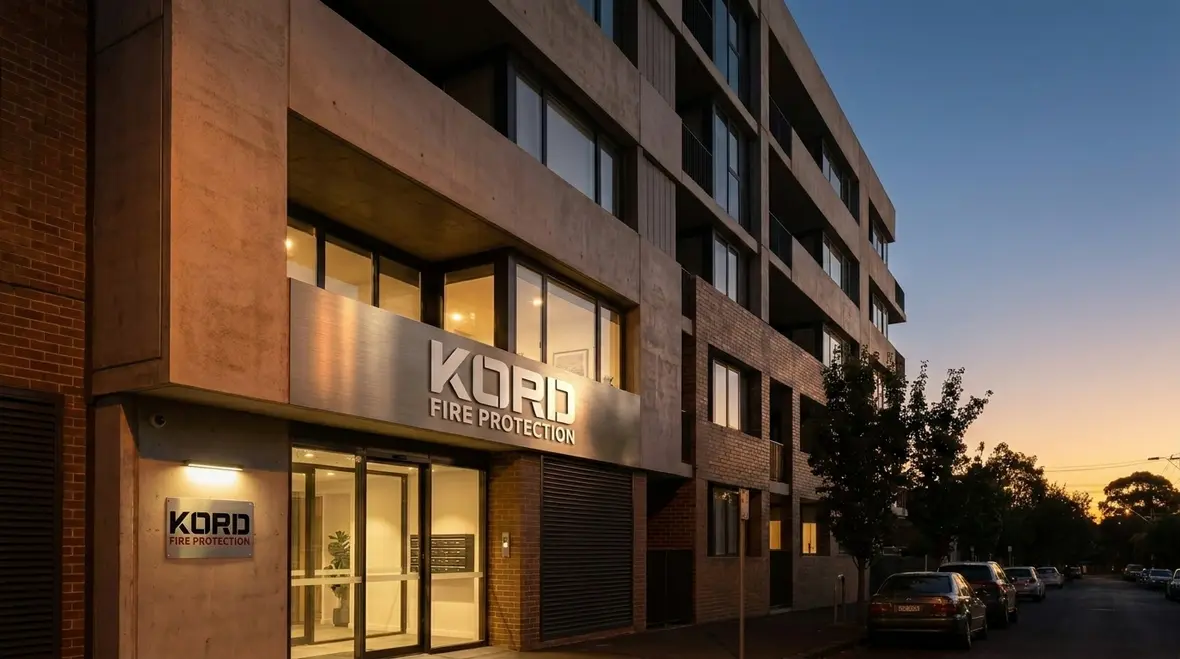
Requirements that govern fire alarms in multi storey buildings
In Australia, fire alarm design and ongoing performance must align with local regulations and standards, which typically include device type selection, coverage, and required response behaviors. Therefore, owners and facility teams need more than a checklist. They need a system that fits the building layout, occupancy risk, and evacuation strategy.
For multi storey apartment buildings, the requirements usually focus on the following areas, and they matter in real life:
- Coverage and detection zones: Detection must reach critical spaces like corridors, exits, and service areas, not just “the obvious rooms.”
- Notification and evacuation: The system should alert occupants quickly and clearly using approved sounders and visual outputs where needed.
- Power and fault monitoring: The system must supervise power supply status and device faults so trouble signals show up before they become emergencies.
- Documentation and records: Authorities and insurers expect evidence that inspections, testing, and maintenance happen on time.
Next, facility teams should understand that compliance is not a one time stamp. It is an ongoing process that depends on correct installations, correct set up, and consistent testing.
Why “close enough” is usually where trouble starts
Apartment buildings are not simple little boxes with a hallway and a lucky guess. They have risers, plant spaces, service cupboards, entry lobbies, car park interfaces, and common areas that all affect how smoke, heat, and people move. That means a system that looked fine on day one can slowly become less suitable after tenant changes, small refurbishments, or years of patchwork maintenance. In other words, “it still beeps” is not a maintenance strategy.
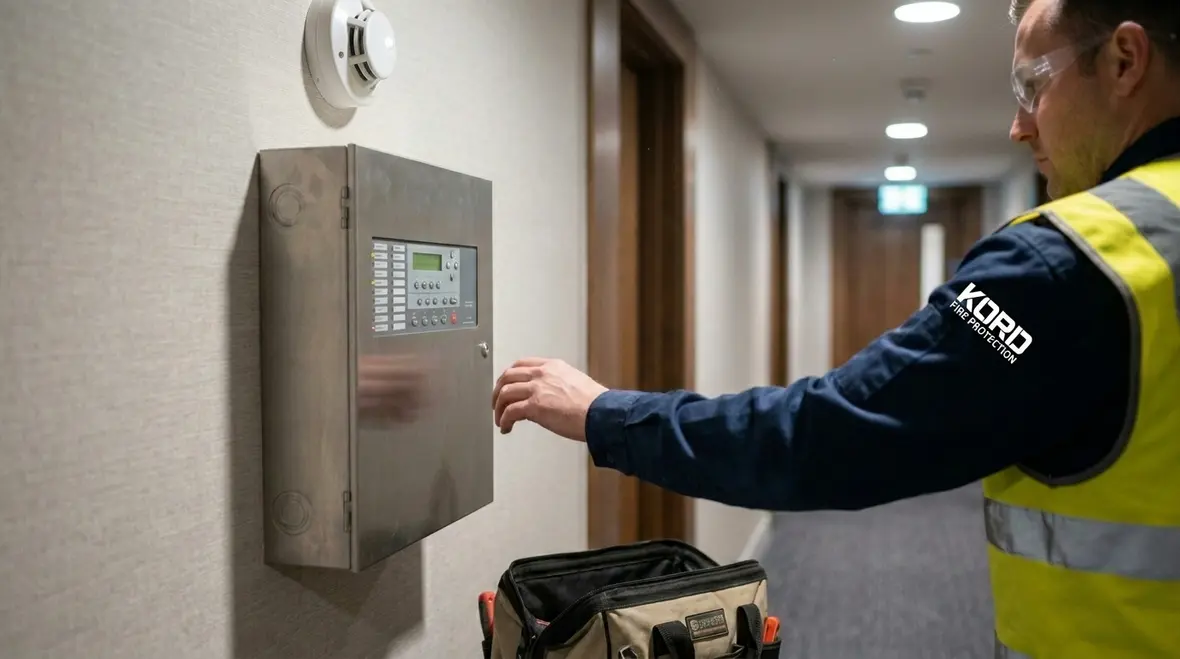
Common problems in existing fire detection systems
Even well installed systems can develop faults. Over time, dust builds up, cabling ages, settings drift, and building changes add new hazards. As a result, apartment buildings often face repeat issues that cause delays during inspections and, more importantly, during real incidents.
The most common problems include:
- Nuisance alarms: This can come from cooking fumes near detectors, poor zoning, or sensors installed in spots that do not match the manufacturer guidance.
- Faults and “silent failures”: A device may report trouble late, or worse, may not respond as intended because the system was not properly tested.
- Out of date components: Replacement parts can become harder to source, and compatibility issues can appear when devices are changed without system wide planning.
- Wrong coverage after renovations: When walls, ceiling services, or layouts change, detectors may end up too far from the hazard.
- Poor maintenance records: Without proper test logs, teams cannot prove performance or plan upgrades with confidence.
Meanwhile, staff who manage multiple sites across Australia often feel the pressure to keep operations running. So they may push testing into the background. Yet alarms do not care about busy schedules. If the system cannot detect smoke or heat quickly, the building pays the price.
Another issue is familiarity. If a site has experienced a string of false alarms, people can start to assume every activation is another nuisance event. That is a dangerous habit. Reliable maintenance is not only about the hardware doing its job. It is also about preserving confidence so that when the system speaks up, occupants and staff take it seriously instead of rolling their eyes and going back to their coffee.
How to meet testing, service, and performance expectations
Testing is where fire alarm theory turns into real outcomes. Therefore, building owners should plan service schedules that include full checks of detection, sounders, panel functions, and fault reporting. Also, inspections should match the risk level of the zones.
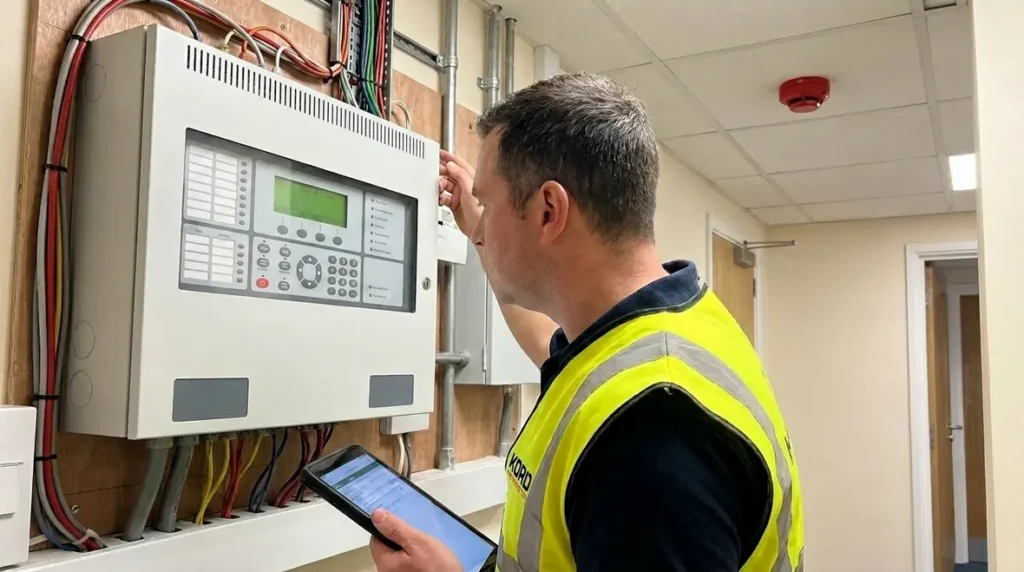
During proper service, Kord Fire Protection focuses on items such as:
- Panel verification: It checks controller outputs, event logs, and alarm condition behaviors.
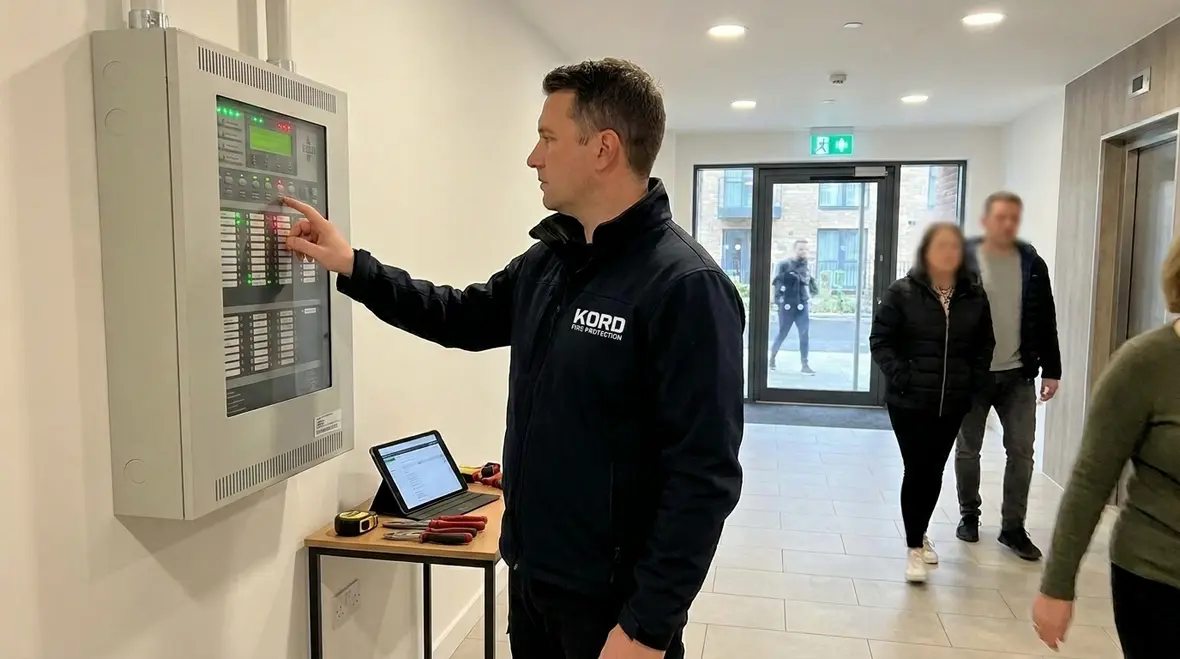
- Device testing: It confirms detectors respond as expected and reports faults correctly.
- Sound and visual outputs: It ensures notification levels and visibility support evacuation needs.
- Walk through verification: It cross checks installation locations against the current layout and any recent changes.
Additionally, effective service does not just “tick boxes.” It identifies root causes, for example, if recurring false alarms trace back to airflow patterns, ceiling height, or detector type selection. In short, good testing reduces nuisance alarms and improves trust. Nobody wants their alarm system to act like a drama queen during dinner.
What good records actually do for a building team
Solid maintenance records are not paperwork for paperwork’s sake. They help track repeat faults, confirm when devices were last tested, show what was replaced, and reveal whether one part of the building keeps causing trouble. That makes budgeting easier, inspection prep less stressful, and upgrade planning much less chaotic. It is hard to improve a system when the building history lives only in someone’s memory and a few mysterious emails.
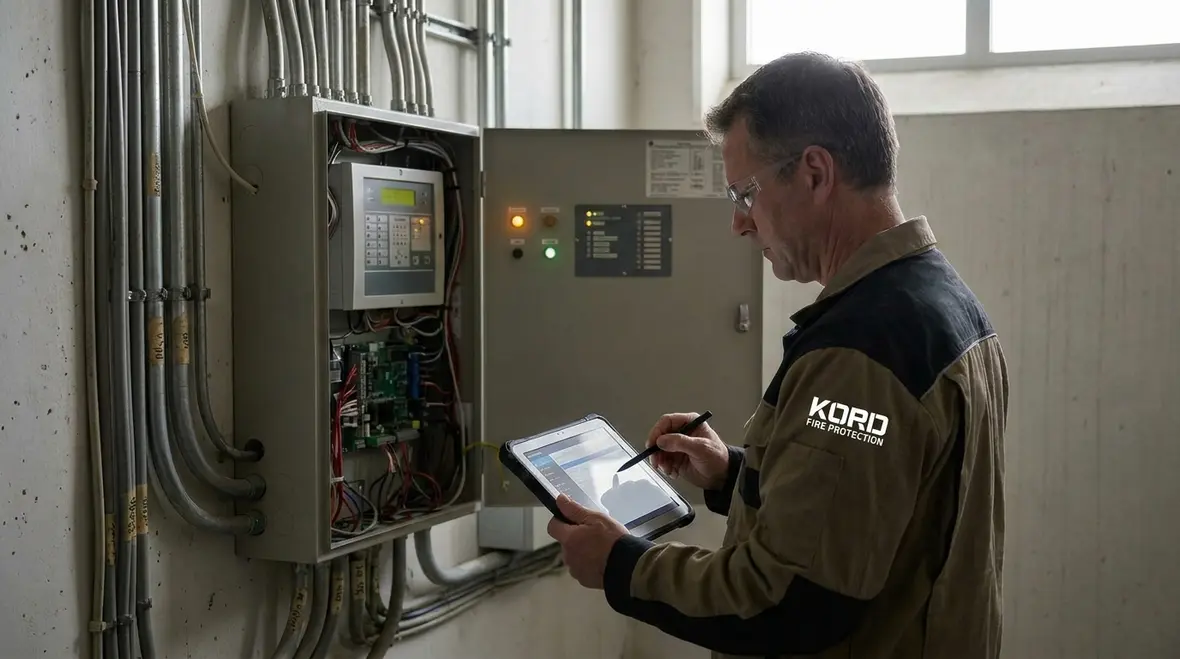
Design and upgrade planning for modern apartment layouts
Upgrades often get delayed because the building needs to stay operational. However, planning helps teams avoid disruptions and keep compliance intact. When Kord Fire Protection supports a project, it starts by reviewing the existing layout, history, and system behavior before recommending changes.
In apartment buildings, upgrade planning should consider:
- Device placement: It accounts for ceiling obstructions, airflow, and the actual path smoke takes.
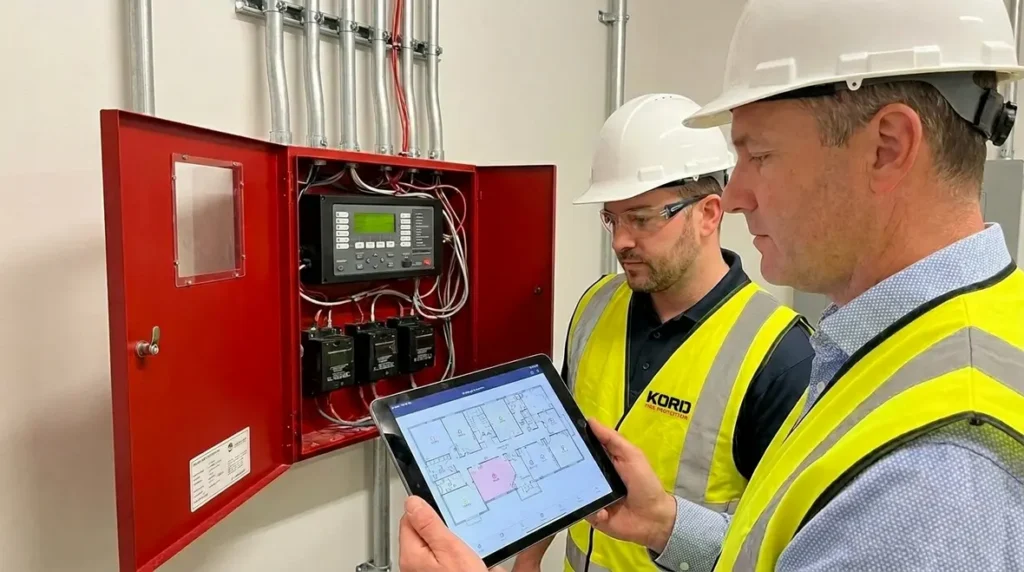
- Zone mapping: It improves navigation for responders so events identify the correct area fast.
- Integration needs: Where relevant, it can align alarms with other building safety systems to reduce confusion during emergencies.
- Future building changes: It supports planned fitouts and service upgrades so the system does not become outdated overnight.
When the system gets upgraded with clear zoning and correct detector types, alarms become more reliable and less annoying. That is a win for safety and a win for staff. And yes, it also saves tenants from the “is it my cooking again?” conversation.
Planning also helps building owners avoid the classic trap of replacing one old component at a time until the whole setup starts behaving like a band that has never rehearsed together. Compatibility matters. So does staging works in a way that keeps the building protected while upgrades are underway. The smoother the planning, the less disruption everyone has to put up with.
Single best way to choose a partner for ongoing service
Choosing a fire protection partner should not feel like choosing a random supplier from a list. Instead, it should feel like hiring someone who understands how apartment buildings operate across Australia, from industrial precincts to retail mixed use sites that share infrastructure.
Kord Fire Protection can become a vital partner for ongoing service because it treats fire alarms as a managed safety system, not a one off install. As a result, building owners get practical, documented support and consistent performance checks across facilities. In addition, the team can help coordinate upgrades, interpret testing outcomes, and reduce the chance of repeat faults across similar sites.
When a facility manager asks, “Who will own this when the inspection deadline arrives?” the answer should be clear. Kord Fire Protection aims to own the process with owners, so compliance efforts feel steady rather than frantic.
Regional realities across Australia and the maintenance rhythm
Buildings do not experience fire risk the same way everywhere. Therefore, teams in different states deal with different service access, weather patterns, and building management styles. Also, industrial and commercial environments often add dust, vibration, or ongoing works that can affect devices.
To keep performance dependable, maintenance rhythms should reflect these realities. Kord Fire Protection can help teams set a schedule that matches usage patterns, recent works, and inspection requirements. Then, the building remains ready regardless of whether the site sits in a busy metro area or a quieter region.
This matters especially for owners juggling multiple properties. A metro apartment block with constant deliveries, contractor traffic, and packed common areas may need a different maintenance rhythm than a quieter regional site with fewer daily interruptions. The goal is not to overcomplicate things. The goal is to keep the system dependable in the real conditions it actually lives in.

Dual Column Summary
| Potential issue | What good service does |
| Nuisance alarms | Checks detector fit, settings, placement, and zone behavior to reduce false triggers |
| Fault signals | Diagnoses wiring, power monitoring, and detector health before failures escalate |
| Renovation impact | Verifies coverage after layout changes and updates documentation |
| Unclear event response | Confirms notification mapping and helps align responses with evacuation intent |
FAQ
Final thoughts and next step
Fire alarm systems in apartment buildings demand steady attention, clear documentation, and testing that proves real performance. When common faults and upgrade needs get handled early, the building stays calm during emergencies and confident during inspections. Kord Fire Protection can help manage the full service lifecycle, from troubleshooting nuisance alarms to planning reliable upgrades across multiple sites in Australia. If this is on the agenda, reach out to Kord Fire Protection and lock in a plan that feels firm, not rushed.