Addressable vs Conventional Fire Alarm System Types Australia
Quick Answer
Addressable fire alarm systems pinpoint the exact device or zone that triggers an alarm, while conventional systems group alarms by broad areas. For industrial, retail, and commercial facilities across Australia, addressable designs typically speed up response and reduce downtime. Kord Fire Protection can help choose, install, and maintain the right system.
If you are comparing broader fire protection needs as well, it is worth exploring fire alarm systems early, because the right setup is never just about making noise. It is about knowing exactly what happened, where it happened, and how quickly your team can get control back.
Fire Alarm System Types in Plain Terms for Building Owners
When a facility manager in Australia hears “fire alarm system,” they often picture horns, strobes, and a panel that somehow always seems to blink at the worst time. Now, the first thing our company sees, across industrial sites and major retail operations, is that the choice of fire alarm system types changes how quickly staff can locate a problem and how smoothly teams can recover. Early decisions matter, especially when compliance, uptime, and safety live in the same building.
So, to set the stage, our clients usually compare conventional fire alarm systems with addressable fire alarm systems. In the background, they may also consider hybrids, zoned layouts, and networked panels, depending on the building complexity and risk profile. From there, the rest of the guide explains the difference, then shows how Kord Fire Protection supports the full job, from assessment to long term service.
For many owners, the confusion is not whether both options can raise the alarm. Of course they can. The real question is what happens in the minute after activation. Does the panel tell your team enough to act with confidence, or does it send everyone on a scavenger hunt with far more adrenaline than anyone asked for? That is where system type starts affecting real operations, not just technical drawings.
Why the Difference Matters So Early
Owners often make this decision while juggling tenancy demands, fit out schedules, contractor coordination, and budget pressure. Because of that, the temptation is to treat alarms as another line item. Yet the reporting style of the system influences emergency response, service efficiency, and even how disruptive routine faults become. In busy buildings, those details stop being minor very quickly.
Addressable Versus Conventional: What Really Changes on Site
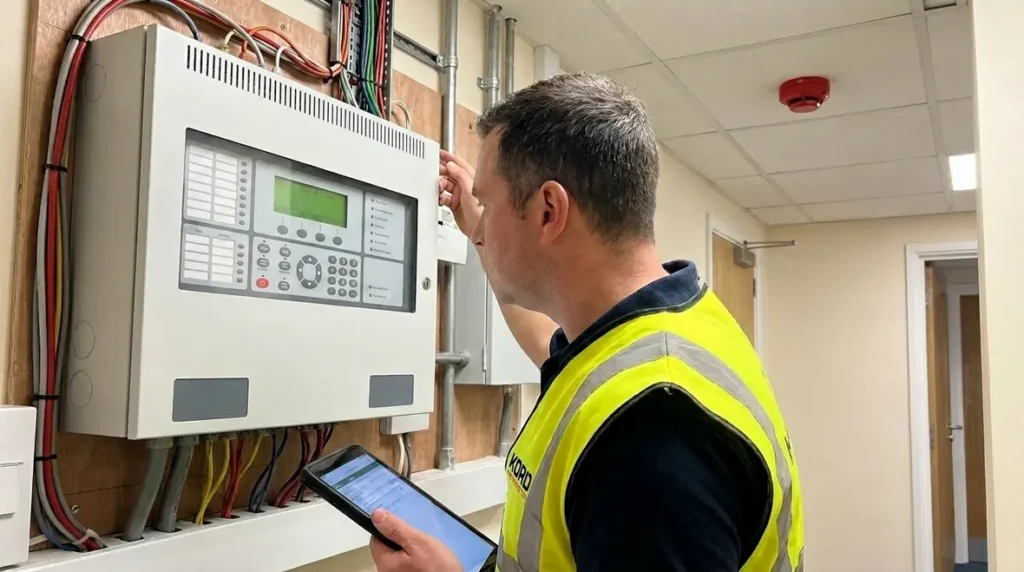
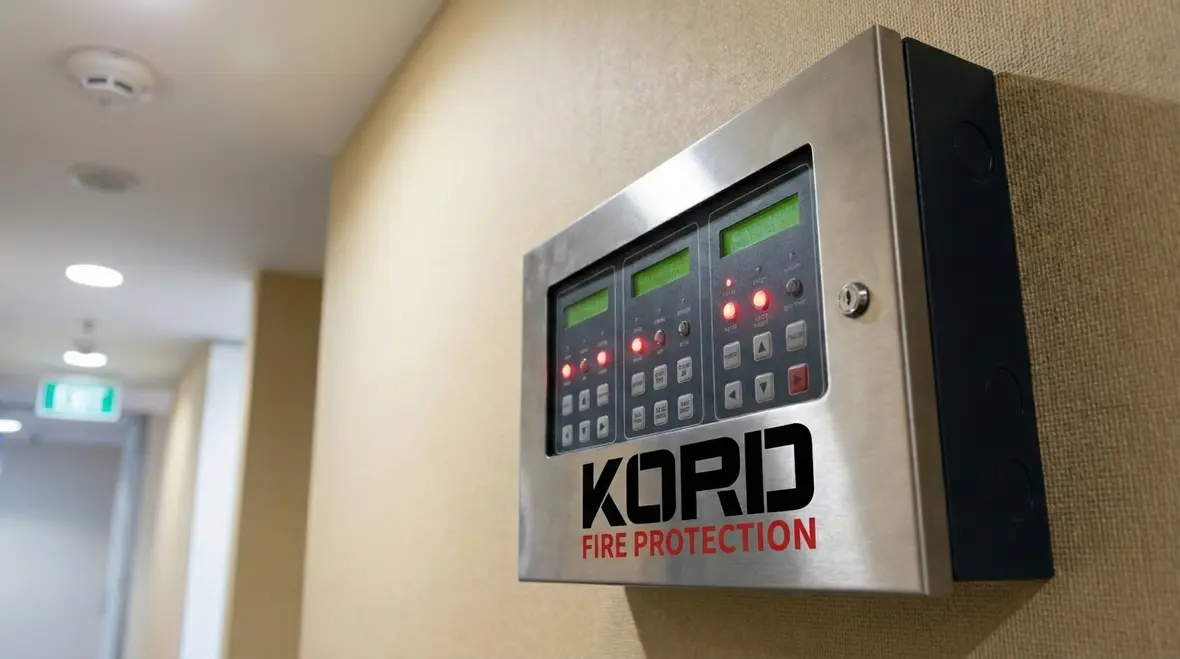
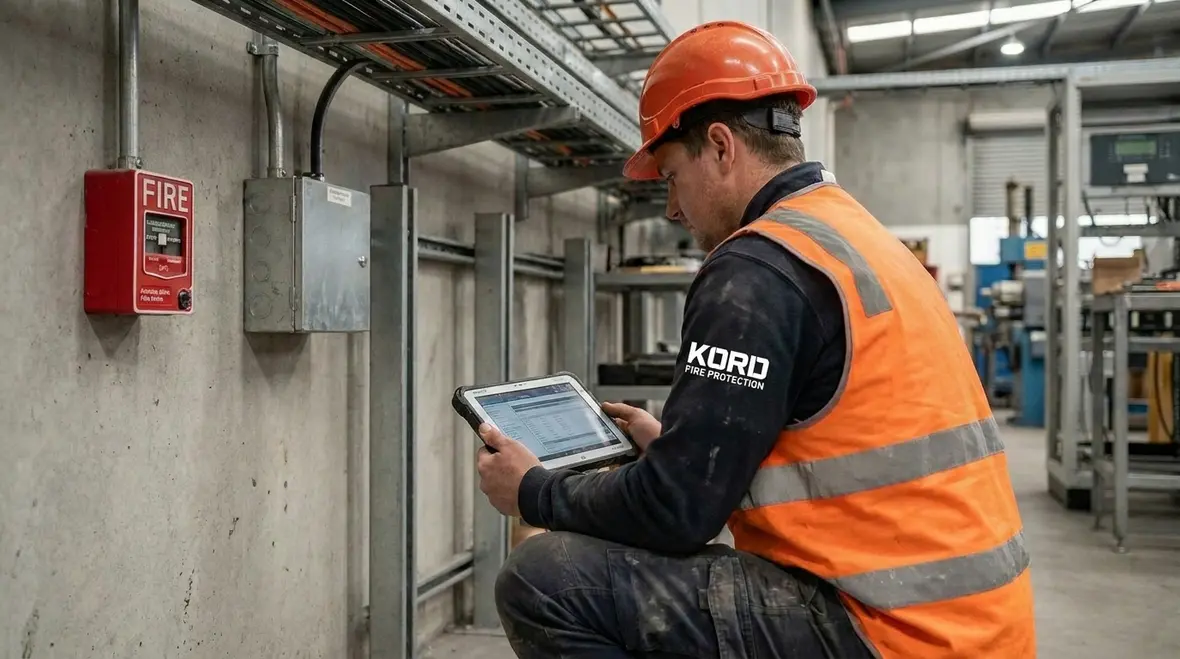
In conventional systems, the control panel monitors circuits that represent broad zones. Therefore, when something trips, the system reports a general location like “Zone 3” and sends signals to alarm devices. Meanwhile, an addressable system identifies the exact device, such as “Detector 17A in corridor rack line B.” That means teams spend less time guessing and more time acting.
In practical terms, addressable configurations help when facilities have multiple hazards, long corridors, complex plant areas, or lots of interlinked spaces. Additionally, because each device reports its own status, maintenance teams can diagnose issues sooner and track patterns over time. Conventional systems can still work, yet they often trade precision for simpler wiring and panel logic.
And yes, like a pop quiz you did not study for, the “simpler” option can feel fine at first. However, when a nuisance alarm hits during trading hours or shift changes, you learn fast why accuracy matters.
How Conventional Systems Usually Behave
A conventional setup groups detectors and devices into zones. That can be effective in smaller or less complex properties where a general area is enough to begin response. The benefit is straightforward logic and, in some cases, a lower initial cost. The trade off is that broader reporting can slow verification, especially if the zone includes several rooms, plant spaces, tenancy areas, or storage sections.
How Addressable Systems Change the Workflow
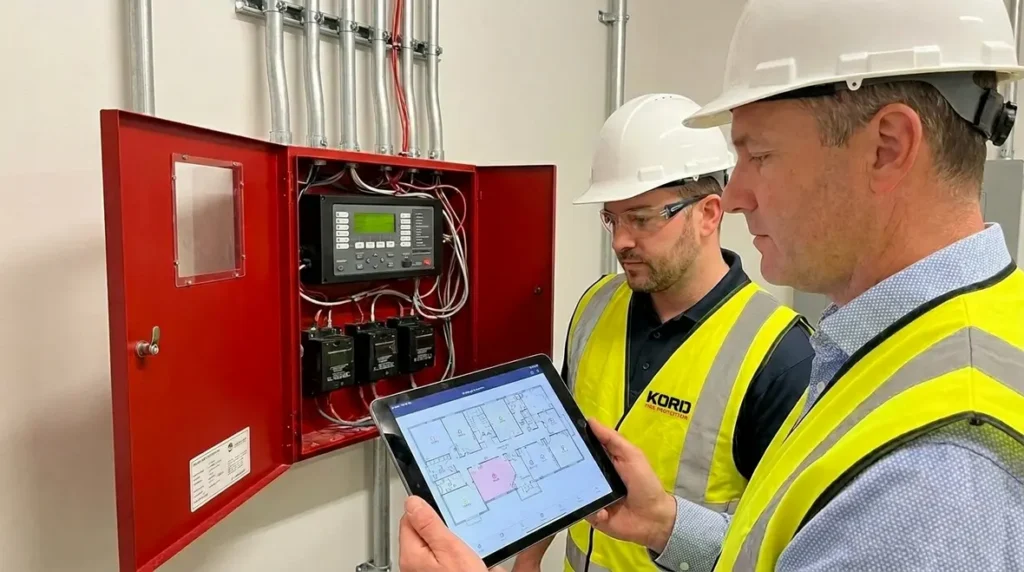
Addressable systems assign an identity to each connected device. When a detector activates or faults, the panel can tell the team which device needs attention. On larger sites, this helps wardens, maintenance teams, and contractors move directly to the likely source instead of losing valuable time narrowing down a zone. In other words, the system provides better information when everyone would really prefer not to improvise.
Decision Factors for Industrial and Retail Facilities
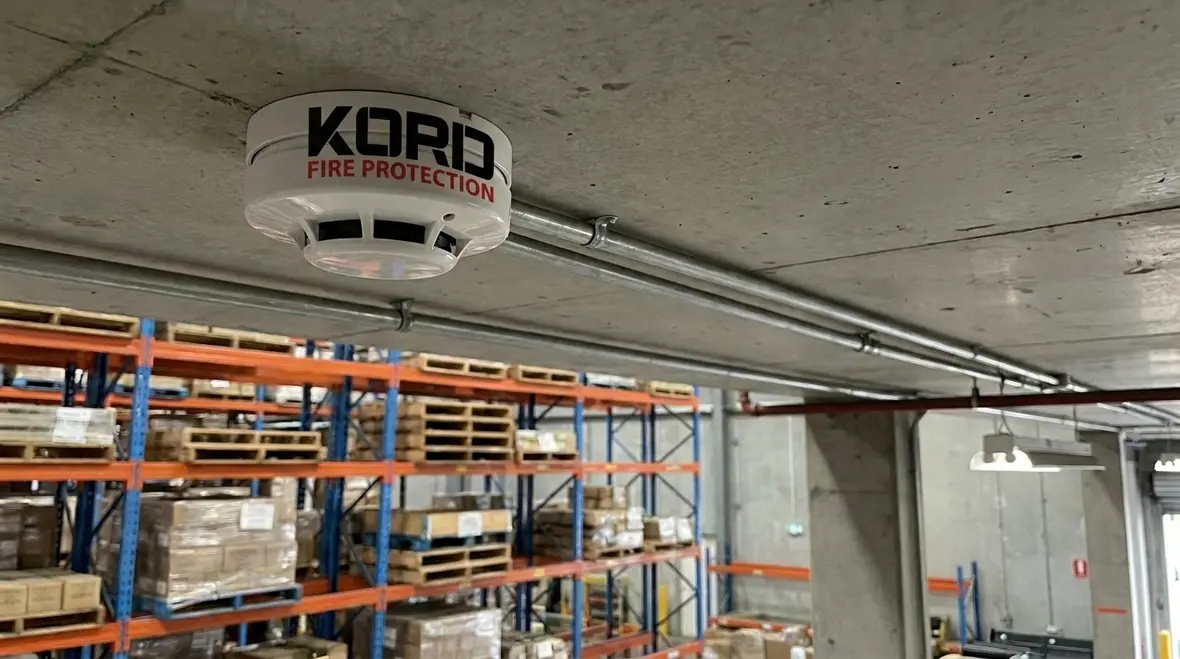
Building owners typically choose between these fire alarm system types based on risk, layout, and operational reality. For example, industrial facilities often include machinery, dust, racking, and high heat loads. Consequently, the facility may need faster confirmation of where a detector activated, so staff can isolate the right area without shutting down the whole site.
Retail environments add their own pressures. Stores might have many retail tenancies, back of house zones, and seasonal fit outs. Therefore, a system that supports accurate identification can reduce disruption when management needs to reopen quickly. Moreover, if staff already respond to alerts regularly, they benefit from clearer location information.
Here are the common decision points Kord Fire Protection reviews with owners across Australia:
- Site layout and complexity: long runs, multiple levels, warehouses, or mixed use buildings push owners toward addressable detection
- Response goals: when time to location directly affects losses, precise reporting becomes a business advantage
- Maintenance and testing approach: owners who want efficient diagnostics usually prefer the richer device level data
- Future changes: growth, re fit, new tenants, or altered production lines favor systems that adapt without major guesswork
Transitioning from one area to another, the next step is understanding how those differences show up when compliance, fault finding, and day to day operations enter the conversation.
This is also where stakeholders often realise they are not only choosing technology. They are choosing a response model. A distribution centre, supermarket, office tower, or mixed tenancy site each uses information differently during an alarm event. The more layered the operation, the more valuable clear location data becomes.
Compliance, Servicing, and Fault Finding Benefits
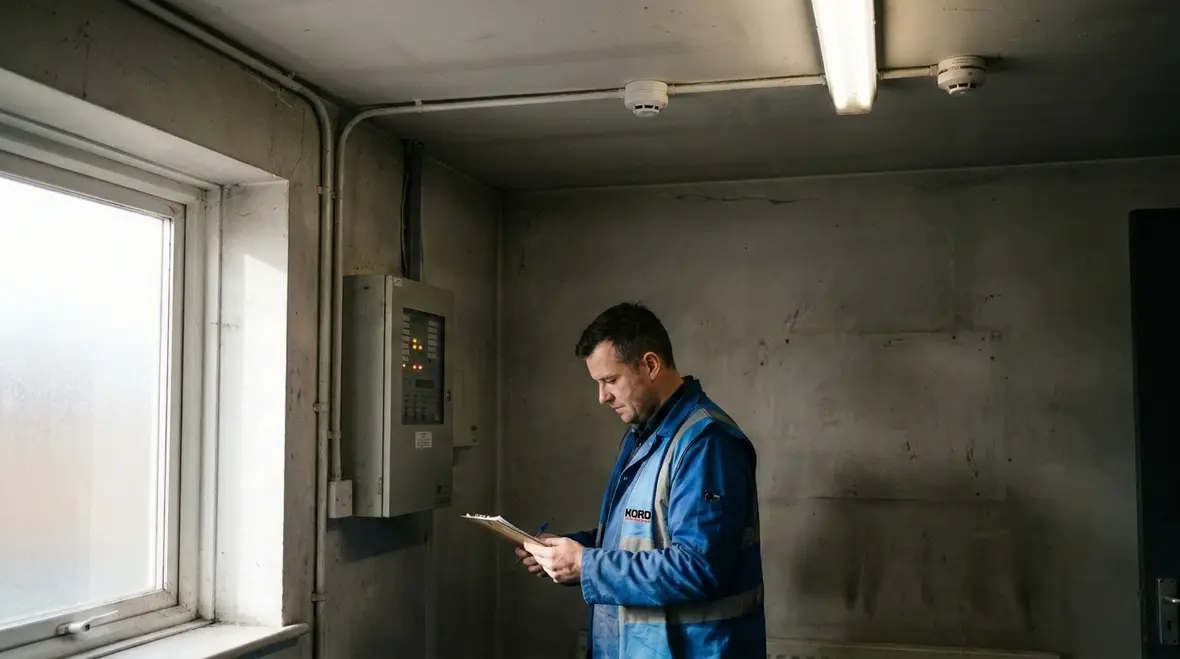
Fire safety teams do not only manage alarms. They manage evidence. When something goes wrong, the owner needs clarity: what activated, where it activated, and what the system saw before the event. Addressable systems generally support that by recording device specific events, which can help maintenance staff investigate faster and reduce repeat callouts.
Conventional systems can still meet many compliance outcomes when designed properly, yet they rely on broader zone reporting. As a result, troubleshooting may take longer, because technicians often narrow down the issue by testing within a range rather than pinpointing a single device.
For facilities with strict uptime, that time difference matters. Additionally, when the alarm system logs device status, service teams can spot trends such as detector drift or recurring faults. Then they can schedule work before a problem becomes a crisis.
Our company, Kord Fire Protection, acts as the calm, competent partner through the entire lifecycle. That means we support owners with planning that aligns with how the site operates, not just how the drawing looks. Then, we help with commissioning, documentation, and ongoing service so the system stays reliable when it needs to.
Why Better Fault Finding Pays Off
Every extra hour spent tracing an intermittent device issue is an hour the site team is distracted from normal work. Faster diagnostics can reduce after hours attendance, repeat site visits, and the kind of frustration that makes everyone stare suspiciously at a perfectly innocent detector. Clearer fault data helps technicians arrive with a better plan and leave with a better result.
Cost and Value: What Owners Should Compare
It is tempting to compare only install price. However, the real conversation usually includes total cost over time. Addressable systems often cost more upfront because they require compatible devices, wiring practices, and more detailed panel intelligence. Yet, they frequently reduce hidden costs linked to maintenance time, false alarm investigation, and downtime during disruption.
In many industrial and commercial setups across Australia, owners evaluate value using three lenses. First, response efficiency affects business continuity. Second, service effort affects labour and scheduling costs. Third, adaptability affects future fit outs, refurbishments, and expansions.
To keep things practical, Kord Fire Protection helps owners model the real difference for each site. Therefore, instead of selling a feature, we focus on the outcome: fewer hours chasing faults, faster identification during incidents, and a system that grows with the facility.
And if someone tells a decision is “simple,” they are usually selling something. The best decisions rarely feel like a magic trick. They feel like good management.
Looking Beyond Upfront Price
A lower install cost can be attractive, especially during a new build or major fit out. But owners usually live with the service implications for years. If a system makes routine diagnostics slower, limits flexibility during changes, or causes larger parts of the building to be investigated during each event, the long term cost picture starts to shift. Value, in fire protection, is usually found in resilience and clarity rather than in the cheapest line on a quote.
How Kord Fire Protection Supports the Whole Job
A building owner does not need a partner only at installation time. They need one when layouts change, when tenants ask questions, and when the service team needs quick answers. Kord Fire Protection helps across the full scope, from early design input to ongoing inspections and maintenance support, tailored to industrial, retail, and commercial facilities.
Here is how that support typically shows up:
- System selection guidance: we align detection type and layout to site risk and operational needs
- Installation and commissioning: we help ensure the system operates as intended, not just on paper
- Documentation support: we help owners keep records ready for audits and routine verification
- Service and maintenance: we support reliability through scheduled testing and fault resolution
Moreover, because fire alarm systems influence whole site safety procedures, Kord Fire Protection also supports communication between stakeholders, so everyone understands what the system does and how to respond confidently. After all, the best system is the one people can use under pressure.
That support matters long after commissioning. Tenancies change. Storage layouts shift. Equipment moves. Teams rotate. What worked neatly on day one can become less clear over time unless the system and its records are maintained with discipline. A reliable partner helps owners keep protection practical, not theoretical.
FAQ
Final Word: Choose a System That Protects People and Operations
Building owners in Australia should not treat fire alarm selection as a checkbox. They should choose based on response time, site layout, and long term service impact. Addressable systems often deliver clearer location information, which helps reduce downtime and improves investigations during events. Kord Fire Protection can help the owner assess, specify, install, and maintain the right system for industrial, retail, and commercial facilities. Reach out for a practical site review and a plan that lasts.