Fire Alarm Battery Maintenance Australia for Reliable Backup Power, Kord Fire Protection
Quick Answer: Fire alarm systems run on backup power, and fire alarm batteries keep them ready when the grid fails or the system needs time to react. When batteries age, performance drops quietly. Kord Fire Protection helps industrial, retail, and commercial facilities across Australia keep these life safety systems dependable.
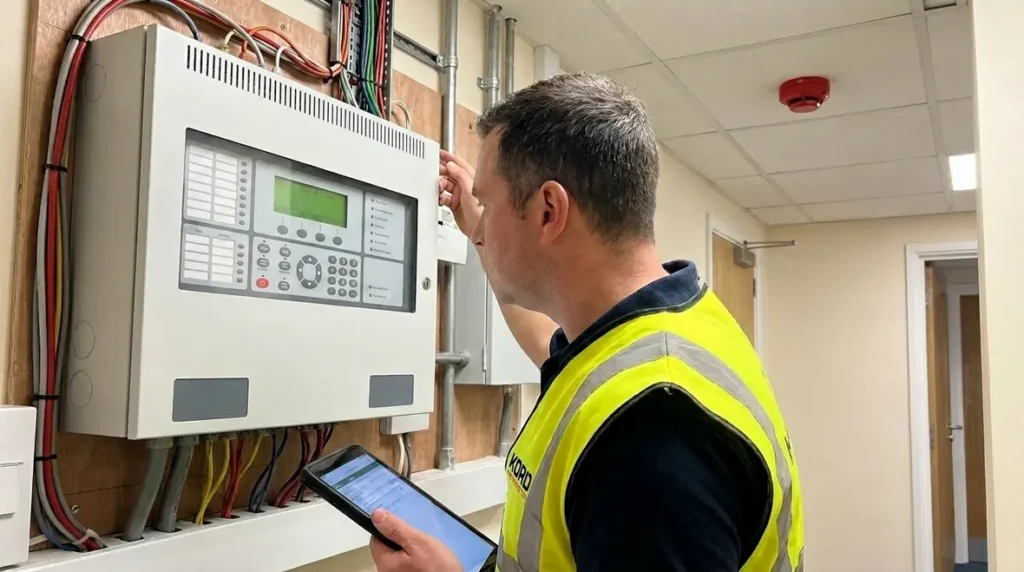
If you are reviewing the broader picture of alarm performance, Kord Fire Protection’s fire alarm systems support sits naturally alongside battery maintenance because backup power is only useful when the full system is designed, maintained, and documented to work together.
Why fire alarm battery health decides if alarms perform
Most people treat fire alarm batteries like spare change, useful only when something goes wrong. Yet, in industrial, retail, and commercial facilities across Australia, those batteries act as the heartbeat of the system during power loss, maintenance windows, or unexpected faults. Kord Fire Protection supplies and supports fire alarm battery solutions that help keep alerts loud, timely, and consistent. And yes, unlike your phone charger, these batteries cannot “just wait until tomorrow.”
When a control panel loses main power, the standby power path takes over. If the fire alarm batteries can no longer supply the required current for the required time, system behavior can shift from “safe and compliant” to “we hope it works.” That is not a plan. That is a prayer with a warranty problem.
The quiet risk inside standby power
Battery issues rarely make a dramatic entrance. They tend to arrive softly, hidden behind normal-looking panels and routine days. That is exactly why they deserve attention before an outage, not during one. In many buildings, occupants assume alarms will respond instantly if something goes wrong. That assumption only holds if the backup power has been maintained with the same seriousness as the detectors, panel hardware, and site procedures.
For facility managers, the real value of battery maintenance is predictability. A dependable battery set helps keep monitoring stable, supports signaling when mains power drops, and reduces the chance of finding out too late that a battery’s best years ended sometime during last summer. No one wants a life safety component operating on nostalgia.
How backup power keeps a system alive during real events
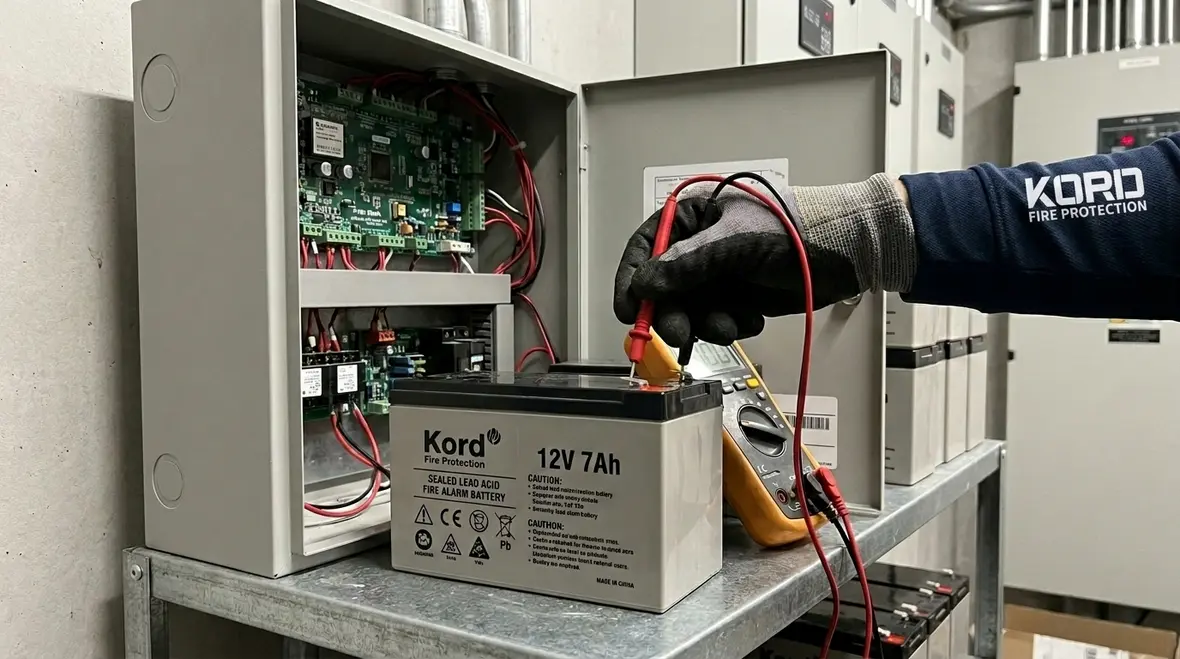
During an emergency, a facility does not need theory. It needs action. Fire alarm systems draw power for monitoring and signaling, and the system must sustain operation for the time the standards require. Therefore, battery capacity, internal resistance, and connection quality matter. As batteries age, they can deliver less usable energy and voltage can sag under load.
In practice, that means the panel might still show an alert, but the signaling performance can suffer. For larger commercial sites with more devices, the power demand can increase, and the system can reach its limits faster. Additionally, temperature affects battery performance. If a control cabinet sits in a hot plant room or a switch room with poor airflow, the batteries can degrade faster than expected.
So, fire alarm batteries matter more than most people think because they connect three critical pieces: emergency readiness, power stability, and predictable device performance. Without that link, even a well-designed layout becomes a gamble.
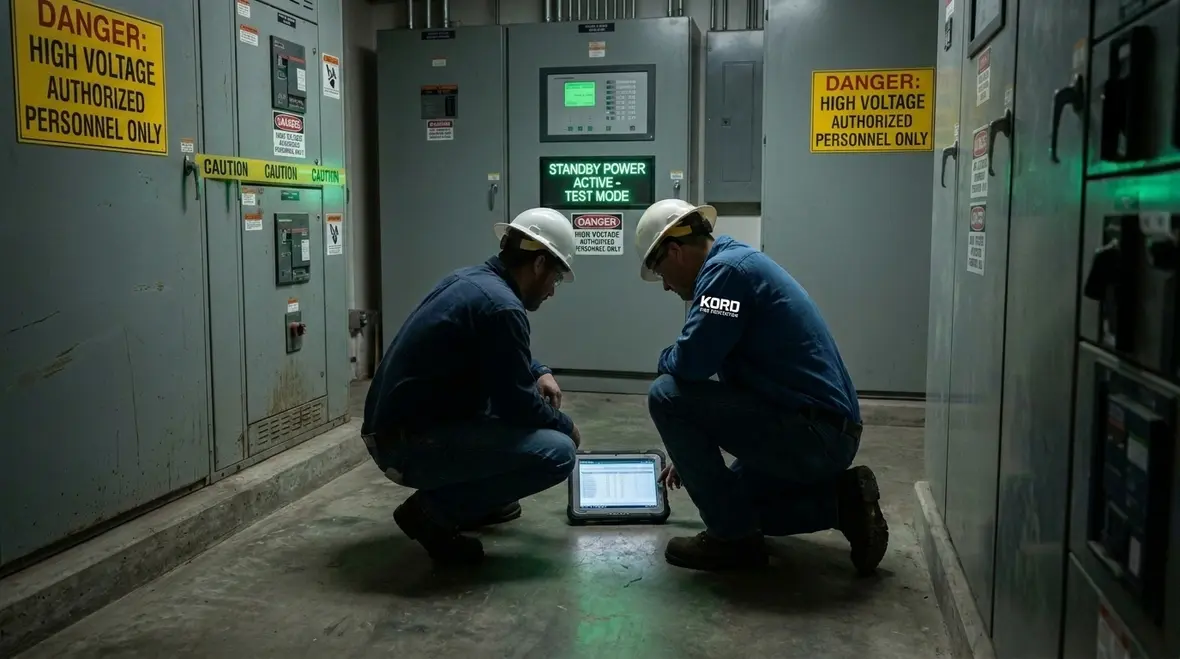
Where performance drops first
The tricky part is that early decline does not always look dramatic. A panel can seem normal until the moment load increases, a test begins, or a power interruption exposes the weakness. That is why battery maintenance is less about guessing and more about checking capacity, environment, and consistency over time. A battery that looks fine while idle may tell a very different story when asked to do its actual job.
What goes wrong when batteries age or get mismatched
Battery problems often show up late, which makes them easy to ignore. First, some systems can continue running for a while while the batteries slowly lose strength. Then, an unnoticed decline can trigger intermittent faults. Finally, when a real outage occurs, the remaining capacity may not match the required standby and alarm duration.
Mismatch also creates issues. Using the wrong model type, wrong chemistry, or an incorrect capacity rating can lead to early failure. In some cases, technicians replace one component while the other batteries in the string remain older. As a result, the weaker unit limits the entire chain.
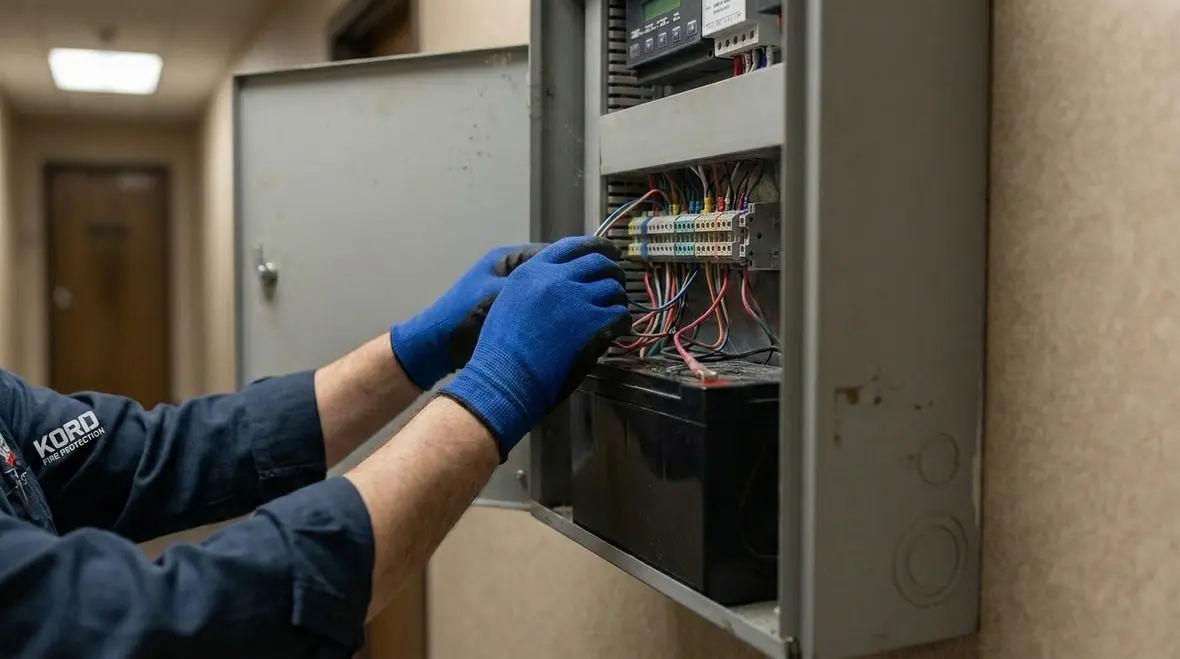
Also, installation details matter. Corrosion at terminals, loose wiring, or poor fastening can increase resistance. Consequently, the battery may appear “fine” during routine checks but fail under actual load. It is like tightening a seatbelt after a crash test and expecting it to hold up on the highway. It might, but it also might not, and that is not the kind of risk any facility manager wants.
Common causes facilities overlook
Aging is only part of the story. Facilities also run into problems when upgrades add devices without revisiting battery calculations, when cabinets sit in heat-heavy spaces, or when replacement happens piecemeal instead of as part of a controlled plan. Even something as small as a poor terminal connection can create resistance that stays invisible until the system is stressed. Life safety does not care whether the weak point was dramatic or boring.
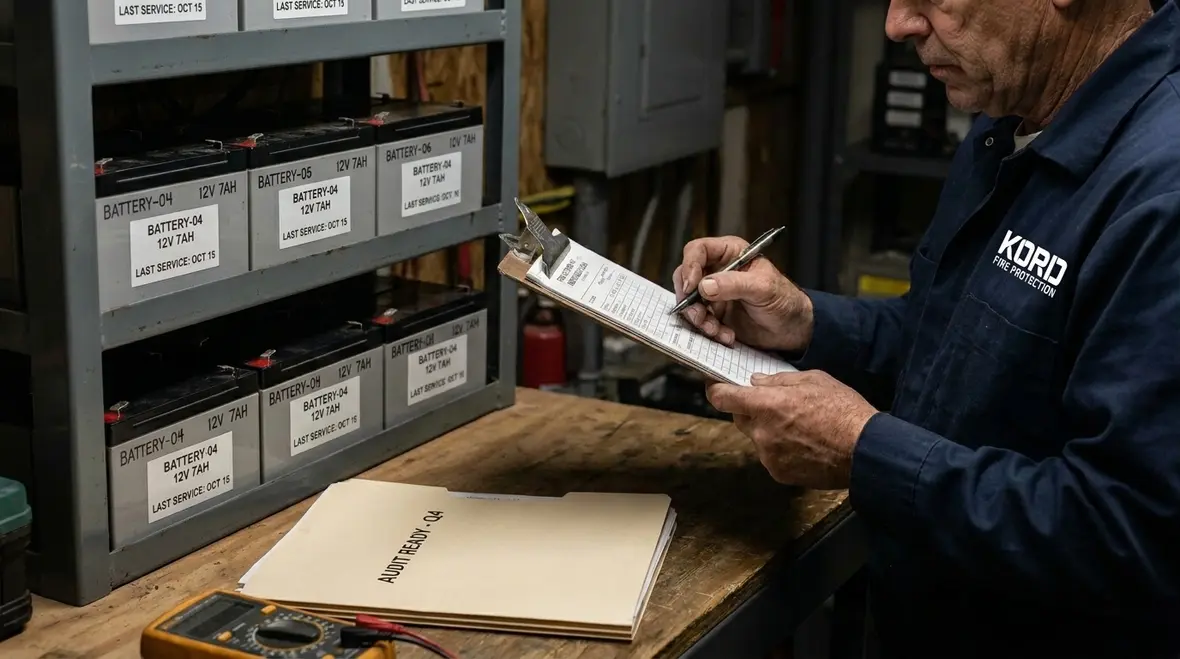
Maintenance schedules that actually match the way facilities run
Many facilities follow a calendar-based approach. However, industrial and commercial sites rarely behave like calendars. Instead, they run shifts, expansions, renovations, and equipment changes. Therefore, battery care should connect to real usage patterns and system demands.
A strong maintenance approach typically includes a review of prior battery faults, the control panel’s battery test results, and a check of the cabinet environment. Then, it pairs that data with a replacement timeline that reflects performance, not just age.
Kord Fire Protection supports facilities across Australia with practical planning for when to inspect, test, and replace fire alarm batteries. For example, facilities can coordinate replacement around maintenance windows so the system stays in safe operation while work gets done. Also, if a retail site adds new zones or devices, the battery calculation should adjust accordingly. That way, the backup power plan keeps up with the building, not the other way around.
Planning around real operations
The best schedule is the one that works with the site instead of fighting it. Warehouses, offices, retail spaces, and mixed-use sites all have different rhythms. Maintenance that accounts for shutdown windows, access restrictions, and occupancy patterns is easier to complete properly and easier to document afterward. That matters because a smart plan is not just about changing batteries. It is about keeping the building protected while the work happens.
Why compliance and documentation matter for audits and insurers
Fire alarm systems live in a world of audits, records, and accountability. When inspectors ask for evidence of battery testing and replacement, “we think it was changed last year” does not pass muster. Therefore, proper records help the facility prove that safety systems receive correct care.
Quality documentation includes the battery type installed, replacement dates, test outcomes, and any recommendations. Additionally, it should capture what changed in the system, such as added detectors, altered signaling, or modifications to the control panel. When a facility demonstrates that fire alarm batteries remain fit for duty, it reduces friction with compliance reviews.
Kord Fire Protection helps industrial, retail, and commercial teams maintain audit-ready histories. That matters in Australia where facilities span warehouses, shopping centers, offices, and multi-site operations. When teams can track each battery service event, they avoid last-minute rushes and uncertainty that tend to show up right before an inspection. Nobody wants that moment where everyone looks at the same binder and hopes it magically explains itself.
How Kord Fire Protection becomes a vital partner
Battery service should not feel like a one-time transaction. Instead, it should feel like a safety partner that understands how the system works, how the site operates, and what risks could appear between routine checks. Kord Fire Protection positions itself as that partner by focusing on reliable fire alarm battery supply and support, along with practical guidance for scheduling and documentation.
Because every facility has unique constraints, Kord Fire Protection helps teams plan around operational needs. As a result, industrial sites can keep production moving, retail locations can limit disruption during store hours, and commercial buildings can coordinate work with facility management. Also, the team can advise on the implications of system changes, so fire alarm batteries do not get stuck in “set it and forget it” mode.
When a business treats standby power as a living part of the life safety system, fewer surprises occur. And yes, that means fewer frantic calls in the middle of the day that start with “Do you have anyone available… right now?”
Frequently asked questions
Choose a partner who treats batteries like life safety
Fire alarm batteries do not fail loudly. They fail quietly, then they show up when power conditions change, load increases, or time runs out. Facilities across Australia deserve a maintenance plan that matches real site needs, keeps records clean, and ensures standby power stays reliable. Kord Fire Protection helps industrial, retail, and commercial teams stay audit-ready and ready for emergencies. Contact Kord Fire Protection today to plan inspection and battery support.