AS 1670.5 Smoke Alarms Compliance for Non Residential Sites
Quick answer: AS 1670.5 sets the rules for smoke alarm systems in commercial and other non residential spaces, including design, installation, commissioning, and ongoing testing. It helps organisations meet safety duties and reduce false alarms. Kord Fire Protection can manage compliance end to end so teams stay focused on business, not beeping.
In industrial and retail environments across Australia, AS 1670.5 smoke alarms are not just “another compliance tick.” They form a structured safety layer that activates when smoke levels rise, and they must be designed and maintained with real discipline. In the right setup, these systems respond consistently and help occupants make safer decisions. In the wrong setup, alarms can drift into nuisance mode, and nobody wants a fire alarm system that performs like an overly enthusiastic smoke detector at a party.
For sites that need broader support with inspections and ongoing fire protection upkeep, Kord Fire Protection can also assist with commercial fire protection services as part of a practical compliance program.
What AS 1670.5 smoke alarms demand in real workplaces
AS 1670.5 explains how smoke alarm systems should work and how they should be controlled from the moment they enter service. It focuses on performance and reliability, which matters in places like warehouses, workshops, loading bays, plant rooms, retail back of house, and mixed use facilities. Therefore, the standard pushes designers and installers to think beyond the device on the ceiling and toward the full system behaviour.
In practice, this means the system must do four key jobs well. First, it must detect smoke quickly enough for the risk. Second, it must signal clearly so people can respond. Third, it must remain stable across the life of the building. Finally, it must be tested and maintained so the system does not “age out” while nobody notices. And yes, if an alarm fails because nobody checked it, that is a very expensive way to discover how time works.
Why this matters beyond box ticking
A lot of non residential sites already have competing priorities: production targets, customer traffic, contractor access, deliveries, shutdown windows, and enough moving parts to make anyone suspicious of the phrase “simple compliance task.” Smoke alarm compliance only works when it fits into those realities. A system that looks good on paper but struggles in live operations is not helping anyone. The goal is practical reliability that holds up when the building is busy, dusty, warm, ventilated, noisy, and generally behaving like a real workplace instead of a brochure.
How designers translate the standard into compliant system layouts
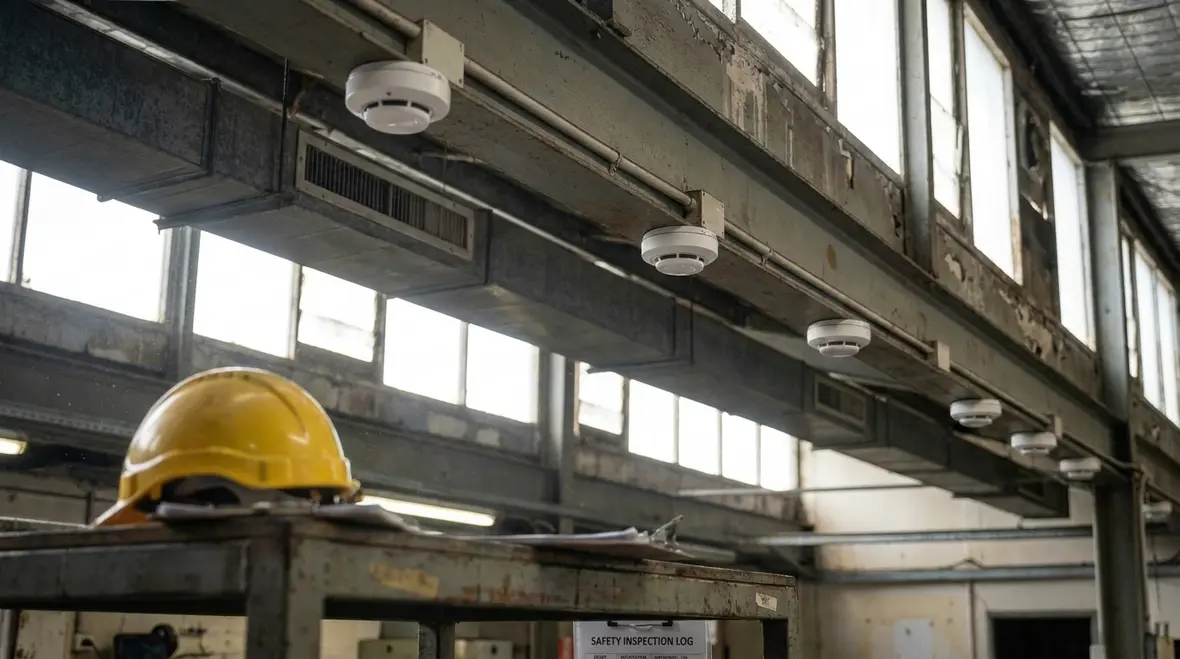
When a team plans a commercial installation, the goal is coverage and reliable operation, not guesswork. AS 1670.5 smoke alarms require that the design account for airflow patterns, ceiling heights, room geometry, and the way smoke might move in that specific space. For example, a high bay warehouse behaves differently from a compact shop floor, and plant rooms often introduce airflow that can change smoke movement.
To get it right, designers usually evaluate the hazard area and select detection methods that suit the environment. Then they set locations so detectors do not sit in spots where dust, steam, or airflow patterns disrupt performance. After that, they plan how the system connects to signalling devices and how it will behave during operation.
Meanwhile, installations must also consider what happens when something changes. A new racking layout, extra stock, or an internal fit out can shift airflow and alter how smoke travels. Therefore, compliant design also supports future stability through clear documentation and proper commissioning records.
Layout details that catch people out
This is where apparently harmless building changes can become surprisingly unhelpful. Add shelving, move a partition, redirect mechanical ventilation, stack goods closer to the ceiling, or convert a storage corner into a workspace, and the original assumptions behind detector placement can start losing accuracy. No single change has to be dramatic. Several small changes together are enough to turn “working as intended” into “why does this keep happening?” A strong design process anticipates that sites evolve and records enough detail for future reviews to make sense.
Installation and commissioning that reduce nuisance alarms
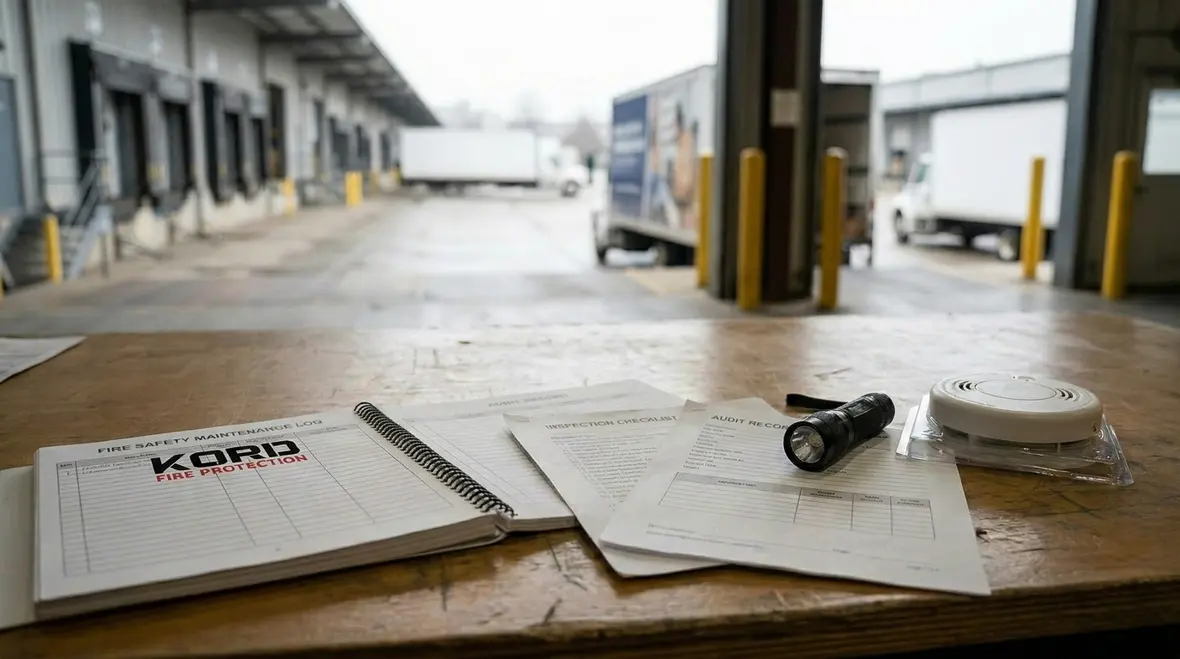
Many businesses think nuisance alarms only happen because of “bad smoke.” The real cause is often poor installation practices, weak commissioning, or mismatched settings. AS 1670.5 expects that smoke alarm systems operate as a system, and that install teams verify correct performance before handover.
That includes mounting detectors correctly, routing cabling safely, and confirming zones and signalling pathways behave as intended. During commissioning, the team should carry out checks that the system detects smoke as expected, signals correctly, and records events properly. In addition, they should test the behaviour of any interfaces, including control equipment and any linked alarms where relevant.
Once commissioning finishes, the job does not stop. The system needs clear handover documents, and operators need basic guidance so they can understand what alarms mean. That is especially important in facilities where multiple contractors come and go, because “I thought it was just a light” is a popular misconception.
Commissioning is where confidence gets earned
A proper commissioning process gives site teams something more useful than optimism. It confirms that devices are communicating, signalling is understandable, interfaces respond correctly, and records exist for what was tested and what the outcomes were. That matters when a building changes hands, when auditors ask questions, or when a future contractor needs to work out whether an issue is new or has been quietly simmering for months. Good commissioning also lowers the chance of those awkward “everyone assumed someone else checked it” moments.
Maintenance and testing schedules for ongoing compliance
Industrial and commercial sites change. Therefore, maintenance has to stay active. AS 1670.5 smoke alarms require testing and inspection so the system remains capable over time. Dust accumulation, contamination, environmental changes, and equipment ageing can all reduce reliability if organisations ignore them.
In a practical maintenance approach, organisations set routines that include inspections, functional tests, and record keeping. Teams often also review event history, because repeated minor faults can signal an underlying issue. When a facility has alarms that occur during certain operating cycles, that pattern should trigger investigation rather than a shrug.
Importantly, maintenance should also support staff readiness. When someone in a distribution centre knows how to interpret a signal and who to call, response times improve. Meanwhile, proper records help demonstrate due diligence across audits and inspections. And if an alarm system has to “prove itself,” it should not rely on faith.
Consistency beats crisis management
The best maintenance plans are boring in the best possible way. They are scheduled, documented, repeated, and easy to follow. That predictability is exactly what makes them effective. If testing only happens after a fault, after a complaint, or after somebody remembers an inspection was due “sometime recently,” the site is already operating behind the curve. Regular service routines help prevent compliance drift and reduce the chance that a nuisance issue grows into a larger reliability problem.
Why Kord Fire Protection becomes a vital partner for this service
Building a compliant system is one task. Operating it safely and keeping it audit ready is another. Kord Fire Protection works as a partner that understands the realities of industrial, retail, and commercial facilities across Australia.
They can support each stage of the job: design input, installation coordination, commissioning verification, and ongoing service plans. So instead of organisations juggling multiple contractors, Kord Fire Protection provides a consistent pathway for installation quality and maintenance accountability. This reduces gaps between who installed the system and who tests it later.
Also, Kord Fire Protection supports facilities where downtime matters. They can plan work to suit operational schedules, because nobody wins when a high value site stops for a “quick check” that turns into a two week saga.
What sites gain
- Clear compliance documentation for audits and handover
- Reduced nuisance alarm risk through proper commissioning checks
- Practical maintenance planning that fits facility routines
Where Kord helps
- Industrial and warehouse environments
- Retail back of house and fit outs
- Facilities with multiple contractors and evolving layouts
Frequently asked questions about smoke alarm system requirements
Next step: make compliance feel like it belongs in your calendar
If a smoke alarm system sits quietly on the ceiling, it can still create a lot of risk when it fails under pressure. Kord Fire Protection helps industrial, retail, and commercial sites manage AS 1670.5 smoke alarms with real commissioning discipline and ongoing maintenance. Book an assessment, align a service plan, and turn compliance into a predictable workflow. Because the best kind of fire safety is the kind you do not have to explain after an incident.