AS 1851 Fire Suppression System Service and Maintenance
Quick Answer
AS 1851 sets out how often fire suppression systems must be inspected, tested, and maintained. It helps sites in Australia keep compliance, reduce downtime, and improve reliability when the unexpected happens. With experience across industrial, retail, and commercial facilities, Kord Fire Protection helps organisations build maintenance plans that actually work.
Fire safety is one of those things people notice only when it goes wrong. And when it does go wrong, the consequences are loud, fast, and expensive. That is why a well run suppression system service matters for industrial, retail, and commercial facilities across Australia. Our team at Kord Fire Protection supports clients by aligning day to day maintenance with the structure of AS 1851, so inspections, tests, and servicing do not turn into a last minute panic. Instead, they become a calm, scheduled process that protects people, assets, and operating continuity.
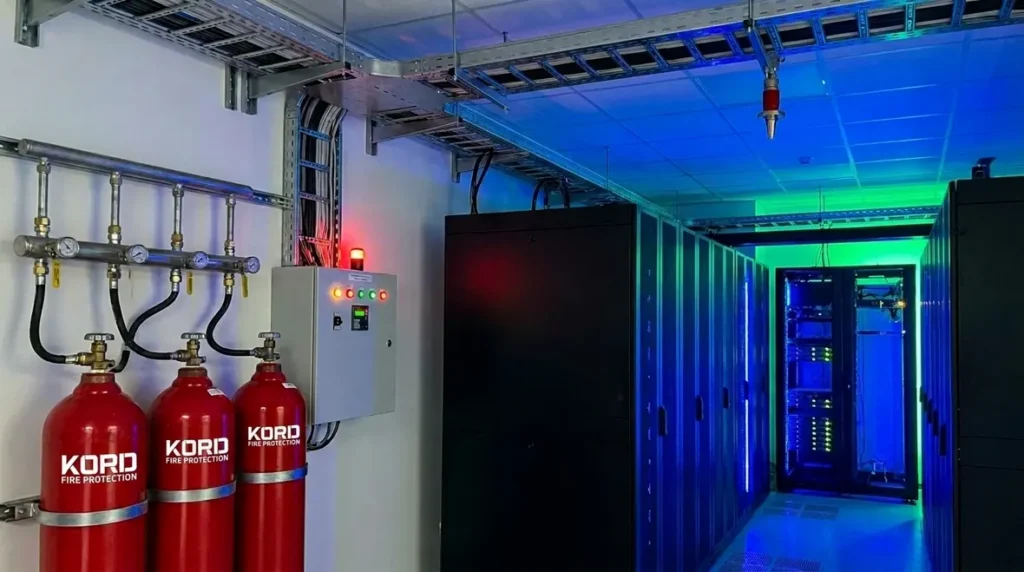
If you are also reviewing broader protection planning, it is worth looking at fire suppression systems early in the process so maintenance decisions match the system’s design, risk profile, and real world operating demands.
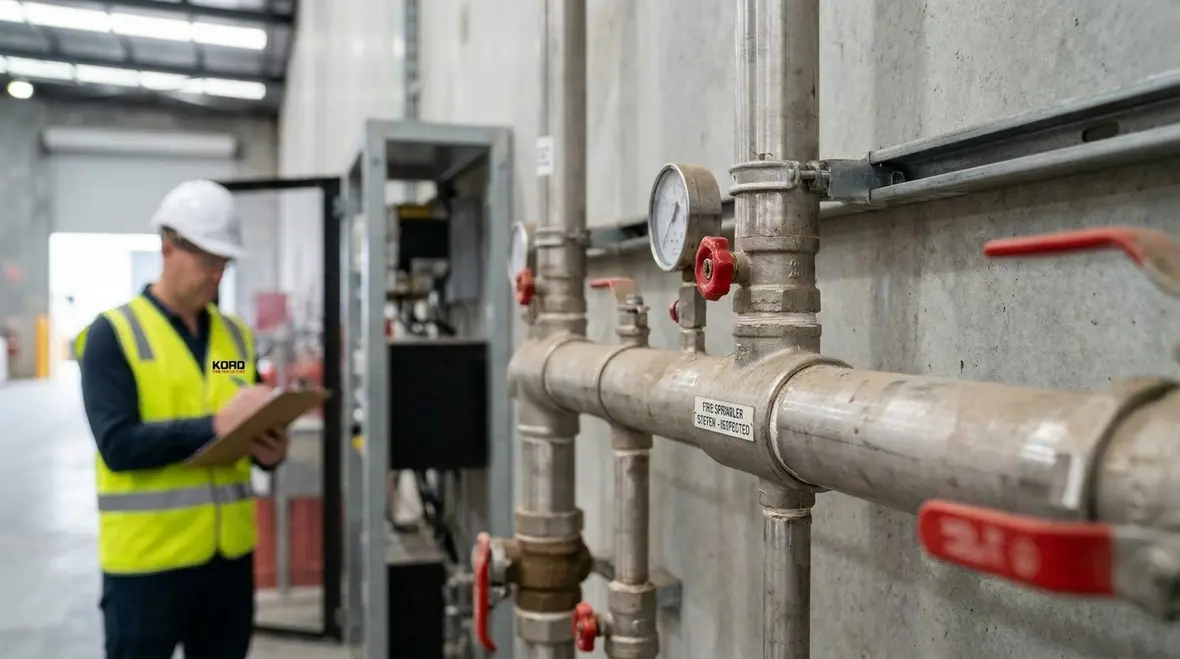
What AS 1851 requires for fire suppression systems
AS 1851 provides a framework for the inspection and maintenance of fixed fire protection systems. It covers the practical steps needed to verify that suppression systems will perform as intended. Instead of guessing, the standard pushes organisations to follow defined intervals and documented checks. As a result, facilities can reduce the risk of hidden failures, such as clogged nozzles, impaired valves, or incorrect pressures.
While every site is different, the philosophy stays the same: maintenance must not be a vibe. It needs evidence. Therefore, AS 1851 expects records that show what was checked, what was found, and what was done. Furthermore, where testing reveals issues, systems must be repaired or adjusted in a timely way so the next period of operation remains safe.
Why documentation matters more than people think
A service visit without clear records is basically a memory test with paperwork attached. Good documentation helps managers confirm whether checks were completed at the correct interval, whether defects were closed out, and whether the system has drifted from its original operating condition over time. That makes audits less dramatic and handovers far less painful.
How maintenance schedules work in practice
A maintenance schedule under AS 1851 usually blends routine activities with more involved testing. For example, some tasks focus on visual checks and operational readiness, while others require functional testing or internal inspection. Consequently, the schedule creates a layered safety net that does not rely on a single annual event. Instead, it spreads verification through time.
To keep the process manageable, facilities often align these activities with operational windows. That means our clients can plan around production hours, trading schedules, and access constraints. And yes, nobody loves stopping a process for maintenance. However, with the right coordination, a suppression system service can be planned so disruption stays low and confidence stays high.
A layered schedule beats a rushed annual scramble
The best schedules are practical enough to survive contact with the real world. They account for shutdown periods, site inductions, after hours access, contractor coordination, and the fact that someone will absolutely say, “Can we move this to next week?” A structured plan allows the answer to be sensible instead of chaotic.
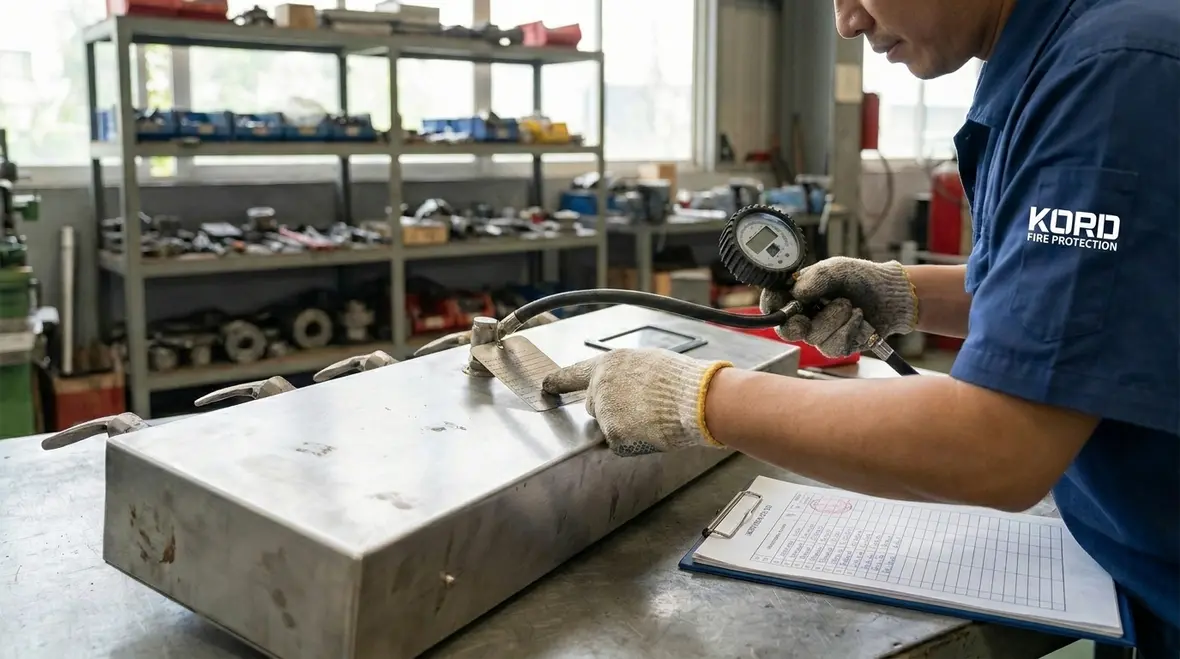
Inspection, testing, and servicing intervals explained
AS 1851 distinguishes between levels of activity. Some are frequent and designed to catch early changes. Others are less frequent but more thorough, aimed at confirming performance under conditions closer to real operation. Therefore, a schedule often includes tasks such as:
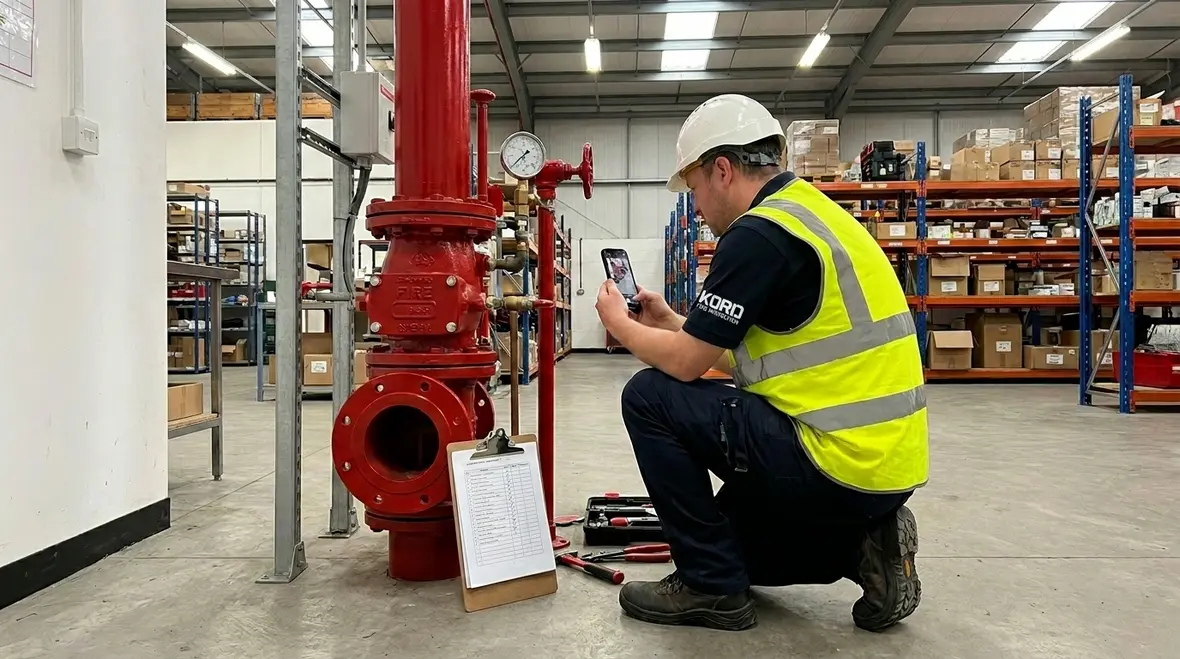
- Visual inspections to confirm system components remain accessible, correctly positioned, and free of obvious damage
- Operational checks to verify key parts respond properly, including relevant valves and indicators
- Testing of components where required, to confirm function and suitability over time
- Maintenance and repairs based on findings, rather than waiting for failure
- Documentation and reporting so compliance is measurable, not just claimed
Now, let us get specific about why intervals matter. If a facility only performs major testing once a year, smaller issues can build quietly. A partially obstructed nozzle, for example, might look fine during a quick glance, but it can affect discharge pattern and effectiveness. Meanwhile, scheduled testing helps identify these problems before they become operational surprises.
What frequent checks actually prevent
Frequent checks help catch the unglamorous stuff that causes genuine headaches later: a bumped valve, corrosion starting where nobody looks, a cabinet blocked by new storage, or a control setting changed during another project and never properly noted. None of these problems announce themselves with fireworks. They just sit there until someone needs the system to work perfectly.
Common risks AS 1851 helps facilities avoid
Across Australia, Kord Fire Protection sees recurring challenges that often disrupt system readiness. When organisations manage their suppression system service through a clear AS 1851 plan, these risks reduce significantly. Typical examples include:
- Wear and corrosion on valves, fittings, pipework, and supports
- Obstructions caused by storage changes, minor refurbishments, or construction drift
- Incorrect settings due to undocumented changes in plant or controls
- Water or agent issues, such as pressure problems, contamination, or component degradation
- Record gaps where maintenance is done but not documented to the required standard
Moreover, the standard helps facilities keep a stable maintenance rhythm even when teams change or contractors rotate. Transitioning ownership, tenancy changes, and store rollouts can all stress maintenance systems. However, a proper schedule keeps the focus on the equipment, not on who is holding the pen.
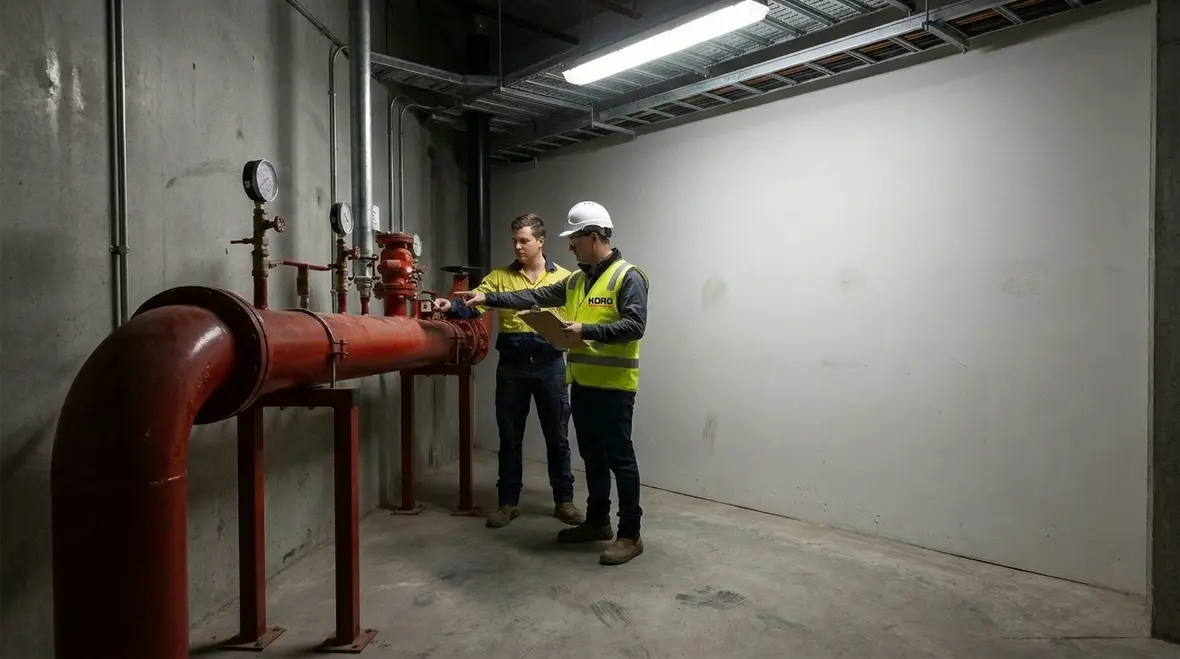
Scheduling support for industrial and retail sites
Industrial, retail, and commercial facilities have different realities. A warehouse faces harsh conditions and frequent layout changes. A retail chain deals with seasonal demand and access constraints. Meanwhile, commercial sites often juggle multiple tenants and shared plant. Because of this, maintenance must be planned with site operations in mind.
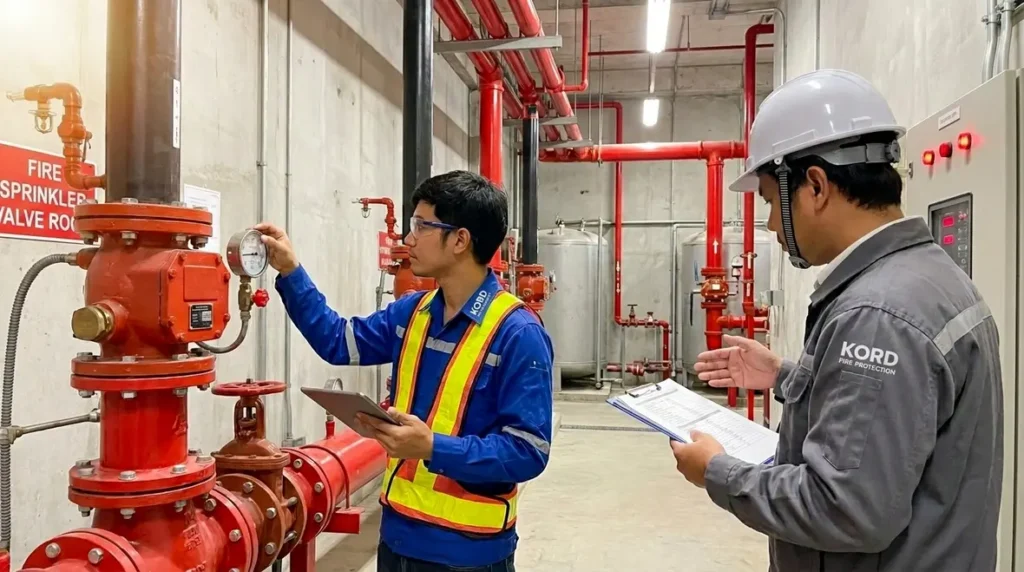
Here is how our company, Kord Fire Protection, acts as a vital partner. First, we review the current maintenance history and system configuration. Then we help align the schedule to the specific suppression system service requirements and the way the site actually runs. Next, we coordinate access and timing so testing happens when the facility can support it. Finally, we deliver clear reports so managers, safety officers, and compliance leads can see exactly what occurred and what comes next.
Where scheduling support creates the biggest value
The biggest value is usually not just the wrench work. It is the coordination. It is knowing what has to happen, when it has to happen, who needs access, what operational limitations exist, and how to keep the site compliant without turning the day into a production of avoidable frustration. That is where a steady maintenance partner earns their keep.
Dual column example: what a site manager often needs vs what the service provides
| Site manager focus | Kord Fire Protection delivers |
| Know when tasks must happen | AS 1851 based maintenance scheduling with practical timing |
| Reduce surprises during audits | Structured documentation and traceable outcomes |
| Keep operations running | Planned access and coordinated testing windows |
| Fix issues quickly | Action based on findings, with follow up where needed |
FAQ
Conclusion: build a maintenance plan that stays ready
AS 1851 gives facilities a solid structure, but success depends on execution. When organisations plan properly, test on time, and record everything, suppression systems stay reliable instead of becoming a “we will deal with it later” problem. Kord Fire Protection helps industrial, retail, and commercial sites across Australia manage the full process with clear scheduling, coordinated access, and dependable reporting. Reach out to our team to review your current schedule and strengthen your suppression system service.