AS 2419 Fire Pump Requirements for Industrial Compliance
Quick Answer: AS 2419 sets clear requirements for fire pumps at industrial sites, including design, installation, testing, and ongoing performance checks. By aligning pumping systems with the standard, facilities reduce risk and meet compliance expectations. Kord Fire Protection supports audits, upgrades, and maintenance so the system works when it matters most.
In Australia, industrial teams do not have the luxury of “hoping” a fire pump will perform under stress. That is why AS 2419 matters. It sets the technical backbone for fire pump systems across commercial and industrial facilities, and it guides how the pumps must be designed, installed, and tested. And yes, when the smoke alarms are doing their best to scream, the fire pump must do its job quietly and correctly. After all, fire safety should not rely on last second heroics.
In this article, the focus stays on practical requirements and how sites can meet them without turning compliance into a never ending spreadsheet. Also, Kord Fire Protection can become a vital partner to take the load off facility managers, contractors, and operations teams. For sites reviewing broader system readiness, Kord Fire Protection’s fire protection services can support planning, inspections, upgrades, and maintenance in a way that fits real operational pressures.
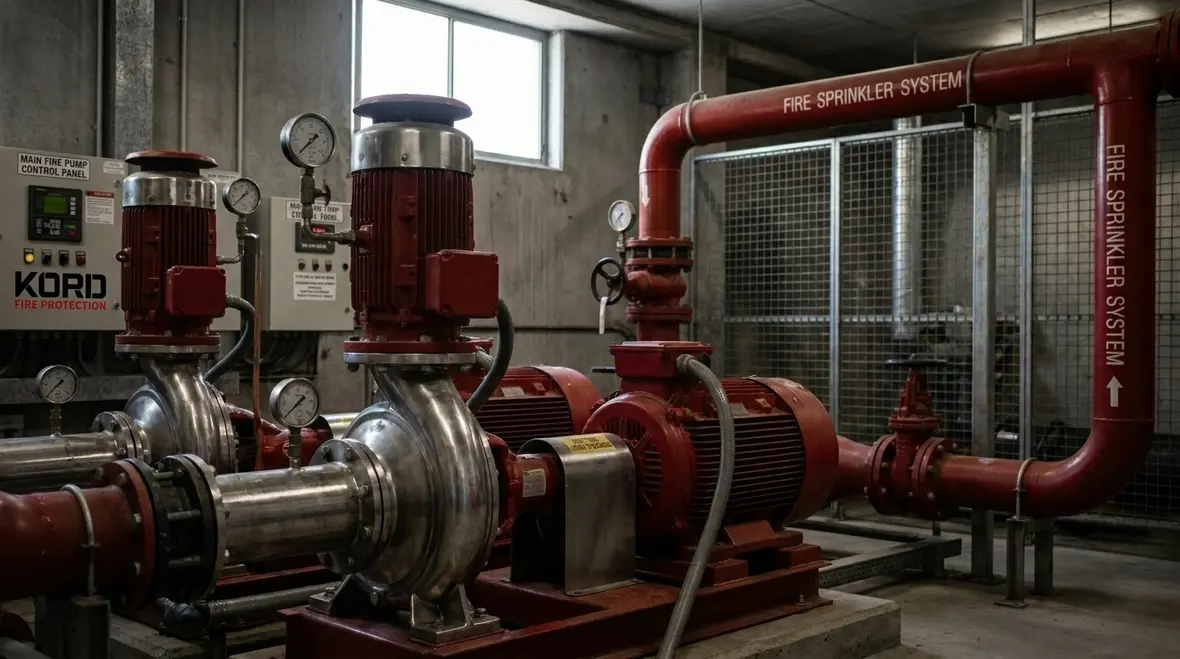
Fire pump systems on industrial sites require more than a pump
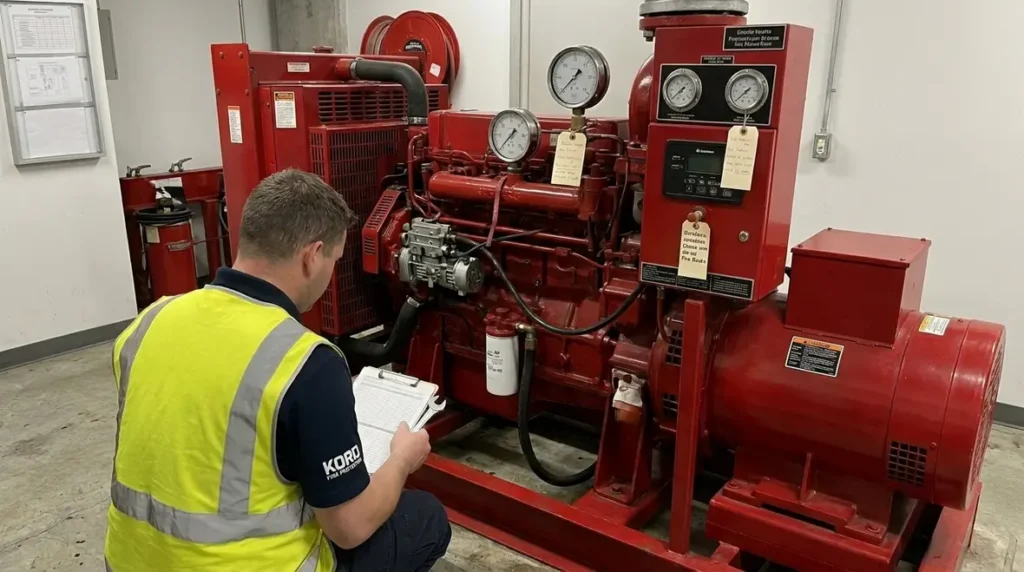
Many facilities think the fire pump is just a piece of kit with a motor and a controller. However, AS 2419 looks at the entire system. That means the water supply, pump arrangement, controls, power reliability, and performance testing all belong in the same story.
First, the pump must deliver the required pressure and flow when the system demands it. Then, the installation must ensure the pump starts and runs correctly under real operating conditions. Finally, ongoing testing must confirm the system stays within expected performance ranges, not just at commissioning day.
When a site treats the pump as a standalone device, performance issues show up later as weak discharge pressure, uneven flow, or failure to start reliably. Consequently, teams end up spending more time troubleshooting than protecting people.
Why the whole arrangement matters
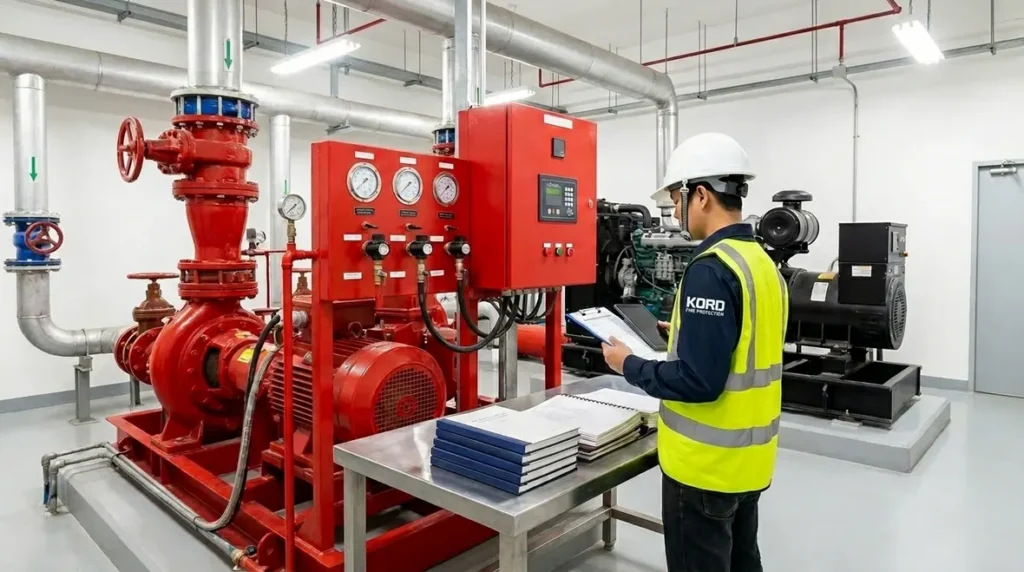
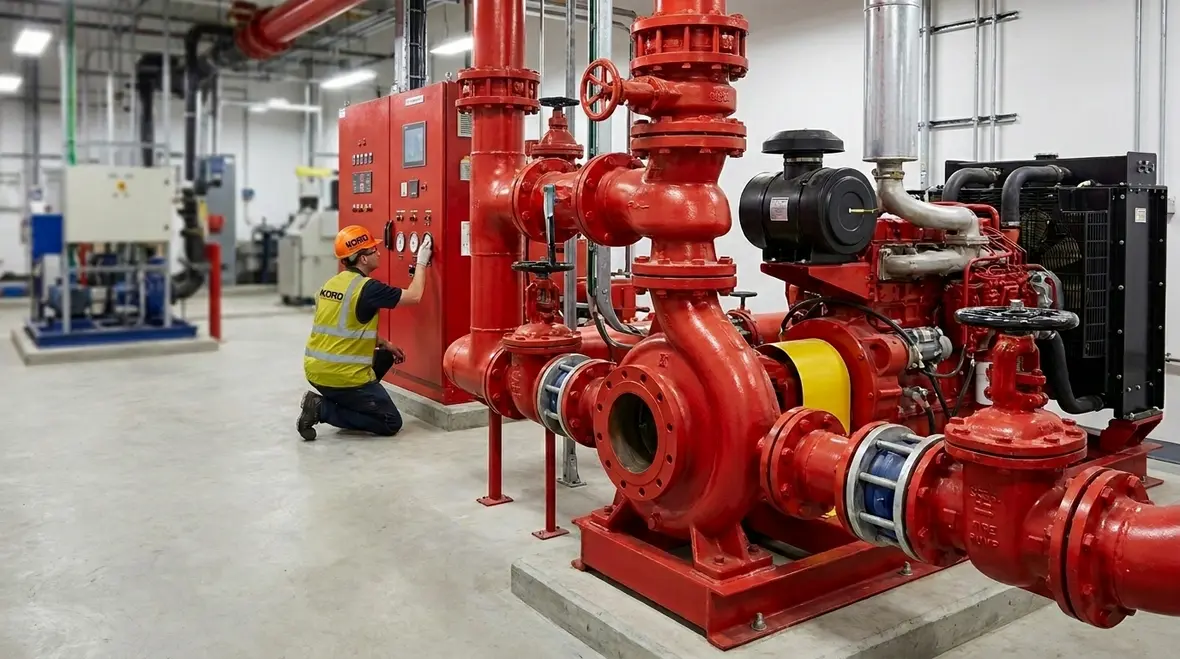
A compliant pump room is really a team effort between hydraulic design, electrical reliability, controls logic, and practical access for service work. If one part behaves badly, the rest of the system usually joins the chaos. That is why industrial compliance depends on seeing the pump as part of a larger life safety asset, not a lonely machine in a concrete room hoping nobody notices it until test day.
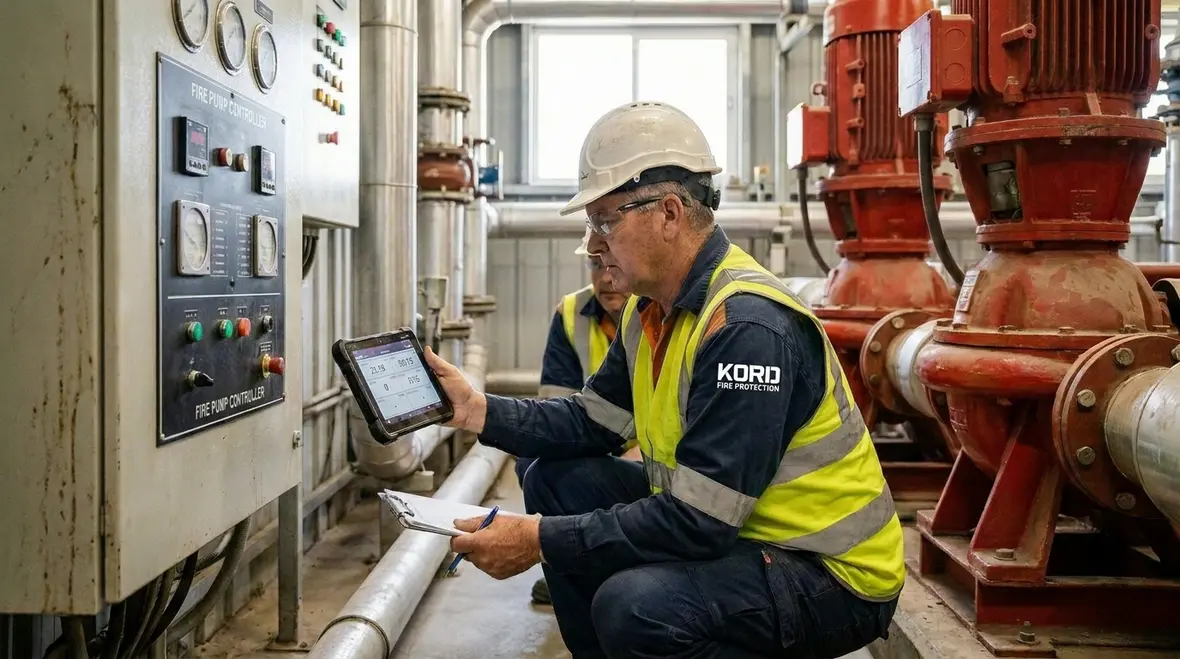
What AS 2419 expects for design, installation, and controls
AS 2419 addresses the system from end to end, so the design and installation need to align with the standard, not with guesswork. In practice, that includes how the pump is selected, how it connects to the fire system, and how control logic manages start and stop conditions.
For example, the controls must support automatic operation when the fire system activates. Additionally, the electrical supply must remain reliable so the pump can run when other loads may be active. Therefore, facility teams should not just approve a design because it looks right on a drawing. They should confirm the practical behaviour matches the standard.
Now for the part nobody likes: inspections and tests. Yet this is where AS 2419 becomes valuable. It encourages disciplined checks that reduce the chance that hidden issues survive until an emergency.
Design review should be practical, not decorative
A drawing set can look beautifully organised and still hide very ordinary operational problems. Industrial compliance improves when teams ask blunt questions early: Will the pump start when pressure drops? Will the controller behave predictably? Can maintenance crews reach valves, sensors, and panels without inventing gymnastics? If the answer to any of those is “probably,” then the review is not done yet.
How testing and maintenance reduce the “it worked once” problem
Testing under AS 2419 is about proving that the system performs over time. After installation, the pump system should not drift into non compliance due to wear, corrosion, incorrect calibration, or changes on site. And because industrial sites evolve, maintenance must keep pace with those changes.
A strong testing program typically includes routine checks of pump start reliability, controls operation, and performance outcomes. When teams ignore trends, they only discover issues when pressure drops or alarms show unexpected behaviour. That is expensive, disruptive, and stressful.
Also, maintenance should not become an all or nothing event. Instead, Kord Fire Protection can help sites build a schedule that fits the facility rhythm, so testing does not clash with production and does not turn shutdown windows into a management crisis. In other words, testing gets planned like it matters, because it does.
Trending data beats vague confidence
The difference between a dependable system and a stressful one is often record keeping. Consistent test data helps teams spot drift before it turns into a failure. A pressure result that softens a little each cycle, a controller response that slows, or a recurring alarm that everyone has learned to ignore can all be early warnings. The paperwork is not glamorous, but neither is discovering the problem during a real fire event.
Common compliance risks at industrial, retail, and facilities sites
Across Australia, the same patterns tend to show up. First, sites sometimes inherit older pump systems and assume they still meet current expectations. Second, contractors may install components that do not integrate cleanly with the existing controls and pipework. Third, documentation can lag behind actual plant conditions.
Moreover, changes such as new sprinklers, altered pipe runs, additional tenant fitouts, or upgrades to building services can affect the hydraulic demand. When the demand changes and the pump system is not reviewed, the performance outcome may shift even if the pump still starts.
Then there is the dreaded “temporary fix” that becomes permanent. A missing test record, an adjusted set point without review, or an out of calibration sensor can quietly weaken the overall system performance. Consequently, audits and system reviews become a way to catch the small problems before they grow legs and walk into an emergency.
Small changes create big hydraulic consequences
This is one of the sneakiest compliance traps on busy sites. A modest fitout, a relocated service, or a rushed contractor decision can alter demand enough to change how the pump behaves under load. Nobody throws a parade for that kind of change, but it can still move a system away from where it needs to be. Change management, therefore, is not corporate theatre. It is how facilities stop practical drift from becoming official trouble.
Why Kord Fire Protection becomes a vital partner
Kord Fire Protection works with facilities that need AS 2419 outcomes, not just paperwork. Our role fits the way sites operate, especially when multiple contractors, trades, and service providers touch the same fire system.
First, Kord Fire Protection can support compliance planning by reviewing pump arrangements, control integration, documentation, and site conditions against the AS 2419 intent. Then, we can help coordinate upgrades where performance gaps appear. After that, we assist with testing support and maintenance strategies so systems remain consistent with required behaviour.
Because industrial, retail, and commercial facilities do not stay still, Kord Fire Protection also helps teams treat fire pumps as part of a living asset. As processes expand and buildings change, the fire system should respond, not remain frozen in the state it was when the ink dried.
And yes, if the pump system is a “set and forget” dream, the universe will kindly remind everyone that dreams are not compliant. Kord Fire Protection helps facilities stay grounded in what the standard expects and what the real world demands.
Dual column checklist for getting pump readiness right
Frequently asked questions about AS 2419 fire pump requirements
Final call to action for compliant, dependable fire pump performance
Fire pumps must perform with calm certainty, not chaotic hope. To meet the intent behind AS 2419 and protect people and assets, facilities need clear system checks, disciplined testing, and smart change management. Kord Fire Protection can partner with your team to review readiness, support upgrades, and maintain ongoing reliability across industrial, retail, and commercial sites. If you want fewer surprises and stronger compliance outcomes, contact Kord Fire Protection today.